
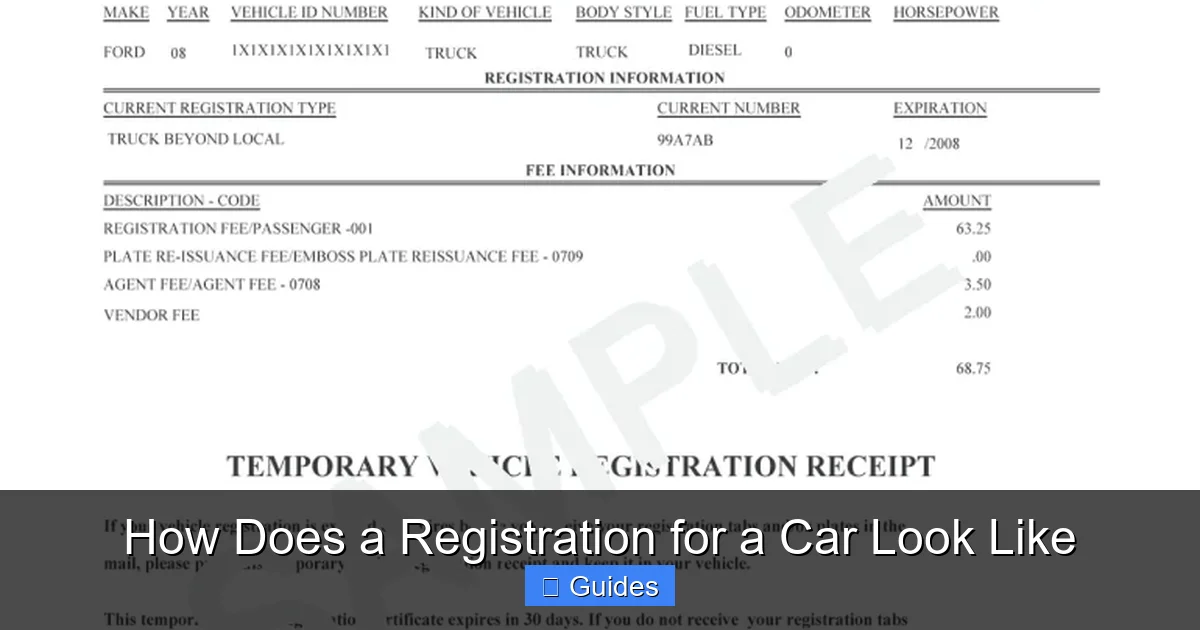
Understanding how a car registration looks like is crucial for every vehicle owner. This guide breaks down the layout, key details, and purpose of a car registration document so you know exactly what you’re looking at—and why it matters.
In This Article
- 1 Key Takeaways
- 2 📑 Table of Contents
- 3 What Is a Car Registration and Why Does It Matter?
- 4 What Does a Car Registration Document Look Like?
- 5 How Registration Differs From a Vehicle Title
- 6 State-by-State Variations in Registration Design
- 7 How to Read and Understand Your Registration Card
- 8 Digital Registration: The Future of Car Documentation
- 9 What to Do If You Lose Your Registration
- 10 Conclusion
- 11 Frequently Asked Questions
- 11.1 What information is on a car registration?
- 11.2 Is a car registration the same as a title?
- 11.3 Can I drive without a physical registration card?
- 11.4 How often do I need to renew my car registration?
- 11.5 What happens if my registration expires?
- 11.6 Can I register a car in a different state than where I live?
Key Takeaways
- Car registration is a legal document: It proves your vehicle is registered with the state and authorized to operate on public roads.
- It contains key vehicle and owner information: This includes the VIN, make, model, year, license plate number, and owner’s name and address.
- Format varies by state: While the core details are similar, the design, layout, and additional fields differ depending on your location.
- You must carry it while driving: Law enforcement may ask to see your registration during traffic stops or accidents.
- It’s different from your title: The title proves ownership; the registration shows the vehicle is legally registered and insured.
- Renewals are required regularly: Most states require annual or biennial renewal, often with updated stickers or new documents.
- Digital versions are becoming common: Many states now accept electronic registration on smartphones as valid proof.
📑 Table of Contents
- What Is a Car Registration and Why Does It Matter?
- What Does a Car Registration Document Look Like?
- How Registration Differs From a Vehicle Title
- State-by-State Variations in Registration Design
- How to Read and Understand Your Registration Card
- Digital Registration: The Future of Car Documentation
- What to Do If You Lose Your Registration
- Conclusion
What Is a Car Registration and Why Does It Matter?
When you buy a car—whether new or used—one of the first things you need to do is register it with your state’s Department of Motor Vehicles (DMV) or equivalent agency. But what exactly is a car registration, and why is it so important?
Simply put, a car registration is an official document issued by your state that confirms your vehicle is legally registered and authorized to be driven on public roads. Think of it as your car’s “license to drive.” Without it, you can’t legally operate your vehicle, and you could face fines, penalties, or even have your car impounded.
But beyond its legal function, the registration document serves as a vital record. It links your identity to the vehicle, provides critical details about the car itself, and ensures that you’re complying with state laws regarding insurance, emissions, and safety inspections. Whether you’re pulled over by a police officer, involved in an accident, or selling your car, having a valid and up-to-date registration is non-negotiable.
The Purpose of Car Registration
The primary purpose of car registration is to establish accountability. By registering your vehicle, the state knows who owns it and can track important information like insurance coverage, emissions compliance, and whether the vehicle has been reported stolen. This helps maintain road safety and ensures that all drivers are meeting minimum legal requirements.
Registration also helps fund public infrastructure. The fees you pay when registering your car go toward maintaining roads, bridges, and traffic systems. In some states, a portion of the registration fee also supports emergency services and transportation programs.
Another key function is vehicle identification. Every car has a unique Vehicle Identification Number (VIN), and the registration document lists this number alongside other identifying details. This makes it easier for law enforcement, insurance companies, and repair shops to verify the vehicle’s history and legitimacy.
What Does a Car Registration Document Look Like?
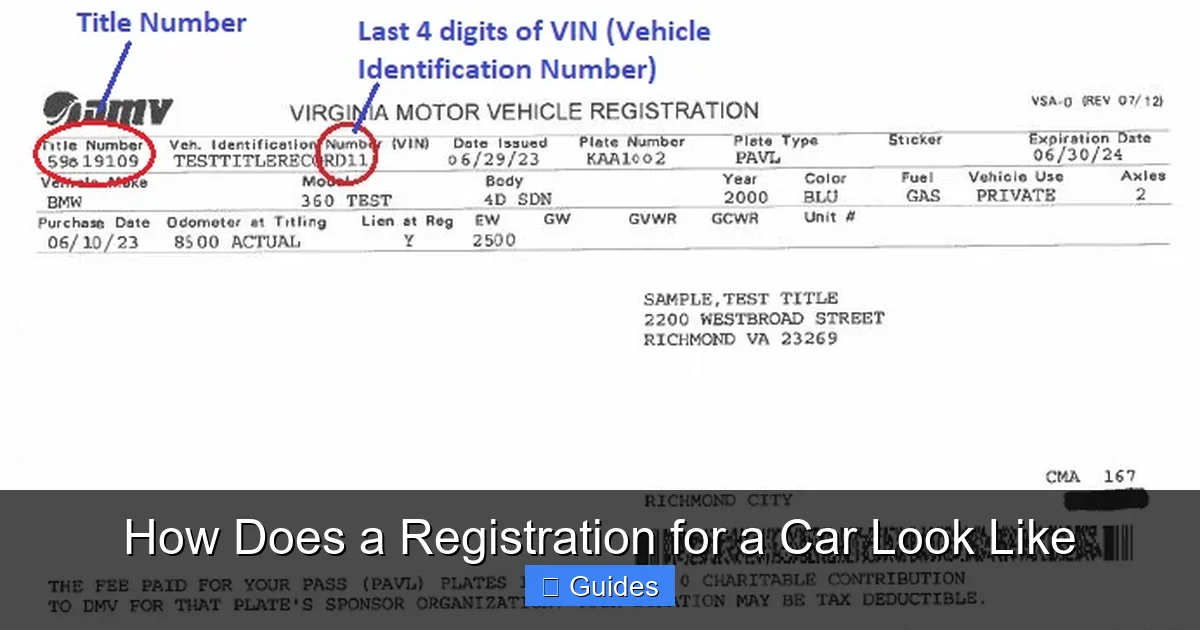
Visual guide about How Does a Registration for a Car Look Like
Image source: dmv.virginia.gov
Now that you understand why registration is important, let’s dive into what the actual document looks like. While the exact design varies from state to state, most car registration documents share a similar structure and include the same core information.
Typically, a car registration is a small, wallet-sized card—often made of paper or cardstock—that you’re supposed to keep in your vehicle at all times. Some states issue a larger certificate, especially for commercial vehicles or fleet registrations, but for personal cars, the compact card is standard.
Common Layout and Design Elements
Most registration cards are printed in a vertical or horizontal format and include a combination of text, barcodes, and sometimes holograms or watermarks for security. The state seal or DMV logo is usually featured prominently at the top or center, giving the document an official appearance.
The background may include subtle patterns or color gradients to prevent counterfeiting. Some states use different colors for different vehicle types—for example, green for hybrid vehicles or red for commercial trucks—to make identification quicker.
You’ll also notice that the document is often bilingual in states with large non-English-speaking populations. For instance, California and Texas include both English and Spanish text on their registration cards.
Key Information Found on a Registration Card
Despite the visual differences, the information on a car registration is fairly consistent across the U.S. Here’s a breakdown of the most common details you’ll find:
– **Owner’s Name and Address:** This is usually listed at the top. If there are multiple owners (e.g., spouses or business partners), both names will appear.
– **Vehicle Description:** Includes the make (e.g., Toyota), model (e.g., Camry), year, body style (e.g., sedan), and color.
– **Vehicle Identification Number (VIN):** A 17-character alphanumeric code that uniquely identifies your vehicle. This is crucial for tracking recalls, theft, and service history.
– **License Plate Number:** The official plate number assigned to your vehicle. This links your car to your registration in state databases.
– **Registration Expiration Date:** Shows when your current registration period ends. Most states require annual renewal, though some allow two-year terms.
– **Registration Fee Paid:** Indicates whether the fee has been paid and may show the amount.
– **Insurance Information:** Some states include a field confirming that the vehicle is insured, though this is increasingly verified electronically.
– **Emissions or Safety Inspection Status:** In states that require periodic inspections, this may be noted on the card or tracked separately.
For example, a registration card from New York might list “2023 Honda Accord, VIN: 1HGBH41JXMN109186, Plate: ABC1234, Expires: 05/2025,” along with the owner’s name and address. Meanwhile, a Florida registration might include a barcode and a QR code that links to digital verification.
How Registration Differs From a Vehicle Title
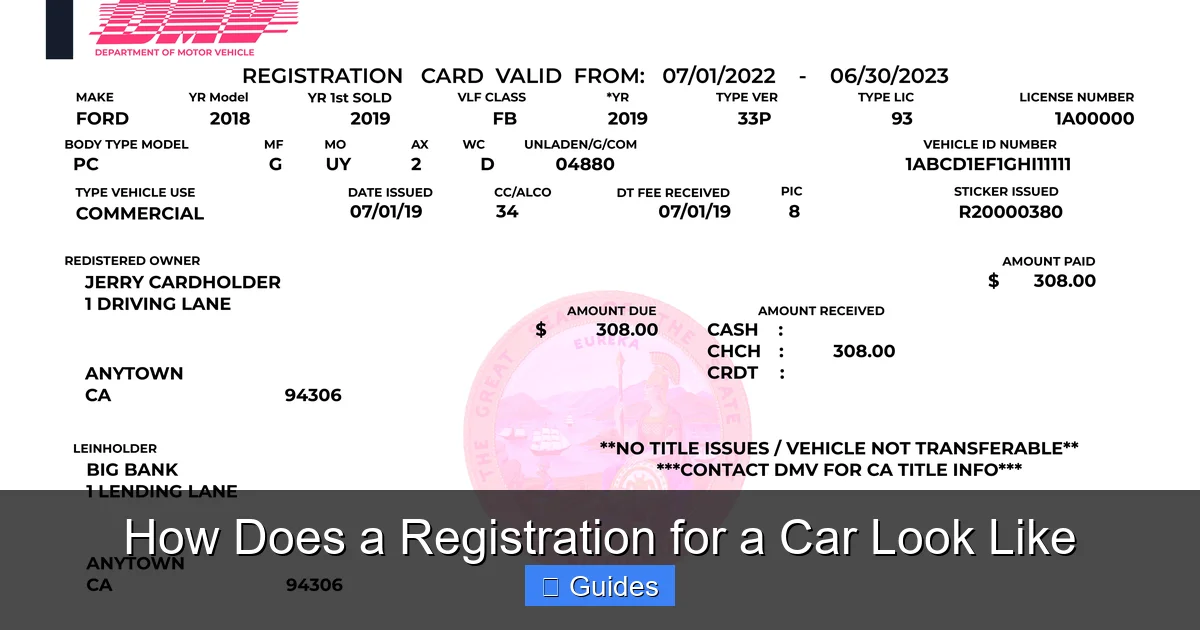
Visual guide about How Does a Registration for a Car Look Like
Image source: jerry-uploads-prod.s3.amazonaws.com
One of the most common points of confusion for new car owners is the difference between a registration and a vehicle title. While both documents are essential, they serve very different purposes.
What Is a Vehicle Title?
The vehicle title is a legal document that proves ownership of the car. It’s issued when you purchase the vehicle and is typically signed over from the seller to the buyer. The title includes the owner’s name, the VIN, and sometimes lienholder information if the car was financed.
Unlike the registration, which you carry in your car, the title is usually kept in a safe place at home—like a filing cabinet or safety deposit box. You only need it when selling the car, transferring ownership, or applying for a loan using the vehicle as collateral.
Key Differences at a Glance
| Feature | Registration | Title |
|———————–|—————————————-|————————————–|
| Purpose | Proves legal operation on roads | Proves ownership |
| Carried in vehicle? | Yes | No |
| Issued by | State DMV | State DMV |
| Renewed? | Yes (annually or biennially) | No (only changes with ownership) |
| Required for driving? | Yes | No |
For example, if you buy a used car from a private seller, you’ll receive the title signed over to you. You then take that title to the DMV to register the vehicle in your name and receive your registration card and new license plates.
It’s important to keep both documents safe and up to date. Losing your title can complicate selling the car, while an expired registration can lead to fines or trouble during traffic stops.
State-by-State Variations in Registration Design
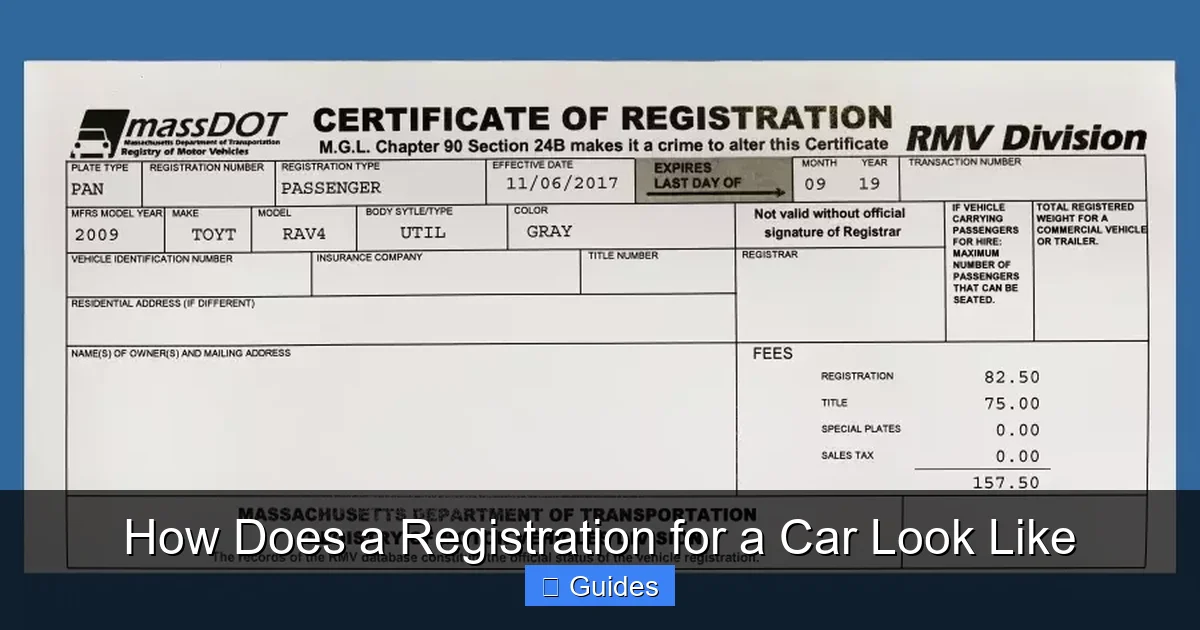
Visual guide about How Does a Registration for a Car Look Like
Image source: media.infopay.net
While the core information on a car registration is similar nationwide, the design, layout, and additional features can vary significantly from one state to another. These differences reflect local laws, technological adoption, and administrative preferences.
Examples of State-Specific Features
– **California:** The registration card includes a large barcode and a QR code. It also notes whether the vehicle is subject to the state’s smog check program. The card is bilingual (English/Spanish) and features the state seal prominently.
– **Texas:** Known for its bold red and blue design, Texas registration cards include a holographic strip for security. They also list the vehicle’s gross weight and may include a “Farm Use” designation for agricultural vehicles.
– **New York:** Uses a vertical layout with a detailed breakdown of fees paid. The card includes a magnetic stripe for electronic verification at inspection stations.
– **Florida:** Features a bright orange background and includes a “SunPass” field for toll road users. The card also has a perforated edge for easy removal of the registration sticker.
– **Oregon:** One of the few states that doesn’t require front license plates, Oregon’s registration card is simpler and focuses on digital verification. Many Oregonians now use electronic registration on their phones.
Why Do These Differences Exist?
State governments design their registration documents based on local needs and priorities. For example, states with high rates of vehicle theft (like California and Texas) include more anti-counterfeiting features. States with strict emissions standards (like New York and Colorado) emphasize inspection compliance.
Additionally, some states are moving toward fully digital systems. Arizona, for instance, allows drivers to show a digital registration on their smartphone during traffic stops, as long as the screen is unlocked and the app is official.
These variations mean that if you move to a new state, you’ll need to re-register your vehicle and get a new registration card that complies with local rules. This process usually involves providing proof of ownership (title), insurance, and passing any required inspections.
How to Read and Understand Your Registration Card
Now that you know what a car registration looks like and what it contains, let’s walk through how to read and interpret the information on your own card. This is especially helpful if you’re buying a used car or helping a family member with their vehicle paperwork.
Step-by-Step Guide to Reading Your Registration
1. **Start with the Owner Information:** Check that your name and address are correct. If you’ve recently moved, you may need to update your registration with the DMV.
2. **Verify the Vehicle Details:** Make sure the make, model, year, and VIN match your car. Even a small typo can cause problems during inspections or sales.
3. **Check the License Plate Number:** Confirm it matches the plate on your vehicle. If you’ve recently changed plates, ensure the new number is reflected.
4. **Note the Expiration Date:** Mark your calendar for renewal. Most states send reminders, but it’s easy to miss them.
5. **Look for Special Notations:** Some cards include notes like “Lienholder” (if you have a loan), “Commercial Use,” or “Disabled Parking Permit.”
6. **Scan for Security Features:** Check for holograms, watermarks, or barcodes. These help verify the document’s authenticity.
Common Mistakes to Avoid
– **Assuming All Info Is Correct:** Mistakes happen. Always double-check the VIN and plate number.
– **Ignoring the Expiration Date:** Driving with an expired registration is illegal and can result in fines.
– **Confusing Registration with Insurance:** Your registration proves the car is registered, but you still need a separate insurance card.
– **Not Updating After a Move:** If you move to a new state, you typically have 30 days to re-register your vehicle.
For example, if your registration says “2020 Ford F-150, VIN: 1FTFW1ET5KFC12345, Plate: XYZ789, Expires: 08/2024,” you should verify that your truck matches this description and that the plate on your vehicle is indeed XYZ789. If you bought the truck in January 2024, but the expiration is August 2024, you’re good to go—but set a reminder for July to renew.
Digital Registration: The Future of Car Documentation
As technology advances, many states are moving away from paper registration cards and embracing digital alternatives. This shift offers convenience, reduces waste, and improves security.
How Digital Registration Works
Digital registration allows you to store your registration information on your smartphone through an official state app or website. When pulled over, you can show the digital version to law enforcement, just like a physical card.
States like Arizona, California, and Colorado already accept digital registration. In some cases, the app includes real-time updates, so if you renew online, the digital card reflects the new expiration date immediately.
Benefits of Going Digital
– **Convenience:** No more worrying about losing your card.
– **Eco-Friendly:** Reduces paper use and printing costs.
– **Instant Updates:** Renewals and changes are reflected in real time.
– **Enhanced Security:** Digital cards often include encryption and biometric locks.
However, not all states accept digital registration yet, and some law enforcement officers may still prefer a physical copy. It’s always a good idea to carry both if possible—especially when traveling across state lines.
What to Do If You Lose Your Registration
Losing your car registration can be stressful, but it’s not the end of the world. Most states allow you to request a duplicate copy quickly and easily.
Steps to Replace a Lost Registration
1. **Contact Your Local DMV:** Visit the official website or call your state’s DMV office.
2. **Provide Required Information:** You’ll usually need your driver’s license, VIN, and license plate number.
3. **Pay a Replacement Fee:** Most states charge a small fee (typically $5–$15).
4. **Receive Your New Card:** Some states mail it within a few days; others offer instant print-at-home versions.
For example, in Illinois, you can request a duplicate registration online, by mail, or in person. The fee is $15, and you’ll receive the new card in 7–10 business days.
Tips to Prevent Loss
– Keep your registration in a dedicated spot in your car, like the glove compartment.
– Make a digital copy and store it in a secure cloud service.
– Pair it with your insurance card in a protective sleeve.
Conclusion
Understanding how a registration for a car looks like is more than just knowing what’s on the card—it’s about recognizing its role in keeping you legal, safe, and informed on the road. From the VIN to the expiration date, every detail on your registration serves a purpose. Whether you’re driving a brand-new sedan or a trusty old pickup, your registration is a small but mighty document that keeps everything running smoothly.
As states continue to modernize, with digital options and enhanced security features, staying informed ensures you’re never caught off guard. So the next time you glance at that little card in your glove box, you’ll know exactly what you’re looking at—and why it matters.
Frequently Asked Questions
What information is on a car registration?
A car registration typically includes the owner’s name and address, vehicle make, model, year, VIN, license plate number, registration expiration date, and sometimes insurance or inspection status. This information proves the vehicle is legally registered.
Is a car registration the same as a title?
No, they serve different purposes. The title proves ownership of the vehicle, while the registration proves the vehicle is legally registered and authorized to be driven on public roads. You need both, but they’re used in different situations.
Can I drive without a physical registration card?
In most states, yes—if you have a valid digital registration on your phone. However, some states still require a physical copy, so check your local laws. Always have proof of registration accessible when driving.
How often do I need to renew my car registration?
Most states require annual renewal, though some allow two-year terms. The expiration date is listed on your registration card. Renewal usually involves paying a fee and confirming insurance and inspection compliance.
What happens if my registration expires?
Driving with an expired registration is illegal and can result in fines, penalties, or your vehicle being impounded. Most states offer a grace period, but it’s best to renew before the expiration date.
Can I register a car in a different state than where I live?
Generally, no. You must register your vehicle in the state where you reside. If you move, you’ll need to re-register your car in your new state within a specified time frame, usually 30 days.

At CarLegit, we believe information should be clear, factual, and genuinely helpful. That’s why every guide, review, and update on our website is created with care, research, and a strong focus on user experience.