
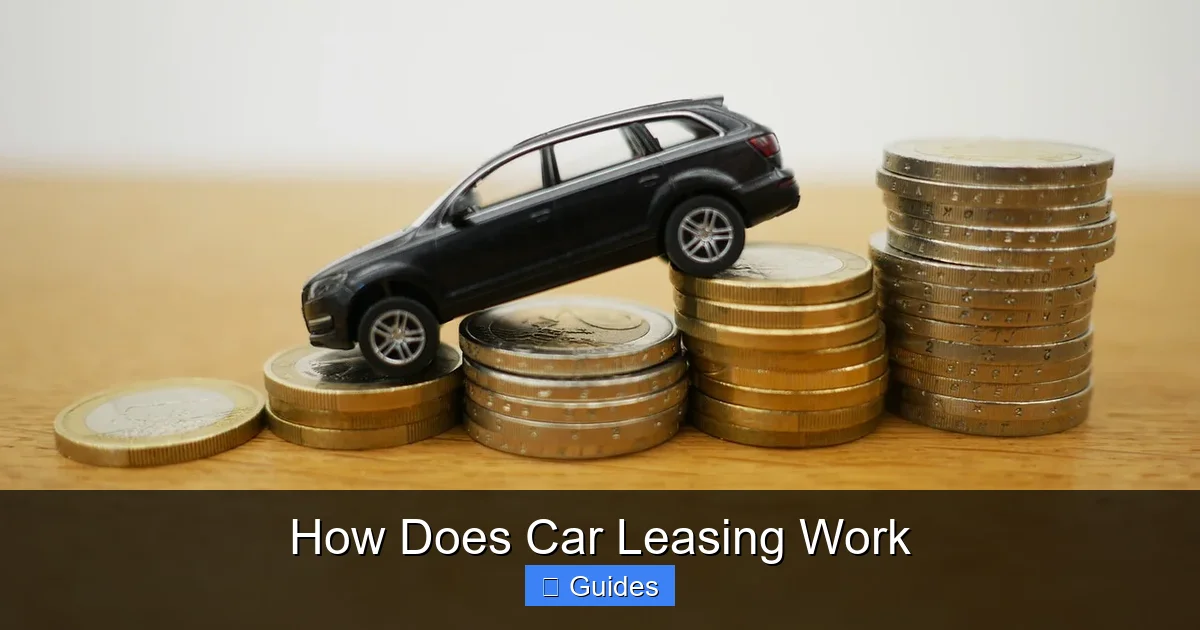
Car leasing lets you drive a new vehicle for a set period—usually 24 to 36 months—with lower monthly payments than buying. You pay only for the car’s depreciation during the lease term, not the full value, and return it at the end unless you choose to buy it.
Thinking about getting behind the wheel of a shiny new car without the long-term commitment of ownership? Car leasing might be exactly what you’re looking for. Unlike buying—where you finance the entire value of the vehicle and eventually own it outright—leasing is more like renting a car for an extended period, usually two to three years. You make monthly payments based on how much the car loses in value during that time, plus fees and interest. At the end of the lease, you simply return the car (assuming you haven’t exceeded mileage or damage limits), or you can choose to purchase it at its predetermined residual value.
Leasing has surged in popularity over the past decade, especially among drivers who want access to luxury features, advanced safety tech, and reliable warranties without the high upfront cost of buying. It’s also appealing if you like driving a new car every few years and don’t want to deal with selling or trading in an old vehicle. But while leasing offers flexibility and affordability in many cases, it’s not the right fit for everyone. Understanding exactly how car leasing works—from initial negotiations to end-of-lease options—can help you make a smart, informed decision that aligns with your lifestyle and budget.
In This Article
- 1 Key Takeaways
- 2 📑 Table of Contents
- 3 What Is Car Leasing?
- 4 How Car Leasing Works: Step by Step
- 5 Pros and Cons of Car Leasing
- 6 Car Leasing vs. Buying: Which Is Right for You?
- 7 Tips for Getting the Best Car Lease Deal
- 8 What Happens at the End of a Car Lease?
- 9 Is Car Leasing Right for You?
- 10 Frequently Asked Questions
Key Takeaways
- Lower Monthly Payments: Leasing typically costs less per month than financing a purchase because you’re only paying for the vehicle’s depreciation during the lease term.
- Drive Newer Cars More Often: Most leases last 2–3 years, so you can upgrade to a new model frequently with the latest tech and safety features.
- Mileage and Wear Restrictions Apply: Leases include annual mileage limits (often 10,000–15,000 miles) and charge fees for excess wear or overuse.
- No Ownership at End of Lease: Unless you buy the car, you return it to the dealership—no equity buildup like with a loan.
- Warranty Coverage Usually Included: Most leased vehicles are under manufacturer warranty for the entire lease term, minimizing repair costs.
- Early Termination Can Be Costly: Ending a lease early often triggers steep penalties, so it’s best to commit for the full term.
- Good Credit Helps Secure Better Terms: While leasing may be accessible with fair credit, excellent credit scores unlock lower interest rates (called “money factors”) and better deals.
📑 Table of Contents
What Is Car Leasing?
At its core, car leasing is a contract between you (the lessee) and a leasing company or dealership (the lessor). Instead of purchasing the vehicle, you’re essentially paying to use it for a fixed period. Think of it as a long-term rental with specific rules and conditions. The amount you pay each month covers three main things: the car’s depreciation during the lease term, a finance charge (similar to interest), and any applicable taxes or fees.
One of the biggest advantages of leasing is that your monthly payments are almost always lower than if you were financing the same car with a traditional auto loan. That’s because you’re not paying off the entire value of the vehicle—just the portion that it loses in value while you drive it. For example, if a $40,000 car is expected to be worth $24,000 after three years, you’ll pay for that $16,000 depreciation spread across 36 months, plus fees. This structure makes leasing attractive for people who want a premium vehicle but don’t have—or don’t want to use—a large down payment.
However, it’s important to remember that leasing doesn’t build equity. When your lease ends, you don’t own the car unless you choose to buy it. You also can’t customize it freely (like adding aftermarket parts or paint jobs) without risking penalties. And if you drive more than the agreed-upon miles or return the car with excessive wear, you’ll face additional charges. So while leasing offers convenience and lower payments, it comes with strings attached.
How Car Leasing Works: Step by Step
Visual guide about How Does Car Leasing Work
Image source: cars311.com
Understanding the leasing process can demystify what might seem like a complex financial arrangement. Here’s a clear breakdown of how it typically unfolds:
1. Choose Your Vehicle and Lease Terms
Start by selecting the make, model, trim level, and optional features you want. Then, decide on your lease length—most common terms are 24, 36, or 48 months. Shorter leases mean higher monthly payments but less total interest paid; longer leases spread costs out but may result in higher overall expenses due to extended financing charges.
2. Negotiate the Capitalized Cost
This is the negotiated price of the car—similar to the “sticker price” when buying. The lower you can negotiate this number, the lower your monthly payments will be. Don’t accept the manufacturer’s suggested retail price (MSRP) without trying to haggle. Dealers often have flexibility, especially if they’re trying to meet sales targets.
3. Determine the Residual Value
The residual value is the estimated worth of the car at the end of the lease. It’s usually expressed as a percentage of the car’s MSRP. For example, a car with a $40,000 MSRP and a 60% residual after three years would be worth $24,000. Higher residuals mean lower depreciation—and thus lower monthly payments. Luxury brands and popular models often have strong residuals.
4. Calculate Your Monthly Payment
Your payment is based on:
– Depreciation: (Capitalized cost – Residual value) ÷ lease term
– Money factor: The lease equivalent of an interest rate (multiply by 2,400 to get an approximate APR)
– Taxes and fees: Sales tax (in some states), acquisition fee, disposition fee, etc.
For instance, if your capitalized cost is $38,000, residual is $24,000, and lease term is 36 months, your depreciation portion is about $389/month. Add in the money factor and taxes, and your total might land around $450–$500/month.
5. Review and Sign the Lease Agreement
Before signing, carefully read all terms: mileage allowance, wear-and-tear guidelines, early termination penalties, and end-of-lease options. Make sure everything matches what was discussed. Once signed, you’ll likely pay an upfront cost (called a “drive-off fee”) covering the first month’s payment, security deposit (sometimes waived), and other fees.
6. Drive and Maintain the Vehicle
During the lease, you’re responsible for regular maintenance (oil changes, tire rotations, etc.) as outlined in the owner’s manual. Many leases require you to follow the manufacturer’s recommended service schedule—failure to do so could void warranty coverage or lead to penalties.
7. Return or Buy at Lease End
When your term ends, you can:
– Return the car (after inspection for excess wear/mileage)
– Purchase the vehicle at the residual value
– Lease a new model (often with incentives for returning customers)
Pros and Cons of Car Leasing
Visual guide about How Does Car Leasing Work
Image source: complete-leasing.co.uk
Like any financial decision, leasing has clear benefits and drawbacks. Weighing them against your personal needs is key.
Advantages of Leasing
- Lower Monthly Payments: As mentioned, you’re only financing the depreciation, not the full vehicle cost.
- Lower Down Payment: Many leases require little or no down payment (though putting money down can reduce monthly costs).
- Warranty Protection: Most new cars come with comprehensive warranties that cover the entire lease term, so major repairs are rarely your responsibility.
- Tax Benefits for Business Use: If you use the car for work, you may be able to deduct a portion of lease payments (consult a tax professional).
- Always Drive New: Upgrade every few years with minimal hassle—no need to sell or trade in.
Disadvantages of Leasing
- No Ownership: You don’t build equity, and you’ll always have a car payment unless you switch to buying.
- Mileage Limits: Exceeding your annual mileage cap (e.g., 12,000 miles/year) can cost $0.10–$0.25 per extra mile.
- Wear-and-Tear Fees: Scratches, dents, or interior damage beyond “normal” use may result in charges at return.
- Early Termination Penalties: Ending your lease early can cost thousands in fees.
- Customization Restrictions: Modifying the car (e.g., tinting windows, installing spoilers) often violates lease terms.
For example, Sarah leased a compact SUV for her daily 40-mile commute. With a 12,000-mile annual limit, she stayed well within bounds and enjoyed low payments. But her friend Mark, who drives 20,000 miles a year for work, found himself paying over $1,000 in excess mileage fees—making leasing a poor fit for his lifestyle.
Car Leasing vs. Buying: Which Is Right for You?
Visual guide about How Does Car Leasing Work
Image source: carleasing-online.co.uk
The choice between leasing and buying hinges on your priorities: flexibility vs. ownership, lower payments vs. long-term savings, and how you use your vehicle.
If you:
– Prefer driving a new car every 2–3 years
– Want lower monthly payments and minimal repair worries
– Don’t drive more than 10,000–15,000 miles annually
– Don’t plan to modify or heavily personalize your vehicle
…then leasing could be ideal.
On the other hand, if you:
– Drive high mileage (over 15,000 miles/year)
– Want to own your car outright and build equity
– Plan to keep the vehicle for 5+ years
– Enjoy customizing or using your car for rideshare/towing
…then buying (with cash or a loan) is likely the better path.
It’s also worth noting that while leasing offers lower monthly costs, buying usually costs less over the long run—especially if you keep the car after the loan is paid off. A leased car means perpetual payments; a purchased car eventually becomes “free” to operate (aside from maintenance and insurance).
Tips for Getting the Best Car Lease Deal
Securing a great lease isn’t just about luck—it’s about strategy. Follow these practical tips to maximize value:
Check Your Credit Score First
Leasing companies use your credit to determine the “money factor” (interest rate). A score above 720 typically qualifies for the best rates. If your score is lower, consider improving it before applying or look for lease specials aimed at buyers with fair credit.
Shop Multiple Dealerships
Don’t settle for the first offer. Get quotes from at least three dealers. Use online tools like Edmunds, Kelley Blue Book, or Leasehackr to compare real-world lease deals and residuals.
Negotiate the Capitalized Cost Aggressively
Just like buying, the sticker price isn’t fixed. Research invoice pricing and aim to lease at or below invoice. Even small reductions can significantly lower your monthly payment.
Watch Out for Excessive Fees
Some dealers tack on unnecessary “documentation fees,” “advertising fees,” or high acquisition fees. Ask for a breakdown and push back on inflated charges. In many states, certain fees are capped by law.
Consider a Higher Down Payment (Cap Cost Reduction)
Putting money down reduces your monthly payment, but be cautious—if the car is totaled or stolen, you may not get that money back unless you have gap insurance. Only put down what you can afford to lose.
Time Your Lease Right
End-of-year, end-of-quarter, and end-of-model-year periods often bring the best lease incentives. Manufacturers want to clear inventory, so deals improve in December, March, and August/September.
Read the Fine Print
Pay close attention to mileage limits, excess wear definitions, and end-of-lease charges. Some leases include “wear-and-tear waivers” for a small monthly fee—worth considering if you’re prone to minor dings.
What Happens at the End of a Car Lease?
The end of your lease doesn’t have to be stressful—if you plan ahead. About 60 days before your term expires, the leasing company will usually send a notice with your options:
1. **Return the Vehicle**: Schedule an inspection with the dealer. They’ll check for excess wear and mileage. If everything’s within limits, you sign some paperwork and walk away (possibly with a small disposition fee, typically $300–$500).
2. **Purchase the Car**: You can buy the vehicle at its residual value. This amount was set at lease signing, so there’s no surprise pricing. If the market value is higher than the residual (common with in-demand models), you’re getting a great deal. You can pay cash, finance the purchase, or trade it in immediately.
3. **Lease a New Vehicle**: Many dealers offer loyalty incentives—like waived disposition fees or reduced acquisition fees—for customers who lease another car from them.
Pro tip: Before returning the car, clean it thoroughly (inside and out) and fix minor issues like burnt-out bulbs or worn wiper blades. These small fixes can save you hundreds in wear-and-tear charges.
Is Car Leasing Right for You?
Ultimately, car leasing works best for drivers who value predictability, low maintenance hassle, and the joy of driving something new—without the burden of long-term ownership. It’s not a one-size-fits-all solution, but for the right person, it’s a smart, cost-effective way to enjoy modern vehicles.
Ask yourself:
– Do I drive less than 15,000 miles per year?
– Am I comfortable returning a car every few years?
– Do I prefer lower monthly payments over building equity?
– Can I commit to the full lease term without major life changes (like moving cross-country or switching jobs)?
If you answered “yes” to most of these, leasing could be a great fit. But if you’re someone who puts on miles quickly, loves personalizing your ride, or dreams of owning a car free-and-clear someday, buying might serve you better.
Remember: the goal isn’t just to get a car—it’s to choose a transportation solution that aligns with your financial goals, lifestyle, and peace of mind. With the right knowledge, you can lease confidently—and drive happily.
Frequently Asked Questions
Can I lease a car with bad credit?
Yes, but your options may be limited and your money factor (interest rate) will likely be higher. Some dealers offer subprime leasing programs, but expect larger down payments and stricter terms. Improving your credit before leasing can save you hundreds per month.
What happens if I go over my mileage limit?
You’ll be charged a per-mile fee—typically $0.10 to $0.25—for every mile over your annual allowance. For example, exceeding a 12,000-mile limit by 3,000 miles could cost $300–$750 at lease end.
Can I terminate my car lease early?
Technically yes, but it’s usually expensive. Early termination fees can equal the remaining payments, minus any equity. Some third-party services specialize in lease transfers, which may reduce costs if you find someone to take over your contract.
Do I need gap insurance when leasing?
Most leases include gap coverage automatically, but always confirm. Gap insurance covers the difference between what you owe and the car’s actual cash value if it’s totaled or stolen—critical protection since leased cars depreciate fast.
Can I negotiate a car lease?
Absolutely! Everything is negotiable: the capitalized cost, money factor, mileage allowance, and even fees. Come prepared with research and multiple quotes to strengthen your position.
What counts as “excess wear and tear” on a leased car?
Scratches deeper than a fingernail, dents larger than a quarter, stained or torn upholstery, and missing parts typically count as excess wear. Normal wear includes minor scuffs, light carpet wear, and small paint chips. Always review your lease agreement for specific guidelines.

At CarLegit, we believe information should be clear, factual, and genuinely helpful. That’s why every guide, review, and update on our website is created with care, research, and a strong focus on user experience.