
Auto window tinting offers powerful UV protection, blocking up to 99% of harmful ultraviolet rays. It helps prevent skin damage, interior fading, and keeps your vehicle cooler—making it a smart, long-term investment for health and comfort.
In This Article
- 1 Key Takeaways
- 2 📑 Table of Contents
- 3 How Effective Is Auto Window Tinting for UV Protection?
- 4 Understanding UV Radiation and Its Risks
- 5 How Auto Window Tinting Blocks UV Rays
- 6 Real-World Benefits of UV Protection from Window Tinting
- 7 Legal Considerations and Choosing the Right Tint
- 8 Installation: DIY vs. Professional
- 9 Maintenance and Longevity of Tinted Windows
- 10 Conclusion: Is Auto Window Tinting Worth It for UV Protection?
- 11 Frequently Asked Questions
Key Takeaways
- Blocks up to 99% of UV rays: High-quality window tint significantly reduces exposure to UVA and UVB rays, protecting skin and eyes.
- Protects vehicle interiors: Prevents fading, cracking, and deterioration of dashboards, seats, and upholstery caused by prolonged sun exposure.
- Reduces heat buildup: Tinted windows keep your car cooler by rejecting solar heat, improving comfort and reducing AC usage.
- Enhances privacy and security: Darker tints offer increased privacy and make it harder for thieves to see inside your vehicle.
- Improves driving safety: Reduces glare from the sun and headlights, improving visibility and reducing eye strain.
- Legal compliance varies: Tint laws differ by state and country—always check local regulations before installation.
- Professional installation recommended: DIY kits may bubble or peel; expert installation ensures durability and optimal performance.
📑 Table of Contents
- How Effective Is Auto Window Tinting for UV Protection?
- Understanding UV Radiation and Its Risks
- How Auto Window Tinting Blocks UV Rays
- Real-World Benefits of UV Protection from Window Tinting
- Legal Considerations and Choosing the Right Tint
- Installation: DIY vs. Professional
- Maintenance and Longevity of Tinted Windows
- Conclusion: Is Auto Window Tinting Worth It for UV Protection?
How Effective Is Auto Window Tinting for UV Protection?
You’re driving down the highway on a sunny afternoon, sunglasses on, AC blasting—but are you really protected from the sun’s harmful rays? Even with the windows up, your car isn’t a fortress against ultraviolet (UV) radiation. In fact, standard car windows block most UVB rays but allow a significant amount of UVA rays to pass through. That means you’re still at risk for skin damage, premature aging, and even skin cancer—especially on long commutes or road trips.
This is where auto window tinting comes in. More than just a stylish upgrade, window tint serves a critical function: shielding you and your passengers from the sun’s invisible dangers. But how effective is it really? Can a thin layer of film truly make that much of a difference? The short answer is yes—especially when you choose the right type of tint. Modern window films are engineered with advanced materials that block a high percentage of UV rays, reduce heat, and improve overall driving comfort. In this guide, we’ll dive deep into how auto window tinting works, its effectiveness for UV protection, and why it’s a smart investment for both your health and your vehicle.
Understanding UV Radiation and Its Risks
Before we explore how window tinting helps, it’s important to understand what UV radiation is and why it matters. The sun emits three types of ultraviolet rays: UVA, UVB, and UVC. UVC is mostly absorbed by the ozone layer and doesn’t reach Earth’s surface. But UVA and UVB? They’re a daily threat—even on cloudy days.
Visual guide about How Effective Is Auto Window Tinting for Uv Protection
Image source: aptinting.com
What Are UVA and UVB Rays?
UVA rays make up about 95% of the UV radiation that reaches the Earth. They penetrate deep into the skin, contributing to premature aging, wrinkles, and long-term skin damage. UVA rays are also linked to an increased risk of skin cancer. Unlike UVB rays, which are stronger during midday and cause sunburn, UVA rays are present all day long and can pass through glass—including your car windows.
UVB rays are shorter and more intense. They’re the primary cause of sunburn and play a key role in developing skin cancer. While standard car windshields are made of laminated glass that blocks most UVB rays, side and rear windows are typically made of tempered glass, which offers much less protection. That means your arms, face, and hands—often exposed through side windows—are vulnerable to both UVA and UVB exposure during drives.
Health Risks of Prolonged UV Exposure in Vehicles
Many people don’t realize that you can get sun damage while driving. In fact, studies have shown that drivers in the U.S. are more likely to develop skin cancer on the left side of their bodies—the side most exposed to sunlight through the driver’s side window. This phenomenon, sometimes called “driver’s tan,” is a real concern.
Long-term exposure to UV rays can lead to:
- Photoaging (wrinkles, dark spots, leathery skin)
- Increased risk of melanoma and other skin cancers
- Eye damage, including cataracts and macular degeneration
- Weakened immune system response
Even if you wear sunscreen, it’s not always practical to reapply it while driving. And while sunglasses help, they don’t protect your arms, neck, or the side of your face. That’s why passive protection—like window tinting—is so valuable.
How Auto Window Tinting Blocks UV Rays
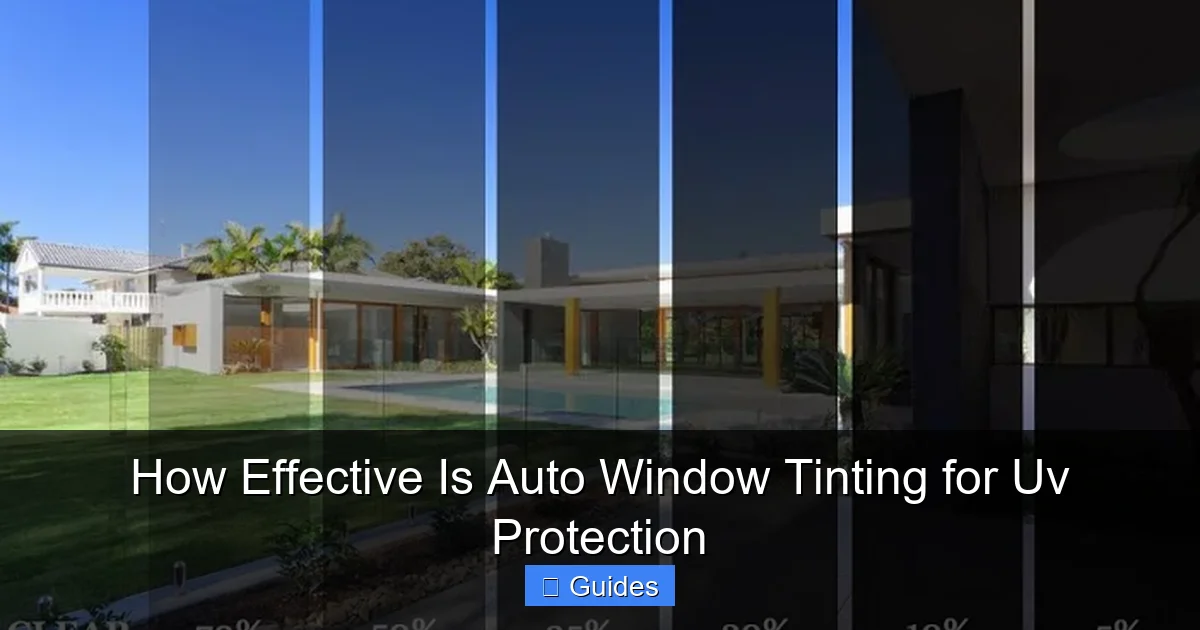
Auto window tinting works by applying a thin, adhesive film to the interior side of your car windows. This film is made from layers of polyester and other materials, often infused with dyes, metals, or ceramics that give it protective properties. The effectiveness of the tint depends on its composition, thickness, and the technology used.
Visual guide about How Effective Is Auto Window Tinting for Uv Protection
Image source: windowtintingsolutions.com.au
Types of Window Tint and Their UV-Blocking Capabilities
Not all window tints are created equal. Here’s a breakdown of the most common types and how they perform against UV rays:
Dyed Window Tint: This is the most affordable option. It uses a layer of dye to absorb sunlight and reduce glare. While it offers some UV protection—typically blocking around 70–90% of UV rays—it’s less effective than other types and can fade over time.
Metalized Tint: This type contains tiny metallic particles that reflect heat and UV rays. It’s more durable than dyed tint and can block up to 99% of UV radiation. However, it may interfere with GPS, cell phone signals, and radio reception due to the metal content.
Carbon Tint: Made with carbon particles, this tint offers a sleek, non-reflective finish and blocks about 99% of UV rays. It doesn’t interfere with electronics and resists fading better than dyed films.
Ceramic Tint: The top-tier option, ceramic tint uses advanced nano-ceramic technology to reject heat and block up to 99% of UV rays without using metals. It’s highly durable, doesn’t fade, and provides excellent clarity. It’s also the most expensive, but many consider it worth the investment for long-term protection and performance.
How the Tint Works: Absorption vs. Reflection
Window tint protects against UV rays in two main ways: by absorbing them or by reflecting them. Dyed and carbon tints primarily absorb UV radiation, converting it into harmless heat. Metalized and ceramic tints, on the other hand, reflect a significant portion of UV and infrared rays away from the vehicle.
The best tints combine both methods for maximum effectiveness. For example, ceramic films often have multiple layers—some that absorb UV and others that reflect infrared heat. This dual action not only protects your skin but also keeps your car cooler.
Measuring UV Protection: The Role of Tint Ratings
When shopping for window tint, you’ll often see ratings like “UV Rejection: 99%” or “Blocks 99% of UVA/UVB.” These numbers refer to the film’s ability to prevent ultraviolet rays from passing through the glass. A 99% UV rejection rate means that only 1% of UV radiation gets through—a significant improvement over untinted windows.
Look for films that are certified by organizations like the Skin Cancer Foundation or the International Window Film Association (IWFA). These certifications indicate that the product has been tested and proven effective for UV protection.
Real-World Benefits of UV Protection from Window Tinting
Beyond the science, the real value of auto window tinting lies in its everyday benefits. Let’s explore how UV protection translates into tangible improvements for your health, comfort, and vehicle.
Visual guide about How Effective Is Auto Window Tinting for Uv Protection
Image source: squeakyswindowtintingllc.com
Protecting Your Skin and Eyes
The most obvious benefit is personal health. By blocking up to 99% of UV rays, window tint significantly reduces your risk of sun damage. This is especially important for people who spend a lot of time in their cars—commuters, rideshare drivers, parents shuttling kids to activities, or road trippers.
Even short daily exposures add up. Over months and years, that cumulative UV exposure can lead to noticeable skin aging and increase cancer risk. With tinted windows, you’re creating a safer environment inside your car—one that mimics the protection of being indoors.
And it’s not just your skin. Your eyes are also vulnerable. Prolonged exposure to UV rays can contribute to cataracts and other vision problems. Tinted windows reduce glare and filter out harmful rays, helping to protect your eyes during long drives.
Preserving Your Vehicle’s Interior
UV rays don’t just affect people—they wreak havoc on your car’s interior too. Over time, sunlight can cause:
- Fading of upholstery, carpets, and floor mats
- Cracking and drying of leather or vinyl seats
- Discoloration of the dashboard and trim
- Weakening of plastic components
These issues not only make your car look worn out but can also reduce its resale value. A well-maintained interior is a major selling point, and window tinting helps preserve that like a shield.
Imagine pulling into a parking lot on a hot summer day. Your car’s dashboard is already warm to the touch, and the seats are scorching. Now imagine the same scenario with high-quality tint. The interior stays cooler, the materials last longer, and you avoid that “oven effect” when you return to your vehicle.
Improving Comfort and Reducing Energy Use
UV rays carry heat—lots of it. When they enter your car, they raise the interior temperature, making you rely more on air conditioning. This not only reduces fuel efficiency (in gas-powered cars) or battery range (in EVs), but it also makes your ride less comfortable.
Window tint helps by rejecting solar heat. Depending on the type, it can reduce interior temperatures by 10–20 degrees Fahrenheit. That means your AC doesn’t have to work as hard, you cool down faster, and your car stays more pleasant—even in peak summer.
For electric vehicle owners, this is a big deal. Every degree of cooling saved translates to better range and efficiency. In fact, some studies suggest that window tinting can improve EV range by up to 10% in hot climates by reducing the load on the climate control system.
Legal Considerations and Choosing the Right Tint
While the benefits are clear, it’s important to remember that window tinting is regulated. Laws vary by state, country, and even local jurisdictions. Installing tint that’s too dark or doesn’t meet legal standards can result in fines, failed inspections, or even having to remove the film.
Understanding Tint Laws
In the U.S., each state sets its own rules about how dark your tint can be, which windows can be tinted, and whether reflective tint is allowed. These rules are usually expressed as a percentage of visible light transmission (VLT). For example, a 50% VLT means 50% of visible light can pass through the film—the rest is absorbed or reflected.
Common regulations include:
- Windshield: Most states allow a clear strip at the top (usually 3–6 inches). Some permit full windshield tinting if it meets specific VLT requirements.
- Front side windows: Must allow a certain percentage of light in—often 70% or higher—to ensure driver visibility.
- Rear and back side windows: Often have more lenient rules, especially if the car has side mirrors.
For example, in California, front side windows must have at least 70% VLT, while rear windows can be as dark as 10%. In contrast, states like Pennsylvania allow 70% on all side windows but permit darker rear tints.
Choosing the Right Tint for Your Needs
When selecting a tint, consider your priorities:
- For maximum UV protection: Choose ceramic or carbon tint with 99% UV rejection.
- For heat reduction: Look for films with high infrared (IR) rejection ratings.
- For privacy: Darker tints (like 20% or 35% VLT) offer more concealment but may not be legal on front windows.
- For clarity and aesthetics: Ceramic tints offer the best optical clarity and a sleek, non-reflective finish.
Always consult a professional installer who knows local laws and can recommend compliant, high-performance films. They can also help you balance aesthetics, legality, and functionality.
Installation: DIY vs. Professional
You might be tempted to save money with a DIY tint kit, but this is one area where professional installation pays off.
Why Professional Installation Matters
Window tinting requires precision. Even small mistakes—like dust particles, bubbles, or misalignment—can ruin the appearance and effectiveness of the film. Professional installers use clean rooms, specialized tools, and years of experience to ensure a flawless application.
They also have access to higher-quality films and can provide warranties on both the product and the installation. Most reputable shops offer 5- to 10-year warranties, covering issues like peeling, bubbling, or discoloration.
What to Expect During Installation
A typical professional installation takes 2–4 hours, depending on the vehicle and number of windows. The process includes:
- Cleaning the windows thoroughly
- Precisely cutting the film to fit each window
- Applying the film with a squeegee to remove air bubbles
- Trimming excess material and sealing edges
After installation, you’ll need to avoid rolling down the windows for 3–7 days to allow the adhesive to cure. This ensures a long-lasting, bubble-free result.
Maintenance and Longevity of Tinted Windows
Once your windows are tinted, a little care goes a long way in maintaining their effectiveness and appearance.
Caring for Your Tinted Windows
To keep your tint in top condition:
- Wait at least a week before cleaning the windows.
- Use a soft cloth or sponge and mild, ammonia-free cleaner. Ammonia can damage the film over time.
- Avoid abrasive scrubbers or harsh chemicals.
- Don’t use sharp objects near the tint—scratches can weaken the film.
With proper care, high-quality tint can last 10 years or more. Cheaper films may fade or peel sooner, especially in hot climates.
When to Replace Your Tint
Signs that your tint needs replacing include:
- Visible bubbling or peeling
- Discoloration or purple hue (common in dyed films)
- Cracks or scratches that affect visibility
- Reduced heat and UV rejection
If you notice any of these issues, it’s time to consult a professional for removal and replacement.
Conclusion: Is Auto Window Tinting Worth It for UV Protection?
So, how effective is auto window tinting for UV protection? The answer is clear: extremely effective—when you choose the right film and install it properly. High-quality tints can block up to 99% of harmful UV rays, offering a powerful defense against skin damage, interior fading, and heat buildup.
It’s more than just a cosmetic upgrade. It’s a health safeguard, a comfort enhancer, and a long-term investment in your vehicle’s value. Whether you’re a daily commuter, a weekend adventurer, or a parent driving kids around, window tinting provides peace of mind every time you hit the road.
Of course, it’s important to follow local laws and work with a trusted installer. But once your windows are professionally tinted, you’ll enjoy cooler rides, clearer views, and the confidence that you—and your car—are protected from the sun’s hidden dangers. In a world where we’re constantly exposed to UV radiation, auto window tinting is one of the simplest and most effective ways to stay safe, comfortable, and stylish behind the wheel.
Frequently Asked Questions
Does window tint really block UV rays?
Yes, high-quality window tint can block up to 99% of harmful UVA and UVB rays. This significantly reduces your risk of sun damage while driving.
Can I get sunburned through car windows?
Yes, especially through side windows. While windshards block most UVB rays, side windows allow UVA rays to pass through, which can cause skin damage over time.
Is darker tint better for UV protection?
Not necessarily. UV protection depends on the film’s materials, not just its darkness. Some light-colored ceramic tints offer superior UV blocking compared to darker dyed films.
Will window tint affect my GPS or phone signal?
Metalized tints may interfere with signals, but ceramic and carbon tints are non-metallic and won’t disrupt GPS, cell phones, or keyless entry systems.
How long does window tint last?
With proper care, high-quality tint can last 10 years or more. Cheaper films may fade or peel sooner, especially in extreme climates.
Can I install window tint myself?
While DIY kits are available, professional installation is recommended for the best results, durability, and compliance with local laws.

At CarLegit, we believe information should be clear, factual, and genuinely helpful. That’s why every guide, review, and update on our website is created with care, research, and a strong focus on user experience.