
Leaving your car sitting in cold weather for too long can cause serious mechanical and electrical issues. From dead batteries to frozen fluids, cold exposure weakens critical components—especially if the vehicle isn’t prepared or maintained properly.
In This Article
- 1 Key Takeaways
- 2 📑 Table of Contents
- 3 How Long Can a Car Sit in Cold Weather?
- 4 Why Cold Weather Is Hard on Parked Cars
- 5 How Long Can a Car Safely Sit in Cold Weather?
- 6 Preparing Your Car for Cold Weather Storage
- 7 What Happens If You Leave a Car Sitting Too Long?
- 8 Tips for Reviving a Car After Long-Term Cold Storage
- 9 Conclusion
- 10 Frequently Asked Questions
- 10.1 Can a car sit outside in winter for a month?
- 10.2 How often should I start a car in cold weather?
- 10.3 Will my car battery die if it sits in the cold?
- 10.4 Can engine oil freeze in cold weather?
- 10.5 How do I prevent flat spots on tires in winter?
- 10.6 Is it safe to store a car in an unheated garage?
Key Takeaways
- Batteries lose power quickly in cold weather: A car battery can lose up to 35% of its cranking power at 32°F and even more below freezing, making it hard to start after just a few days.
- Engine oil thickens in low temperatures: Cold weather slows oil flow, increasing engine wear during startup and reducing lubrication efficiency.
- Tires can develop flat spots: Sitting for weeks on cold, hard ground causes tire deformation, leading to vibrations and potential damage.
- Fluids may freeze or degrade: Coolant, windshield washer fluid, and brake fluid are vulnerable to freezing or losing effectiveness in extreme cold.
- Moisture buildup leads to rust and mold: Trapped humidity inside the car promotes corrosion and unpleasant odors, especially in enclosed spaces.
- Regular short drives help maintain the car: Running the engine periodically circulates fluids, recharges the battery, and prevents long-term damage.
- Proper storage and prep extend sitting time: Using a battery tender, fuel stabilizer, and garage storage can safely extend how long a car can sit in cold weather.
📑 Table of Contents
How Long Can a Car Sit in Cold Weather?
If you’ve ever pulled into your driveway after a long trip and thought, “I’ll deal with the car tomorrow,” only to find it won’t start a week later—you’re not alone. Cold weather doesn’t just make mornings chilly; it can seriously affect how well your car functions, especially if it’s sitting idle. Whether you’re storing a classic car for the winter, leaving a second vehicle unused, or simply taking a break from driving during a snowstorm, understanding how long a car can sit in cold weather is crucial.
The truth is, there’s no magic number. How long your car can safely sit depends on several factors: the temperature, humidity, how well it was prepared, and whether it’s stored indoors or outdoors. In ideal conditions—say, a heated garage with a trickle charger and fresh fluids—a car might sit for months with minimal issues. But leave it outside in sub-zero temperatures with a weak battery and old oil, and you could face problems in just a few days.
This guide will walk you through everything you need to know about letting your car sit in cold weather. We’ll cover the risks, how to prepare your vehicle, how long it’s safe to leave it, and what to do when you’re ready to drive again. Whether you’re a weekend driver or managing a fleet, these tips will help you avoid costly repairs and keep your car ready when you need it.
Why Cold Weather Is Hard on Parked Cars
Visual guide about How Long Can a Car Sit in Cold Weather
Image source: whatincar.com
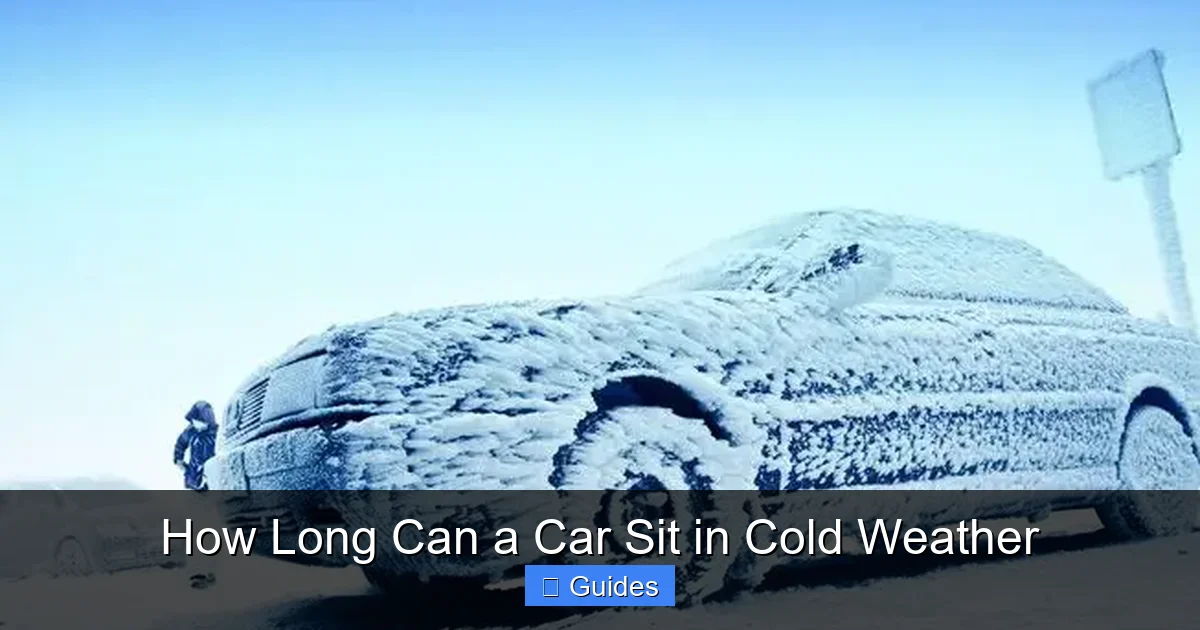
Cold weather isn’t just uncomfortable—it’s tough on vehicles, especially when they’re not being used regularly. When a car sits idle in freezing temperatures, several mechanical and chemical processes slow down or become less efficient. The result? Components degrade faster, fluids thicken, and electrical systems struggle to function.
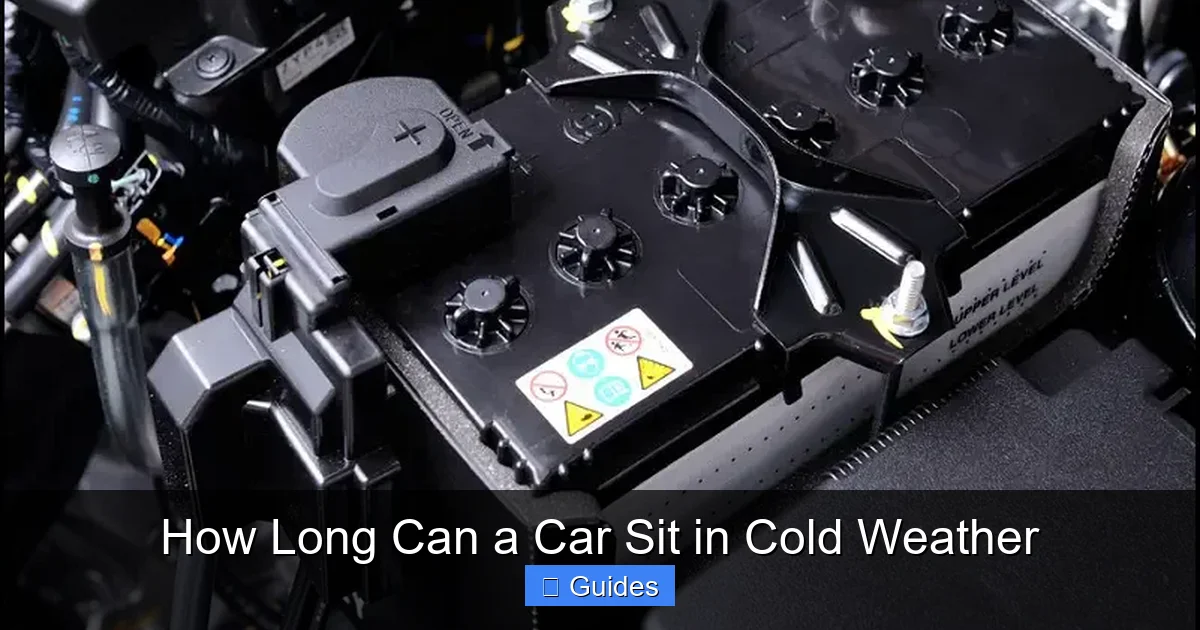
One of the biggest culprits is the battery. Car batteries rely on chemical reactions to produce electricity, and those reactions slow dramatically in the cold. At 32°F (0°C), a battery can lose up to 35% of its cranking power. Drop below 0°F (-18°C), and that number jumps even higher. If your battery is already weak or several years old, it might not have enough juice to start the engine after just a few days of sitting.
Engine oil is another major concern. In cold weather, oil becomes thicker and more viscous. This means it doesn’t flow as easily through the engine, especially during startup. When you finally try to start a car that’s been sitting, the engine has to work harder to pump thick oil, increasing wear on internal parts. Over time, this can lead to reduced engine life and costly repairs.
Fluids like coolant, brake fluid, and windshield washer fluid are also at risk. Coolant can freeze if it’s not the right mixture, potentially cracking the engine block or radiator. Washer fluid freezes easily, and brake fluid can absorb moisture over time, lowering its boiling point and reducing braking performance.
Even tires aren’t safe. When a car sits in one place for too long—especially on cold, hard ground—the weight of the vehicle can cause the tires to develop flat spots. These flat spots create vibrations when you drive and can lead to uneven wear or even tire failure if left unaddressed.
And let’s not forget about moisture. Cold air holds less moisture, but when a car sits, temperature fluctuations can cause condensation to form inside. This leads to damp interiors, foggy windows, and eventually mold or rust—especially in areas like the trunk, under carpets, or around door seals.
All these factors combine to make cold weather a challenging environment for parked cars. The longer a car sits, the more these issues compound. That’s why preparation and regular maintenance are key to keeping your vehicle in good shape, even when it’s not in use.
How Long Can a Car Safely Sit in Cold Weather?
Visual guide about How Long Can a Car Sit in Cold Weather
Image source: autolovins.com
So, how long can a car sit in cold weather before problems start? The answer isn’t one-size-fits-all. It depends on the temperature, storage conditions, and how well the car was prepared before being parked.
In general, a well-maintained car stored in a garage can sit for several weeks—sometimes even a few months—without major issues. But if it’s parked outside in freezing temperatures with no preparation, problems can begin in as little as 3 to 5 days.
Let’s break it down by scenario:
1. Garage-Stored, Well-Prepared Car
If your car is stored in a heated or insulated garage and properly prepared, it can safely sit for 2 to 3 months. Key steps include:
– Using a battery maintainer or trickle charger
– Adding fuel stabilizer to the gas tank
– Inflating tires to the recommended pressure
– Using moisture absorbers inside the cabin
With these precautions, the battery stays charged, fluids remain stable, and moisture is controlled. This is the ideal setup for long-term winter storage.
2. Outdoor Parking, Mild Cold (Above 20°F / -6°C)
If your car is parked outside but temperatures stay above 20°F, it can typically sit for 1 to 2 weeks without major issues—especially if it’s driven briefly every few days. However, even in mild cold, the battery will gradually lose charge, and oil will thicken. After two weeks, starting may become difficult, and components like the alternator and starter will face extra strain.
3. Outdoor Parking, Freezing or Sub-Zero Temperatures
Below 20°F (-6°C), the risks increase significantly. In these conditions, a car can start having problems after just 3 to 7 days. The battery may die, oil may become too thick to circulate, and moisture can freeze in fuel lines or the exhaust system. If temperatures drop below 0°F (-18°C), the risk of frozen coolant or cracked engine components rises—even in modern vehicles.
4. Classic or Vintage Cars
Older cars are especially vulnerable. Many were not designed for long-term storage or extreme cold. Rubber seals harden, fuel systems gum up, and electrical systems degrade faster. For classic cars, it’s best not to let them sit for more than 2 to 4 weeks without starting, even in a garage.
5. Electric Vehicles (EVs)
EVs have different considerations. Their batteries are sensitive to cold, and leaving an EV parked in freezing weather can drain the 12V auxiliary battery or reduce the main battery’s range. Most EVs have thermal management systems, but if the car isn’t plugged in, it can lose charge over time. Experts recommend keeping EVs plugged in when parked for more than a week in cold weather.
In short, the safer and more prepared your car is, the longer it can sit. But as a general rule:
– **1 week**: Safe for most cars, even outdoors, if temperatures aren’t extreme.
– **2 weeks**: Risk increases, especially for older vehicles or those with weak batteries.
– **1 month or more**: Only safe with proper preparation and indoor storage.
If you know your car will be sitting for more than two weeks, it’s worth taking extra steps to protect it.
Preparing Your Car for Cold Weather Storage
Visual guide about How Long Can a Car Sit in Cold Weather
Image source: procarreviews.com
If you know your car will be sitting for a while, proper preparation can make all the difference. A few simple steps can prevent costly repairs and ensure your vehicle starts smoothly when you’re ready to drive again.
1. Charge and Maintain the Battery
Cold weather is brutal on car batteries. To keep yours in good shape:
– Use a battery maintainer or trickle charger. These devices keep the battery at full charge without overcharging.
– If you don’t have a charger, start the car and let it run for 15–20 minutes every 3 to 5 days. This helps recharge the battery and circulate fluids.
– For long-term storage, consider removing the battery and storing it in a warm, dry place.
2. Change the Oil and Filter
Old oil contains contaminants that can corrode engine parts over time. Before storing your car:
– Change the oil and replace the filter. Fresh oil provides better protection and reduces sludge buildup.
– Use a high-quality synthetic oil, which performs better in cold temperatures.
3. Fill the Gas Tank and Add Stabilizer
A full gas tank reduces the amount of air inside, which minimizes condensation and prevents rust in the fuel system. Add a fuel stabilizer (like Sta-Bil) to prevent gasoline from breaking down. Run the engine for a few minutes to circulate the treated fuel through the system.
4. Inflate Tires to Proper Pressure
Underinflated tires are more likely to develop flat spots. Check the tire pressure and inflate to the manufacturer’s recommended level. For long-term storage, consider using tire cradles or jack stands to lift the car off the ground.
5. Protect Against Moisture and Pests
Moisture leads to mold, rust, and electrical issues. To prevent it:
– Place moisture absorbers (like silica gel packs or DampRid) inside the car.
– Crack the windows slightly to allow airflow, but don’t leave them open in snowy or rainy conditions.
– Use steel wool or rodent repellent to block entry points for mice and squirrels, which love to nest in warm engine bays.
6. Use a Car Cover (If Parked Outside)
A breathable, waterproof car cover protects against snow, ice, and UV damage. Avoid plastic covers, which trap moisture and promote rust.
7. Check and Top Off Fluids
Make sure all fluids are at the correct level and in good condition:
– Coolant: Use a 50/50 mix of antifreeze and water. Check the freeze point with a tester.
– Brake fluid: Replace if it’s dark or over two years old.
– Windshield washer fluid: Use a winter formula that won’t freeze.
8. Park Smart
If possible, park in a garage or under a carport. If you must park outside, choose a spot that’s sheltered from wind and snowdrifts. Avoid low-lying areas where water might pool.
Taking these steps takes time, but they’re far cheaper than replacing a dead battery, rebuilding an engine, or dealing with mold damage.
What Happens If You Leave a Car Sitting Too Long?
Even with the best intentions, sometimes life gets in the way—and your car ends up sitting longer than planned. When that happens, several problems can develop, some of which are easy to fix, while others require professional help.
Dead or Weak Battery
This is the most common issue. A car battery can lose its charge in just a few days in cold weather, especially if it’s old or not maintained. Symptoms include:
– Clicking sound when turning the key
– Dim headlights
– Slow cranking
Solution: Jump-start the car or replace the battery. If the battery is more than 3–5 years old, it may need replacing regardless.
Thick or Sludgy Oil
Cold weather thickens oil, and if the car sits for weeks, sludge can build up. This reduces lubrication and increases engine wear.
Solution: Change the oil and filter before driving. Avoid short trips until the oil warms up properly.
Flat-Spotted Tires
When a car sits in one place, the weight causes the tires to flatten where they touch the ground. This creates a bumpy ride and vibrations.
Solution: Drive slowly at first and let the tires warm up. Flat spots often disappear after 5–10 miles of driving. If they persist, the tires may need to be replaced.
Frozen Fluids
Coolant, washer fluid, or even fuel lines can freeze in extreme cold. Frozen coolant can crack the engine block—a very expensive repair.
Solution: Never try to start a car if you suspect fluids are frozen. Let the car warm up slowly in a garage or use a block heater. Replace frozen washer fluid with winter-grade fluid.
Moisture and Mold
Condensation inside the car leads to damp carpets, foggy windows, and musty smells. Over time, this can cause mold growth and rust.
Solution: Use dehumidifiers, clean affected areas with vinegar or mold cleaner, and ensure proper ventilation. In severe cases, professional detailing may be needed.
Fuel System Issues
Gasoline can degrade over time, forming varnish and gum that clog fuel injectors and carburetors.
Solution: Add fuel system cleaner and run the engine. If the car won’t start or runs poorly, a fuel system service may be required.
Stiff or Seized Components
Brake calipers, suspension parts, and even the transmission can stiffen or seize after long periods of inactivity.
Solution: Gently work the brakes and steering before driving. If parts feel stuck, have them inspected by a mechanic.
The longer a car sits, the more likely these issues become. That’s why regular maintenance—even for parked cars—is so important.
Tips for Reviving a Car After Long-Term Cold Storage
So your car has been sitting for a while—maybe a month, maybe longer. Now what? Before you hop in and hit the road, take these steps to ensure it’s safe and ready to drive.
1. Inspect the Exterior and Tires
Walk around the car and check for:
– Flat spots or cracks in the tires
– Signs of animal nests or damage
– Ice or snow buildup
– Leaks under the car
Inflate tires to the correct pressure and look for bulges or wear.
2. Check Fluid Levels
Pop the hood and check:
– Engine oil (look for level and color—dark or milky oil is a bad sign)
– Coolant (ensure it’s full and not frozen)
– Brake fluid, power steering fluid, and windshield washer fluid
Top off as needed, using the correct type of fluid.
3. Test the Battery
If the battery is dead, try jump-starting it. If it won’t hold a charge, replace it. Use a multimeter to check voltage—12.6V or higher is ideal.
4. Turn the Key (Don’t Start Yet)
Turn the key to the “on” position (but don’t start the engine). Listen for the fuel pump priming and check that warning lights come on and then go off. This ensures electrical systems are working.
5. Start the Engine
Crank the engine. It may take a few tries. Let it idle for 5–10 minutes to warm up. Listen for unusual noises like knocking or squealing.
6. Test Brakes and Steering
Before driving, gently press the brake pedal. It should feel firm, not spongy. Turn the steering wheel left and right to ensure it moves smoothly.
7. Take a Short Test Drive
Drive slowly in a safe area. Test acceleration, braking, and steering. Pay attention to vibrations, noises, or warning lights.
8. Schedule a Maintenance Check
If the car has been sitting for more than a month, consider taking it to a mechanic for a full inspection. They can check belts, hoses, suspension, and emissions systems.
With these steps, you’ll reduce the risk of breakdowns and keep your car running smoothly.
Conclusion
So, how long can a car sit in cold weather? The short answer: it depends. A well-prepared car in a garage can sit for months. One left outside in freezing temperatures might start having issues in just a few days. The key is preparation, maintenance, and awareness.
Cold weather puts extra stress on every part of your vehicle—from the battery to the tires to the fluids. But with the right steps, you can protect your car and avoid costly repairs. Charge the battery, change the oil, use fuel stabilizer, and keep moisture out. If you know your car will be sitting for more than two weeks, take the time to prepare it properly.
And if you do find yourself reviving a long-dormant vehicle, go slow. Inspect, test, and drive carefully. A little caution goes a long way.
Remember, your car is more than just a machine—it’s a tool that gets you where you need to go. Treat it well, especially in winter, and it will take care of you for years to come.
Frequently Asked Questions
Can a car sit outside in winter for a month?
Yes, but only if it’s properly prepared. Without a battery maintainer, fuel stabilizer, and protection from moisture, a car parked outside in winter can develop serious issues within weeks.
How often should I start a car in cold weather?
Start the car and let it run for 15–20 minutes every 3 to 5 days. This helps recharge the battery and circulate fluids, reducing the risk of damage.
Will my car battery die if it sits in the cold?
Yes, especially if it’s old or weak. Cold weather slows the chemical reactions in the battery, reducing its ability to hold a charge. A trickle charger can prevent this.
Can engine oil freeze in cold weather?
Oil doesn’t freeze like water, but it becomes very thick and slow to flow. This makes starting the engine harder and increases wear during startup.
How do I prevent flat spots on tires in winter?
Inflate tires to the correct pressure and drive the car briefly every few weeks. For long-term storage, use tire cradles or jack stands to lift the car off the ground.
Is it safe to store a car in an unheated garage?
Yes, as long as it’s dry and protected from moisture. Use a battery maintainer, fuel stabilizer, and moisture absorbers to keep the car in good condition.

At CarLegit, we believe information should be clear, factual, and genuinely helpful. That’s why every guide, review, and update on our website is created with care, research, and a strong focus on user experience.