

Most cars can sit without being started for about 2–4 weeks before issues arise, but this varies based on climate, battery type, and storage conditions. Leaving a car unused for months can lead to dead batteries, flat tires, fuel degradation, and engine problems—but proper preparation can extend its safe idle time significantly.
In This Article
- 1 Key Takeaways
- 2 📑 Table of Contents
- 3 How Long Can a Car Sit Without Being Started?
- 4 What Happens When a Car Sits Idle?
- 5 How Long Can Different Types of Cars Sit?
- 6 How to Prepare a Car for Long-Term Storage
- 7 What to Do When You Return to a Stored Car
- 8 When to Call a Mechanic
- 9 Conclusion
- 10 Frequently Asked Questions
- 10.1 Can a car sit for a year without being started?
- 10.2 Will my car start after sitting for 3 months?
- 10.3 Should I disconnect the battery if the car won’t be used?
- 10.4 Can I just start the car and let it idle instead of driving?
- 10.5 Do electric cars need special care when not driven?
- 10.6 How often should I start a car in storage?
Key Takeaways
- Battery life typically lasts 2–4 weeks: A standard car battery will lose charge over time and may not start after sitting idle for more than a month without a trickle charger.
- Fuel degrades in 3–6 months: Gasoline begins to break down and form gums that can clog fuel lines and injectors if the car isn’t driven regularly.
- Tires can develop flat spots in 1–2 months: Stationary tires lose air pressure and may develop permanent flat spots from prolonged weight pressure.
- Fluids break down and attract moisture: Engine oil, coolant, and brake fluid absorb moisture and lose effectiveness when not circulated.
- Rodents and pests love idle cars: Unused vehicles become cozy homes for mice and insects, which can chew wires and nest in engines.
- Proper storage doubles safe idle time: Using a battery maintainer, fuel stabilizer, and covering the car can extend safe storage to 6+ months.
- Short drives aren’t enough—drive at least 20–30 minutes: Quick trips don’t fully recharge the battery or circulate fluids; longer drives are essential for maintenance.
📑 Table of Contents
How Long Can a Car Sit Without Being Started?
So, you’ve got a car sitting in the driveway, garage, or storage unit. Maybe you’re traveling, working remotely, or just not driving much these days. You’re probably wondering: how long can a car sit without being started before it starts to cause problems?
The short answer? It depends. But generally, most cars can sit idle for about 2 to 4 weeks without major issues—assuming the battery is healthy and the car is in decent condition. After that, things start to go downhill. Batteries die, tires lose air, fuel breaks down, and critters move in. But with the right preparation, you can safely store a car for several months—even up to a year—without serious damage.
In this guide, we’ll walk you through exactly how long a car can sit without being started, what happens during that time, and how to protect your vehicle if you know it’ll be sitting for a while. Whether you’re storing a classic car, waiting for a new driver to get their license, or just taking a long break from driving, this guide will help you keep your car ready to roll when you need it.
What Happens When a Car Sits Idle?
Visual guide about How Long Can a Car Sit Without Being Started
Image source: m.media-amazon.com
When a car isn’t driven, it might look peaceful—just sitting there, silent and still. But under the hood, a lot of things are quietly deteriorating. Modern cars are complex machines designed to be used regularly. When they sit unused, several systems begin to degrade due to lack of use, environmental exposure, and natural chemical breakdowns.
Let’s break down what happens over time when a car sits without being started.
Battery Drain and Failure
The most common issue with idle cars is a dead battery. Car batteries aren’t meant to sit unused for long. Even when the car is off, small electrical systems—like the clock, alarm, or onboard computers—draw a tiny amount of power, known as a “parasitic drain.” Over time, this slowly drains the battery.
A fully charged battery in good condition might last 3–4 weeks before it’s too weak to start the engine. But if the battery is older (3+ years), it could die in as little as 10–14 days. Cold weather accelerates this process, as batteries lose capacity in freezing temperatures.
For example, if you leave your car in a snowy garage over winter without starting it, the battery could be completely dead by spring—even if it was fine when you parked it.
Fuel System Degradation
Gasoline isn’t meant to sit forever. Over time, it begins to oxidize and evaporate, losing its combustibility. Most gasoline starts to degrade after about 3 months. After 6 months, it can form gums and varnishes that clog fuel lines, injectors, and carburetors.
Diesel fuel lasts a bit longer—up to 6–12 months—but it’s also prone to microbial growth (“diesel bug”) in humid conditions. Ethanol-blended fuels (like E10) absorb moisture from the air, which can lead to phase separation—where water and ethanol separate from the gasoline, causing engine damage.
If you try to start a car with old fuel, it might sputter, stall, or not start at all. In severe cases, you’ll need to drain the tank and refill it with fresh fuel.
Tire Flat Spots and Air Loss
Tires lose air naturally over time—about 1–2 PSI per month—even without use. But when a car sits in one spot for weeks or months, the weight of the vehicle presses down on the same section of the tire, creating flat spots.
These flat spots can cause vibrations when you first drive the car, and in extreme cases, they can become permanent. This is especially common in cold weather, when rubber becomes less flexible.
For example, a classic car stored in a garage over winter might develop noticeable flat spots by spring, requiring tire rotation or even replacement.
Fluid Breakdown and Moisture Buildup
Fluids like engine oil, coolant, brake fluid, and transmission fluid don’t last forever—even when not used. Over time, they absorb moisture from the air, which can lead to corrosion and reduced performance.
Engine oil, for instance, can start to sludge after 6–12 months of sitting. Coolant can lose its antifreeze properties and become acidic. Brake fluid is hygroscopic, meaning it absorbs water, which lowers its boiling point and can cause brake failure.
When fluids aren’t circulated, contaminants settle, and seals can dry out. This increases the risk of leaks and internal damage when the car is finally started.
Pest Infestation
One of the creepiest things about idle cars? They become prime real estate for rodents and insects. Mice, rats, and squirrels love the warmth and shelter of a quiet engine bay or cabin. They chew through wires, build nests in air filters, and leave droppings everywhere.
I’ve heard horror stories of people finding entire families of mice living in the glove compartment or under the hood. Chewed wiring can cost hundreds—or even thousands—to repair.
Even insects like spiders and wasps can build nests in exhaust pipes or air intakes, causing blockages or damage.
Paint and Interior Damage
If your car is parked outside, exposure to sun, rain, snow, and dirt can take a toll. UV rays fade paint and crack dashboards. Bird droppings and tree sap can etch into the finish if not cleaned promptly.
Moisture can also seep into the cabin, leading to mold, mildew, and musty odors—especially in humid climates.
How Long Can Different Types of Cars Sit?

Visual guide about How Long Can a Car Sit Without Being Started
Image source: m.media-amazon.com
Not all cars are created equal when it comes to idle time. The type of vehicle, its age, and how it’s stored all affect how long it can sit without being started.
Modern Daily Drivers (2010–Present)
Most modern cars are built with efficiency and reliability in mind. They have advanced electronics, sealed systems, and better materials. But they’re also more sensitive to inactivity.
A modern sedan or SUV can typically sit for 2–4 weeks without major issues. After that, the battery is at risk. If you use a trickle charger or battery maintainer, you can extend this to 2–3 months.
However, if the car has a start-stop system or high-tech infotainment, it may have higher parasitic drain, shortening the safe idle time.
Older or Classic Cars (Pre-2000)
Older cars often have simpler electrical systems and mechanical fuel pumps, which can be more forgiving. But they also lack modern corrosion protection and may have older batteries and fluids.
A well-maintained classic car might last 3–6 months if stored properly—especially if it’s in a garage and has been prepared for storage. But without preparation, even older cars can suffer from fuel gumming, rust, and flat tires.
Electric Vehicles (EVs)
EVs are a different story. They don’t have engines or fuel systems, but they do have large battery packs that slowly lose charge over time.
Most EVs can sit for 2–3 months without being driven, but their 12-volt auxiliary batteries (which power lights, locks, and computers) can die in as little as 3–4 weeks—just like in gas cars.
Tesla, for example, recommends charging the car to 50% and enabling “Storage Mode” if it will be unused for more than a month. This helps preserve the main battery and prevents the 12V battery from draining.
Motorcycles and Small Vehicles
Motorcycles, scooters, and ATVs have smaller batteries and less robust systems. They typically can’t sit as long as cars—often only 2–3 weeks before the battery dies.
Fuel degradation is also a bigger issue due to smaller fuel tanks and less circulation. Many riders use fuel stabilizers and battery tenders during winter storage.
How to Prepare a Car for Long-Term Storage
Visual guide about How Long Can a Car Sit Without Being Started
Image source: cdn.compassselfstorage.com
If you know your car will be sitting for more than a few weeks, it’s worth taking steps to protect it. Proper preparation can extend safe storage from weeks to months—or even a year.
Charge and Maintain the Battery
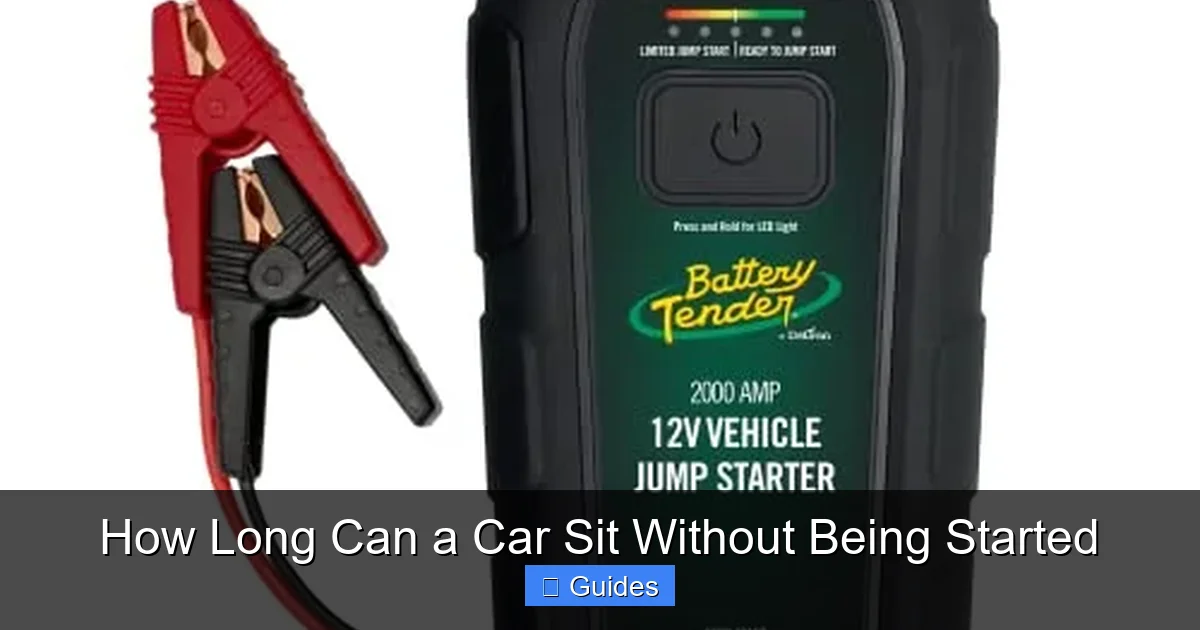
The easiest way to prevent battery failure is to use a battery maintainer (also called a trickle charger or smart charger). These devices plug into a wall outlet and keep the battery at full charge without overcharging it.
Simply connect the maintainer to the battery terminals and plug it in. It will automatically monitor and recharge the battery as needed. This is the single best investment for long-term storage.
Alternatively, you can disconnect the battery entirely—remove the negative terminal to cut off all power drain. Just remember that this may reset your radio presets, clock, and onboard computer settings.
Use Fuel Stabilizer
Add a fuel stabilizer to the gas tank before storage. These additives slow down fuel oxidation and prevent gum formation.
Fill the tank to about 90% full to minimize air space (which allows moisture to condense), then add the recommended amount of stabilizer and run the engine for 5–10 minutes to circulate it through the system.
For long-term storage (6+ months), consider draining the fuel system entirely—especially in carbureted engines.
Inflate Tires and Use Tire Cradles
Inflate your tires to the maximum recommended pressure (found on the door jamb sticker). This helps prevent flat spots.
For extra protection, use tire cradles or jack up the car so the tires aren’t touching the ground. This eliminates weight pressure entirely.
If you can’t lift the car, move it slightly every few weeks to shift the contact point.
Change the Oil and Fluids
Old oil contains acids and contaminants that can corrode engine parts over time. Change the oil and filter before storage to ensure clean, fresh lubrication.
Top off coolant, brake fluid, and transmission fluid. Consider using a fuel stabilizer and adding a moisture absorber to the cabin (like silica gel packs) to reduce humidity.
Protect Against Pests
Seal any openings where pests could enter—like exhaust pipes, air intakes, and cabin vents. Use steel wool or mesh to block gaps.
Place mothballs or rodent repellent (like ultrasonic devices or peppermint oil-soaked cotton balls) in the engine bay and cabin. Avoid poison, as dead animals can cause odors and damage.
Cover the Car
Use a breathable car cover to protect the paint from dust, moisture, and UV rays. Avoid plastic covers, which can trap moisture and cause mold.
Store the car in a dry, climate-controlled garage if possible. If outdoors, choose a shaded, level spot and use a high-quality cover.
Start and Drive Occasionally
If you can, start the car every 2–3 weeks and let it run for 15–20 minutes. This helps recharge the battery and circulate fluids.
But don’t just let it idle—drive it for at least 20–30 minutes to reach operating temperature and fully recharge the battery.
What to Do When You Return to a Stored Car
After your car has been sitting, don’t just hop in and drive. Take a few minutes to inspect and prepare it for safe operation.
Check the Battery
Look for corrosion on the terminals. If the battery is dead, try jump-starting it or use a portable charger. If it won’t hold a charge, replace it.
Inspect Tires
Check tire pressure and look for cracks, bulges, or flat spots. Inflate to the correct PSI and test drive slowly to see if vibrations occur.
Test the Fuel System
Smell the fuel—if it smells sour or like varnish, it’s likely degraded. Consider draining the tank or adding fresh fuel with stabilizer.
Check Fluids
Look at oil, coolant, and brake fluid levels and condition. Top off or replace as needed.
Look for Pests
Open the hood and check for nests, droppings, or chewed wires. Clean thoroughly if you find signs of infestation.
Start Slowly
Turn the key to “on” (but don’t start) and wait 10–15 seconds to let the fuel pump prime. Then start the engine and let it idle for a few minutes.
Listen for unusual noises. If the engine struggles or stalls, there may be a fuel or electrical issue.
When to Call a Mechanic
Sometimes, despite your best efforts, a stored car develops serious problems. Here’s when to seek professional help:
– The engine won’t start after multiple jump attempts
– You smell fuel or see leaks
– There’s visible corrosion or rodent damage
– The car vibrates or pulls to one side when driven
– Warning lights stay on after startup
A mechanic can diagnose issues like clogged fuel injectors, seized components, or electrical faults that aren’t obvious to the average driver.
Conclusion
So, how long can a car sit without being started? The answer isn’t one-size-fits-all, but with proper care, most cars can safely sit for 2–4 weeks—and up to 6 months or more with preparation.
The key is understanding what happens during idle time: batteries drain, fuel degrades, tires flatten, and pests move in. But by using a battery maintainer, fuel stabilizer, and good storage practices, you can protect your vehicle and avoid costly repairs.
Whether you’re storing a daily driver, a classic car, or an EV, a little effort goes a long way. Take the time to prepare your car before long absences, and it’ll be ready to hit the road when you are.
Remember: a car is meant to be driven. But when it must sit, treat it right—and it’ll reward you with reliability and peace of mind.
Frequently Asked Questions
Can a car sit for a year without being started?
Yes, but only with proper preparation. Using a battery maintainer, fuel stabilizer, and pest prevention can allow safe storage for up to a year. Without preparation, serious damage is likely.
Will my car start after sitting for 3 months?
It might, but there’s a good chance the battery is dead and the fuel is degraded. Jump-starting and adding fresh fuel may help, but you should inspect fluids and tires first.
Should I disconnect the battery if the car won’t be used?
Yes, disconnecting the negative terminal can prevent parasitic drain. However, using a smart battery maintainer is often more convenient and effective.
Can I just start the car and let it idle instead of driving?
No—idling doesn’t fully recharge the battery or circulate fluids. You need to drive for at least 20–30 minutes to properly maintain the vehicle.
Do electric cars need special care when not driven?
Yes. EVs should be charged to 50% and stored in “Storage Mode” if unused for more than a month. Their 12V batteries can still die like in gas cars.
How often should I start a car in storage?
Every 2–3 weeks is ideal. Start it, let it run for 15 minutes, and ideally drive it for 20–30 minutes to fully recharge and circulate fluids.

At CarLegit, we believe information should be clear, factual, and genuinely helpful. That’s why every guide, review, and update on our website is created with care, research, and a strong focus on user experience.