
Flowers can last anywhere from a few hours to a full day in a car, depending on temperature, ventilation, and flower type. Extreme heat or cold can quickly wilt petals, so timing, preparation, and smart storage are key to preserving their beauty.
In This Article
- 1 Key Takeaways
- 2 📑 Table of Contents
- 3 How Long Can Flowers Last in a Car?
- 4 Why Temperature Is the Biggest Enemy
- 5 How Long Can Different Flowers Last in a Car?
- 6 Best Practices for Transporting Flowers in a Car
- 7 Common Mistakes to Avoid
- 8 Special Situations: Weddings, Events, and Gifts
- 9 How to Revive Wilted Flowers
- 10 Conclusion
- 11 Frequently Asked Questions
- 11.1 Can I leave flowers in the car overnight?
- 11.2 What’s the safest way to transport a wedding bouquet?
- 11.3 Do I need to put flowers in water during a short car ride?
- 11.4 Can I use a cooler to keep flowers fresh in the car?
- 11.5 Why do my flowers wilt so fast in the car?
- 11.6 Are there flowers that can survive a full day in the car?
Key Takeaways
- Temperature is the #1 factor: High heat speeds up decay, while freezing temps damage cell structure—aim for moderate conditions.
- Duration matters: Most cut flowers last 4–8 hours in a car under mild conditions, but avoid leaving them overnight.
- Ventilation helps: Crack windows slightly to reduce humidity and prevent mold, especially in warm weather.
- Use water and hydration tools: Keep stems in water or use floral foam and hydration packs to maintain freshness.
- Choose hardy flower types: Roses, carnations, and chrysanthemums tolerate car conditions better than delicate blooms like peonies or hydrangeas.
- Avoid direct sunlight: Park in shade or use sunshades to protect flowers from UV exposure and overheating.
- Plan your route: Minimize travel time and avoid peak heat hours (10 a.m. to 4 p.m.) when transporting flowers.
📑 Table of Contents
How Long Can Flowers Last in a Car?
So, you’ve just picked up a beautiful bouquet—maybe it’s for a birthday, anniversary, or just because you wanted to brighten your day. But now you’re wondering: how long can flowers last in a car? It’s a common question, especially if you’re running errands, heading to an event, or simply forgot they were in the back seat.
The truth is, flowers are living things—even after they’re cut. They continue to breathe, absorb water, and respond to their environment. That means the conditions inside your car can make or break their lifespan. On a cool, mild day, your blooms might stay fresh for several hours. But on a hot summer afternoon, even 30 minutes can spell disaster.
Understanding how long flowers can last in a car isn’t just about convenience—it’s about preserving beauty, sentiment, and value. Whether you’re transporting a wedding bouquet, a gift for a loved one, or your own floral arrangement, knowing the dos and don’ts can save you from disappointment. In this guide, we’ll explore the factors that affect flower longevity in vehicles, share practical tips to extend their life, and help you avoid common mistakes.
Why Temperature Is the Biggest Enemy
Visual guide about How Long Can Flowers Last in a Car
Image source: plantscraze.com
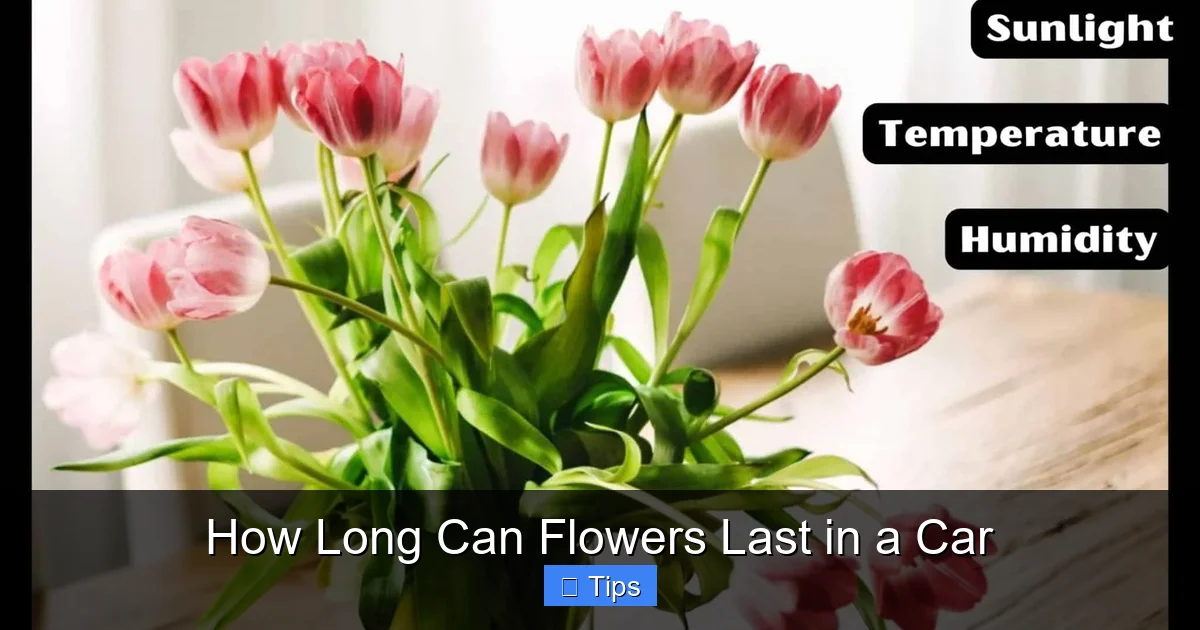
When it comes to keeping flowers fresh in a car, temperature is the most critical factor. Flowers thrive in cool, stable environments—ideally between 33°F and 38°F (0.5°C to 3.3°C), which is why florists store them in refrigerated units. But your car? It’s anything but stable.
On a sunny day, even with the windows up, the interior of a parked car can reach temperatures over 120°F (49°C) within an hour. That’s hotter than a summer day in the desert. Heat accelerates the aging process in flowers by increasing respiration rates. In simple terms, the hotter it gets, the faster the flowers “burn through” their energy reserves.
How Heat Damages Flowers
High temperatures cause several problems:
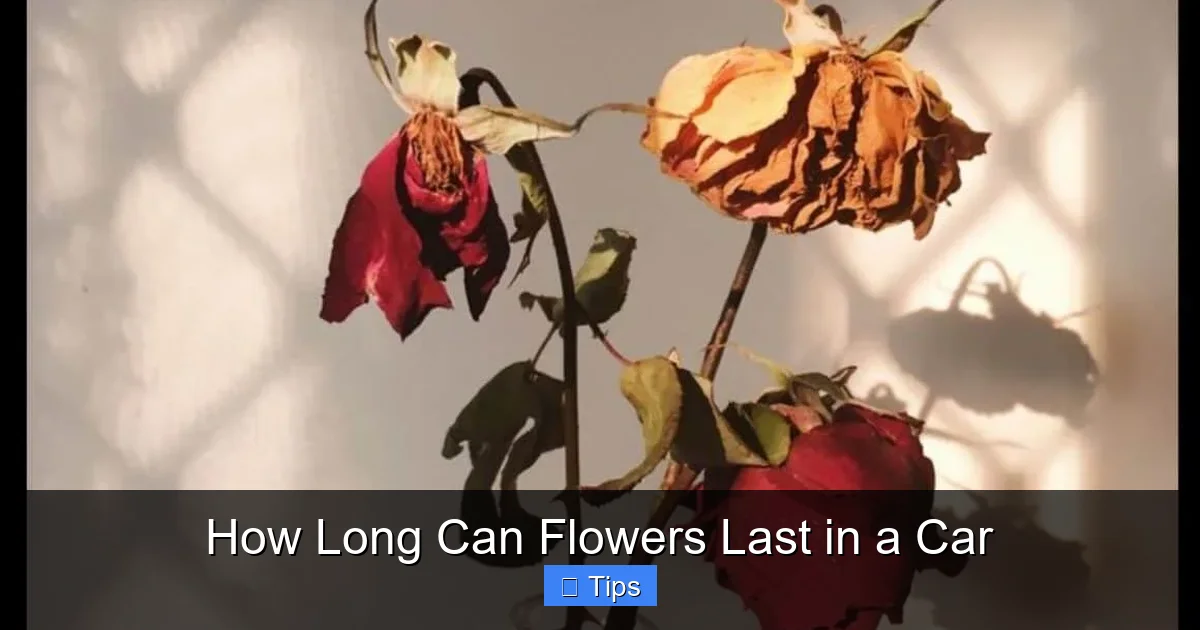
– Wilting: Petals lose turgor pressure (the water pressure that keeps them firm), leading to drooping and limpness.
– Premature blooming: Some flowers, like tulips, continue to grow after cutting. Heat speeds this up, causing them to open too quickly and die sooner.
– Bacterial growth: Warm, moist environments encourage bacteria in the water, which clogs stems and reduces water uptake.
– Ethylene sensitivity: Many flowers are sensitive to ethylene gas, which is released by ripening fruit and increases in hot cars. Ethylene triggers aging and petal drop.
For example, imagine leaving a bouquet of lilies in a car on a 90°F (32°C) day. Within two hours, you might notice the tips of the petals turning brown and the stems becoming slimy. That’s heat stress in action.
The Cold Factor
But it’s not just heat you need to worry about. Cold temperatures can be just as damaging. If you’re driving in winter and leave flowers in a car overnight, freezing temps can cause ice crystals to form inside the plant cells. This ruptures cell walls, leading to mushy, discolored petals.
Delicate flowers like orchids, freesias, and ranunculus are especially vulnerable to cold shock. Even a few hours in a freezing car can ruin them. So whether it’s summer or winter, extreme temperatures are a threat.
How Long Can Different Flowers Last in a Car?
Visual guide about How Long Can Flowers Last in a Car
Image source: plantscraze.com
Not all flowers are created equal when it comes to durability. Some are naturally hardier and can withstand the stress of car travel better than others. Here’s a breakdown of how long common flower types might last under average conditions (mild weather, moderate sun exposure, and proper hydration):
Roses (4–8 hours)
Roses are among the most resilient cut flowers. Their thick petals and sturdy stems help them resist wilting. In a car with the windows slightly open and parked in shade, roses can last up to 8 hours. However, if left in direct sunlight on a hot day, they may start to droop within 2–3 hours.
Tip: Keep roses in their original wrapping or a water tube to protect the blooms and maintain hydration.
Carnations (6–10 hours)
Carnations are known for their long vase life—often lasting over two weeks with proper care. This durability translates well to car travel. They can handle moderate heat and don’t wilt easily. In fact, some florists use carnations in corsages because they hold up so well.
Example: A bouquet of red carnations left in a car during a 70°F (21°C) afternoon with light sun exposure might still look fresh after 8 hours.
Chrysanthemums (5–9 hours)
Chrysanthemums have thick, waxy petals that resist moisture loss. They’re also less sensitive to ethylene, making them a good choice for car transport. However, they can still suffer in extreme heat, especially if the water source dries up.
Lilies (3–6 hours)
Lilies are stunning but delicate. Their large, soft petals are prone to bruising and browning in heat. Stargazer lilies, in particular, emit a strong fragrance that can attract ethylene-producing bacteria. In a hot car, lilies may show signs of stress within a few hours.
Hydrangeas (1–4 hours)
Hydrangeas are the most fragile on this list. They require constant moisture and wilt quickly when dehydrated. Even in mild conditions, a hydrangea left in a car for more than a few hours will likely start to droop. Their large, water-filled blooms are like sponges—they dry out fast.
Pro tip: If you must transport hydrangeas, wrap the stems in a damp paper towel and place them in a sealed plastic bag to retain moisture.
Sunflowers (4–7 hours)
Sunflowers are tough and cheerful, with thick stems and sturdy petals. They can handle a bit of heat, but their large heads can make them top-heavy. If not secured, they may tip over and damage the blooms.
Best Practices for Transporting Flowers in a Car
Visual guide about How Long Can Flowers Last in a Car
Image source: scienceinfo.net
Now that you know how temperature and flower type affect longevity, let’s talk about how to maximize freshness during car travel. With a few smart strategies, you can significantly extend how long flowers last in a car.
Keep Them Hydrated
Water is life—especially for cut flowers. Always keep stems in water during transport. If the bouquet came with a water tube or floral foam, use it. If not, place the stems in a cup or bottle filled with clean water.
For longer trips, consider using a portable flower hydration kit. These small, reusable packs attach to the stems and slowly release water. They’re available online or at florist supply stores.
Example: A simple mason jar filled with water and placed in the footwell can keep a bouquet fresh for hours. Just make sure it’s secure so it doesn’t spill.
Control the Environment
Try to maintain a cool, stable environment inside the car:
– Park in the shade: Use parking garages, tree cover, or shaded spots to avoid direct sunlight.
– Use a sunshade: A reflective windshield cover can reduce interior heat by up to 40°F (4°C).
– Crack the windows: Slight ventilation helps reduce humidity and prevents mold, especially in warm weather.
– Use the AC: If you’re driving, keep the air conditioning on a low setting to cool the cabin.
Avoid leaving flowers in a parked car for extended periods. Even with precautions, the interior can heat up quickly.
Protect the Blooms
Physical protection matters too:
– Use the original wrapping: Florist paper or cellophane helps shield petals from wind and friction.
– Secure the bouquet: Place it in the footwell or on a seat with a seatbelt to prevent tipping.
– Avoid crushing: Don’t stack heavy items on top of the flowers.
If you’re transporting a large arrangement, consider using a flower box or a dedicated floral carrier.
Time It Right
Plan your trip to minimize exposure:
– Avoid peak heat: Don’t leave flowers in the car between 10 a.m. and 4 p.m. in summer.
– Run errands first: Pick up the flowers last, so they spend the least time in the car.
– Use a cooler: For long trips, place the bouquet in a cooler with ice packs (not direct ice, which can freeze stems).
Common Mistakes to Avoid
Even with the best intentions, it’s easy to make mistakes that shorten a flower’s life in a car. Here are some common pitfalls:
Leaving Flowers Overnight
This is the #1 mistake. Never leave flowers in a car overnight. Temperatures can swing wildly, and without ventilation or hydration, blooms will deteriorate rapidly. Even in mild climates, condensation and pests (like ants or bees) can become issues.
Ignoring the Weather Forecast
Check the weather before transporting flowers. A sudden heatwave or cold snap can ruin even the hardiest blooms. If it’s going to be unusually hot or cold, reschedule your trip or find an alternative.
Using Hot or Cold Air Directly
Blasting the AC or heater directly on flowers can cause thermal shock. Cold air can freeze delicate petals, while hot air can dry them out. Instead, aim vents away from the bouquet and use indirect airflow.
Forgetting to Trim Stems
Before placing flowers in the car, trim 1–2 inches off the stems at a 45-degree angle. This opens up the water vessels and improves hydration. Do this just before transport, not hours in advance.
Overcrowding the Car
Packing too many items around the bouquet can crush petals or block airflow. Give the flowers space to “breathe.”
Special Situations: Weddings, Events, and Gifts
Transporting flowers isn’t just about personal use—it’s often part of a bigger event. Here’s how to handle special cases:
Wedding Bouquets
Bridal bouquets are often delicate and sentimental. If you’re driving to a wedding venue, keep the bouquet in a cool, shaded area of the car. Use a bridal bouquet holder or place it in a box with damp paper towels. Avoid placing it on the dashboard or in direct sunlight.
Many brides choose hardy flowers like roses, peonies (with extra care), or calla lilies for this reason.
Funeral Flowers
Sympathy arrangements are often large and heavy. Transport them in a flower van or SUV with ample space. Keep them upright and secure. If using a personal car, place them in the back seat or trunk with padding.
Gift Deliveries
If you’re delivering flowers to someone’s home, time your arrival carefully. Don’t leave the bouquet in the car while you shop or run errands. If you must wait, park in shade and keep the AC on.
How to Revive Wilted Flowers
Even with the best care, flowers may still wilt in the car. Don’t panic—there’s often a way to revive them.
Rehydrate Immediately
As soon as you remove the flowers from the car, place the stems in lukewarm water. Add floral preservative if available. Let them sit for 1–2 hours.
Trim and Refresh
Trim the stems again under running water to remove any air bubbles or bacteria. This helps restore water uptake.
Use the “Boiling Water” Trick for Woody Stems
For flowers like hydrangeas or lilacs, dip the cut ends in boiling water for 30 seconds, then place in cold water. This clears blockages and encourages hydration.
Cool Them Down
Place the bouquet in a cool, dark place (like a basement or refrigerator) for a few hours. This slows respiration and helps the flowers recover.
Conclusion
So, how long can flowers last in a car? The answer depends on many factors—temperature, flower type, hydration, and timing. Under ideal conditions, most cut flowers can survive 4 to 8 hours in a car. But in extreme heat or cold, that time drops dramatically.
The key is preparation. Keep flowers hydrated, protect them from direct sunlight, and avoid leaving them in a parked car for long periods. Choose hardy varieties when possible, and always plan your route to minimize exposure.
Remember, flowers are more than just decorations—they’re expressions of love, celebration, and remembrance. A little extra care goes a long way in preserving their beauty and meaning. Whether you’re driving to a wedding, delivering a gift, or simply bringing joy home, these tips will help your blooms arrive fresh, vibrant, and full of life.
With the right knowledge and a few simple tools, you can confidently transport flowers in your car—without worrying about wilted petals or brown edges. So the next time you pick up a bouquet, you’ll know exactly how to keep it looking its best, from the shop to your home.
Frequently Asked Questions
Can I leave flowers in the car overnight?
No, it’s not recommended. Temperatures can drop or rise drastically overnight, and without hydration or airflow, flowers will wilt quickly. Even in mild climates, condensation and pests can damage the blooms.
What’s the safest way to transport a wedding bouquet?
Keep the bouquet in a cool, shaded area of the car, preferably in a bridal bouquet holder or a box with damp paper towels. Avoid direct sunlight and secure it so it doesn’t tip over during the drive.
Do I need to put flowers in water during a short car ride?
Yes, even for short trips. Keeping stems in water prevents dehydration and helps maintain freshness. Use a water tube, cup, or hydration pack to keep them hydrated.
Can I use a cooler to keep flowers fresh in the car?
Yes, a cooler with ice packs (not direct ice) can help maintain a cool temperature. Just make sure the flowers aren’t sitting in water, and avoid freezing the stems.
Why do my flowers wilt so fast in the car?
Heat is the most common cause. High temperatures speed up respiration and dehydration. Lack of water, direct sunlight, and poor ventilation also contribute to rapid wilting.
Are there flowers that can survive a full day in the car?
Hardy flowers like carnations and chrysanthemums may last up to 10 hours under ideal conditions, but it’s still risky. For safety, avoid leaving any flowers in the car for more than 8 hours.

At CarLegit, we believe information should be clear, factual, and genuinely helpful. That’s why every guide, review, and update on our website is created with care, research, and a strong focus on user experience.