
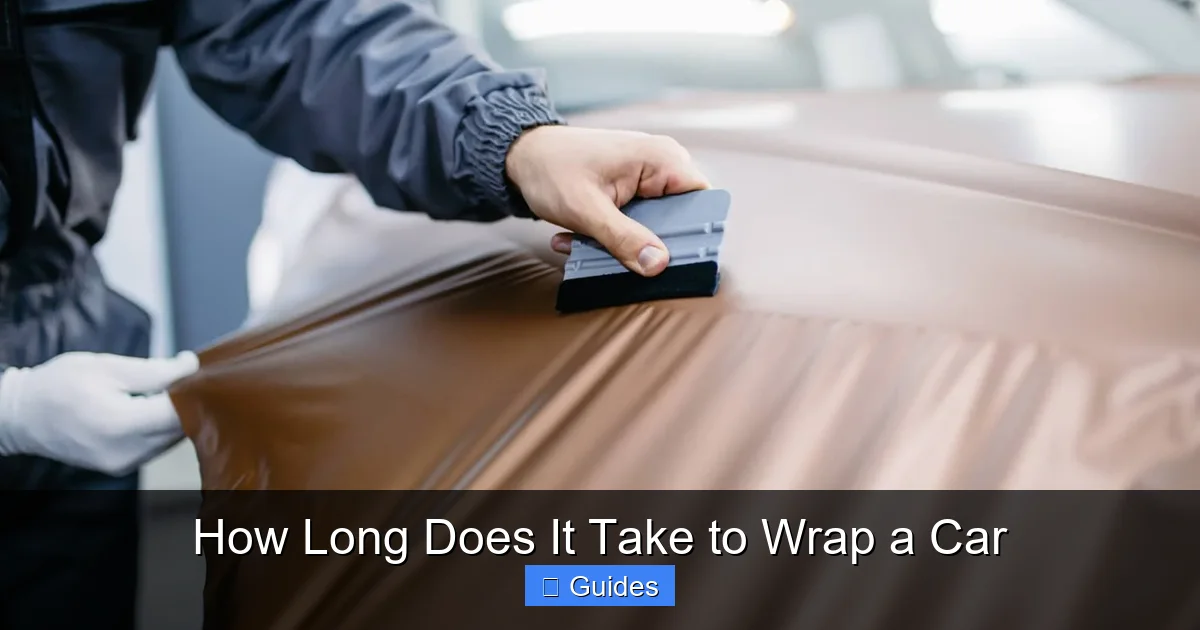
Wrapping a car typically takes between 3 to 7 days, depending on vehicle size, wrap complexity, and shop workload. While simple color changes may finish faster, custom designs or full wraps with intricate details require more time and precision.
In This Article
- 1 Key Takeaways
- 2 📑 Table of Contents
- 3 How Long Does It Take to Wrap a Car? A Complete Guide
- 4 Understanding the Car Wrap Process
- 5 Factors That Influence Wrap Timing
- 6 Average Timelines for Different Scenarios
- 7 DIY vs. Professional Installation: Time and Quality Trade-Offs
- 8 Tips to Speed Up the Wrap Process
- 9 What to Expect After the Wrap
- 10 Conclusion
- 11 Frequently Asked Questions
- 11.1 Can a car wrap be done in one day?
- 11.2 Does weather affect how long a wrap takes?
- 11.3 Why does my wrap shop say it will take a week?
- 11.4 Can I drive my car immediately after the wrap is applied?
- 11.5 Do I need to remove parts like mirrors or door handles?
- 11.6 Is it cheaper to wrap or repaint a car?
Key Takeaways
- Standard car wraps take 3–5 business days: Most full wraps on sedans or compact SUVs fall within this range when handled by experienced professionals.
- Vehicle size and type matter: Larger vehicles like trucks, vans, or SUVs can take 5–7 days due to increased surface area and complex curves.
- Design complexity affects timing: Custom graphics, multi-color patterns, or partial wraps with precise alignment add hours—or even days—to the process.
- Preparation is key: Proper cleaning, paint correction, and panel removal ensure a smooth application and prevent delays from rework.
- Professional vs. DIY makes a big difference: A skilled installer works faster and more accurately than a beginner, reducing the risk of bubbles, wrinkles, or misalignment.
- Weather and shop conditions influence results: Ideal temperature, humidity, and dust-free environments help speed up drying and adhesion without compromising quality.
- Post-wrap curing time is essential: Even after installation, vinyl needs 24–48 hours to fully bond before washing or waxing.
📑 Table of Contents
- How Long Does It Take to Wrap a Car? A Complete Guide
- Understanding the Car Wrap Process
- Factors That Influence Wrap Timing
- Average Timelines for Different Scenarios
- DIY vs. Professional Installation: Time and Quality Trade-Offs
- Tips to Speed Up the Wrap Process
- What to Expect After the Wrap
- Conclusion
How Long Does It Take to Wrap a Car? A Complete Guide
So you’ve decided to give your car a fresh new look—maybe you’re tired of that old paint job, or you want to promote your business with a bold wrap design. Whatever your reason, one of the first questions people ask is: *How long does it take to wrap a car?*
The short answer? Most professional car wraps take between **3 to 7 business days** to complete. But that’s just the surface. The real timeline depends on several factors—from the type of vehicle and the complexity of the design to the expertise of the installer and even the weather conditions in the shop. Unlike a quick car wash or wax, wrapping a car is a meticulous process that requires patience, precision, and proper preparation. Rushing it can lead to bubbles, peeling, or misaligned graphics that ruin the entire look.
In this guide, we’ll walk you through everything you need to know about car wrap timelines. Whether you’re wrapping a compact hatchback for a personal upgrade or a fleet of delivery vans for branding, understanding the process will help you set realistic expectations and avoid common pitfalls. We’ll break down each stage—from prep to post-install care—and share insider tips to ensure your wrap looks flawless and lasts for years.
Understanding the Car Wrap Process
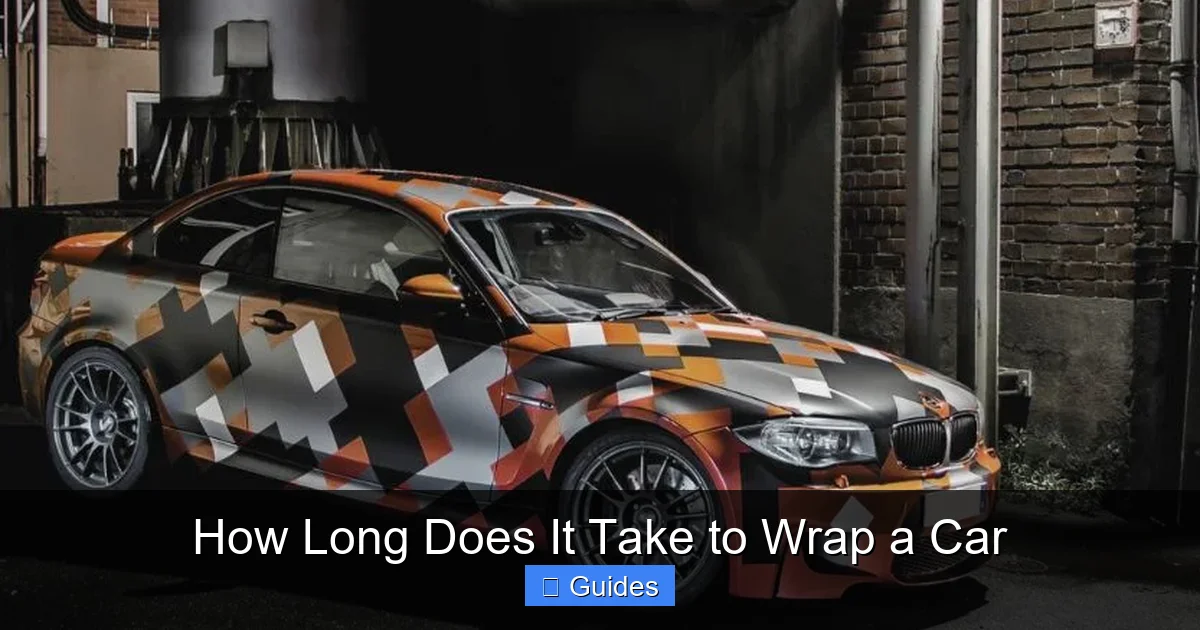
Visual guide about How Long Does It Take to Wrap a Car
Image source: roadsumo.com
Before diving into timelines, it’s important to understand what actually goes into wrapping a car. A car wrap isn’t just slapping on a sticker—it’s a multi-step transformation that involves careful planning, surface prep, and skilled application.
Step 1: Consultation and Design
The journey begins long before the vinyl touches your car. Most reputable wrap shops start with a consultation. You’ll discuss your goals—whether it’s a full color change, a custom graphic, or a partial wrap for accents like hoods or mirrors. If you’re going custom, the designer will create a digital mockup, which can take a few hours to a full day depending on revisions.
For example, a simple matte black wrap on a sedan might only need a basic template, but a full-wrap race car design with flames, logos, and sponsor decals could require several design iterations. This phase is crucial—getting the design right upfront prevents costly changes later.
Step 2: Vehicle Preparation
Once the design is approved, the real work begins. The car must be thoroughly cleaned—inside and out. Any dirt, grease, or wax residue can prevent the vinyl from adhering properly. Most shops use a clay bar treatment to remove embedded contaminants, followed by a deep wash and alcohol wipe-down.
Next, panels may be removed—like door handles, mirrors, trim pieces, and sometimes even bumpers. This allows for cleaner edges and a more seamless wrap. Reassembly happens after the wrap is applied, so this step adds time but significantly improves the final result.
Step 3: Vinyl Application
This is where the magic happens. The installer carefully applies the vinyl using heat guns, squeegees, and precision tools. They stretch, mold, and tuck the material around curves, edges, and complex contours. For full wraps, this can take several hours per panel.
Complex areas like wheel wells, grilles, and door jambs require extra attention. A skilled installer knows how to avoid wrinkles and air bubbles, but even small mistakes can add time if they need to be corrected.
Step 4: Curing and Final Inspection
After the wrap is applied, it’s not ready to hit the road just yet. The vinyl needs time to cure—typically 24 to 48 hours—before it fully bonds to the surface. During this time, the car should be kept in a controlled environment, away from rain, dirt, or direct sunlight.
The installer will do a final inspection, checking for any imperfections, loose edges, or alignment issues. If everything looks good, your car is ready to roll.
Factors That Influence Wrap Timing
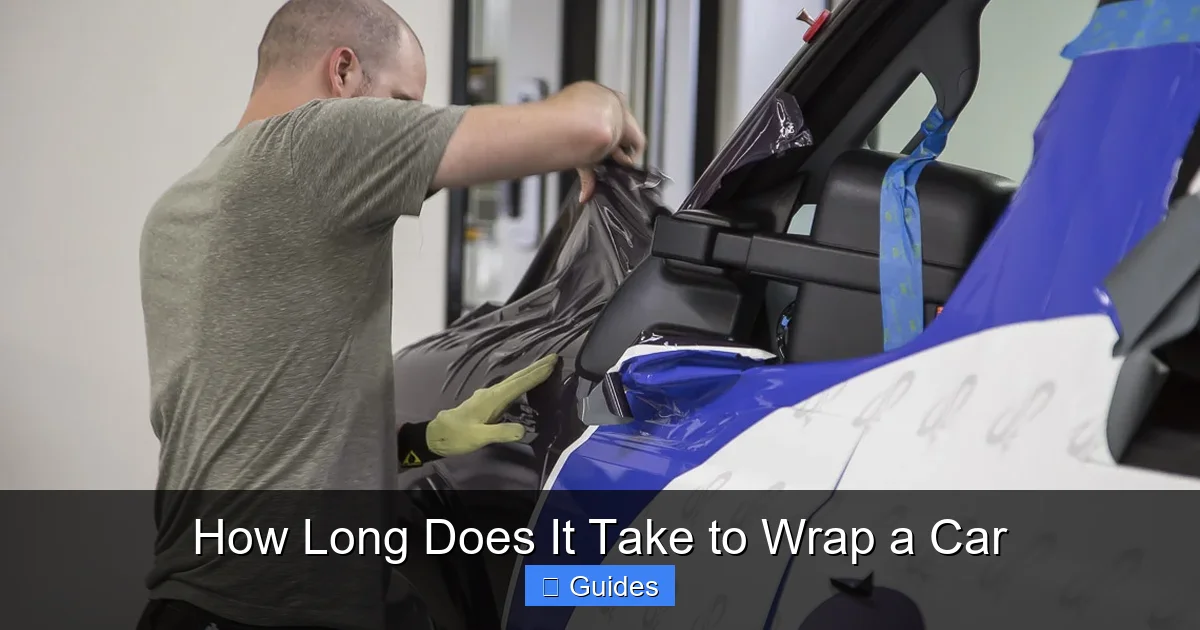
Visual guide about How Long Does It Take to Wrap a Car
Image source: kistudios.com
Now that you know the steps, let’s look at the variables that can speed up or slow down the process.
Vehicle Size and Type
This is one of the biggest factors. A small hatchback like a Honda Fit has far less surface area than a full-size pickup truck or a van. As a rule of thumb:
– **Compact cars (e.g., Toyota Corolla, Honda Civic):** 2–4 days
– **Midsize sedans and SUVs (e.g., Ford Explorer, Toyota RAV4):** 3–5 days
– **Large vehicles (e.g., Ford F-150, Sprinter van):** 5–7 days
Trucks with extended cabs, dual rear wheels, or complex body lines (like the Ram 1500 with its aggressive fender flares) take longer because there’s more surface to cover and more curves to navigate.
Wrap Coverage: Full vs. Partial
Are you wrapping the entire car, or just certain parts? A full wrap means every visible panel gets covered—hood, roof, doors, fenders, bumpers, and mirrors. This is the most time-intensive option.
Partial wraps, like a hood stripe, racing stripes, or mirror caps, can be done in as little as a few hours. For example, a two-color racing stripe down the center of a Mustang might take 4–6 hours. But even partial wraps require careful alignment and edge sealing to look professional.
Design Complexity
A solid color wrap—say, gloss red or matte gray—is relatively straightforward. The installer uses pre-cut templates and applies the vinyl in large sections. This can speed up the process significantly.
But if your design includes gradients, photorealistic images, text, or intricate patterns, the timeline expands. Each element must be printed, aligned, and applied with precision. A custom mural wrap, like a space-themed design with planets and stars, could add 1–2 extra days just for printing and layout.
Installer Experience and Shop Workflow
Not all wrap shops are created equal. A seasoned professional with years of experience can work faster and more efficiently than a novice. They know how to handle tricky areas, minimize waste, and avoid common mistakes.
Also, consider the shop’s workload. If they’re booked solid with other projects, your wrap might be delayed. It’s always a good idea to call ahead and ask about availability. Some shops offer rush services for an extra fee, but quality should never be sacrificed for speed.
Environmental Conditions
Vinyl application is sensitive to temperature and humidity. Most installers prefer a climate-controlled environment—around 70–75°F (21–24°C) with low humidity. If it’s too cold, the vinyl becomes stiff and hard to stretch. If it’s too hot or humid, it can stretch too much or trap moisture.
Dust is another enemy. Even a single speck can create a bump under the vinyl. That’s why professional shops use clean rooms or dust-free bays. If you’re attempting a DIY wrap in your garage, be prepared for a longer process and potential rework.
Average Timelines for Different Scenarios
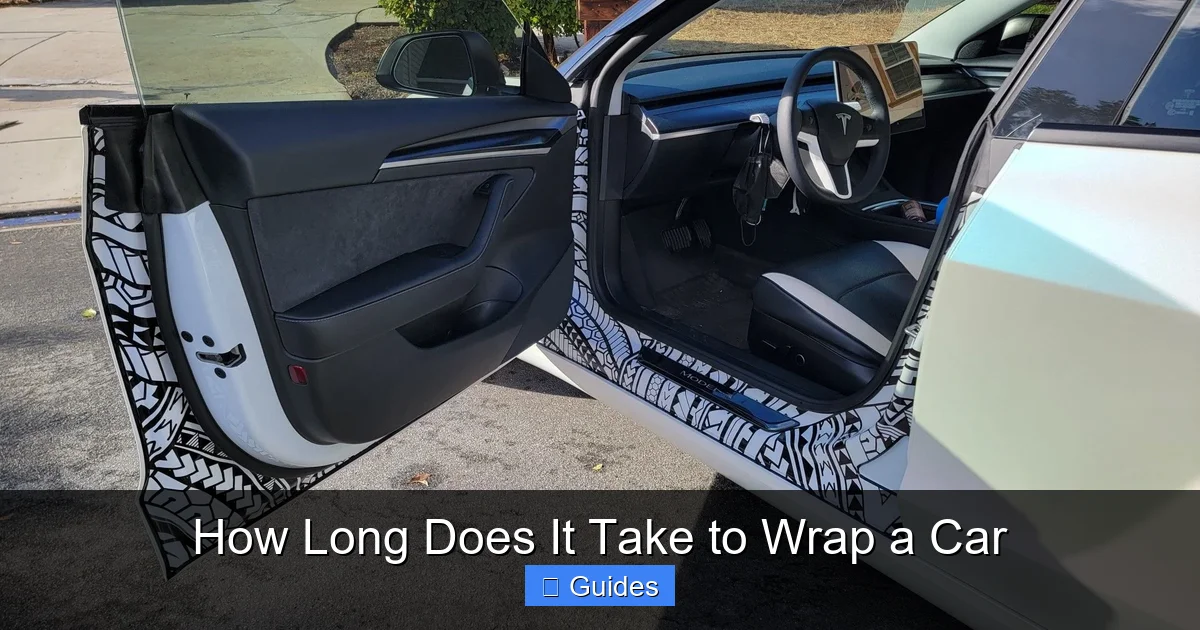
Visual guide about How Long Does It Take to Wrap a Car
Image source: i.pinimg.com
Let’s put this all together with some real-world examples.
Scenario 1: Full Color Change on a Sedan
You own a 2020 Honda Accord and want to switch from white to satin bronze. This is a common request and relatively straightforward.
– **Design:** Pre-made template, solid color
– **Prep:** 4–6 hours (cleaning, panel removal)
– **Application:** 6–8 hours
– **Curing:** 24 hours
– **Total:** 3–4 business days
Most shops can complete this within a week, often faster if they have the vinyl in stock.
Scenario 2: Custom Graphic Wrap on an SUV
You’re wrapping a Jeep Grand Cherokee with a nature-themed design—mountains, trees, and a sunset gradient.
– **Design:** 1–2 days (custom artwork, printing)
– **Prep:** 6–8 hours
– **Application:** 10–12 hours (due to complex curves and multi-panel alignment)
– **Curing:** 48 hours
– **Total:** 5–7 business days
This timeline accounts for the extra time needed to align the graphics across doors and fenders.
Scenario 3: Partial Wrap on a Sports Car
You want racing stripes and a carbon fiber hood wrap on your Chevrolet Camaro.
– **Design:** 2–4 hours (template-based)
– **Prep:** 3–4 hours
– **Application:** 4–6 hours
– **Curing:** 24 hours
– **Total:** 2–3 business days
Because it’s a partial wrap and the design is simple, this can often be done in under three days.
Scenario 4: Fleet Wrap for a Small Business
You’re wrapping three delivery vans with your company logo and contact info.
– **Per van:** 5–6 days (due to size and branding details)
– **Total for fleet:** 2–3 weeks (depending on shop capacity)
Many shops offer fleet discounts and can stagger installations to keep your vehicles on the road.
DIY vs. Professional Installation: Time and Quality Trade-Offs
Some car enthusiasts consider wrapping their vehicle themselves to save money. While DIY kits are available online, it’s important to understand the time and skill involved.
DIY Wrap Timeline
A first-time DIYer might spend:
– **Prep:** 6–8 hours (learning, cleaning, removing parts)
– **Application:** 10–15 hours (trial and error, fixing mistakes)
– **Curing:** 24–48 hours
– **Total:** 3–5 days of part-time work
And that’s if everything goes smoothly. In reality, many DIYers encounter bubbles, wrinkles, or misaligned edges and end up redoing sections—adding days to the process.
Why Professionals Are Worth It
Professional installers have the tools, training, and experience to get it right the first time. They use high-quality vinyl, precision cutters, and climate-controlled environments. Plus, most offer warranties—something you won’t get with a DIY job.
For example, a pro might complete a full sedan wrap in 4 days, while a DIYer could spend a full week and still not achieve the same finish. When you factor in the cost of materials, tools, and your time, professional installation often makes more sense—especially for full wraps or custom designs.
Tips to Speed Up the Wrap Process
If you’re on a tight schedule, here are some ways to help your wrap get done faster—without sacrificing quality.
Choose a Simple Design
Opt for a solid color or a basic pattern instead of a complex custom graphic. This reduces design time and simplifies application.
Prepare Your Vehicle in Advance
Wash your car thoroughly before dropping it off. Remove any aftermarket parts that might interfere, like roof racks or spoilers. The less the shop has to do, the faster they can start.
Book During Off-Peak Times
Wrap shops are busiest in spring and summer. If possible, schedule your wrap in fall or winter when demand is lower. You’ll likely get faster service and possibly a discount.
Use Pre-Cut Vinyl
Many shops offer pre-cut kits for popular models. These are precision-cut to fit your car, reducing installation time. Just make sure the shop uses high-quality material from brands like 3M, Avery Dennison, or KPMF.
Communicate Clearly
Be specific about your expectations. Share reference images, discuss color matches, and confirm the timeline upfront. Clear communication prevents misunderstandings and delays.
What to Expect After the Wrap
Once your car is wrapped, the process isn’t quite over. Proper aftercare ensures your wrap lasts 5–7 years or more.
Curing Period
As mentioned earlier, the vinyl needs 24–48 hours to fully adhere. Avoid washing, waxing, or exposing the car to rain during this time. Don’t park under trees or in direct sunlight, as sap, bird droppings, or UV rays can damage the fresh wrap.
First Wash
After the curing period, you can wash your car—but gently. Use a pH-neutral car shampoo, a soft microfiber mitt, and avoid high-pressure sprays near edges. Hand washing is best for the first few weeks.
Long-Term Care
To maintain the wrap’s appearance:
– Wash regularly to prevent dirt buildup
– Avoid automatic car washes with brushes
– Use wrap-safe wax or sealant (check manufacturer recommendations)
– Park in the shade or use a car cover when possible
With proper care, your wrap will stay vibrant and smooth for years.
Conclusion
So, how long does it take to wrap a car? The answer isn’t one-size-fits-all, but most professional wraps take **3 to 7 business days**, depending on vehicle size, design complexity, and shop conditions. While it might seem like a long time, remember that a car wrap is a significant investment in your vehicle’s appearance and protection. Rushing the process can lead to poor adhesion, bubbles, or premature peeling—issues that cost more to fix than doing it right the first time.
By understanding the steps involved and choosing a reputable installer, you can ensure a smooth, high-quality wrap that turns heads and lasts for years. Whether you’re going for a sleek color change or a bold custom design, patience and preparation pay off. And once your car rolls out of the shop, you’ll see why so many drivers are making the switch from paint to vinyl.
So go ahead—give your ride the makeover it deserves. Just plan ahead, ask questions, and enjoy the transformation.
Frequently Asked Questions
Can a car wrap be done in one day?
It’s highly unlikely. Even the simplest full wrap requires at least 2–3 days due to prep, application, and curing time. Partial wraps like hood stripes might be done in a single day, but full wraps need proper time to ensure quality and longevity.
Does weather affect how long a wrap takes?
Yes. Extreme temperatures, high humidity, or dusty conditions can slow down the process. Professional shops use climate-controlled environments to maintain ideal conditions, but outdoor or garage DIY attempts may face delays due to weather.
Why does my wrap shop say it will take a week?
A week is common for larger vehicles or complex designs. Shops also factor in their workload, vinyl ordering time, and curing periods. If your wrap involves custom graphics or a full van wrap, a 5–7 day timeline is normal and ensures quality.
Can I drive my car immediately after the wrap is applied?
No. The vinyl needs 24–48 hours to cure and fully bond to the surface. Driving too soon can cause edges to lift or bubbles to form. Keep the car in a clean, dry place during this time.
Do I need to remove parts like mirrors or door handles?
Yes, for a professional finish. Removing trim, mirrors, and handles allows the installer to wrap edges cleanly and avoid seams. Most shops do this as part of the prep process and reassemble everything afterward.
Is it cheaper to wrap or repaint a car?
Wrapping is usually more affordable than a high-quality repaint, especially for color changes. A full wrap costs $2,500–$5,000, while a professional paint job can exceed $7,000. Wraps also protect the original paint and can be removed later.

At CarLegit, we believe information should be clear, factual, and genuinely helpful. That’s why every guide, review, and update on our website is created with care, research, and a strong focus on user experience.