
A professionally installed car wrap typically lasts between 5 to 7 years, depending on material quality, climate, and maintenance. With proper care—like regular washing and avoiding harsh conditions—you can maximize its lifespan and keep your vehicle looking sharp.
In This Article
- 1 Key Takeaways
- 2 📑 Table of Contents
- 3 How Long Does the Wrap Last on a Car?
- 4 What Factors Affect Car Wrap Lifespan?
- 5 How to Extend the Life of Your Car Wrap
- 6 Signs Your Car Wrap Is Failing
- 7 Can You Remove a Car Wrap Early?
- 8 Is a Car Wrap Worth the Investment?
- 9 Conclusion
- 10 Frequently Asked Questions
Key Takeaways
- Car wraps last 5–7 years on average: High-quality vinyl and professional installation are key to longevity.
- Climate plays a major role: Extreme heat, cold, or UV exposure can shorten wrap life.
- Regular maintenance extends durability: Gentle washing and waxing help protect the wrap.
- Premium vinyl outperforms standard options: Cast vinyl lasts longer than calendered vinyl.
- Garaging your car helps significantly: Parking in shade or a garage reduces sun and weather damage.
- Signs of wear include fading, peeling, or cracking: Address issues early to prevent further damage.
- Professional installation matters: Poor application leads to bubbles, wrinkles, and premature failure.
📑 Table of Contents
How Long Does the Wrap Last on a Car?
So, you’ve decided to give your car a fresh new look with a vinyl wrap. Maybe you’re going for a bold color change, a sleek matte finish, or even a custom design that turns heads. But before you commit, there’s one big question on your mind: *How long does the wrap last on a car?*
The short answer? A high-quality car wrap, when professionally installed and properly maintained, typically lasts between **5 to 7 years**. But that’s just the average. The real lifespan depends on a mix of factors—like the type of vinyl used, where you live, how you care for your vehicle, and even how often you drive it.
Unlike a paint job, which is permanent and can last decades, a car wrap is a removable, temporary upgrade. That’s one of its biggest advantages: you can change your car’s look without damaging the original paint. But because it’s not fused to the metal like paint, it’s more vulnerable to environmental wear and tear. Think of it like a high-tech sticker—durable, but not indestructible.
In this guide, we’ll break down everything you need to know about car wrap longevity. From the materials that make the biggest difference to the daily habits that can add years to your wrap’s life, we’ve got you covered. Whether you’re wrapping your daily driver, a show car, or a fleet vehicle, understanding how long your wrap will last—and how to make it last longer—is key to getting the most value from your investment.
What Factors Affect Car Wrap Lifespan?
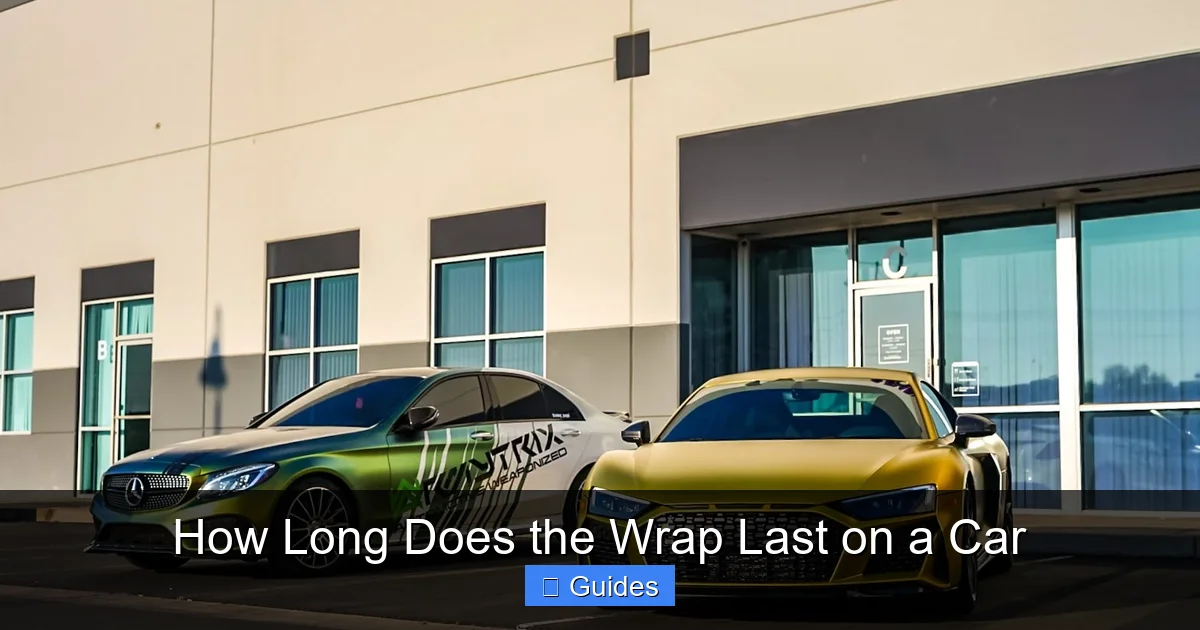
Visual guide about How Long Does the Wrap Last on a Car
Image source: purpleflareagency.com
Not all car wraps are created equal, and their lifespan can vary dramatically based on several key factors. Understanding these will help you set realistic expectations and take steps to protect your wrap.
Quality of the Vinyl Material
The type of vinyl you choose is the single biggest factor in how long your wrap will last. There are two main types: **calendered vinyl** and **cast vinyl**.
Calendered vinyl is the more affordable option. It’s made by heating and pressing vinyl resin into sheets. While it’s fine for flat surfaces and short-term use (like event vehicles or temporary promotions), it tends to shrink and crack over time—especially when exposed to heat. Most calendered wraps last **2 to 4 years**, sometimes less if conditions are harsh.
Cast vinyl, on the other hand, is the premium choice. It’s made by pouring liquid vinyl onto a carrier sheet, allowing for greater flexibility and durability. Cast vinyl conforms better to curves, resists shrinking, and holds up well under UV exposure. High-end cast vinyl wraps from brands like 3M, Avery Dennison, or ORACAL can easily last **5 to 7 years**, and sometimes longer with proper care.
For example, if you’re wrapping a sports car with lots of contours and you plan to keep it for years, investing in cast vinyl is worth every penny. But if you’re doing a quick color change on a sedan and plan to remove it in a couple of years, calendered might suffice.
Climate and Environmental Conditions
Where you live plays a huge role in how long your wrap lasts. If you’re in a sunny, hot climate—like Arizona or Southern California—your wrap will face intense UV radiation and high temperatures. Over time, this can cause fading, cracking, and adhesive breakdown.
Similarly, cold climates with freezing temperatures and road salt (think Minnesota or upstate New York) can weaken the vinyl and cause it to lift at the edges. Snow and ice scraping can also scratch or tear the surface.
Humidity and rain aren’t as damaging on their own, but prolonged exposure without proper drying can lead to moisture trapped under the wrap, which may cause bubbling or mold.
The best way to combat climate challenges? **Garage your car whenever possible.** If that’s not an option, use a car cover—especially during summer months or winter storms. Even parking in the shade instead of direct sunlight can make a noticeable difference over time.
Installation Quality
You can have the best vinyl in the world, but if it’s not installed correctly, your wrap won’t last. A poorly applied wrap may have air bubbles, wrinkles, or edges that lift prematurely. These issues not only look bad but also create weak points where dirt, moisture, and UV rays can penetrate.
Professional installers use heat guns, squeegees, and precision cutting tools to ensure a smooth, tight fit. They also clean the surface thoroughly before application, removing wax, grease, and contaminants that could interfere with adhesion.
A good installer will also wrap edges properly—tucking vinyl into door jambs, under trim, or around mirrors to prevent peeling. This attention to detail can add years to your wrap’s life.
On the flip side, DIY wraps or cheap installations often fail within 1–2 years. If you’re serious about longevity, spend the extra money on a reputable shop with experience and good reviews.
Driving Habits and Usage
How you use your car matters too. If you drive frequently on highways, your wrap will be exposed to more wind, debris, and road grime. Gravel, sand, and small stones can chip or scratch the surface, especially on the front bumper, hood, and side mirrors.
Off-road vehicles or cars used in construction zones face even greater risks. Mud, dirt, and abrasive materials can wear down the vinyl faster.
Even city driving has its challenges. Frequent stops and starts, tight parking spaces, and accidental scrapes from shopping carts or door dings can damage the wrap.
To minimize wear, consider using **paint protection film (PPF)** on high-impact areas like the front bumper, hood, and mirrors. PPF is a clear, durable layer that shields the wrap from scratches and chips while maintaining the look.
How to Extend the Life of Your Car Wrap
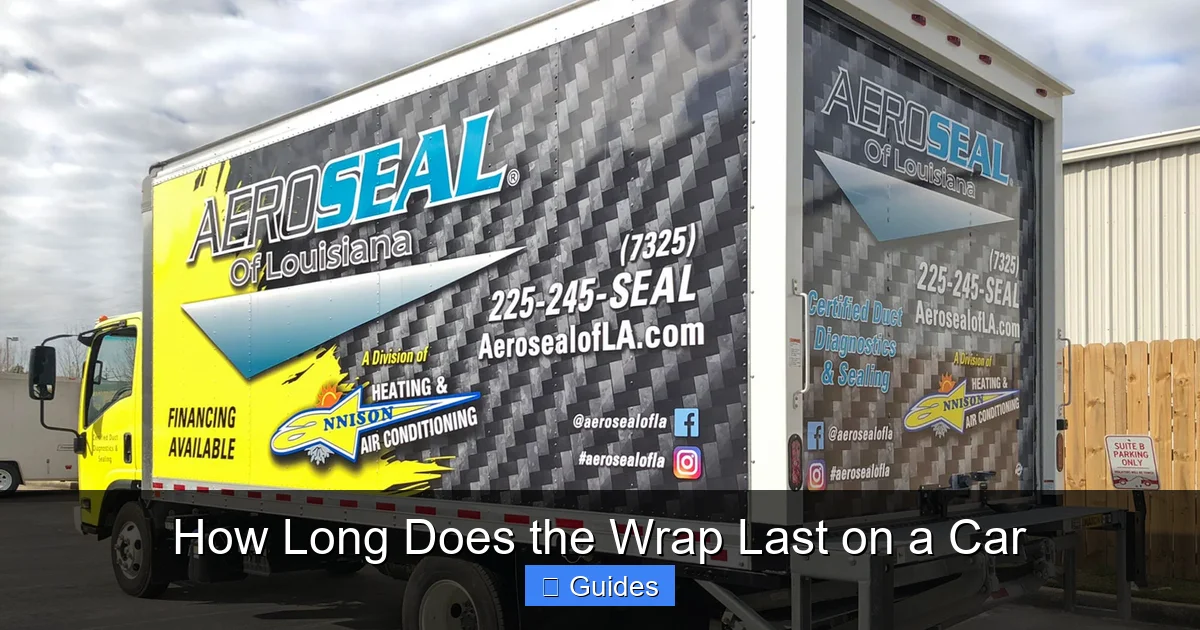
Visual guide about How Long Does the Wrap Last on a Car
Image source: fluxconsole.com
Now that you know what affects wrap longevity, let’s talk about how to make yours last as long as possible. A little care goes a long way.
Wash Your Car Regularly—But Gently
Dirt, bugs, bird droppings, and tree sap can degrade vinyl over time. The acids in bird droppings, for example, can eat through the protective top layer and cause discoloration if left too long.
Wash your car every 1–2 weeks using a **pH-neutral car wash soap** and a soft microfiber mitt. Avoid household detergents—they’re too harsh and can strip the vinyl’s protective coating.
Use a two-bucket method: one for soapy water, one for rinsing your mitt. This prevents dirt from being rubbed back onto the surface.
When rinsing, use a gentle stream. High-pressure washes can force water under the edges of the wrap, especially if there are already small lifts. If you must use a pressure washer, keep it at least 12 inches away and use a wide spray pattern.
After washing, dry the car with a clean microfiber towel to prevent water spots.
Avoid Harsh Chemicals and Abrasive Tools
Never use ammonia-based cleaners, bleach, or abrasive scrubbers on your wrap. These can dull the finish, cause fading, or even dissolve the adhesive.
Stick to products specifically designed for vinyl wraps. Many brands offer wrap-safe cleaners and detail sprays that clean without damaging the material.
For bug and tar removal, use a dedicated remover or a small amount of isopropyl alcohol on a soft cloth. Test it on a small, hidden area first.
Avoid automatic car washes with stiff brushes. These can scratch or peel the vinyl. Touchless washes are safer, but even then, inspect your car afterward for any issues.
Wax and Seal for Extra Protection
Yes, you can wax a car wrap—but only with the right products. Use a **synthetic sealant or wax made for vinyl wraps**. These create a protective barrier against UV rays, dirt, and moisture.
Apply wax every 3–6 months, depending on your climate and driving conditions. This not only enhances shine but also helps prevent fading and oxidation.
Avoid waxes with petroleum distillates or harsh solvents—they can break down the vinyl.
Some owners also use ceramic coatings designed for wraps. These offer longer-lasting protection and make cleaning easier, but they’re more expensive and should be applied by a professional.
Park Smart
Whenever possible, park in a garage or under cover. This shields your car from sun, rain, snow, and falling debris.
If you must park outside, try to find shaded areas—under trees, awnings, or parking structures. Just be cautious of bird droppings or sap from trees.
Use a high-quality car cover if you’re storing the vehicle for long periods. Make sure the cover is breathable and doesn’t trap moisture.
Inspect and Maintain Edges
Check the edges of your wrap monthly—especially around doors, mirrors, and wheel wells. If you notice lifting or peeling, address it immediately.
Use a small amount of wrap-specific adhesive or edge sealant to re-bond the vinyl. Don’t use regular glue or tape—they can damage the material.
If the damage is extensive, consult your installer. They may be able to repair small sections without redoing the entire wrap.
Signs Your Car Wrap Is Failing
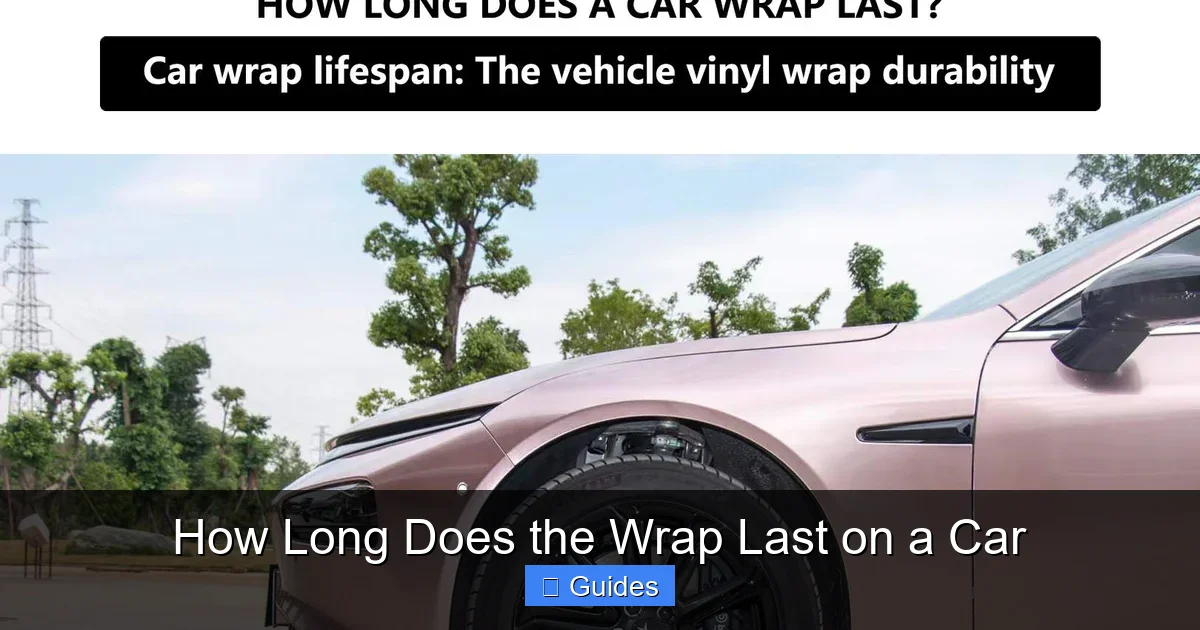
Visual guide about How Long Does the Wrap Last on a Car
Image source: carlikewrap.com
Even with the best care, wraps don’t last forever. Knowing when it’s time to replace or remove your wrap can save you from bigger problems down the road.
Fading and Discoloration
Over time, UV exposure can cause colors to fade—especially reds, blues, and metallics. If your once-vibrant wrap looks dull or washed out, it’s a sign the protective layer is breaking down.
Some fading is normal after 5+ years, but if it happens sooner, it could indicate low-quality vinyl or excessive sun exposure.
Cracking or Crazing
As vinyl ages, it can become brittle and develop fine cracks—especially on curved surfaces or areas that flex, like door handles or mirrors.
This is more common with calendered vinyl or wraps exposed to extreme temperatures.
Peeling at the Edges
Lifting at the corners or along seams is a common issue. It often starts small but can spread if not fixed.
Peeling can be caused by poor installation, heat expansion, or moisture intrusion.
Bubbling or Wrinkling
Air or moisture trapped under the wrap can cause bubbles. These may start small but can grow and distort the surface.
Wrinkling usually happens when the vinyl shrinks or wasn’t stretched properly during installation.
Adhesive Failure
In rare cases, the adhesive can break down, causing the wrap to detach from the paint. This is more likely with low-quality vinyl or if the car was wrapped over old, dirty, or damaged paint.
If large sections start coming off, it’s time to remove the wrap and assess the underlying paint.
Can You Remove a Car Wrap Early?
Yes—and it’s often recommended if you notice significant wear or want to change the look.
Modern vinyl wraps are designed to be removable without damaging the original paint, as long as the paint is in good condition and the wrap hasn’t been on for too long.
Most professionals can remove a wrap in 1–3 hours using heat guns and special adhesive removers. The process is safe when done correctly, but DIY removal can scratch or damage the paint if you’re not careful.
If you plan to sell your car, removing the wrap can help restore the original finish—or you can leave it on if the new owner likes the look.
Is a Car Wrap Worth the Investment?
Absolutely—if you choose quality materials and care for it properly.
A car wrap costs anywhere from $2,000 to $5,000+, depending on the vehicle size, vinyl type, and design complexity. That’s less than a full repaint, and it protects your original paint from scratches and UV damage.
Plus, you can change colors anytime. Want to go from black to chrome? No problem. Need to rebrand your business vehicle? Swap it out in a weekend.
For personal use, wraps offer a unique, customizable look without the commitment of paint. For businesses, they’re a powerful marketing tool—turning every drive into an ad.
And with a lifespan of 5–7 years, the cost per year is reasonable, especially when you factor in paint protection and resale value.
Conclusion
So, how long does the wrap last on a car? On average, **5 to 7 years**—but that number can be shorter or longer depending on your choices and habits.
The key to longevity starts with **high-quality cast vinyl** and **professional installation**. From there, it’s all about care: washing gently, avoiding harsh conditions, parking smart, and inspecting regularly.
Think of your car wrap like a high-performance jacket—it protects your vehicle and makes it look great, but it needs the right treatment to stay in top shape.
Whether you’re wrapping for style, branding, or protection, following these tips will help you get the most out of your investment. And when the time comes to remove or replace it, you’ll know exactly what to expect.
A car wrap isn’t just a cosmetic upgrade—it’s a smart, flexible, and durable solution for anyone who wants to stand out on the road. With the right approach, your wrapped car can look fresh and flawless for years to come.
Frequently Asked Questions
How long does a car wrap last in the sun?
A car wrap exposed to constant sunlight may last closer to 4–5 years due to UV damage. Using high-quality cast vinyl and parking in shade or a garage can help extend its life.
Can you wax a car wrap?
Yes, you can wax a car wrap, but only use products specifically designed for vinyl. Avoid petroleum-based waxes, which can damage the material.
Does a car wrap damage paint?
No, a properly installed and removed wrap should not damage the original paint. In fact, it protects the paint from scratches and UV rays.
Can you pressure wash a wrapped car?
Yes, but use a wide spray pattern and keep the nozzle at least 12 inches away. High pressure can lift edges or force water underneath.
How often should I wash my wrapped car?
Wash your wrapped car every 1–2 weeks to remove dirt, bugs, and contaminants. Use a pH-neutral soap and a soft microfiber mitt.
Can I install a car wrap myself?
While DIY kits are available, professional installation is recommended for longevity and appearance. Poor application leads to bubbles, peeling, and early failure.

At CarLegit, we believe information should be clear, factual, and genuinely helpful. That’s why every guide, review, and update on our website is created with care, research, and a strong focus on user experience.