
Subaru Outback brake pads typically last between 30,000 and 70,000 miles, depending on driving habits and conditions. Regular maintenance and early warning signs can help you maximize performance and safety.
In This Article
- 1 Key Takeaways
- 2 📑 Table of Contents
- 3 How Long Should Brakes Last on a Subaru Outback?
- 4 Understanding Your Subaru Outback’s Braking System
- 5 Factors That Affect Brake Life on a Subaru Outback
- 6 Signs It’s Time to Replace Your Brakes
- 7 How to Extend the Life of Your Subaru Outback Brakes
- 8 DIY vs. Professional Brake Service: What’s Right for You?
- 9 Conclusion: Brake Smart, Drive Safe
- 10 Frequently Asked Questions
- 10.1 How often should I inspect my Subaru Outback brakes?
- 10.2 Can I drive with squealing brakes?
- 10.3 Do I need to replace all four brake pads at once?
- 10.4 Are ceramic brake pads better than semi-metallic?
- 10.5 How much does it cost to replace brakes on a Subaru Outback?
- 10.6 Can I use aftermarket brake parts on my Subaru Outback?
Key Takeaways
- Average lifespan: Brake pads on a Subaru Outback usually last 30,000 to 70,000 miles, with rotors lasting 60,000 to 100,000 miles.
- Driving style matters: Aggressive braking, stop-and-go traffic, and heavy loads can significantly reduce brake life.
- Environmental factors: Salt, moisture, and extreme temperatures—common in snowy or coastal areas—accelerate brake wear.
- Maintenance is key: Regular inspections and timely replacements help prevent costly damage and ensure safety.
- Warning signs: Squealing, grinding, or a soft brake pedal are clear indicators it’s time for service.
- Use OEM parts: Subaru-approved brake components offer better fit, performance, and longevity.
- DIY vs. professional: While some owners can replace pads at home, complex jobs like rotor resurfacing are best left to experts.
📑 Table of Contents
- How Long Should Brakes Last on a Subaru Outback?
- Understanding Your Subaru Outback’s Braking System
- Factors That Affect Brake Life on a Subaru Outback
- Signs It’s Time to Replace Your Brakes
- How to Extend the Life of Your Subaru Outback Brakes
- DIY vs. Professional Brake Service: What’s Right for You?
- Conclusion: Brake Smart, Drive Safe
How Long Should Brakes Last on a Subaru Outback?
Owning a Subaru Outback means enjoying a reliable, all-weather SUV built for adventure—whether you’re cruising down the highway or navigating mountain trails. But like any vehicle, it needs regular maintenance to keep running smoothly. One of the most critical yet often overlooked components is the braking system. So, how long should brakes last on a Subaru Outback? The answer isn’t one-size-fits-all, but understanding the factors involved can help you get the most out of your brakes—and keep you safe on the road.
On average, Subaru Outback brake pads last between 30,000 and 70,000 miles. That’s a wide range, and it’s not just about mileage. Your driving habits, where you live, and how well you maintain your vehicle all play a role. For example, someone who drives mostly on highways in mild climates might see their brakes last toward the higher end of that range. Meanwhile, a daily commuter in a city with heavy traffic could be replacing pads every 30,000 miles or even sooner. The good news? With a little awareness and proactive care, you can extend the life of your brakes and avoid unexpected failures.
Understanding Your Subaru Outback’s Braking System
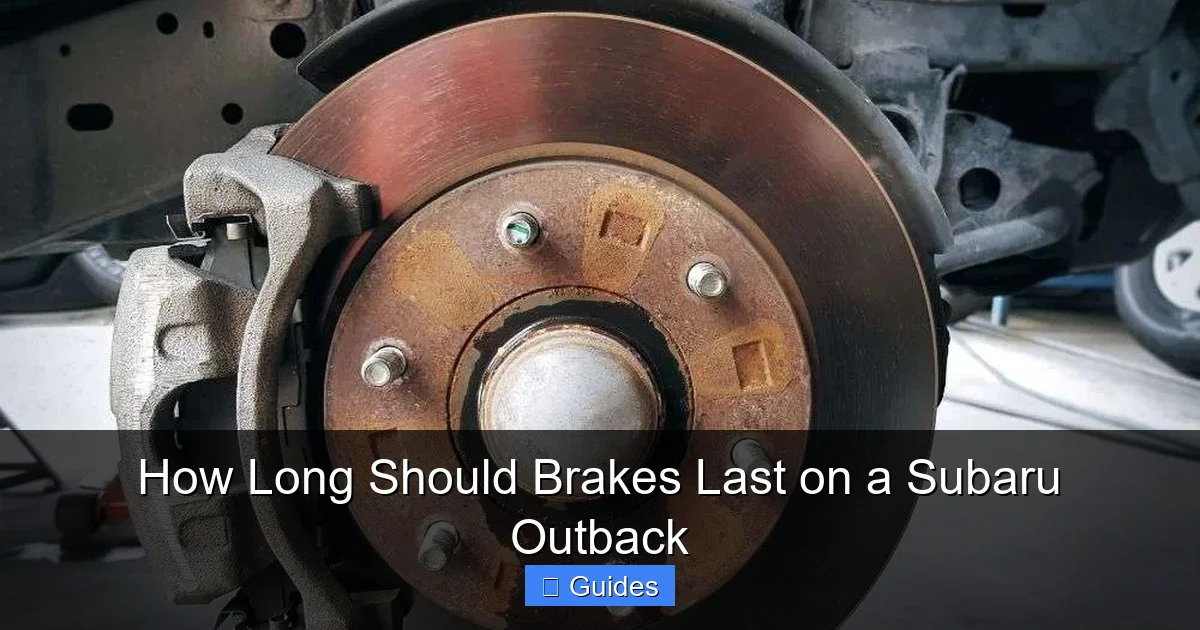
Before diving into lifespan, it helps to understand how your Outback’s brakes work. The braking system is a complex network designed to slow or stop your vehicle safely and efficiently. At the heart of it are the brake pads, rotors, calipers, brake fluid, and master cylinder. When you press the brake pedal, hydraulic pressure forces the calipers to squeeze the brake pads against the rotors, creating friction that slows the wheels.
Visual guide about How Long Should Brakes Last on a Subaru Outback
Image source: evto.ca
Brake Pads: The Wear Item
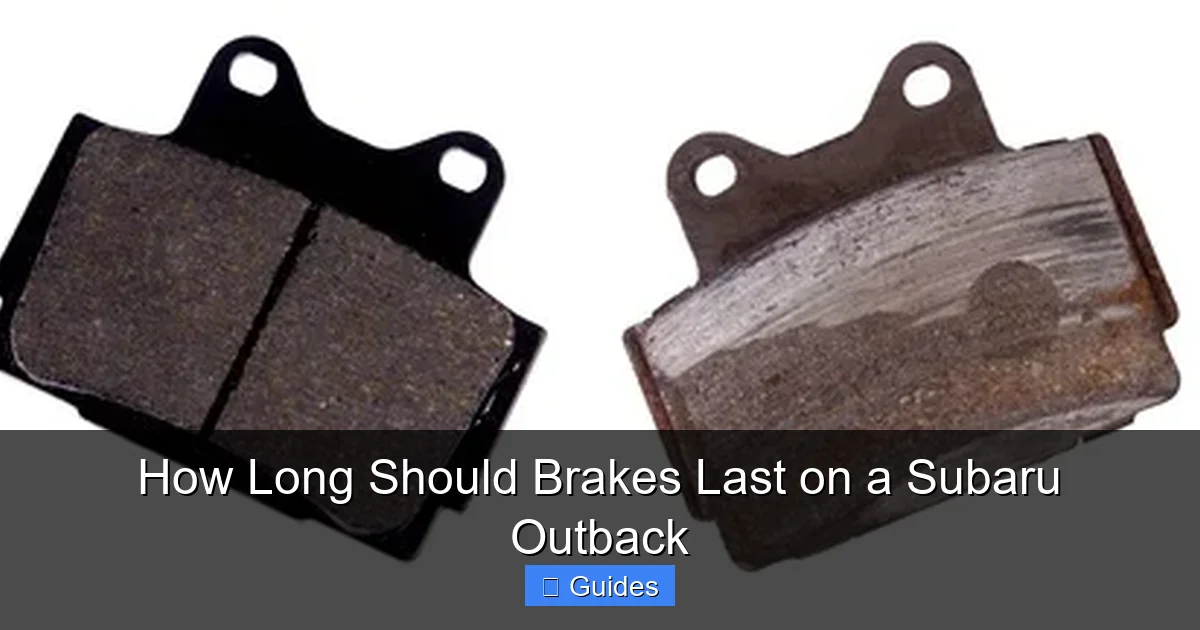
Brake pads are the most frequently replaced part. Made of friction material bonded to a metal backing plate, they’re designed to wear down over time. As they thin, your braking performance decreases. Most Subaru Outbacks use semi-metallic or ceramic brake pads. Semi-metallic pads are durable and great for heavy-duty use but can be noisier. Ceramic pads, on the other hand, are quieter and produce less dust but may cost more upfront.
Brake Rotors: The Surface That Matters
Rotors (or discs) are the large metal discs that the pads clamp onto. They’re typically made of cast iron or composite materials. While rotors last longer than pads—often 60,000 to 100,000 miles—they can warp, crack, or wear unevenly. If you hear a pulsating sensation when braking, it could mean your rotors are warped and need resurfacing or replacement.
Brake Fluid: The Lifeline
Brake fluid is hygroscopic, meaning it absorbs moisture over time. This can lower its boiling point and lead to spongy brakes or even failure under heavy use. Subaru recommends replacing brake fluid every 30,000 miles or two years, whichever comes first. Neglecting this simple maintenance step can compromise your entire braking system.
Calipers and Hardware
Calipers house the brake pads and pistons. They should move freely to apply even pressure. Sticking calipers can cause uneven wear, overheating, and reduced braking power. Regular inspections can catch issues early. Brake hardware—like clips, shims, and springs—also needs to be in good condition to ensure smooth operation.
Factors That Affect Brake Life on a Subaru Outback
Now that you know the basics, let’s explore what really determines how long your brakes will last. It’s not just about how many miles you’ve driven—it’s how you’ve driven them.
Visual guide about How Long Should Brakes Last on a Subaru Outback
Image source: evto.ca
Driving Habits and Style
Your driving style has a huge impact on brake wear. If you’re the type who slams on the brakes at the last second, you’re wearing down your pads faster than someone who brakes gradually. Smooth, anticipatory driving—like slowing down early for a red light—can significantly extend brake life. City drivers who deal with constant stop-and-go traffic will naturally see more wear than highway cruisers.
Vehicle Load and Towing
The Subaru Outback is known for its versatility, including towing capacity (up to 2,700–3,500 lbs depending on the model). But hauling heavy loads or towing a trailer increases stress on the braking system. The extra weight means your brakes have to work harder to stop the vehicle, leading to faster wear. If you frequently tow or carry heavy cargo, consider upgrading to heavy-duty brake pads and checking your system more often.
Environmental Conditions
Where you live matters. If you drive in snowy or icy regions, road salt can accelerate corrosion on brake components. Coastal areas with high humidity and salt air can also speed up rust and wear. Mountainous terrain with steep descents puts constant strain on brakes, especially if you ride the pedal instead of using engine braking. In these environments, more frequent inspections are a must.
Road Conditions and Traffic Patterns
Potholes, gravel roads, and rough surfaces can damage rotors and suspension components, indirectly affecting brake performance. Similarly, living in a city with frequent traffic jams means more braking cycles, which wears pads faster. Rural drivers with long, open roads may see their brakes last much longer.
Quality of Brake Components
Not all brake parts are created equal. OEM (Original Equipment Manufacturer) parts from Subaru are designed specifically for your Outback and typically offer better performance and longevity. Aftermarket parts can vary widely in quality—some are excellent, while others wear out quickly or cause noise and vibration. Investing in high-quality pads and rotors pays off in the long run.
Signs It’s Time to Replace Your Brakes
Even with the best care, brakes won’t last forever. Knowing the warning signs can help you act before a small issue becomes a safety hazard.
Visual guide about How Long Should Brakes Last on a Subaru Outback
Image source: avbumpertobumper.com
Squealing or Screeching Noises
Most modern brake pads have built-in wear indicators—small metal tabs that make a high-pitched squeal when the pads are worn down. If you hear this noise regularly, especially when braking lightly, it’s time to check your pads. Don’t ignore it—driving with worn pads can damage rotors and increase repair costs.
Grinding Sounds
A grinding noise is more serious. It usually means the brake pads are completely worn out, and the metal backing is grinding against the rotor. This can cause deep scoring on the rotor surface, requiring replacement instead of resurfacing. If you hear grinding, stop driving and get your brakes inspected immediately.
Vibration or Pulsation When Braking
If your steering wheel or brake pedal vibrates when you press the brakes, it could indicate warped rotors. This often happens after hard braking or driving through deep water, which causes rapid cooling and warping. Warped rotors reduce braking efficiency and should be addressed promptly.
Soft or Spongy Brake Pedal
A brake pedal that feels soft or sinks to the floor could mean air in the brake lines or a fluid leak. This is a serious safety issue and requires immediate attention. Low brake fluid levels, visible leaks, or a spongy pedal are red flags that shouldn’t be ignored.
Dashboard Warning Light
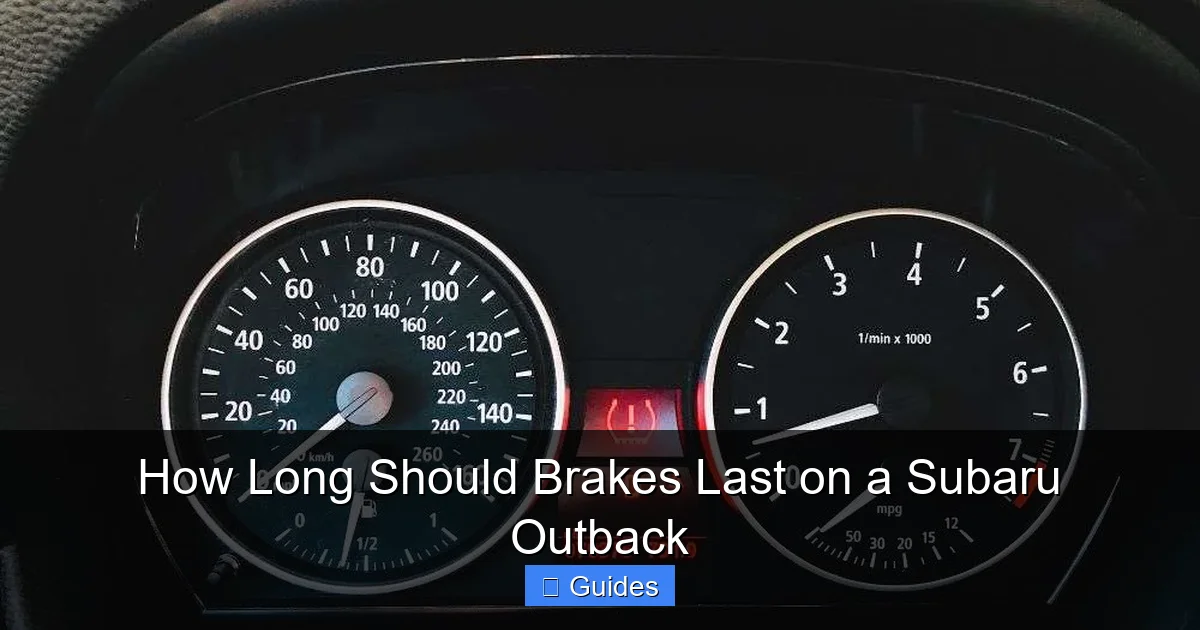
Many Subaru Outbacks have a brake warning light on the dashboard. If it comes on, don’t assume it’s just the parking brake. It could indicate low fluid, worn pads, or a problem with the ABS system. Have it checked right away.
Reduced Braking Performance
If your Outback takes longer to stop than usual, or you feel like you need to press the pedal harder, it’s a sign something’s wrong. This could be due to worn pads, contaminated fluid, or a failing master cylinder. Don’t wait—get it inspected.
How to Extend the Life of Your Subaru Outback Brakes
The good news? You can take steps to make your brakes last longer and perform better. A little effort now can save you time, money, and stress down the road.
Practice Smooth Driving
One of the easiest ways to extend brake life is to drive more smoothly. Anticipate stops, leave plenty of following distance, and avoid sudden braking. Use engine braking when going downhill—shift to a lower gear instead of riding the brakes. This reduces heat buildup and wear on the pads and rotors.
Follow the Maintenance Schedule
Subaru provides a recommended maintenance schedule in your owner’s manual. Stick to it. This includes brake inspections every 12,000 miles or annually, brake fluid changes every 30,000 miles, and rotor inspections during pad replacements. Regular checks catch problems early and prevent costly repairs.
Use Quality Parts
When it’s time for replacement, choose high-quality brake components. Subaru OEM parts are a safe bet, but reputable aftermarket brands like Akebono, Brembo, or Power Stop also offer excellent performance. Avoid cheap, no-name parts—they may save money upfront but cost more in the long run due to premature wear or poor performance.
Keep Your Brakes Clean
Brake dust and debris can build up and cause noise or corrosion. Periodically clean your wheels and brake components with a brake cleaner spray. If you drive in salty or muddy conditions, rinse the undercarriage regularly to prevent rust.
Avoid Overloading
While the Outback is capable, don’t overload it. Check your owner’s manual for maximum cargo and towing limits. Excess weight increases braking distance and wear. If you frequently carry heavy loads, consider upgrading to performance brake pads designed for heavier use.
Address Issues Promptly
If you notice any warning signs—noise, vibration, or reduced performance—don’t wait. The longer you drive with worn or damaged brakes, the more damage you cause. Early intervention saves money and keeps you safe.
DIY vs. Professional Brake Service: What’s Right for You?
Many Subaru Outback owners wonder whether they should tackle brake work themselves or leave it to the pros. The answer depends on your skill level, tools, and comfort with automotive repairs.
DIY Brake Pad Replacement
Replacing brake pads is one of the more accessible DIY jobs. With basic tools—a jack, lug wrench, C-clamp, and socket set—you can do it in a few hours. There are plenty of online tutorials and videos specific to the Outback. Just make sure to follow safety procedures: use jack stands, wear gloves, and torque lug nuts properly.
When to Call a Professional
Some jobs are best left to experts. Rotor resurfacing or replacement requires specialized equipment and knowledge. If your calipers are sticking or you suspect a fluid leak, a professional diagnosis is crucial. Also, if you’re not confident in your abilities, it’s better to pay for peace of mind than risk a mistake that could compromise safety.
Cost Considerations
Professional brake service typically costs $150–$300 per axle for pads and $300–$600 if rotors need replacement. DIY can save you labor costs, but factor in tool purchases and your time. For most people, a mix of both—DIY for simple jobs, professional for complex ones—is the smart approach.
Conclusion: Brake Smart, Drive Safe
So, how long should brakes last on a Subaru Outback? While the average is 30,000 to 70,000 miles for pads and 60,000 to 100,000 for rotors, your experience will vary. The key is understanding the factors that influence wear and taking proactive steps to maintain your braking system. Smooth driving, regular inspections, quality parts, and timely replacements all contribute to longer brake life and safer journeys.
Your Subaru Outback is built for adventure, but it’s only as reliable as its components. Don’t wait for a scary noise or a warning light to remind you about your brakes. Stay ahead of the game, and you’ll enjoy smoother stops, fewer repairs, and greater confidence on every drive. After all, when it comes to safety, there’s no substitute for well-maintained brakes.
Frequently Asked Questions
How often should I inspect my Subaru Outback brakes?
It’s recommended to inspect your brakes every 12,000 miles or once a year, whichever comes first. If you drive in harsh conditions or notice any warning signs, check them sooner.
Can I drive with squealing brakes?
Squealing is often a sign of worn brake pads. While you can drive short distances, it’s best to get them checked immediately to avoid damaging the rotors.
Do I need to replace all four brake pads at once?
It’s best to replace brake pads in pairs (both front or both rear) to ensure even braking. Replacing all four at once is ideal if they’re all worn.
Are ceramic brake pads better than semi-metallic?
Ceramic pads are quieter and produce less dust, making them great for daily driving. Semi-metallic pads are more durable and better for heavy use, but can be noisier.
How much does it cost to replace brakes on a Subaru Outback?
Professional brake pad replacement typically costs $150–$300 per axle. Adding rotor resurfacing or replacement can bring the total to $300–$600 per axle.
Can I use aftermarket brake parts on my Subaru Outback?
Yes, but choose reputable brands. High-quality aftermarket parts can perform well, but avoid cheap, low-quality options that may wear quickly or cause safety issues.

At CarLegit, we believe information should be clear, factual, and genuinely helpful. That’s why every guide, review, and update on our website is created with care, research, and a strong focus on user experience.