
Adding coolant to a hot engine can cause serious damage, including warped cylinder heads and cracked blocks. Always wait until the engine is completely cool—typically 30 minutes to 2 hours—before opening the radiator or coolant reservoir. This guide explains why cooling matters, how to check safely, and best practices for topping off coolant without risking your vehicle’s health.
In This Article
- 1 Key Takeaways
- 2 📑 Table of Contents
- 3 Why Letting Your Engine Cool Matters Before Adding Coolant
- 4 Understanding Your Car’s Cooling System
- 5 How Long Should You Wait? The Safe Cooling Timeline
- 6 Safe Ways to Check and Add Coolant
- 7 What Happens If You Add Coolant to a Hot Engine?
- 8 Best Practices for Coolant Maintenance
- 9 Common Mistakes to Avoid
- 10 When to Call a Professional
- 11 Conclusion
- 12 Frequently Asked Questions
- 12.1 Can I add coolant while the engine is still warm?
- 12.2 How do I know if my engine is cool enough to add coolant?
- 12.3 Is it okay to top off coolant through the reservoir when the engine is warm?
- 12.4 What happens if I accidentally open a hot radiator cap?
- 12.5 Can I use water instead of coolant in an emergency?
- 12.6 How often should I check my coolant level?
Key Takeaways
- Wait at least 30 minutes to 2 hours after driving before adding coolant: This allows the engine and coolant system to cool down to a safe temperature, reducing the risk of burns and mechanical damage.
- Never open a hot radiator cap: Pressurized hot coolant can spray out violently, causing severe burns or eye injuries—always let the system depressurize first.
- Use the coolant reservoir for minor top-offs when warm: If your car has a translucent overflow tank, you can safely add coolant there once the engine is slightly warm but not scalding hot.
- Check coolant levels when the engine is cold for accuracy: Hot coolant expands, giving a false high reading—always verify levels on a cold engine for proper maintenance.
- Use the correct coolant type and mix ratio: Mixing incompatible coolants or using the wrong dilution can lead to corrosion, overheating, and reduced efficiency.
- Monitor for leaks or overheating signs: Frequent coolant loss may indicate a leak, head gasket issue, or other problems requiring professional inspection.
- Follow your vehicle’s owner manual guidelines: Manufacturer recommendations vary—always consult your manual for specific cooling system instructions and intervals.
📑 Table of Contents
- Why Letting Your Engine Cool Matters Before Adding Coolant
- Understanding Your Car’s Cooling System
- How Long Should You Wait? The Safe Cooling Timeline
- Safe Ways to Check and Add Coolant
- What Happens If You Add Coolant to a Hot Engine?
- Best Practices for Coolant Maintenance
- Common Mistakes to Avoid
- When to Call a Professional
- Conclusion
Why Letting Your Engine Cool Matters Before Adding Coolant
Picture this: You’ve just driven home from a long trip, and you notice your coolant level is low. It’s tempting to pop the hood and top it off right away—but that’s one of the riskiest things you can do. Adding coolant to a hot engine isn’t just unsafe; it can cause real mechanical damage. The cooling system in your car operates under high pressure and temperature, often reaching over 200°F (93°C) during normal operation. When you introduce cold coolant into a scalding-hot system, the sudden temperature change can shock metal components, leading to cracks, warping, or even a blown head gasket.
The radiator, engine block, and cylinder head are all made of metal that expands when heated. If cold coolant hits these hot surfaces too quickly, the uneven contraction can stress the material beyond its limits. Think of it like pouring cold water on a hot glass dish—it might crack. The same principle applies to your engine. Beyond the mechanical risks, there’s also a serious safety hazard: the radiator cap seals a pressurized system. Opening it while hot can release a blast of steam and boiling coolant, causing severe burns.
That’s why understanding how long to let the engine cool before adding coolant is essential. It’s not just about convenience—it’s about protecting both your safety and your vehicle’s longevity. In this guide, we’ll walk you through the science behind engine cooling, how to safely check and refill coolant, and what to do if you’re in a pinch. Whether you’re a weekend mechanic or a daily commuter, these tips will help you maintain your car’s cooling system the right way.
Understanding Your Car’s Cooling System
Visual guide about How Long to Let Engine Cool Before Adding Coolant
Image source: roadweekly.com
Before diving into cooling times, it helps to understand how your car’s cooling system works. At its core, the system is designed to absorb excess heat from the engine and release it through the radiator. Coolant—also known as antifreeze—circulates through channels in the engine block and cylinder head, picking up heat as it goes. From there, it flows into the radiator, where air passing through (either from driving or the cooling fan) helps dissipate that heat. The cooled liquid then returns to the engine to repeat the cycle.
This entire process happens under pressure. The radiator cap isn’t just a lid—it’s a pressure valve that increases the boiling point of the coolant. Most systems operate at around 15 psi (pounds per square inch), which raises the boiling point from 212°F (100°C) to over 250°F (121°C). That’s why coolant can stay liquid even when the engine is extremely hot. But this pressure also means that opening the system while hot is dangerous. The moment you unscrew the cap, the pressure drops rapidly, and any remaining liquid can instantly flash into steam.
Modern vehicles often use a two-part system: the radiator and a separate coolant reservoir (also called an overflow or expansion tank). The reservoir allows coolant to expand and contract without spilling out. When the engine is hot, coolant flows into the reservoir; when it cools, it’s drawn back into the radiator. This design makes it easier to check and top off coolant without opening the radiator cap. However, even with this system, you still need to wait for the engine to cool before adding fluid directly to the radiator.
Understanding these basics helps explain why patience is key. Rushing the process doesn’t just risk injury—it can compromise the entire cooling system’s efficiency. A properly maintained system keeps your engine at the ideal operating temperature, prevents overheating, and extends the life of critical components.
How Long Should You Wait? The Safe Cooling Timeline
Visual guide about How Long to Let Engine Cool Before Adding Coolant
Image source: roadweekly.com
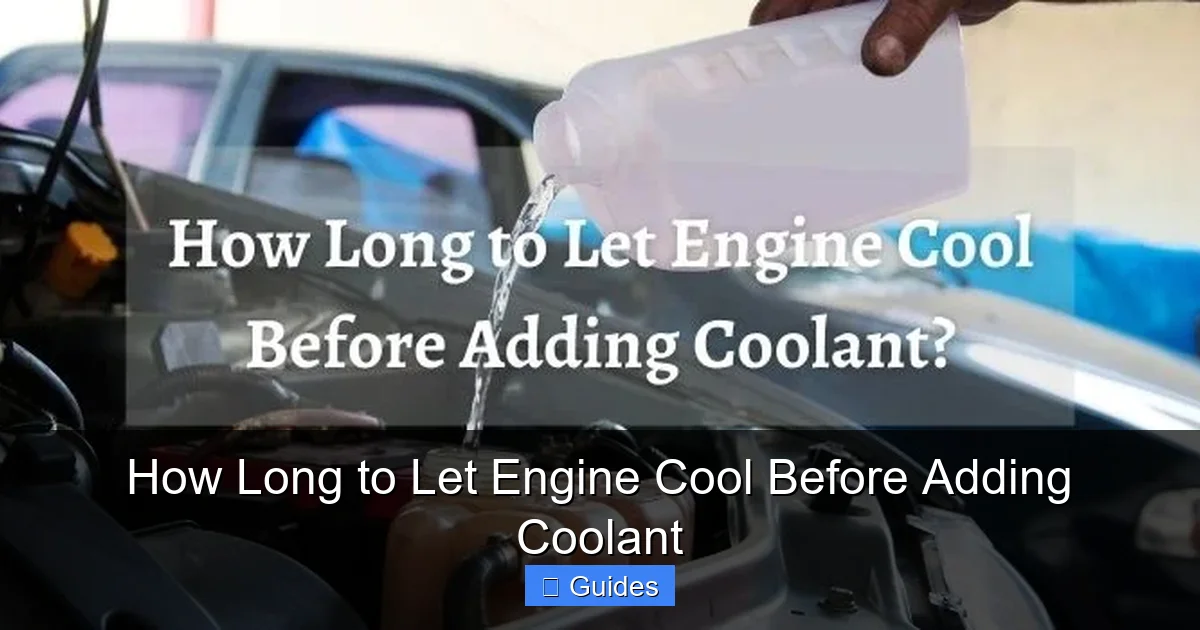
So, how long do you actually need to wait? The answer depends on several factors, including ambient temperature, how long you drove, and your vehicle’s design. As a general rule, you should wait at least 30 minutes to 2 hours after turning off the engine before attempting to add coolant. This allows the engine and coolant system to cool down to a safe handling temperature.
Here’s a practical breakdown:
– After a short drive (15–30 minutes): Wait at least 30–45 minutes. The engine may feel warm but not scalding.
– After a long drive or highway travel: Wait 1–2 hours. The engine and coolant will retain more heat.
– In hot weather or direct sunlight: Add an extra 15–30 minutes. The engine bay stays hotter longer.
– In cold weather: Cooling happens faster, but don’t rush—wait at least 30 minutes to be safe.
A good way to test is to gently touch the radiator hose (not the radiator itself). If it’s too hot to hold comfortably, the system is still pressurized and unsafe to open. You can also use an infrared thermometer to check surface temperatures—anything above 120°F (49°C) means you should wait longer.
Remember, “cool” doesn’t mean cold. The engine should be warm but not hot. If you can place your hand on the radiator or engine block without discomfort, it’s likely safe. But never rely solely on touch—err on the side of caution.
Signs the Engine Is Ready for Coolant
How do you know when it’s safe? Look for these signs:
– The radiator cap feels cool or only slightly warm.
– The coolant reservoir (if visible) isn’t bubbling or steaming.
– The engine temperature gauge has returned to normal (usually in the middle of the gauge).
– No hissing or pressure release when you gently press the radiator hose.
If you hear a hissing sound when you try to open the cap, stop immediately. That’s a clear sign of trapped pressure. Wait longer and try again.
Safe Ways to Check and Add Coolant
Visual guide about How Long to Let Engine Cool Before Adding Coolant
Image source: carglassadvisor.com
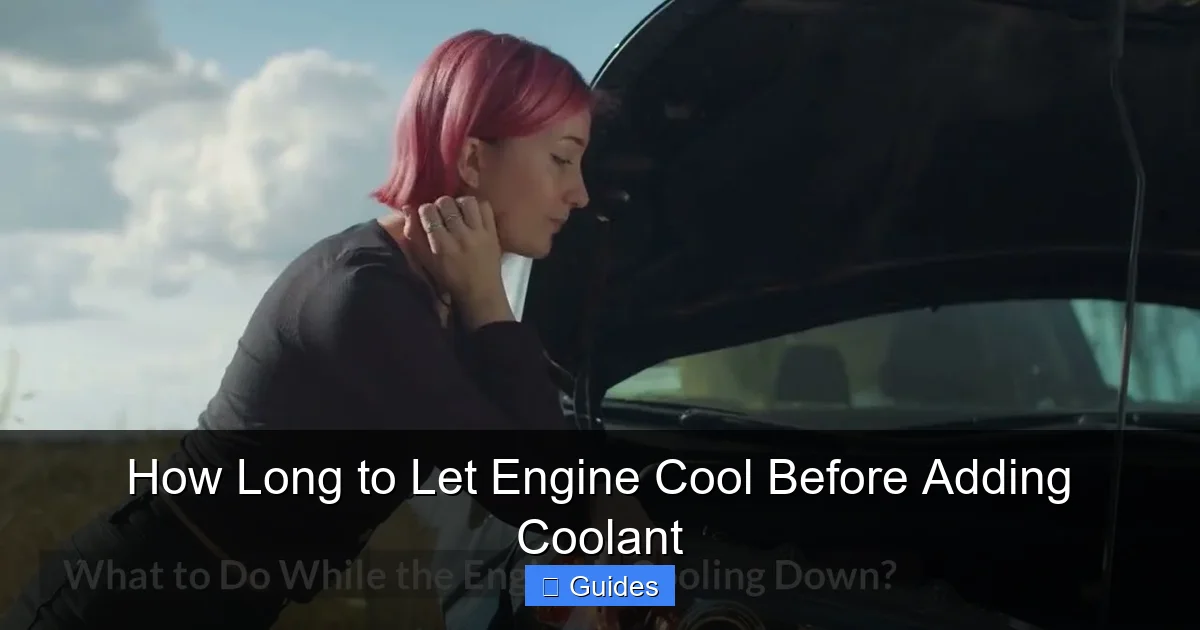
Once your engine has cooled, it’s time to check and add coolant—safely. Start by locating the coolant reservoir. Most modern cars have a translucent plastic tank near the radiator with “MIN” and “MAX” markings. This is the safest place to add coolant, even if the engine is slightly warm, because it’s not under direct pressure.
Step-by-Step: Adding Coolant the Right Way
1. Park on level ground and turn off the engine. Let it cool as described above.
2. Locate the coolant reservoir. It’s usually labeled and has a cap that’s easier to open than the radiator cap.
3. Check the current level. The coolant should be between the MIN and MAX lines when cold. If it’s below MIN, you need to add more.
4. Use the correct coolant. Check your owner’s manual for the recommended type (e.g., Dexcool, OAT, HOAT). Never mix different types unless specified.
5. Add coolant slowly. Pour it into the reservoir until it reaches the MAX line. Don’t overfill.
6. Replace the cap securely. Make sure it’s tight to prevent leaks.
7. Start the engine and let it run for a few minutes. This circulates the new coolant and checks for leaks.
When to Use the Radiator Cap (and When Not To)
Only open the radiator cap if the reservoir is empty or if you’re performing a full coolant flush. Even then, make sure the engine is completely cool. Turn the cap slowly—most have a two-stage release. Turn it to the first stop and wait for any pressure to escape (you’ll hear a hiss). Then turn it fully to remove it.
Never force the cap open. If it’s stuck, it’s likely still under pressure. Wait longer.
What Happens If You Add Coolant to a Hot Engine?
Adding coolant to a hot engine might seem harmless, but the consequences can be severe. The most immediate risk is personal injury. When you open a pressurized hot system, coolant can spray out at high velocity, reaching temperatures over 200°F. This can cause second- or third-degree burns on skin and eyes.
Mechanically, the damage can be even worse. The sudden temperature drop can cause thermal shock. Engine components like the cylinder head and engine block are made of cast iron or aluminum, which expand and contract with heat. Rapid cooling can warp these parts, leading to:
– Cracked cylinder heads
– Warped engine blocks
– Blown head gaskets
– Coolant leaks
A blown head gasket is especially costly to repair—often requiring engine disassembly and replacement parts. In extreme cases, the engine may need to be rebuilt or replaced entirely.
Even if no visible damage occurs, introducing cold coolant into a hot system can reduce the efficiency of the cooling system. Air pockets may form, leading to hot spots and potential overheating. Over time, this can shorten the life of your engine.
Best Practices for Coolant Maintenance
To avoid these risks, follow these best practices for coolant care:
Check Coolant Levels Regularly
Make it a habit to check your coolant level every few weeks or before long trips. A low level could indicate a leak or evaporation (more common in older systems). Top it off as needed, but always wait for the engine to cool.
Use the Right Coolant Mix
Most coolants come pre-mixed 50/50 with water, but some require dilution. Never use straight coolant—it doesn’t transfer heat as efficiently. Distilled water is best for mixing; tap water can contain minerals that cause corrosion.
Flush and Replace Coolant as Recommended
Coolant breaks down over time and loses its protective properties. Most manufacturers recommend a flush every 30,000 to 100,000 miles, depending on the type. Check your owner’s manual for specifics.
Inspect for Leaks and Damage
Look for puddles under your car, white residue around hoses, or a sweet smell (coolant has a distinct odor). These are signs of leaks. Address them promptly to prevent overheating.
Keep the Radiator Clean
Dirt, bugs, and debris can block airflow through the radiator. Clean it gently with a hose or compressed air during oil changes.
Common Mistakes to Avoid
Even experienced drivers make coolant mistakes. Here are the most common ones—and how to avoid them:
– Adding coolant while the engine is hot: Always wait. No exceptions.
– Mixing different coolant types: This can cause sludge, corrosion, or reduced performance. Stick to one type.
– Overfilling the reservoir: Coolant expands when hot. Leave room for expansion.
– Using tap water instead of distilled: Minerals in tap water can clog the system.
– Ignoring the coolant cap: A loose or damaged cap can cause leaks and overheating.
When to Call a Professional
While topping off coolant is a simple DIY task, some situations require a mechanic:
– Frequent coolant loss
– Overheating despite proper levels
– Milky or oily coolant (sign of a head gasket leak)
– Sweet-smelling smoke from the exhaust
– Visible cracks or damage to hoses or the radiator
If you’re unsure, it’s always better to get a professional inspection. A small issue today can become a major repair tomorrow.
Conclusion
Knowing how long to let the engine cool before adding coolant is a small but crucial part of car maintenance. Waiting 30 minutes to 2 hours protects you from burns and your engine from costly damage. By understanding your cooling system, following safe procedures, and avoiding common mistakes, you’ll keep your vehicle running smoothly for years to come.
Remember: patience pays off. Rushing coolant refills might save a few minutes now, but it could cost thousands later. Always prioritize safety, use the right products, and consult your owner’s manual. With these habits, you’ll be a confident, responsible car owner—ready to handle coolant maintenance like a pro.
Frequently Asked Questions
Can I add coolant while the engine is still warm?
No, you should never add coolant to a hot or even warm engine. The system is pressurized and can release scalding coolant or steam when opened. Wait until the engine is cool to the touch—usually 30 minutes to 2 hours after driving.
How do I know if my engine is cool enough to add coolant?
Check the radiator hose and engine block. If you can comfortably touch them without discomfort, it’s likely safe. Also, ensure the temperature gauge is back to normal and there’s no hissing when you gently press the radiator cap.
Is it okay to top off coolant through the reservoir when the engine is warm?
Yes, the coolant reservoir is designed for this. As long as the engine isn’t scalding hot, you can safely add coolant to the reservoir. Just avoid opening the radiator cap until the engine is fully cool.
What happens if I accidentally open a hot radiator cap?
You risk serious burns from steam and boiling coolant. The sudden pressure release can also damage engine components. If this happens, seek medical attention if injured and have your vehicle inspected for damage.
Can I use water instead of coolant in an emergency?
Only in extreme emergencies and for short distances. Water lacks the corrosion inhibitors and antifreeze properties of coolant. Replace it with the correct coolant mix as soon as possible.
How often should I check my coolant level?
Check it every few weeks or before long trips. Regular checks help you catch leaks or low levels early, preventing overheating and engine damage.

At CarLegit, we believe information should be clear, factual, and genuinely helpful. That’s why every guide, review, and update on our website is created with care, research, and a strong focus on user experience.