
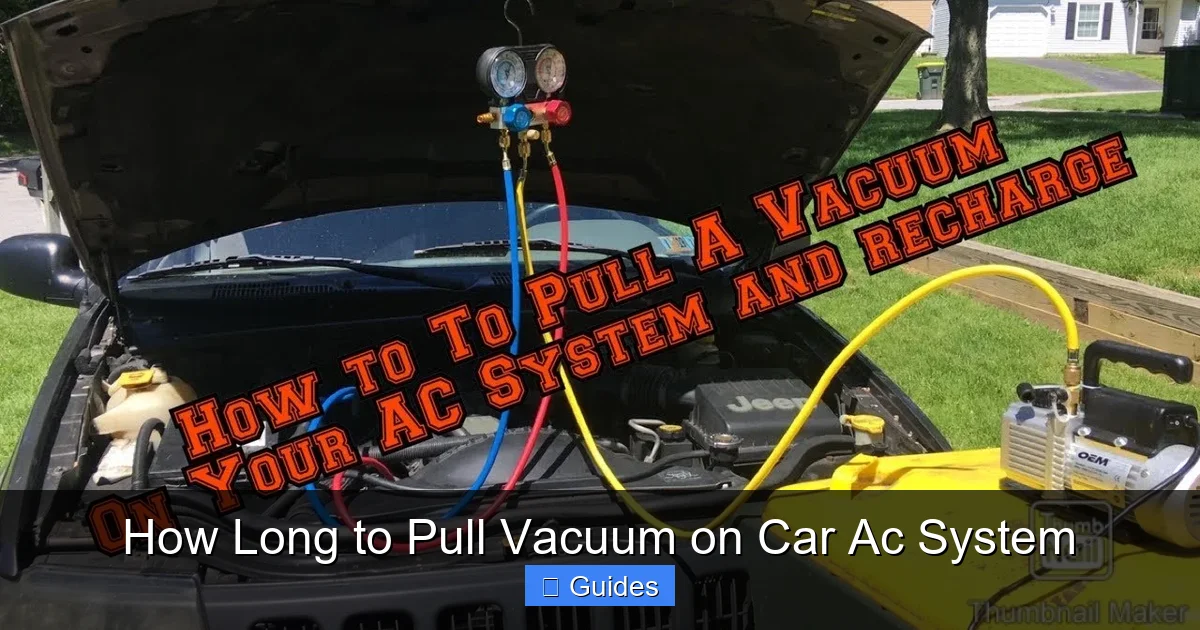
Pulling a vacuum on your car’s AC system is a critical step to remove moisture and air, ensuring efficient cooling and preventing damage. The process typically takes 30 to 60 minutes, depending on system size and equipment, but rushing it can lead to poor performance or compressor failure.
In This Article
- 1 Key Takeaways
- 2 📑 Table of Contents
- 3 Why Pulling a Vacuum on Your Car’s AC System Matters
- 4 How Long Should You Pull Vacuum on a Car AC System?
- 5 Step-by-Step Guide to Pulling a Vacuum on Your Car’s AC System
- 6 Common Mistakes to Avoid When Pulling a Vacuum
- 7 Signs Your AC System Needs a Vacuum
- 8 Professional vs. DIY: When to Call a Technician
- 9 Conclusion
- 10 Frequently Asked Questions
Key Takeaways
- Standard vacuum time is 30–60 minutes: Most automotive AC systems require at least 30 minutes of continuous vacuuming to remove moisture and non-condensable gases effectively.
- Use a vacuum pump rated for AC work: A high-quality vacuum pump (at least 5 CFM) ensures faster and more thorough evacuation.
- Check for leaks before pulling vacuum: A leaky system will prevent you from achieving and holding a deep vacuum, wasting time and effort.
- Monitor vacuum gauge readings: Aim for 500 microns or lower and hold that level for at least 15–30 minutes to confirm system integrity.
- Don’t skip the vacuum step: Recharging without proper evacuation introduces moisture, which can freeze, corrode components, and reduce cooling efficiency.
- Environmental factors matter: Humid conditions may require longer vacuum times due to increased moisture absorption in hoses and components.
- Follow manufacturer guidelines: Some vehicles, especially hybrids or those with electric compressors, may have specific vacuum requirements.
📑 Table of Contents
- Why Pulling a Vacuum on Your Car’s AC System Matters
- How Long Should You Pull Vacuum on a Car AC System?
- Step-by-Step Guide to Pulling a Vacuum on Your Car’s AC System
- Common Mistakes to Avoid When Pulling a Vacuum
- Signs Your AC System Needs a Vacuum
- Professional vs. DIY: When to Call a Technician
- Conclusion
Why Pulling a Vacuum on Your Car’s AC System Matters
If your car’s air conditioning isn’t blowing cold air, you might be tempted to just “top off” the refrigerant and hope for the best. But that’s like putting a bandage on a broken pipe—it might seem to help for a moment, but the real problem remains. One of the most overlooked yet essential steps in AC repair or recharge is pulling a vacuum on the system. This process isn’t just a formality; it’s a critical procedure that ensures your AC works efficiently, lasts longer, and avoids costly damage down the road.
When refrigerant circulates through your car’s AC system, it does more than just cool the air—it also carries lubricating oil and operates under high pressure. But if air or moisture gets trapped inside, it can cause serious problems. Air contains oxygen and nitrogen, which don’t condense like refrigerant and create pressure imbalances. Moisture, on the other hand, is even more dangerous. It can freeze in the expansion valve, block refrigerant flow, and react with refrigerant to form acidic compounds that corrode internal components like the compressor. Over time, this corrosion can lead to system failure, requiring expensive replacements.
That’s where pulling a vacuum comes in. By using a vacuum pump to remove air and moisture from the AC system, you create a clean, dry environment ready for refrigerant. Think of it like preparing a surgical field before an operation—everything must be sterile and free of contaminants. Without this step, even a perfectly recharged system can underperform or fail prematurely. Whether you’re recharging after a repair, replacing a component, or simply doing routine maintenance, pulling a vacuum is non-negotiable.
How Long Should You Pull Vacuum on a Car AC System?
Visual guide about How Long to Pull Vacuum on Car Ac System
Image source: cleaningbeasts.com
So, how long should you actually leave the vacuum pump running? The short answer is: at least 30 minutes, but often closer to 45–60 minutes for best results. However, time alone isn’t the only factor—what matters most is achieving and holding a deep vacuum, measured in microns.
A micron is a unit of pressure equal to one-millionth of a meter of mercury (µm Hg). The deeper the vacuum (the lower the micron reading), the more moisture and air have been removed. Most automotive technicians aim for a vacuum level of 500 microns or lower. To reach this level and ensure it holds, you’ll typically need to run the vacuum pump for a minimum of 30 minutes. But in many cases—especially if the system has been open for a while or if you’re working in a humid environment—you may need to go longer.
For example, if you’ve just replaced a compressor or opened the system to fix a leak, moisture may have seeped into the hoses and components. In such cases, 45 to 60 minutes of continuous vacuuming is recommended. Some professionals even go up to 90 minutes for heavily contaminated systems. The key is not just reaching 500 microns, but holding that level for at least 15–30 minutes without a significant rise in pressure. If the vacuum starts to climb, it could indicate a leak or residual moisture still evaporating.
It’s also important to note that smaller systems, like those in compact cars, may reach a deep vacuum faster than larger systems in SUVs or trucks. But even then, don’t cut corners. Rushing the process can leave behind moisture that will cause problems later. Patience here pays off in the long run.
Factors That Influence Vacuum Time
Several factors can affect how long you need to pull a vacuum on your car’s AC system. Understanding these can help you adjust your approach and avoid common mistakes.
First, the size of the AC system plays a role. Larger vehicles with bigger evaporators and condensers have more internal volume, which means more air and moisture to remove. A full-size SUV might take 60 minutes, while a small hatchback could be ready in 30–40 minutes.
Second, the length of time the system has been open matters. If you’ve just replaced a hose or compressor and the system was exposed to air for several hours, moisture absorption is likely high. In such cases, longer vacuum times are necessary to ensure all moisture is pulled out.
Third, ambient humidity is a big factor. On a rainy or humid day, moisture in the air can seep into the system even after you’ve started vacuuming. This is why many professionals recommend pulling vacuum in a garage or climate-controlled environment when possible.
Finally, the quality of your vacuum pump and hoses makes a difference. A weak pump (under 3 CFM) will take much longer to achieve a deep vacuum than a high-performance one (5 CFM or higher). Similarly, using old or cracked hoses can introduce leaks, making it harder to hold a vacuum.
Step-by-Step Guide to Pulling a Vacuum on Your Car’s AC System
Visual guide about How Long to Pull Vacuum on Car Ac System
Image source: rxmechanic.com
Now that you know why and how long to pull a vacuum, let’s walk through the actual process. Whether you’re a DIY enthusiast or a professional technician, following these steps will help ensure a successful evacuation.
Gather the Right Tools
Before you start, make sure you have the necessary equipment:
– A vacuum pump (preferably 5 CFM or higher)
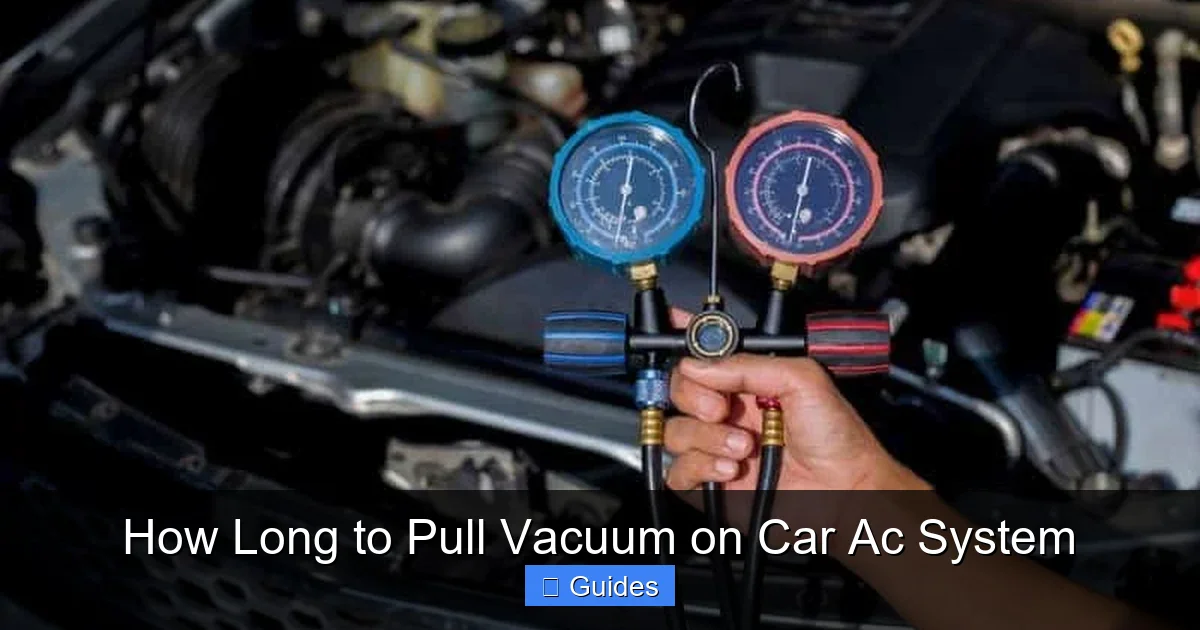
– A manifold gauge set with hoses
– A digital vacuum gauge (or a compound gauge with micron reading)
– Safety glasses and gloves
– Refrigerant recovery machine (if removing existing refrigerant)
Prepare the Vehicle
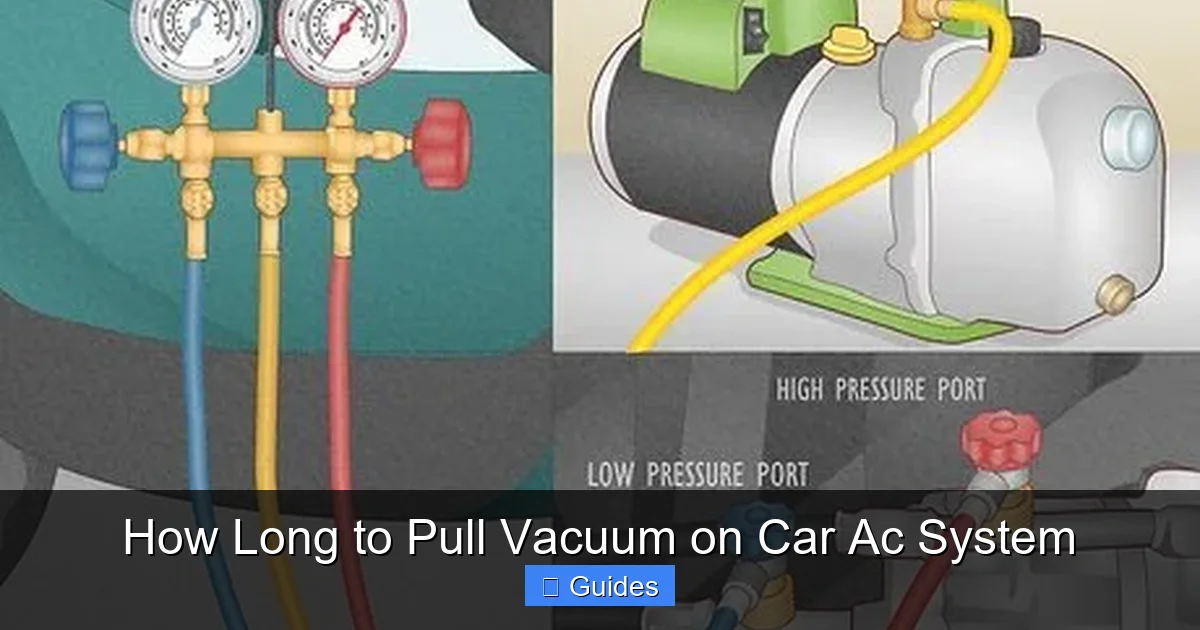
Turn off the engine and make sure the car is parked on a level surface. Locate the low-pressure and high-pressure service ports—usually marked with “L” and “H” or color-coded (blue for low, red for high). Remove the caps and inspect the ports for dirt or damage.
Connect the Gauge Set and Pump
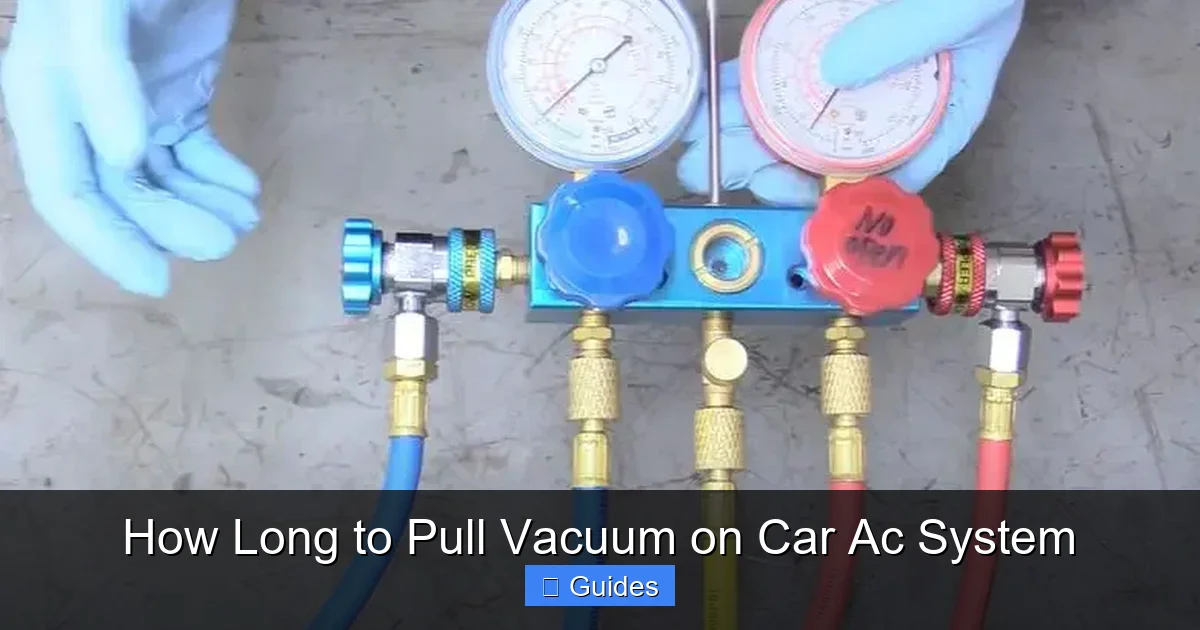
Attach the blue hose from your manifold gauge set to the low-pressure port and the red hose to the high-pressure port. Connect the yellow center hose to your vacuum pump. Make sure all connections are tight to prevent leaks.
Open the Valves and Start the Pump
Open both the low and high-side valves on the manifold gauge set. This allows the vacuum pump to pull air and moisture from the entire system. Turn on the vacuum pump and watch the gauge. You should see the pressure drop rapidly at first, then slow down as it approaches a deep vacuum.
Monitor the Vacuum Level
Let the pump run for at least 30 minutes. Use a digital vacuum gauge to monitor the micron level. Aim for 500 microns or lower. If you’re using an analog gauge, look for a reading below 29.9 inHg (inches of mercury), but note that analog gauges are less precise than digital ones.
Check for Leaks and Hold the Vacuum
After reaching 500 microns, close the valves on the manifold gauge set and turn off the pump. Watch the gauge for the next 15–30 minutes. If the pressure rises significantly (more than 100 microns), there may be a leak in the system. Use a leak detector or soapy water to find and fix any leaks before proceeding.
Break the Vacuum and Recharge
Once you’ve held a deep vacuum for at least 15 minutes, you’re ready to recharge the system. Close the valves, disconnect the hoses, and carefully add the correct type and amount of refrigerant as specified in your vehicle’s service manual.
Common Mistakes to Avoid When Pulling a Vacuum
Visual guide about How Long to Pull Vacuum on Car Ac System
Image source: wikihow.com
Even experienced mechanics can make mistakes when pulling a vacuum on a car’s AC system. Avoiding these common errors will save you time, money, and frustration.
Not Pulling a Vacuum at All
This is the biggest mistake. Some people skip vacuuming altogether, thinking they can just add refrigerant and be done. But without removing moisture and air, the system will never perform properly. Moisture can freeze in the expansion valve, causing blockages, or react with refrigerant to form acids that damage the compressor.
Using the Wrong Equipment
A weak vacuum pump or low-quality hoses can make the process inefficient or ineffective. A pump with less than 3 CFM may never reach a deep vacuum, especially in larger systems. Always use a pump rated for HVAC or automotive use.
Not Checking for Leaks First
If your system has a leak, pulling a vacuum will be pointless. The pump will struggle to hold a vacuum, and you’ll waste time and refrigerant. Always perform a leak test before evacuation.
Rushing the Process
Thirty minutes is the minimum, but many systems need longer. Don’t stop just because the gauge hits 500 microns. Hold that level and monitor for stability. Rushing can leave behind moisture that causes problems later.
Ignoring Manufacturer Specifications
Some vehicles, especially newer models with hybrid systems or electric compressors, have specific vacuum requirements. Always consult your service manual before starting.
Signs Your AC System Needs a Vacuum
How do you know if your car’s AC system needs a vacuum? While it’s always required after opening the system, there are also warning signs that indicate moisture or air contamination.
– **Weak or warm airflow:** If your AC isn’t blowing as cold as it used to, moisture or air in the system could be blocking refrigerant flow.
– **Hissing or gurgling sounds:** These noises often indicate refrigerant boiling off due to moisture turning to vapor.
– **Frequent compressor cycling:** Moisture can cause pressure fluctuations, making the compressor turn on and off rapidly.
– **Ice buildup on components:** Moisture freezing in the evaporator or expansion valve can cause ice to form, blocking airflow.
– **Burning smell or oily residue:** Acid formation from moisture and refrigerant can damage seals and create unpleasant odors.
If you notice any of these signs, it’s time to inspect and possibly evacuate the system.
Professional vs. DIY: When to Call a Technician
While pulling a vacuum is something many DIYers can do, there are times when it’s best to leave it to the professionals.
If you’re not confident in your ability to detect leaks, use a vacuum pump, or handle refrigerant safely, it’s better to visit a certified technician. Refrigerant is regulated, and improper handling can be dangerous to you and the environment. Additionally, modern vehicles with advanced climate control systems may require specialized equipment and procedures.
That said, if you have the right tools and follow proper safety protocols, DIY vacuuming is entirely feasible. Just make sure to wear safety gear, work in a well-ventilated area, and dispose of refrigerant responsibly.
Conclusion
Pulling a vacuum on your car’s AC system isn’t just a recommended step—it’s essential for performance, efficiency, and longevity. While the process typically takes 30 to 60 minutes, the real measure of success is achieving and holding a deep vacuum of 500 microns or lower. Skipping this step or rushing through it can lead to moisture buildup, component damage, and poor cooling.
By using the right equipment, following proper procedures, and allowing enough time for thorough evacuation, you’ll ensure your AC system operates at its best. Whether you’re a weekend mechanic or a seasoned pro, taking the time to pull a vacuum properly will pay off in colder air, fewer repairs, and a happier driving experience.
Remember: a well-maintained AC system doesn’t just keep you cool—it keeps your car running smoothly for years to come.
Frequently Asked Questions
How long should I pull a vacuum on a car AC system?
You should pull a vacuum for at least 30 minutes, but 45–60 minutes is recommended for most systems. The goal is to reach 500 microns or lower and hold that level for 15–30 minutes to ensure all moisture and air are removed.
Can I recharge my AC without pulling a vacuum?
No, recharging without pulling a vacuum is not recommended. Moisture and air in the system can cause freezing, corrosion, and reduced cooling performance, potentially leading to compressor failure.
What happens if I don’t pull a vacuum long enough?
If you don’t pull a vacuum long enough, moisture may remain in the system. This can freeze in the expansion valve, create acidic compounds, and damage internal components, resulting in poor cooling and costly repairs.
How do I know if my vacuum pump is strong enough?
A good vacuum pump for automotive use should have a flow rate of at least 5 CFM (cubic feet per minute). Lower-rated pumps may struggle to achieve a deep vacuum, especially in larger AC systems.
Can humidity affect vacuum time?
Yes, high humidity can increase vacuum time because moisture in the air can seep into the system during evacuation. Working in a dry, climate-controlled environment helps reduce this issue.
Do I need a digital vacuum gauge?
While not strictly required, a digital vacuum gauge is highly recommended. It provides precise micron readings, making it easier to confirm that the system has reached and held a deep vacuum.

At CarLegit, we believe information should be clear, factual, and genuinely helpful. That’s why every guide, review, and update on our website is created with care, research, and a strong focus on user experience.