
The Toyota 1UR-FE 4.7L V8 engine is renowned for its durability, often lasting 250,000 to 350,000 miles or more with proper care. Built with robust engineering and high-quality materials, this powerplant powers popular models like the Land Cruiser, Tundra, and Sequoia, offering long-term reliability when maintained correctly.
In This Article
- 1 Key Takeaways
- 2 📑 Table of Contents
- 3 How Long Will a Toyota 47 V8 Last?
- 4 Understanding the Toyota 47 V8 Engine
- 5 Real-World Longevity: What Owners Are Saying
- 6 Maintenance Tips to Maximize Engine Life
- 7 Common Problems and How to Address Them
- 8 Driving Conditions and Their Impact
- 9 Upgrades and Modifications That Help
- 10 Conclusion: A Lifetime Engine with the Right Care
- 11 Frequently Asked Questions
Key Takeaways
- Engine Longevity: The Toyota 47 V8 can easily surpass 250,000 miles and reach 350,000+ miles with consistent maintenance.
- Built for Toughness: Known for its forged internals and reliable timing chain, the 1UR-FE is engineered for heavy-duty use.
- Maintenance Is Key: Regular oil changes, coolant flushes, and timing chain inspections are critical to extending engine life.
- Real-World Examples: Many owners report trouble-free operation beyond 300,000 miles, especially in well-maintained vehicles.
- Common Issues to Watch: Oil consumption, VVT-i solenoid problems, and water pump wear are manageable with early detection.
- Fuel and Oil Quality Matter: Using premium fuel and high-quality synthetic oil improves performance and longevity.
- Ideal for Off-Road and Towing: The 47 V8 excels in demanding conditions, making it a favorite among overlanders and truck enthusiasts.
📑 Table of Contents
- How Long Will a Toyota 47 V8 Last?
- Understanding the Toyota 47 V8 Engine
- Real-World Longevity: What Owners Are Saying
- Maintenance Tips to Maximize Engine Life
- Common Problems and How to Address Them
- Driving Conditions and Their Impact
- Upgrades and Modifications That Help
- Conclusion: A Lifetime Engine with the Right Care
How Long Will a Toyota 47 V8 Last?
If you’re considering buying a Toyota powered by the 4.7L V8 engine—or you already own one—you’re probably wondering: just how long will this engine really last? The short answer? A very long time. The Toyota 47 V8, officially known as the 1UR-FE, is one of the most dependable engines ever built by Toyota. With proper care, it can easily outlive the vehicle it’s installed in.
This engine has earned a stellar reputation among mechanics, off-roaders, and daily drivers alike. Found in iconic models like the Toyota Land Cruiser, Tundra, Sequoia, and Lexus LX 570, the 47 V8 combines smooth power delivery with rugged durability. It’s not uncommon to hear stories of these engines hitting 300,000 miles or more without a major rebuild. But longevity isn’t just about luck—it’s about understanding the engine’s strengths, weaknesses, and maintenance needs.
In this guide, we’ll dive deep into what makes the Toyota 47 V8 so durable, how to keep it running strong, and what real-world owners are experiencing. Whether you’re using it for daily commuting, weekend adventures, or heavy towing, knowing how to care for this engine can save you thousands in repairs and keep you on the road for decades.
Understanding the Toyota 47 V8 Engine
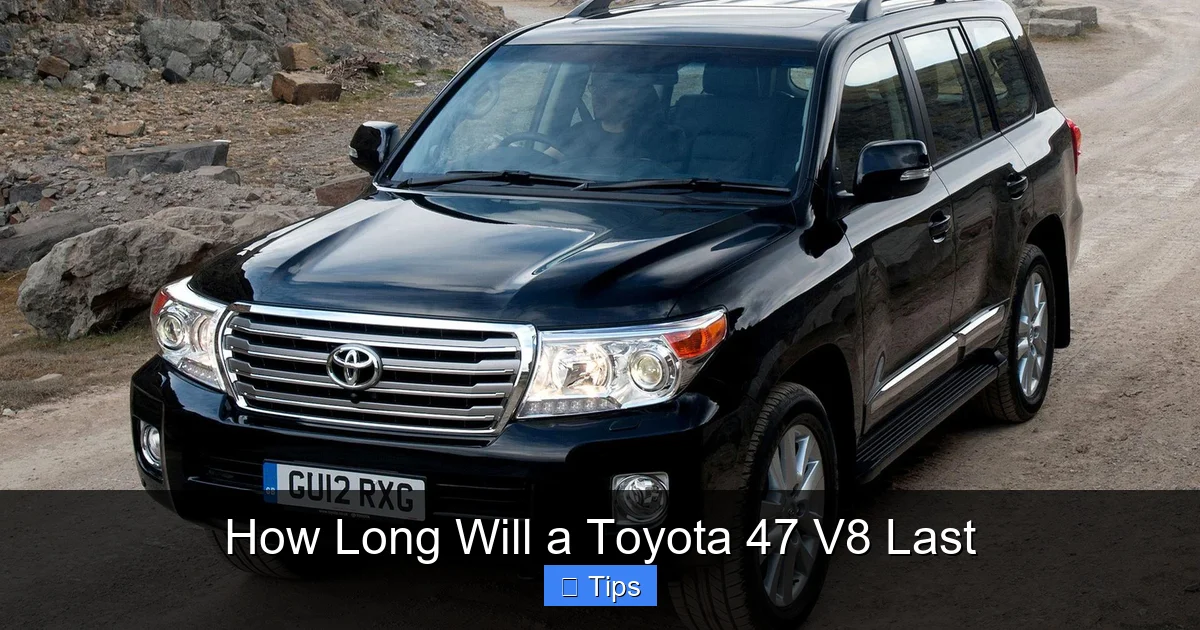
Visual guide about How Long Will a Toyota 47 V8 Last
Image source: wallpaperaccess.com
Before we talk about lifespan, let’s get familiar with the engine itself. The 1UR-FE is a 4.7-liter, naturally aspirated V8 that debuted in 2007 and has been used in several Toyota and Lexus models ever since. It produces around 381 horsepower and 369 lb-ft of torque, depending on the application and model year.
One of the key reasons this engine lasts so long is its conservative design. Unlike high-strung performance engines that push limits, the 47 V8 is built for reliability and longevity. It uses a cast-iron engine block, which is heavier but far more durable than aluminum blocks under stress. The cylinder heads are aluminum, helping reduce weight while maintaining strength.
Key Engineering Features
Several design elements contribute to the 47 V8’s legendary durability:
– Forged Steel Crankshaft: This is a big deal. Forged internals are stronger than cast ones and can handle higher stress over time. The crankshaft in the 1UR-FE is forged, giving it excellent resistance to wear and fatigue.
– Timing Chain Instead of Belt: Many engines use a timing belt that needs replacement every 60,000 to 100,000 miles. The 47 V8 uses a timing chain, which is designed to last the life of the engine—no scheduled replacements needed.
– Variable Valve Timing (VVT-i): This system optimizes engine performance and efficiency across different RPM ranges. While VVT-i solenoids can occasionally fail, the system itself is reliable and helps reduce engine strain.
– Hydraulic Lifters: These automatically adjust valve clearance, eliminating the need for manual adjustments and reducing wear on valve train components.
– Robust Oiling System: The engine is designed to maintain consistent oil pressure even under extreme conditions, such as off-roading or towing heavy loads.
These features, combined with Toyota’s reputation for quality control, make the 47 V8 a standout in the world of modern V8 engines.
Where You’ll Find the 47 V8
The 1UR-FE engine is used in several high-end Toyota and Lexus vehicles, including:
– Toyota Land Cruiser (2008–2021)
– Toyota Tundra (2007–2021, select trims)
– Toyota Sequoia (2008–2022)
– Lexus LX 570 (2008–2021)
These vehicles are often used in demanding environments—desert trails, mountain roads, construction sites, and long-haul towing. The fact that the 47 V8 thrives in these conditions speaks volumes about its durability.
Real-World Longevity: What Owners Are Saying

Visual guide about How Long Will a Toyota 47 V8 Last
Image source: carsguide-res.cloudinary.com
One of the best ways to gauge how long a Toyota 47 V8 will last is to look at real-world data from owners. Across forums like Toyota Nation, Tundra Headquarters, and Land Cruiser forums, there are countless stories of these engines reaching impressive mileage milestones.
Mileage Milestones and Owner Experiences
Let’s look at a few real examples:
– A 2008 Toyota Land Cruiser owner in Arizona reported 342,000 miles with only routine maintenance. The engine still ran smoothly, with no signs of major wear.
– A Tundra owner from Texas used his truck for heavy towing and daily driving. At 310,000 miles, he replaced the water pump and VVT-i solenoids but kept the original engine block and heads.
– A Sequoia owner in Colorado documented 285,000 miles with regular oil changes every 5,000 miles and no major engine work.
These stories aren’t outliers—they’re becoming the norm. The consensus among long-term owners is clear: with proper care, the 47 V8 can easily last 250,000 to 350,000 miles. Some even push past 400,000 miles with minor rebuilds or component replacements.
Factors That Influence Longevity
While the engine itself is built to last, several factors determine how long it will actually run:
– Driving Habits: Gentle acceleration, avoiding excessive idling, and not overloading the vehicle help reduce engine stress.
– Climate: Extreme heat or cold can affect engine wear. In hot climates, coolant system maintenance is crucial. In cold areas, using the right oil viscosity matters.
– Towing and Load: The 47 V8 is strong, but frequent heavy towing without proper cooling can accelerate wear. Using a transmission cooler and monitoring fluid temps helps.
– Maintenance History: This is the biggest factor. An engine with complete service records and timely repairs will far outlast one that’s been neglected.
Maintenance Tips to Maximize Engine Life
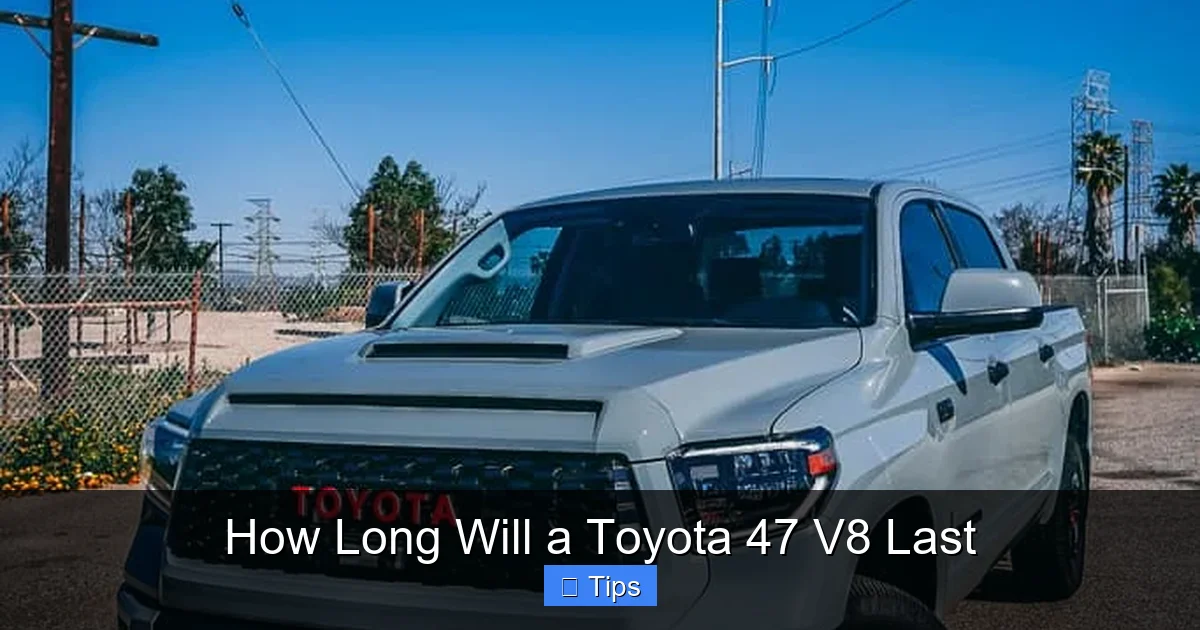
Visual guide about How Long Will a Toyota 47 V8 Last
Image source: charlesandhudson.com
You’ve probably heard the saying: “It’s not the miles, it’s the maintenance.” That’s especially true for the Toyota 47 V8. While the engine is tough, it still needs regular care to reach its full potential.
Oil Changes: The #1 Priority
Oil is the lifeblood of any engine, and the 47 V8 is no exception. Toyota recommends changing the oil every 5,000 to 7,500 miles, depending on driving conditions.
– Use high-quality synthetic oil (5W-30 is standard).
– Replace the oil filter with every change.
– Check oil levels monthly—some 47 V8s consume a small amount of oil over time.
Neglecting oil changes is the fastest way to shorten engine life. Dirty oil leads to sludge, increased friction, and premature wear on bearings and camshafts.
Cooling System Care
The cooling system is critical, especially if you live in a hot climate or do a lot of towing.
– Flush the coolant every 60,000 to 100,000 miles.
– Use Toyota Super Long Life Coolant or equivalent.
– Inspect hoses and radiator for leaks or cracks.
– Check the water pump for leaks or noise—common failure point around 150,000–200,000 miles.
A failing water pump can lead to overheating, which may cause warped heads or blown head gaskets—expensive repairs that could’ve been avoided.
Timing Chain and Tensioner Inspection
While the timing chain is designed to last, it’s not invincible. Over time, the chain can stretch, and the tensioner may wear.
– Listen for rattling noises at startup—this could indicate chain slack.
– Have the timing system inspected during major services (around 150,000 miles).
– Replace the chain and tensioner if excessive wear is found.
Unlike timing belts, chains don’t have a strict replacement interval, but they do need monitoring.
VVT-i Solenoids and Oil Control Valves
The Variable Valve Timing system relies on solenoids to control oil flow. These can get clogged with debris or fail over time.
– Symptoms include rough idle, reduced fuel economy, or check engine light (often P1349 or P1351 codes).
– Clean or replace solenoids every 100,000–150,000 miles as preventive maintenance.
– Use high-quality oil to reduce sludge buildup.
This is a common but manageable issue—don’t ignore it.
Fuel System and Air Filter Maintenance
Clean fuel and air are essential for engine health.
– Replace the fuel filter every 60,000 miles (if equipped—some models have lifetime filters).
– Use premium fuel (91 octane or higher) to prevent knocking and maintain performance.
– Change the air filter every 15,000 to 30,000 miles, or more often in dusty environments.
A clogged air filter reduces airflow, forcing the engine to work harder and reducing efficiency.
Transmission and Drivetrain Care
While not part of the engine, the transmission and drivetrain affect overall engine load and longevity.
– Change transmission fluid every 60,000 to 100,000 miles.
– Use a transmission cooler if towing frequently.
– Inspect driveshaft, U-joints, and differentials for wear.
A well-maintained drivetrain reduces strain on the engine and improves fuel economy.
Common Problems and How to Address Them
No engine is perfect, and the 47 V8 has a few known issues. But the good news? Most are preventable or fixable without a full engine rebuild.
Oil Consumption
Some 47 V8 engines burn oil—typically 1 quart every 1,000 to 2,000 miles. This isn’t necessarily a sign of failure, but it should be monitored.
– Check oil level weekly.
– Top off as needed.
– If consumption exceeds 1 quart per 1,000 miles, have the engine inspected for worn piston rings or valve seals.
Water Pump Failure
The water pump is a common failure point, often around 150,000 miles.
– Signs: Coolant leak near the front of the engine, whining noise, overheating.
– Replace with a high-quality OEM or aftermarket unit.
– Consider replacing the thermostat at the same time.
VVT-i Solenoid Issues
As mentioned earlier, these solenoids can clog or fail.
– Clean with brake cleaner or replace entirely.
– Use synthetic oil to reduce sludge.
– Reset the ECU after replacement.
Exhaust Manifold Cracks
Some 47 V8s develop cracks in the exhaust manifolds, especially in cold climates.
– Symptoms: Ticking noise at idle, reduced performance.
– Replace with updated manifolds or headers.
– Use high-temperature sealant if reinstalling.
Throttle Body and MAF Sensor Cleaning
Over time, carbon buildup can affect throttle response.
– Clean the throttle body every 60,000 miles.
– Clean the Mass Air Flow (MAF) sensor with MAF cleaner.
– Reset the ECU after cleaning.
Driving Conditions and Their Impact
How you drive and where you drive plays a huge role in engine longevity.
Daily Commuting
City driving with frequent stop-and-go traffic can increase engine wear due to constant acceleration and idling. However, the 47 V8 handles this well if maintained properly.
– Use synthetic oil.
– Avoid short trips when possible—engines last longer when they reach full operating temperature regularly.
Off-Roading and Overlanding
The Land Cruiser and 47 V8 are legendary off-road. But rough terrain can stress the engine and cooling system.
– Install an engine skid plate.
– Monitor coolant and oil temps.
– Clean undercarriage after muddy or dusty trips.
Towing and Heavy Loads
The 47 V8 is excellent for towing, but heavy loads increase engine and transmission stress.
– Use a transmission cooler.
– Avoid overloading beyond the vehicle’s rated capacity.
– Change fluids more frequently.
Extreme Climates
– Hot Climates: Ensure the cooling system is in top shape. Use a higher concentration of coolant if needed.
– Cold Climates: Use 0W-30 or 5W-30 oil for easier cold starts. Consider a block heater.
Upgrades and Modifications That Help
While the 47 V8 is reliable stock, a few upgrades can enhance longevity and performance.
High-Flow Air Intake
Improves airflow and throttle response. Choose a quality brand to avoid debris ingestion.
Performance Exhaust
Reduces backpressure and improves efficiency. Look for mandrel-bent systems to avoid turbulence.
Engine Oil Additives (Use Wisely)
Some owners use additives like Lucas or Marvel Mystery Oil to reduce wear. Use sparingly and only with high-quality base oil.
Cooling System Upgrades
– High-capacity radiator.
– Electric fan conversion for better airflow at low speeds.
– Auxiliary transmission cooler.
Regular Diagnostics
Use an OBD2 scanner to monitor engine codes, fuel trims, and sensor data. Early detection prevents major issues.
Conclusion: A Lifetime Engine with the Right Care
So, how long will a Toyota 47 V8 last? The answer is clear: with proper maintenance, this engine can easily last 250,000 to 350,000 miles—and often much more. It’s built on a foundation of robust engineering, high-quality materials, and Toyota’s commitment to reliability.
From the forged crankshaft to the timing chain, every component is designed for long-term use. Real-world owners confirm this, with many reporting trouble-free operation well beyond 300,000 miles. Whether you’re driving a Land Cruiser through the desert or towing a trailer with a Tundra, the 47 V8 delivers consistent power and peace of mind.
But longevity doesn’t happen by accident. It requires regular oil changes, coolant flushes, and attention to warning signs. It means using quality fuel and oil, avoiding excessive strain, and addressing small issues before they become big problems.
If you’re looking for an engine that can go the distance—literally—the Toyota 47 V8 is one of the best choices on the market. Treat it well, and it will reward you with decades of dependable service.
Frequently Asked Questions
How many miles can a Toyota 47 V8 last?
A well-maintained Toyota 47 V8 can last 250,000 to 350,000 miles or more. Many owners report trouble-free operation beyond 300,000 miles with regular maintenance.
What is the most common problem with the 1UR-FE engine?
The most common issues are oil consumption, VVT-i solenoid failures, and water pump leaks. These are manageable with early detection and proper maintenance.
Does the Toyota 47 V8 have a timing belt or chain?
The 47 V8 uses a timing chain, which is designed to last the life of the engine and does not require scheduled replacement like a timing belt.
Can I use regular fuel in a Toyota 47 V8?
Toyota recommends premium fuel (91 octane or higher) for optimal performance and longevity, though the engine can run on regular fuel in a pinch.
Is the 47 V8 good for towing?
Yes, the 47 V8 is excellent for towing due to its strong torque output and durable design. Just ensure the transmission cooler is functioning and fluids are fresh.
Should I buy a high-mileage Toyota with a 47 V8?
Yes, if it has a solid maintenance history. These engines are known for lasting well beyond 200,000 miles, making high-mileage examples a smart buy with proper inspection.

At CarLegit, we believe information should be clear, factual, and genuinely helpful. That’s why every guide, review, and update on our website is created with care, research, and a strong focus on user experience.