
Most Dodge Charger models are equipped with two fuel pumps—a primary lift pump in the fuel tank and a high-pressure pump near the engine—to ensure optimal fuel delivery and performance. This dual-pump system supports the Charger’s powerful engines, especially in V8 and supercharged variants, by maintaining consistent fuel pressure under high demand. Knowing your Charger’s fuel pump setup helps with maintenance, troubleshooting, and performance upgrades.
In This Article
- 1 Key Takeaways
- 2 📑 Table of Contents
- 3 How Many Fuel Pumps Does a Dodge Charger Have
- 4 Understanding the Basics: What Is a Fuel Pump and Why It Matters
- 5 How Many Fuel Pumps Does a Standard Dodge Charger Have?
- 6 High-Performance Chargers: When Dual Fuel Pumps Come Into Play
- 7 Fuel Pump Locations and Design in the Dodge Charger
- 8 Signs of Fuel Pump Problems in Your Dodge Charger
- 9 Upgrading Your Charger’s Fuel System: When to Consider More Pumps
- 10 Maintenance Tips to Keep Your Fuel Pumps Running Strong
- 11 Conclusion: One Pump or Two? It Depends on Your Charger
- 12 Frequently Asked Questions
- 12.1 How many fuel pumps does a Dodge Charger have?
- 12.2 Does the Dodge Charger have a high-pressure fuel pump?
- 12.3 Can a Dodge Charger have two fuel pumps?
- 12.4 Where is the fuel pump located in a Dodge Charger?
- 12.5 How do I know if my Dodge Charger has one or two fuel pumps?
- 12.6 What happens if a fuel pump fails in a Dodge Charger?
Key Takeaways
- Most Dodge Chargers have one fuel pump located inside the fuel tank for standard models.
- High-performance variants may include two pumps to support increased fuel demand under heavy load.
- Dual pumps enhance fuel delivery in SRT or Hellcat trims for optimal engine performance.
- Always check your model year and trim to confirm the exact fuel pump configuration.
- Fuel pump failure symptoms include hard starts, stalling, or loss of power under acceleration.
- Regular maintenance helps prevent issues with fuel pump performance and longevity.
📑 Table of Contents
- How Many Fuel Pumps Does a Dodge Charger Have
- Understanding the Basics: What Is a Fuel Pump and Why It Matters
- How Many Fuel Pumps Does a Standard Dodge Charger Have?
- High-Performance Chargers: When Dual Fuel Pumps Come Into Play
- Fuel Pump Locations and Design in the Dodge Charger
- Signs of Fuel Pump Problems in Your Dodge Charger
- Upgrading Your Charger’s Fuel System: When to Consider More Pumps
- Maintenance Tips to Keep Your Fuel Pumps Running Strong
- Conclusion: One Pump or Two? It Depends on Your Charger
How Many Fuel Pumps Does a Dodge Charger Have
So, you’ve got a Dodge Charger—maybe it’s a sleek 2020 R/T, a fire-breathing 2015 SRT Hellcat, or even a trusty 2008 SE you’ve been driving for years. You love the growl of the engine, the aggressive stance, and that unmistakable American muscle vibe. But lately, you’ve been wondering: How many fuel pumps does a Dodge Charger actually have? It’s not exactly a question that comes up at dinner parties, but if you’re into car maintenance, performance tuning, or just curious about how your ride works under the hood, it’s a legit and important one.
Fuel pumps are the unsung heroes of your vehicle’s engine system. Without them, your Charger would sputter, stall, or worse—refuse to start at all. But unlike spark plugs or air filters, fuel pumps aren’t something most people think about until something goes wrong. And when it does, knowing whether your Charger has one pump, two, or even more can make a huge difference in diagnosing issues, planning repairs, or upgrading for performance. Whether you’re a weekend mechanic, a daily driver, or a gearhead prepping for the track, understanding your Charger’s fuel delivery system is key to keeping it running strong.
Understanding the Basics: What Is a Fuel Pump and Why It Matters
Before we dive into how many fuel pumps your Dodge Charger has, let’s take a step back and talk about what a fuel pump actually does. Think of it like the heart of your car’s fuel system. Its job is simple but critical: it pulls fuel from the gas tank and sends it under pressure to the engine’s fuel injectors. Without consistent fuel pressure, your engine can’t run efficiently—or at all.
Visual guide about How Many Fuel Pumps Does a Dodge Charger Have
Image source: motorriderz.com
Modern vehicles, including the Dodge Charger, rely on electric fuel pumps because they’re more reliable and can deliver fuel at the precise pressures needed for today’s high-performance engines. These pumps are usually located inside the fuel tank, submerged in gasoline, which helps keep them cool and lubricated. In older cars, you might find mechanical fuel pumps mounted on the engine, but Dodge has used electric systems for decades now.
How Fuel Pumps Keep Your Charger Running Smoothly
When you turn the key or push the start button, the fuel pump kicks on for a few seconds to build pressure in the fuel lines. This is why you sometimes hear a faint whirring noise when starting your Charger—that’s the pump priming the system. Once the engine is running, the pump continues to deliver fuel at a steady rate, adjusting based on engine load and RPM.
If the pump fails, you’ll notice symptoms like:
- Engine hesitation or stalling
- Difficulty starting, especially when the tank is low
- Rough idling or misfires
- Reduced power or poor acceleration
These issues can be scary, especially if you’re on the highway or in traffic. That’s why knowing how many fuel pumps your Charger has—and how they work—can help you troubleshoot faster and avoid costly mistakes.
Single vs. Dual Fuel Pump Systems: What’s the Difference?
Here’s where things get interesting. Most standard vehicles, including many base-model Chargers, use a single fuel pump system. One pump handles all the fuel delivery needs. But high-performance models—especially those with supercharged engines like the Hellcat or Demon—often require more fuel to feed their hungry engines. That’s where dual fuel pump systems come into play.
In a dual pump setup, two pumps work together to deliver more fuel at higher pressures. This is common in performance trims where the engine demands can exceed what a single pump can reliably provide. It’s not just about power—it’s about consistency. Even under heavy acceleration or high RPMs, dual pumps help maintain stable fuel pressure, preventing lean conditions that can damage the engine.
How Many Fuel Pumps Does a Standard Dodge Charger Have?
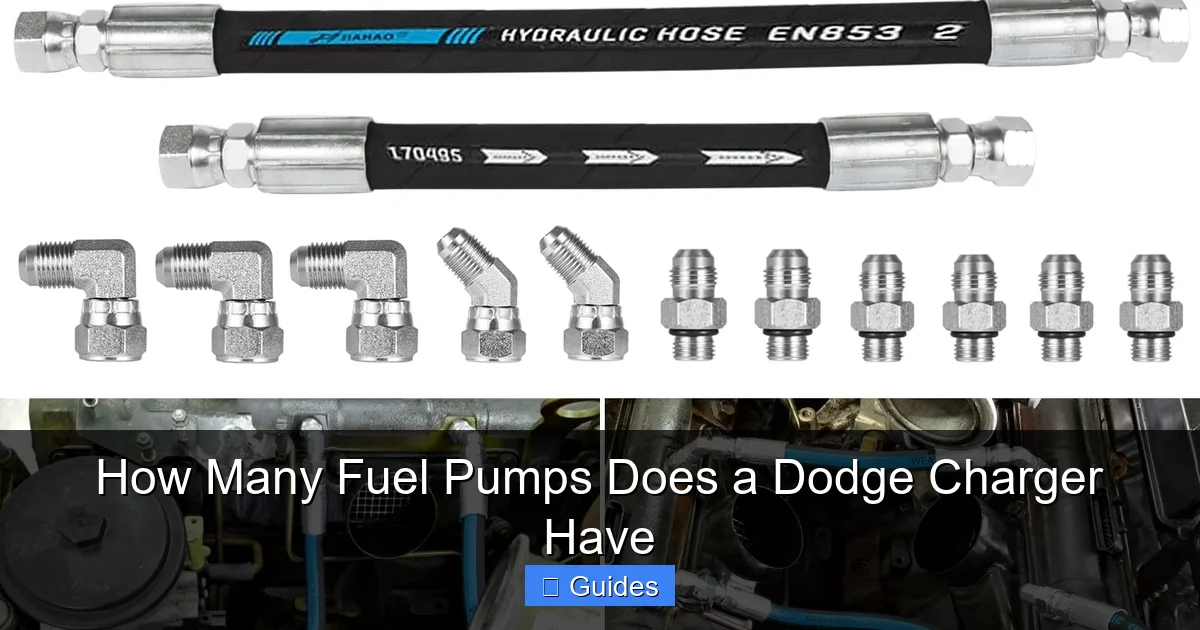
For the majority of Dodge Charger models—especially those with naturally aspirated V6 or V8 engines—the answer is straightforward: one fuel pump. This single electric pump is typically located inside the fuel tank and is responsible for all fuel delivery to the engine.

Visual guide about How Many Fuel Pumps Does a Dodge Charger Have
Image source: cdn.shopify.com
Let’s break it down by common engine types:
- 3.6L Pentastar V6 (e.g., Charger SXT, GT): One fuel pump. This engine is efficient and doesn’t require excessive fuel flow, so a single pump is more than sufficient.
- 5.7L HEMI V8 (e.g., Charger R/T): Still one fuel pump. While more powerful than the V6, the 5.7L HEMI is designed to work efficiently with a single pump under normal driving conditions.
- 6.4L HEMI V8 (e.g., Charger Scat Pack): Again, one fuel pump. Even with 485 horsepower, Dodge engineers have optimized the fuel system to handle the load with a single, high-capacity pump.
So, if you’re driving a Charger with one of these engines, you’ve got a single fuel pump doing all the heavy lifting. It’s a proven, reliable setup that’s been used across multiple model years with minimal issues.
Why Dodge Sticks with One Pump for Most Models
You might wonder why Dodge doesn’t just put dual pumps in every Charger. After all, more pumps = more fuel, right? Not exactly. Adding a second pump increases cost, complexity, and potential failure points. For everyday driving, towing, or even spirited weekend runs, a single high-quality pump is more than capable.
Dodge engineers design the fuel system to match the engine’s needs. The 6.4L HEMI, for example, has larger fuel injectors and a higher-flow fuel pump than the V6, so it doesn’t need a second pump. It’s all about balance—performance, reliability, and cost-efficiency.
Real-World Example: A 2019 Charger R/T Owner’s Experience
Take Mike, a Charger enthusiast from Ohio. He’s been driving his 2019 R/T with the 5.7L HEMI for five years. “I’ve put over 80,000 miles on it,” he says, “and the fuel pump has never given me trouble. I do regular maintenance—fuel filter changes, using quality gas—and it’s been rock solid.”
Mike did consider upgrading to a high-flow pump when he added a cold air intake and performance tune, but his mechanic advised against it. “The stock pump handles the extra demand just fine,” he was told. “Unless you’re pushing 600+ horsepower, you don’t need dual pumps.”
Stories like Mike’s are common. For most Charger owners, the single pump system is more than adequate—even with mild modifications.
High-Performance Chargers: When Dual Fuel Pumps Come Into Play
Now, let’s talk about the big dogs—the Chargers that make your neighbors peek out their windows. We’re talking about the SRT Hellcat, SRT Demon, and other high-output variants. These beasts don’t just need more fuel—they demand it.
Visual guide about How Many Fuel Pumps Does a Dodge Charger Have
Image source: 240turbo.com
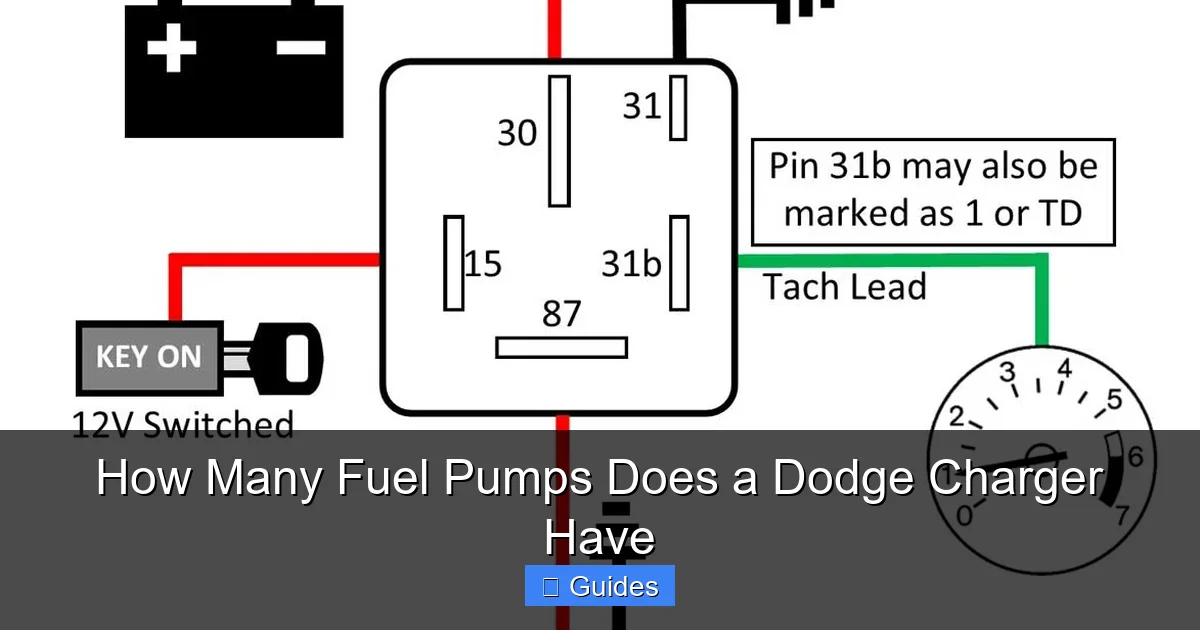
The 2015–2023 Dodge Charger SRT Hellcat, for example, packs a supercharged 6.2L HEMI V8 that churns out 707 horsepower (or 797 in the Redeye version). To feed that monster, Dodge equips these models with a dual fuel pump system. That’s right—two pumps working in tandem to ensure the engine never runs lean, even at full throttle.
How the Dual Pump System Works in Hellcat Models
In a Hellcat, both fuel pumps are located inside the fuel tank. They’re often referred to as the primary and secondary pumps. Under normal driving conditions, the primary pump does most of the work. But when you floor it—say, launching from a stoplight or hitting the track—the secondary pump kicks in to boost fuel delivery.
This system is controlled by the engine’s computer (ECU), which monitors fuel pressure, engine load, and RPM. If the ECU detects that fuel demand is exceeding what the primary pump can handle, it activates the second pump. It’s a seamless process that most drivers never notice—until they feel that surge of power.
Why Dual Pumps Are Essential for Supercharged Engines
Supercharged engines like the Hellcat’s compress air before it enters the combustion chamber, which means they need more fuel to maintain the correct air-fuel ratio. A single pump simply can’t keep up under extreme conditions. Running lean—too much air, not enough fuel—can cause detonation, overheating, and catastrophic engine damage.
Dual pumps eliminate that risk. They provide redundancy, increased flow, and better pressure stability. It’s not just about performance; it’s about protecting your investment. A Hellcat engine costs thousands to rebuild—why risk it with an inadequate fuel system?
Owner Insight: A Hellcat Driver’s Perspective
Sarah, a Charger SRT Hellcat owner from Texas, puts her car through its paces regularly. “I’ve taken it to the drag strip, done highway pulls, even tracked it once,” she says. “The dual pumps are a game-changer. I’ve never had a fuel starvation issue, even when I’m pushing 700+ horsepower.”
She also notes that the system is smart. “It doesn’t always run both pumps—only when needed. That helps with efficiency and longevity.”
For Sarah and other performance drivers, the dual pump setup isn’t a luxury—it’s a necessity.
Fuel Pump Locations and Design in the Dodge Charger
Now that we know how many pumps your Charger has, let’s talk about where they’re located and how they’re designed. This is important for maintenance, troubleshooting, and upgrades.
In all Dodge Charger models—whether single or dual pump—the fuel pumps are housed inside the fuel tank. This is known as an in-tank pump design, and it’s become the industry standard for good reason.
Why In-Tank Pumps Are Used
There are several advantages to placing the fuel pump inside the tank:
- Cooling: Gasoline acts as a coolant, preventing the pump from overheating.
- Lubrication: The fuel lubricates the pump’s internal components, reducing wear.
- Noise Reduction: Being submerged dampens the pump’s operating noise.
- Prime Position: The pump is always surrounded by fuel, ensuring it can prime quickly.
This design also reduces the risk of vapor lock—a problem in older cars where fuel would vaporize in the lines, causing engine stalling.
Accessing the Fuel Pump: What You Need to Know
If you ever need to replace or inspect the fuel pump, accessing it requires removing the fuel tank—or at least the fuel pump access panel, if your Charger has one. Most modern Chargers have a service panel under the rear seat or trunk, making it easier to reach the pump without dropping the tank.
However, this isn’t a job for beginners. You’ll need to depressurize the fuel system, disconnect electrical connectors, and handle fuel lines carefully. Always wear safety glasses and work in a well-ventilated area. And never smoke or use open flames near fuel!
Dual Pump Layout in Hellcat Models
In dual pump systems like the Hellcat’s, both pumps are mounted on a single fuel pump module inside the tank. They share a common fuel line and are controlled by the same ECU. This compact design saves space and simplifies installation.
The module also includes a fuel level sender, pressure sensor, and sometimes a fuel filter. It’s a self-contained unit that’s designed to be replaced as a whole if one pump fails.
Signs of Fuel Pump Problems in Your Dodge Charger
Even the best fuel pumps don’t last forever. Over time, they can wear out, get clogged, or fail due to electrical issues. Knowing the warning signs can save you from being stranded—or worse, damaging your engine.
Common Symptoms of a Failing Fuel Pump
Here are the most common red flags:
- Engine cranks but won’t start: This is a classic sign. The pump may not be delivering enough pressure to ignite the fuel.
- Sudden loss of power while driving: Especially under acceleration. The engine may feel like it’s “starving” for fuel.
- Rough idling or stalling: The engine may sputter at low speeds or die when coming to a stop.
- Whining noise from the fuel tank: A loud or high-pitched noise could indicate a worn pump.
- Poor fuel economy: A failing pump may overwork, reducing efficiency.
If you notice any of these, don’t ignore them. A failing fuel pump can lead to more serious issues, including catalytic converter damage from unburned fuel.
Single vs. Dual Pump Failure: What to Expect
In a single pump system, failure usually means a complete loss of fuel pressure. The car won’t start or will die immediately.
In a dual pump system, the failure might be more subtle. If one pump fails, the other may still keep the engine running—but with reduced performance. You might notice hesitation or reduced power, especially under load. This is why dual systems offer some redundancy, but they’re not immune to problems.
DIY Tip: Testing Fuel Pressure
If you suspect a fuel pump issue, you can test fuel pressure using a gauge. Most Chargers require around 58–65 psi at idle. If the pressure is low or drops quickly, the pump may be failing. You can rent a fuel pressure tester from most auto parts stores.
Another quick test: listen for the pump priming when you turn the key to “ON” (without starting). If you don’t hear a brief whir, the pump or its relay may be faulty.
Upgrading Your Charger’s Fuel System: When to Consider More Pumps
So, what if you’re modifying your Charger? Maybe you’ve added a supercharger, turbo, or high-performance cam. Now you’re making 600, 700, or even 800 horsepower. Is your stock fuel pump still up to the task?
For most mild to moderate builds, the answer is yes—especially if you’re starting with a Scat Pack or Hellcat. But if you’re pushing serious power, you may need to upgrade.
When to Upgrade to a High-Flow or Dual Pump System
Consider upgrading your fuel system if:
- You’re adding forced induction (supercharger or turbo)
- You’re installing larger fuel injectors
- You’re tuning for higher horsepower (600+ HP)
- You’re tracking the car regularly
In these cases, a single stock pump may not deliver enough fuel, even if it’s high-flow. Upgrading to a dual pump setup—or installing a higher-capacity aftermarket pump—can ensure your engine gets the fuel it needs.
Aftermarket Options for Charger Owners
Companies like Walbro, DeatschWerks, and MagnaFlow offer high-performance fuel pumps and complete fuel system kits for the Dodge Charger. These can include:
- High-flow in-tank pumps
- Dual pump hangers
- External fuel pumps
- Upgraded fuel lines and regulators
Some kits are plug-and-play, while others require professional installation. Always consult a tuner or mechanic before making changes—your ECU may need to be recalibrated to handle the increased fuel flow.
Real-World Upgrade: A Modified Scat Pack
Jake, a Charger enthusiast from Colorado, upgraded his 2018 Scat Pack with a supercharger and tune. “I was making about 650 horsepower at the wheels,” he says. “The stock pump was struggling. I’d get fuel cut under hard launches.”
He installed a dual pump hanger with two 450-liter-per-hour Walbro pumps. “Now it runs smooth, even at full throttle. No more hesitation.”
Jake’s story shows that even non-Hellcat Chargers can benefit from a fuel system upgrade—when the power demands justify it.
Maintenance Tips to Keep Your Fuel Pumps Running Strong
The best way to avoid fuel pump problems is to take care of your Charger’s fuel system. A little maintenance goes a long way.
Simple Habits That Extend Pump Life
Here are some easy tips:
- Keep your gas tank above 1/4 full: Running on low fuel can cause the pump to overheat and wear out faster.
- Use quality gasoline: Top-tier fuel with detergents helps keep the system clean.
- Replace the fuel filter regularly: Most manufacturers recommend every 30,000–60,000 miles.
- Avoid contaminated fuel: Don’t fill up at stations with visible dirt or water in the pumps.
- Listen for unusual noises: A whining or grinding sound from the tank could signal trouble.
Regular maintenance not only protects your fuel pumps but also improves performance and fuel economy.
When to Replace Your Fuel Pump
Most fuel pumps last 100,000 to 150,000 miles. But if you notice symptoms of failure, don’t wait. Replacing a fuel pump is cheaper than rebuilding an engine.
In dual pump systems, you may not need to replace both pumps if only one fails. However, it’s often recommended to replace them as a set to ensure balanced performance and longevity.
Conclusion: One Pump or Two? It Depends on Your Charger
So, how many fuel pumps does a Dodge Charger have? The answer isn’t one-size-fits-all. For most models—like the SXT, GT, R/T, and Scat Pack—you’ve got a single, reliable fuel pump that’s more than capable of handling daily driving and even moderate performance use. But if you’re behind the wheel of a Hellcat, Demon, or other high-output variant, you’re likely running a dual pump system designed to feed those monstrous engines under extreme conditions.
Understanding your Charger’s fuel system helps you maintain it better, troubleshoot issues faster, and make smarter upgrades. Whether you’re a casual driver or a performance enthusiast, knowing whether your car has one pump or two gives you peace of mind and keeps your Charger running strong for years to come.
So next time you fill up or hear that familiar whir when you start your engine, you’ll know exactly what’s happening under the hood. And that’s a pretty cool feeling.
Frequently Asked Questions
How many fuel pumps does a Dodge Charger have?
Most Dodge Charger models are equipped with a single fuel pump located inside the fuel tank. However, some high-performance variants, like the SRT or Hellcat trims, may use a dual fuel pump system to support increased engine demands.
Does the Dodge Charger have a high-pressure fuel pump?
Yes, many modern Dodge Charger models, especially those with direct injection engines, include a high-pressure fuel pump as part of the fuel delivery system. This pump works alongside the main in-tank fuel pump to ensure proper fuel atomization under high pressure.
Can a Dodge Charger have two fuel pumps?
Yes, certain Dodge Charger models with supercharged engines, such as the Charger SRT Hellcat, use two fuel pumps to meet the high fuel flow requirements. These dual pumps help maintain consistent fuel pressure during high-performance driving.
Where is the fuel pump located in a Dodge Charger?
The primary fuel pump in a Dodge Charger is typically located inside the fuel tank, accessed through the rear seat or trunk area. In dual-pump setups, both pumps are usually housed within the same fuel tank assembly.
How do I know if my Dodge Charger has one or two fuel pumps?
You can check your owner’s manual or consult a dealership with your VIN to confirm the fuel pump configuration. High-performance models like the Hellcat or Redeye are more likely to have dual fuel pumps.
What happens if a fuel pump fails in a Dodge Charger?
If a fuel pump fails, your Charger may experience poor engine performance, difficulty starting, or stalling. In dual-pump systems, one pump failing may still allow limited operation, but immediate repair is recommended.

At CarLegit, we believe information should be clear, factual, and genuinely helpful. That’s why every guide, review, and update on our website is created with care, research, and a strong focus on user experience.