
Curious how much a pilot car driver makes? On average, these professionals earn between $40,000 and $70,000 annually, with top earners making over $80,000. Pay depends on experience, location, job type, and whether you’re an independent contractor or work for a company.
Have you ever driven down a highway and noticed a small car with flashing lights leading a massive truck carrying an oversized load? That’s a pilot car—also known as an escort vehicle—and the person behind the wheel plays a crucial role in keeping roads safe during oversized or overweight transport. But beyond the flashing lights and safety vests, many people wonder: how much does a pilot car driver make?
It’s a fair question. Pilot car driving isn’t your average 9-to-5 job. It’s often unpredictable, physically demanding, and requires sharp attention to detail. Yet, it can also be surprisingly rewarding—both financially and personally. Whether you’re considering a career change, looking to supplement your income, or just curious about the logistics industry, understanding pilot car driver salaries is a smart first step.
In this article, we’ll break down everything you need to know about pilot car driver pay. From average salaries and regional differences to tips for maximizing your earnings, we’ll cover it all in a way that’s easy to understand and practical to apply. So buckle up—let’s dive into the world of pilot car driving and find out what’s really in it for you.
In This Article
- 1 Key Takeaways
- 2 📑 Table of Contents
- 3 What Is a Pilot Car Driver?
- 4 Average Pilot Car Driver Salary in 2024
- 5 Factors That Affect Pilot Car Driver Pay
- 6 How to Increase Your Earnings as a Pilot Car Driver
- 7 Challenges and Realities of the Job
- 8 Is Pilot Car Driving Right for You?
- 9 Frequently Asked Questions
Key Takeaways
- National average salary: Pilot car drivers earn around $55,000 per year, but this can vary widely based on several factors.
- Experience matters: Entry-level drivers may start at $35,000, while seasoned pros with specialized skills can earn $75,000 or more.
- Location impacts pay: States like Texas, California, and Florida often offer higher wages due to high demand and long hauls.
- Independent vs. company drivers: Freelance pilot car drivers can earn more per mile but must cover their own expenses like fuel, insurance, and equipment.
- Overtime and bonuses: Many drivers boost income through overtime, hazard pay, or performance-based bonuses on long or complex routes.
- Certifications help: Completing safety training or obtaining a CDL can increase job opportunities and earning potential.
- Seasonal demand: Pay may rise during peak construction or infrastructure seasons when oversized loads are more common.
📑 Table of Contents
What Is a Pilot Car Driver?
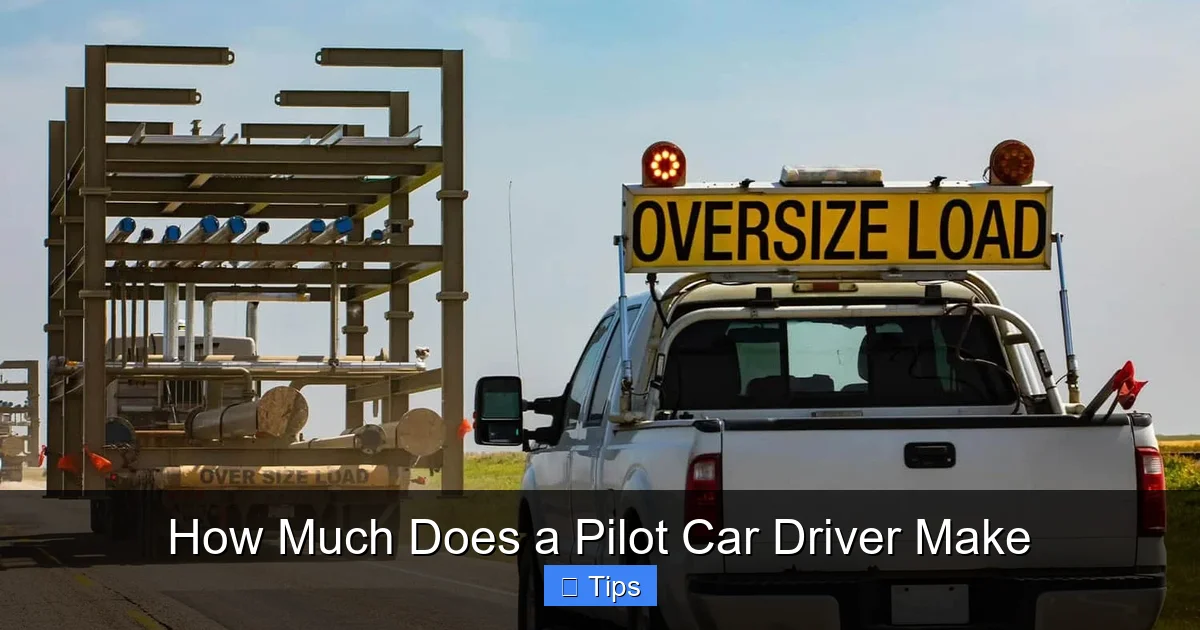
Before we talk about money, let’s clarify what a pilot car driver actually does. A pilot car driver, also called an escort vehicle operator, is responsible for safely guiding oversized or overweight vehicles—like construction equipment, wind turbine blades, or modular homes—through city streets, highways, and rural roads. Their job is to warn other drivers, assist with traffic control, and ensure the load moves safely and legally.
Pilot car drivers typically travel ahead of or behind the main transport vehicle, using flashing lights, signage, and sometimes two-way radios to communicate with the truck driver and law enforcement. They may also help navigate tight turns, low bridges, or construction zones. In some cases, they’re required by law—especially when loads exceed certain dimensions or weights.
Common Responsibilities
The day-to-day duties of a pilot car driver can vary depending on the job, but here are some typical tasks:
- Scouting routes in advance to identify potential hazards like low clearance bridges or narrow roads
- Communicating with the transport driver and dispatch team via radio or phone
- Setting up temporary traffic control when needed (e.g., stopping traffic at intersections)
- Monitoring weather and road conditions that could affect the move
- Ensuring all required permits and signage are in place
- Documenting the trip and reporting any incidents or delays
Some drivers work on short local moves—like transporting a mobile home across town—while others go on multi-day cross-country trips. The variety keeps the job interesting, but it also means schedules can be irregular.
Types of Pilot Car Jobs
Not all pilot car jobs are the same, and the type of work you do can significantly impact how much you earn. Here are the most common categories:
- Local Escort: Short-distance moves within a city or state. These jobs usually pay by the hour or per trip and are common in areas with active construction or manufacturing.
- Long-Haul Escort: Cross-state or cross-country trips that can last several days. These often pay per mile and may include per diems for food and lodging.
- Specialized Escort: High-risk or complex moves, such as transporting wind turbine blades or military equipment. These jobs often require additional certifications and pay a premium.
- On-Call or Emergency Escort: Available for last-minute or urgent moves. These can pay higher rates due to short notice and unpredictable hours.
Understanding these categories helps explain why pilot car driver salaries can vary so much. A local driver in a small town might make $20 an hour, while a long-haul specialist could earn $1,500 for a single three-day trip.
Average Pilot Car Driver Salary in 2024

Visual guide about How Much Does a Pilot Car Driver Make
Image source: resumethatworks.com
So, how much does a pilot car driver make? According to data from job sites like Indeed, ZipRecruiter, and the U.S. Bureau of Labor Statistics (BLS), the average annual salary for a pilot car driver in the United States is around $55,000. But that’s just the midpoint—many factors influence actual earnings.
Salary Ranges
Here’s a breakdown of typical pay ranges:
- Entry-Level (0–2 years): $35,000–$45,000 per year
- Mid-Level (3–5 years): $45,000–$65,000 per year
- Experienced (6+ years): $65,000–$80,000+ per year
Some top earners—especially independent contractors working high-demand routes—report making $90,000 or more annually. However, these numbers often don’t account for expenses like fuel, vehicle maintenance, insurance, and equipment, which can eat into profits.
Hourly vs. Per-Mile Pay
Pilot car drivers are typically paid in one of two ways: hourly or per mile. Each has pros and cons.
- Hourly Pay: Common for local or short trips. Rates usually range from $18 to $30 per hour. This model offers steady income but may not reward efficiency or long hours.
- Per-Mile Pay: Common for long-haul jobs. Rates vary from $0.50 to $1.50 per mile, depending on distance, risk, and location. This can be more lucrative but unpredictable—especially if delays occur.
For example, a driver paid $1.00 per mile for a 500-mile trip would earn $500. But if the trip takes two days due to weather or traffic, that’s only $250 per day before expenses.
Overtime and Bonuses
Many pilot car drivers boost their income through overtime and bonuses. Some companies pay time-and-a-half for hours worked beyond 40 per week. Others offer hazard pay for night shifts, bad weather, or high-risk routes. Performance bonuses—like completing a trip without incidents—can also add up.
Independent drivers often charge premium rates for weekends, holidays, or last-minute jobs. If you’re willing to be flexible, these opportunities can significantly increase your take-home pay.
Factors That Affect Pilot Car Driver Pay

Visual guide about How Much Does a Pilot Car Driver Make
Image source: truckdriverssalary.com
Now that we’ve covered the averages, let’s look at what really determines how much a pilot car driver makes. Several key factors influence earnings, and understanding them can help you make smarter career decisions.
1. Experience and Skill Level
Like most jobs, experience pays off. New drivers often start with basic local escorts and lower pay. But as they gain skills—like route planning, traffic control, and communication—they can take on more complex jobs and command higher rates.
Specialized skills also matter. Drivers who are trained in emergency response, have a Commercial Driver’s License (CDL), or are certified in flagging or traffic control often earn more. Some employers even pay extra for bilingual drivers who can communicate with diverse teams.
2. Geographic Location
Where you work has a big impact on pay. States with high infrastructure activity—like Texas, California, Florida, and North Carolina—tend to offer higher wages due to demand. For example:
- Texas: Average salary of $58,000; high demand for oil and gas equipment transport
- California: Average salary of $62,000; strict regulations mean more required escorts
- Florida: Average salary of $54,000; frequent oversized loads from ports and construction
- Rural Midwest: Average salary of $45,000; lower demand but lower cost of living
Even within states, pay can vary. Urban areas often pay more than rural ones, but they also come with higher living costs and traffic challenges.
3. Type of Employer
Are you working for a company or going solo? This choice affects your income and expenses.
- Company Drivers: Employed by transport or logistics firms. They usually get steady work, benefits (like health insurance), and company vehicles. However, pay may be lower, and you have less control over schedules.
- Independent Contractors: Self-employed drivers who find their own jobs. They can charge higher rates and choose their routes, but must cover all expenses and handle their own taxes and insurance.
Many drivers start with a company to gain experience, then go independent once they’ve built a client base. Independent drivers often earn more per job but face more financial risk.
4. Seasonal and Market Demand
Pilot car work isn’t always consistent. Demand often spikes during construction season (spring and summer) or when major infrastructure projects are underway. In contrast, winter months—especially in northern states—may see fewer jobs due to weather.
Economic factors also play a role. When the construction or energy sector is booming, more oversized loads are transported, increasing the need for pilot cars. During downturns, work may dry up.
Smart drivers plan for these fluctuations by saving during peak seasons or diversifying their services—like offering traffic control or flagging work in the off-season.
5. Certifications and Training
Investing in training can pay off. While not always required, certifications can make you more competitive and eligible for higher-paying jobs.
Common certifications include:
- Flagger Certification: Teaches traffic control and safety protocols. Often required for jobs involving road closures.
- OSHA 10-Hour Construction Safety: Shows knowledge of workplace safety standards.
- CDL (Commercial Driver’s License): Not always needed, but helpful for driving larger escort vehicles or hauling equipment.
- First Aid/CPR Certification: Adds value, especially for emergency response roles.
Many community colleges and online platforms offer these courses for under $200. The investment can lead to better job offers and higher pay.
How to Increase Your Earnings as a Pilot Car Driver
Visual guide about How Much Does a Pilot Car Driver Make
Image source: truckdriverssalary.com
If you’re already in the field or thinking about starting, here are practical ways to boost your income.
1. Get Certified
As mentioned, certifications open doors. Even basic flagger training can qualify you for more jobs. Consider bundling certifications—like flagging and first aid—to stand out.
2. Build a Reliable Vehicle
Your car is your office. A well-maintained vehicle with proper lighting, signage, and communication tools makes you more professional and efficient. Invest in quality LED light bars, reflective signage, and a reliable two-way radio.
Some drivers customize their vehicles with roof racks, extra storage, or GPS systems designed for oversized loads. These upgrades can justify higher rates.
3. Network and Market Yourself
Word of mouth is powerful in this industry. Build relationships with trucking companies, dispatchers, and other drivers. Join online forums or local transportation associations.
Create a simple website or social media page showcasing your services, certifications, and availability. Include testimonials from past clients to build trust.
4. Take on Specialized Jobs
High-risk or complex moves—like transporting wind turbine blades or military equipment—often pay 20–50% more. These jobs may require additional permits or coordination with law enforcement, but the extra effort is worth it.
5. Work During Peak Times
Be available during high-demand periods, like summer construction season or holiday shipping rushes. Some companies offer surge pricing for last-minute or weekend jobs.
6. Track Expenses and Optimize Routes
If you’re an independent driver, keep detailed records of fuel, mileage, and maintenance. This helps you set accurate rates and claim tax deductions. Use route-planning apps to minimize drive time and maximize billable miles.
Challenges and Realities of the Job
While pilot car driving can be lucrative, it’s not without challenges. Long hours, unpredictable weather, and time away from home are common. Some drivers spend weeks on the road, sleeping in hotels or even their vehicles.
Safety is also a concern. You’re often working near fast-moving traffic, and a single mistake can lead to accidents or delays. That’s why attention to detail and calm under pressure are essential.
Additionally, the job can be isolating. Unlike office work, you’re often alone in your car for hours. Strong communication skills and self-motivation are key.
Despite these challenges, many drivers love the freedom, variety, and sense of purpose. They take pride in helping move critical infrastructure safely and efficiently.
Is Pilot Car Driving Right for You?
So, is this career worth it? If you enjoy driving, don’t mind irregular hours, and value independence, pilot car driving could be a great fit. The pay is solid, especially with experience, and the demand for qualified drivers remains strong.
But it’s not for everyone. If you prefer a predictable schedule or dislike being on the road for long stretches, this might not be the best choice. Consider starting part-time or as a side gig to test the waters.
Ultimately, how much a pilot car driver makes depends on your effort, skills, and willingness to adapt. With the right approach, this job can offer both financial rewards and personal satisfaction.
Frequently Asked Questions
How much does a pilot car driver make per hour?
Pilot car drivers typically earn between $18 and $30 per hour for local or short-distance jobs. Rates vary based on location, experience, and job complexity.
Do pilot car drivers need a CDL?
A Commercial Driver’s License (CDL) is not always required, but it can increase job opportunities and pay, especially for larger escort vehicles or specialized roles.
Can you make a living as a pilot car driver?
Yes, many drivers earn a full-time income, with experienced professionals making $60,000–$80,000 or more annually. Independent contractors may earn even more but must manage their own expenses.
Is pilot car driving dangerous?
Like any job involving traffic, there are risks. However, proper training, safety equipment, and caution can significantly reduce hazards. Most drivers report feeling safe with the right preparation.
How do I become a pilot car driver?
Start by getting necessary certifications (like flagging or first aid), ensure your vehicle meets safety standards, and apply to transport companies or work as an independent contractor.
Do pilot car drivers get benefits?
Company drivers may receive benefits like health insurance or paid time off. Independent contractors are responsible for their own benefits and must plan accordingly.

At CarLegit, we believe information should be clear, factual, and genuinely helpful. That’s why every guide, review, and update on our website is created with care, research, and a strong focus on user experience.