
An overheating car can lead to serious engine damage if ignored. Repair costs vary widely—from $100 for a simple thermostat replacement to over $3,000 for a full engine rebuild—depending on the root cause and vehicle type.
In This Article
- 1 Key Takeaways
- 2 📑 Table of Contents
- 3 How Much Does It Cost to Fix an Overheating Car?
- 4 Common Causes of Car Overheating
- 5 How Much Does It Cost to Fix an Overheating Car?
- 6 Factors That Affect Repair Costs
- 7 How to Prevent Your Car from Overheating
- 8 When to Call a Mechanic
- 9 Conclusion
- 10 Frequently Asked Questions
Key Takeaways
- Common causes of overheating include coolant leaks, faulty thermostats, broken water pumps, radiator issues, and blown head gaskets.
- Repair costs range from $100 to $3,000+, with minor fixes being affordable and major engine repairs being very expensive.
- Ignoring overheating can destroy your engine, leading to costly replacements or even total vehicle loss.
- Regular maintenance prevents most overheating issues, such as checking coolant levels and inspecting hoses.
- DIY fixes can save money for simple problems like topping off coolant or replacing a thermostat, but complex issues need a professional.
- Warning signs include steam, dashboard lights, and strange smells—act quickly to avoid bigger problems.
- Vehicle age and type affect repair costs, with luxury and older cars often requiring pricier parts and labor.
📑 Table of Contents
How Much Does It Cost to Fix an Overheating Car?
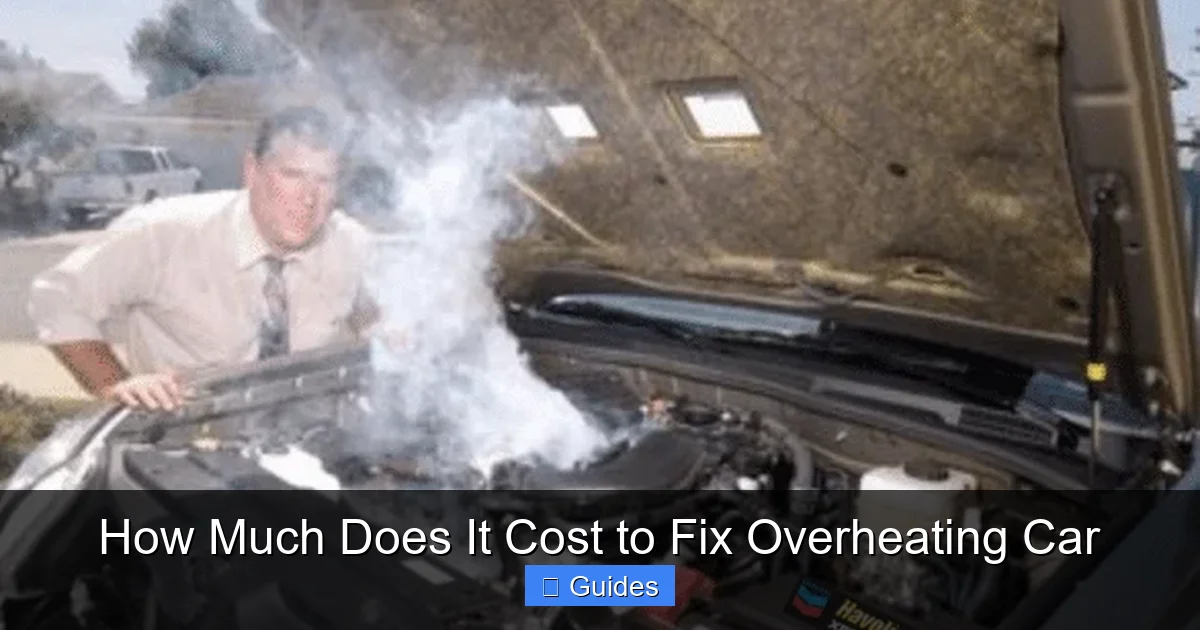
Imagine you’re driving down the highway on a hot summer day, the sun blazing through your windshield. Suddenly, your temperature gauge spikes into the red zone. Steam starts puffing from under the hood. Your heart races—your car is overheating. You pull over, pop the hood, and wonder: How much is this going to cost me?
The truth is, the cost to fix an overheating car can vary dramatically. It could be as little as $100 for a simple fix, or it could climb past $3,000 if the engine has suffered serious damage. The final price depends on what’s causing the overheating, how quickly you address it, and the type of vehicle you drive. But one thing is certain: ignoring an overheating engine is a gamble you can’t afford to take. Even a few minutes of driving while overheated can warp engine components, ruin the head gasket, or—worst of all—destroy the engine entirely.
In this guide, we’ll walk you through the most common causes of car overheating, break down the typical repair costs, and give you practical tips to prevent future problems. Whether you’re a seasoned DIYer or someone who barely knows where the oil dipstick is, this article will help you understand what’s happening under your hood—and how much it might cost to fix.
Common Causes of Car Overheating
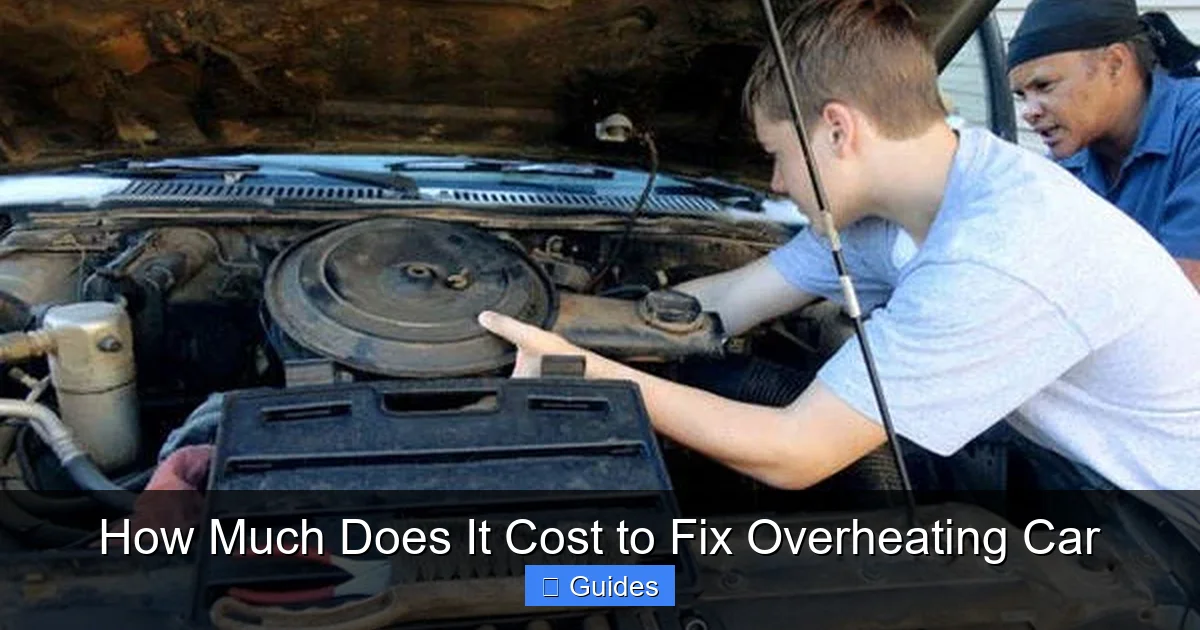
Before we dive into costs, it’s important to understand why your car is overheating. The engine generates a lot of heat when running—up to 4,500 degrees Fahrenheit in the combustion chamber. To keep things cool, your car uses a complex cooling system that includes coolant, a radiator, water pump, thermostat, and various hoses and sensors. When any part of this system fails, overheating can occur.
Visual guide about How Much Does It Cost to Fix Overheating Car
Image source: images03.military.com
Low Coolant Level
One of the most common—and easiest to fix—causes of overheating is low coolant. Coolant, also known as antifreeze, absorbs heat from the engine and carries it to the radiator, where it’s cooled by air flow. If your coolant level is low, there’s not enough fluid to do the job. This can happen due to a slow leak, evaporation over time, or simply forgetting to top it off.
For example, if you notice a sweet-smelling puddle under your car or see the coolant reservoir is below the “MIN” line, you likely have a low coolant issue. This is often a quick and inexpensive fix—just refill the coolant. But if there’s a leak, you’ll need to find and repair it to prevent the problem from recurring.
Faulty Thermostat
The thermostat is a small but critical component that regulates coolant flow. When the engine is cold, the thermostat stays closed, allowing the engine to warm up quickly. Once it reaches operating temperature, the thermostat opens, letting coolant flow through the radiator to cool the engine.
If the thermostat gets stuck closed, coolant can’t circulate, and the engine overheats. If it’s stuck open, the engine may take too long to warm up, reducing fuel efficiency and increasing emissions. A faulty thermostat is a common issue, especially in older vehicles, and is relatively easy to replace.
Water Pump Failure
The water pump is the heart of the cooling system. It circulates coolant throughout the engine and radiator. If the pump fails—due to a broken impeller, worn bearings, or a leaking seal—coolant stops flowing, and the engine quickly overheats.
Signs of a failing water pump include coolant leaks near the front of the engine, a whining noise from the pump area, or steam coming from the engine bay. Water pump replacement is more involved than a thermostat fix and usually requires removing several components, making it a mid-range repair in terms of cost and labor.
Radiator Problems
The radiator is where hot coolant releases its heat to the outside air. Over time, radiators can become clogged with debris, rust, or mineral deposits, reducing their efficiency. A damaged radiator—perhaps from a rock hit or corrosion—can also leak coolant.
In some cases, a radiator can be cleaned or repaired, but if it’s severely damaged or clogged, replacement is often the best option. Radiator replacement is more expensive than a thermostat or coolant refill, but it’s usually less costly than engine repairs.
Blown Head Gasket
A blown head gasket is one of the most serious causes of overheating. The head gasket seals the engine block and cylinder head, preventing coolant and oil from mixing and keeping combustion gases contained. If it fails, coolant can leak into the combustion chamber or oil passages, leading to overheating, white smoke from the exhaust, and milky oil on the dipstick.
Head gasket failure often occurs after the engine has overheated severely. Repairing it is complex and labor-intensive, requiring the engine to be partially disassembled. This is one of the most expensive repairs on this list.
Cooling Fan Issues
Electric cooling fans help pull air through the radiator when the car is idling or moving slowly. If a fan motor burns out, a fuse blows, or a sensor fails, the radiator won’t get enough airflow, and the engine can overheat—especially in traffic.
Fan problems are usually easier to diagnose and fix than internal engine issues. Replacing a fan motor or sensor is typically a straightforward job, though labor costs can add up if the fan is hard to access.
How Much Does It Cost to Fix an Overheating Car?
Now that we’ve covered the common causes, let’s talk money. The cost to fix an overheating car depends on the root cause, the make and model of your vehicle, your location, and whether you do the work yourself or hire a mechanic. Below, we’ll break down typical repair costs for each issue.
Visual guide about How Much Does It Cost to Fix Overheating Car
Image source: 2carpros.com
Coolant Refill or Top-Off
If your car is overheating simply because the coolant level is low, the fix is quick and cheap. A coolant top-off typically costs between $20 and $50 if you do it yourself. You’ll just need a bottle of the correct coolant type (check your owner’s manual) and a funnel. If you go to a mechanic or service center, they might charge a small labor fee, bringing the total to around $50 to $100.
Tip: Always use the coolant specified for your vehicle. Mixing types can cause chemical reactions that damage the cooling system.
Thermostat Replacement
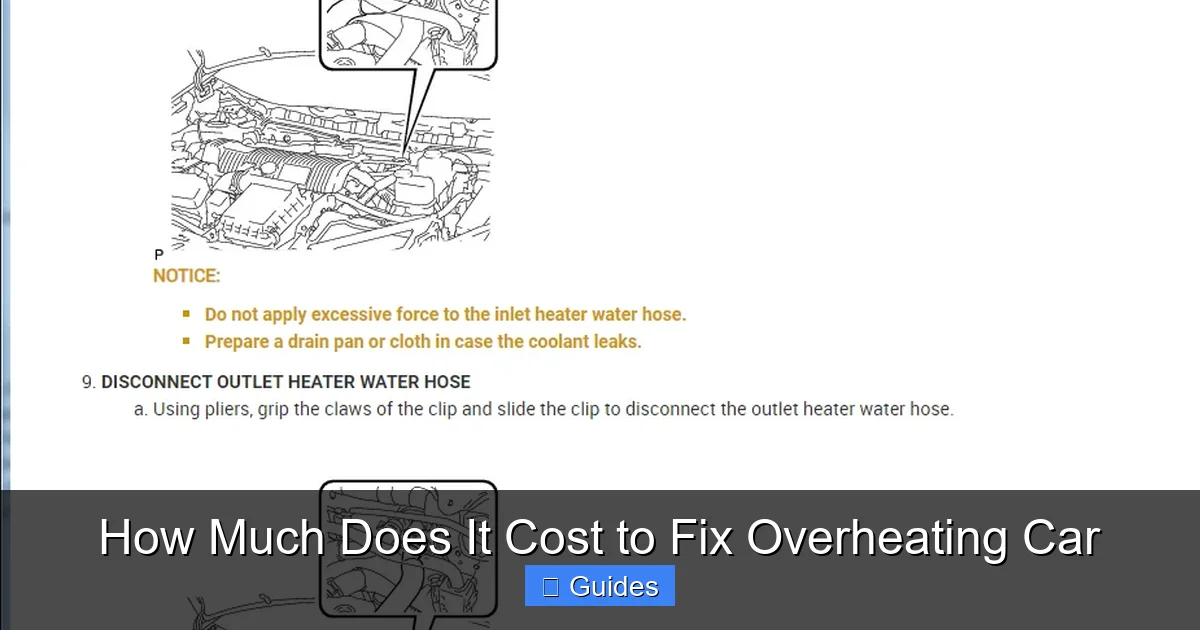
A thermostat is a small, inexpensive part—usually costing between $15 and $50 for the part itself. However, labor can add significantly to the cost. Replacing a thermostat often requires draining the coolant, removing the thermostat housing, and refilling the system. This takes about 1 to 2 hours of labor.
Total cost: $100 to $300, depending on labor rates and vehicle complexity. For example, on a Honda Civic, it might cost around $150, while on a luxury SUV, it could be closer to $250 due to harder access.
Water Pump Replacement
The water pump is more complex to replace. The part itself costs between $50 and $200, but labor is the bigger expense. Replacing a water pump often requires removing the serpentine belt, timing belt (in some engines), and other components. This can take 3 to 6 hours of labor.
Total cost: $300 to $800. On a Ford F-150, for example, expect to pay around $500–$600. On a BMW or Mercedes, labor costs can push the total over $1,000.
Radiator Repair or Replacement
A radiator replacement is more involved. The part costs between $100 and $500, depending on the vehicle. Labor can take 2 to 4 hours, especially if the radiator is tightly packed behind the grille or condenser.
Total cost: $300 to $1,200. For a Toyota Camry, you might pay $400–$600. For a larger SUV or truck, it could be $800–$1,200.
In some cases, a radiator can be repaired—such as sealing a small leak or unclogging it—but this is often a temporary fix. Replacement is usually the better long-term solution.
Head Gasket Repair
This is where costs can skyrocket. A head gasket repair is one of the most expensive fixes for an overheating car. The part itself is cheap—usually under $50—but the labor is intense. The engine must be partially disassembled, the cylinder head removed, machined (if warped), and reassembled with a new gasket.
Total cost: $1,000 to $3,000+. On a typical sedan, expect $1,500–$2,500. On a high-performance or luxury vehicle, costs can exceed $3,000 due to specialized labor and parts.
In some cases, especially with older cars, it may be more cost-effective to replace the entire engine rather than repair the head gasket.
Cooling Fan Replacement
Replacing a cooling fan motor or assembly is generally affordable. The part costs between $50 and $200, and labor takes about 1 to 2 hours.
Total cost: $150 to $400. For example, replacing a fan on a Honda Accord might cost $200, while on a Ford Explorer, it could be $300 due to harder access.
Additional Costs to Consider
Beyond the main repair, there are other potential costs:
- Coolant flush: $80–$150 to remove old coolant and debris.
- Pressure test: $50–$100 to check for leaks in the cooling system.
- Towing: $75–$150 if your car breaks down and needs to be towed to a shop.
- Diagnostic fee: $100–$150 if the mechanic needs to run tests to find the issue.
Also, keep in mind that if the engine has already been damaged by overheating—such as warped cylinder heads or cracked blocks—the repair costs can go far beyond the initial fix.
Factors That Affect Repair Costs
Not all overheating repairs cost the same. Several factors influence the final price:
Visual guide about How Much Does It Cost to Fix Overheating Car
Image source: kernersvilleautocenter.com
Vehicle Make and Model
Luxury brands like BMW, Mercedes, and Audi often have higher labor rates and more expensive parts. Similarly, trucks and SUVs may have larger, more complex cooling systems, increasing labor time.
For example, replacing a water pump on a Toyota Corolla might cost $400, but on a Land Rover Discovery, it could be $900 or more.
Age of the Vehicle
Older cars may have harder-to-find parts or require more labor due to rust and wear. Conversely, some older models have simpler designs that are easier to work on.
Location
Labor rates vary by region. In big cities like New York or Los Angeles, mechanics may charge $120–$150 per hour. In rural areas, rates might be $80–$100. Always get multiple quotes.
DIY vs. Professional Repair
If you’re handy with tools, you can save hundreds by doing simple repairs yourself—like replacing a thermostat or topping off coolant. However, complex jobs like head gasket replacement should be left to professionals to avoid further damage.
Severity of Damage
The longer you drive with an overheating engine, the worse the damage. A quick fix for a stuck thermostat might cost $200, but if that led to a blown head gasket, the cost jumps to $2,000+. Always pull over and turn off the engine if you see the temperature gauge rising.
How to Prevent Your Car from Overheating
The best way to avoid costly repairs is to prevent overheating in the first place. Regular maintenance goes a long way.
Check Coolant Levels Monthly
Pop the hood and check the coolant reservoir. It should be between the “MIN” and “MAX” lines. If it’s low, top it off with the correct coolant. Don’t open the radiator cap when the engine is hot—it’s under pressure and can cause serious burns.
Inspect Hoses and Belts
Look for cracks, bulges, or leaks in coolant hoses. Check the serpentine belt for wear. Replace any damaged parts before they fail.
Watch for Warning Signs
Pay attention to your dashboard. The temperature warning light, steam, or a sweet smell (from leaking coolant) are red flags. If you notice any of these, pull over safely and turn off the engine.
Get Regular Maintenance
Follow your vehicle’s maintenance schedule. Most manufacturers recommend a coolant flush every 30,000 to 100,000 miles, depending on the type of coolant. This removes rust and debris that can clog the system.
Use the Right Coolant
Never mix different types of coolant. Use the one specified in your owner’s manual. Some coolants are “long-life” and last longer, but they’re not compatible with all systems.
Keep the Radiator Clean
Debris like leaves, bugs, and dirt can block airflow through the radiator. Gently clean the front of the radiator with a soft brush or compressed air.
When to Call a Mechanic
Some overheating issues are easy to spot and fix. Others require professional diagnosis. Call a mechanic if:
- You’re not sure what’s causing the overheating.
- The problem keeps coming back after a simple fix.
- You see white smoke, hear strange noises, or notice oil contamination.
- The engine has already overheated severely.
A professional mechanic can perform a pressure test, check for combustion gases in the coolant (a sign of a blown head gasket), and inspect internal components.
Conclusion
So, how much does it cost to fix an overheating car? The answer isn’t simple—it depends on the cause, the vehicle, and how quickly you act. Minor fixes like a thermostat or coolant refill can cost under $200, while major repairs like a head gasket replacement can run into the thousands.
The key takeaway? Don’t ignore an overheating engine. Pull over, turn it off, and assess the situation. A small problem today can become a financial disaster tomorrow. With regular maintenance and quick action, you can keep your car running cool—and your wallet intact.
Remember: your car’s cooling system is its lifeline. Treat it well, and it will take you where you need to go—safely and reliably.
Frequently Asked Questions
How much does it cost to fix an overheating car?
The cost to fix an overheating car ranges from $100 for simple fixes like a thermostat replacement to over $3,000 for major repairs like a blown head gasket. The final price depends on the cause, vehicle type, and labor rates.
Can I drive my car if it’s overheating?
No, you should not drive an overheating car. Continuing to drive can cause severe engine damage, including warped heads or a cracked block, leading to much higher repair costs.
What are the first signs of an overheating engine?
Common signs include the temperature gauge rising into the red zone, steam or smoke from under the hood, a sweet smell (from coolant), and the dashboard warning light turning on.
Can I fix an overheating car myself?
Yes, for simple issues like low coolant or a faulty thermostat, DIY fixes are possible and can save money. However, complex problems like head gasket failure should be handled by a professional.
How often should I check my coolant?
Check your coolant level at least once a month and before long trips. Also, follow your vehicle’s maintenance schedule for coolant flushes, typically every 30,000 to 100,000 miles.
Will a blown head gasket always cause overheating?
Not always, but it’s a common symptom. A blown head gasket can also cause white exhaust smoke, coolant loss without visible leaks, and milky oil. Overheating often precedes head gasket failure.

At CarLegit, we believe information should be clear, factual, and genuinely helpful. That’s why every guide, review, and update on our website is created with care, research, and a strong focus on user experience.