
Tesla window tinting costs between $200 and $800, depending on the model, film quality, and installation method. Premium ceramic films offer better heat rejection and UV protection but come at a higher price. Professional installation is recommended to avoid damaging Tesla’s sensitive electronics and glass.
[FEATURED_IMAGE_PLACEHolder]
In This Article
Key Takeaways
- Cost Range: Expect to pay $200–$800 for Tesla window tinting, with most owners spending around $400–$600 for full coverage.
- Film Type Matters: Dyed, metalized, hybrid, and ceramic films vary in price and performance—ceramic is best for heat and UV protection.
- Model Differences: Larger models like the Model X and Model Y cost more to tint due to bigger windows and panoramic roofs.
- Professional Installation Recommended: DIY kits risk damaging Tesla’s autopilot cameras, sensors, and glass seals—always go with certified installers.
- Legal Compliance: Check local tinting laws—most states limit front-side window darkness to 35% or higher visible light transmission (VLT).
- Warranty & Maintenance: High-quality films last 5–10 years; avoid ammonia-based cleaners to prevent peeling or bubbling.
- Added Benefits: Tinting reduces cabin heat, protects interiors from fading, and enhances privacy and aesthetics.
📑 Table of Contents
Why Tint Your Tesla Windows?
Owning a Tesla is about more than just driving an electric car—it’s about embracing innovation, sustainability, and cutting-edge design. But with all that sleek glass, especially on models like the Model 3 and Model Y with their panoramic roofs, your Tesla can feel more like a greenhouse than a comfortable cabin on sunny days. That’s where window tinting comes in.
Window tinting isn’t just about looking cool (though let’s be honest, a tinted Tesla does turn heads). It’s a practical upgrade that offers real benefits. From reducing glare and interior heat to protecting your dashboard and seats from UV damage, tinting enhances both comfort and longevity. Plus, it adds a layer of privacy—no more feeling like you’re on display every time you park in public.
But before you rush out to buy the cheapest tint kit online, it’s important to understand that tinting a Tesla isn’t the same as tinting a traditional car. Tesla’s advanced driver-assistance systems (Autopilot), sensors, cameras, and unique glass designs require special care. A poorly installed tint can interfere with these systems or even void your warranty. So, while the idea of saving money with a DIY job is tempting, the risks often outweigh the rewards.
Average Cost to Tint Tesla Windows
So, how much does it actually cost to tint Tesla windows? The short answer: it depends. But on average, most Tesla owners can expect to pay between $200 and $800 for a professional window tinting job. This wide range accounts for differences in film type, coverage area, labor costs, and your Tesla model.
Visual guide about How Much Does It Cost to Tint Tesla Windows
Image source: lirp.cdn-website.com
Cost Breakdown by Tesla Model
Let’s break it down by model to give you a clearer picture:
- Model 3: As one of Tesla’s most popular and compact sedans, the Model 3 typically costs between $250 and $500 for full window tinting. The smaller glass area keeps prices on the lower end, especially if you skip the panoramic roof.
- Model Y: The Model Y shares many components with the Model 3 but has a larger rear window and optional panoramic roof. Expect to pay $300–$600 for full tint coverage.
- Model S: With its expansive windshield and larger side windows, the Model S ranges from $350 to $700. The sleek design and premium feel often justify higher-end film choices.
- Model X: The Model X is the most expensive to tint due to its massive falcon-wing doors and panoramic windshield. Full tinting can cost $500–$800, especially if you include the roof.
What Affects the Price?
Several factors influence the final cost of your Tesla window tint:
- Film Quality: Basic dyed films start around $100–$200, while premium ceramic films can double or triple that price.
- Coverage Area: Tinting only the front windows will cost less than a full vehicle wrap. Most owners opt for full coverage, including the rear and side windows.
- Labor Costs: Professional installers charge based on complexity. Tesla’s curved glass and sensor placements require more time and skill.
- Geographic Location: Prices vary by region. Urban areas like Los Angeles or New York may charge 20–30% more than rural shops.
- Additional Services: Some shops offer paint protection, ceramic coating, or sensor recalibration for an extra fee.
For example, a Tesla owner in Austin, Texas, might pay $450 for a full ceramic tint on a Model 3, while someone in Miami could pay $600 for the same service due to higher demand and labor rates.
Types of Window Tint Films for Tesla
Not all window films are created equal. The type of film you choose will significantly impact performance, durability, and cost. Here’s a breakdown of the most common options for Tesla owners:
Visual guide about How Much Does It Cost to Tint Tesla Windows
Image source: lirp.cdn-website.com
Dyed Window Film
Dyed films are the most affordable option, typically costing $100–$250 for a full Tesla tint. They use a layer of dye between adhesive and protective layers to block light and reduce glare. While they offer decent privacy and a sleek look, they have some drawbacks.
Dyed films don’t reject heat as effectively as other types—meaning your cabin will still get warm on sunny days. They’re also more prone to fading and bubbling over time, especially in hot climates. And because they don’t block infrared radiation, they won’t help much with reducing interior heat buildup.
Best for: Budget-conscious owners who prioritize aesthetics over performance.
Metalized Window Film
Metalized films contain tiny metallic particles that reflect heat and UV rays. They’re more durable than dyed films and offer better heat rejection—typically blocking 40–60% of solar heat. Prices range from $200–$400 for a full Tesla tint.
The downside? The metal content can interfere with GPS, cell signals, and even Tesla’s Autopilot sensors. Some owners report reduced signal strength inside the car, which is a concern for a vehicle that relies heavily on connectivity. Additionally, metalized films may have a slightly reflective or shiny appearance, which not everyone likes.
Best for: Owners who want better heat protection without breaking the bank—but only if signal interference isn’t a major concern.
Hybrid Window Film
Hybrid films combine dyed and metalized layers to balance performance and aesthetics. They offer better heat rejection than dyed films and less signal interference than fully metalized ones. Prices typically fall between $250 and $500.
These films are a solid middle-ground option, providing decent UV protection (up to 99%) and moderate heat reduction. They’re less likely to fade or bubble and usually have a more natural, non-reflective look. However, they still may cause minor signal disruption, so it’s important to test connectivity after installation.
Best for: Tesla owners who want a balance of performance, price, and minimal interference.
Ceramic Window Film
Ceramic films are the gold standard for Tesla window tinting. Made with non-conductive ceramic particles, they offer superior heat rejection—blocking up to 80% of infrared radiation—without interfering with electronics or signals. They also provide 99% UV protection, reducing interior fading and skin exposure.
Prices range from $400 to $800 for a full Tesla tint, making them the most expensive option. But the benefits are hard to ignore: cooler cabin temperatures, enhanced privacy, and long-lasting durability (often with lifetime warranties). Ceramic films also have a sleek, non-reflective finish that complements Tesla’s modern design.
Best for: Owners who want maximum performance, longevity, and compatibility with Tesla’s tech.
Carbon Window Film
Carbon films are similar to ceramic in performance but use carbon particles instead. They offer excellent heat rejection, UV protection, and a matte-black finish that many find visually appealing. Prices are comparable to ceramic films—around $350–$700.
Like ceramic, carbon films are non-conductive and won’t interfere with sensors or signals. They’re also highly resistant to fading and bubbling. The main difference is aesthetics: carbon films have a darker, more uniform look, which some prefer for a stealthy appearance.
Best for: Owners who want high performance with a bold, modern look.
DIY vs. Professional Installation
One of the biggest decisions you’ll make is whether to tackle tinting yourself or hire a professional. While DIY kits are available for as little as $50–$150, they come with significant risks—especially for Tesla owners.
Visual guide about How Much Does It Cost to Tint Tesla Windows
Image source: vicrez.com
The Risks of DIY Tinting
Tesla’s windows are not your average car glass. They’re often curved, laminated, and integrated with sensors, cameras, and heating elements. A poorly cut or applied tint can:
- Interfere with Autopilot cameras and radar sensors
- Damage the defroster lines on rear windows
- Cause bubbling, peeling, or uneven edges
- Void your warranty if improper installation damages electronics
Additionally, removing a failed DIY tint can be difficult and may leave adhesive residue that’s hard to clean without scratching the glass.
Why Professionals Are Worth It
Professional installers have the tools, experience, and precision to handle Tesla’s unique design. They use computer-cut patterns specific to your model, ensuring a perfect fit without cutting on the glass. Many also offer warranties on their work—some even covering lifetime bubbling or peeling.
Certified Tesla tint specialists understand how to work around sensors and cameras, often using specialized techniques to avoid interference. They also have access to higher-quality films and can recommend the best options based on your climate and driving habits.
For example, a professional installer might use a ceramic film with 5% VLT on the rear windows and 35% on the front sides to comply with local laws while maximizing privacy and heat rejection. They’ll also ensure the tint doesn’t obstruct the rearview camera or side mirrors.
While you’ll pay more upfront—typically $400–$800—professional installation gives you peace of mind, better performance, and a cleaner, longer-lasting result.
Legal Considerations and Tint Laws
Before you tint your Tesla, it’s crucial to check your state’s window tinting laws. Regulations vary widely and can affect how dark you can go, especially on front-side windows.
Understanding VLT (Visible Light Transmission)
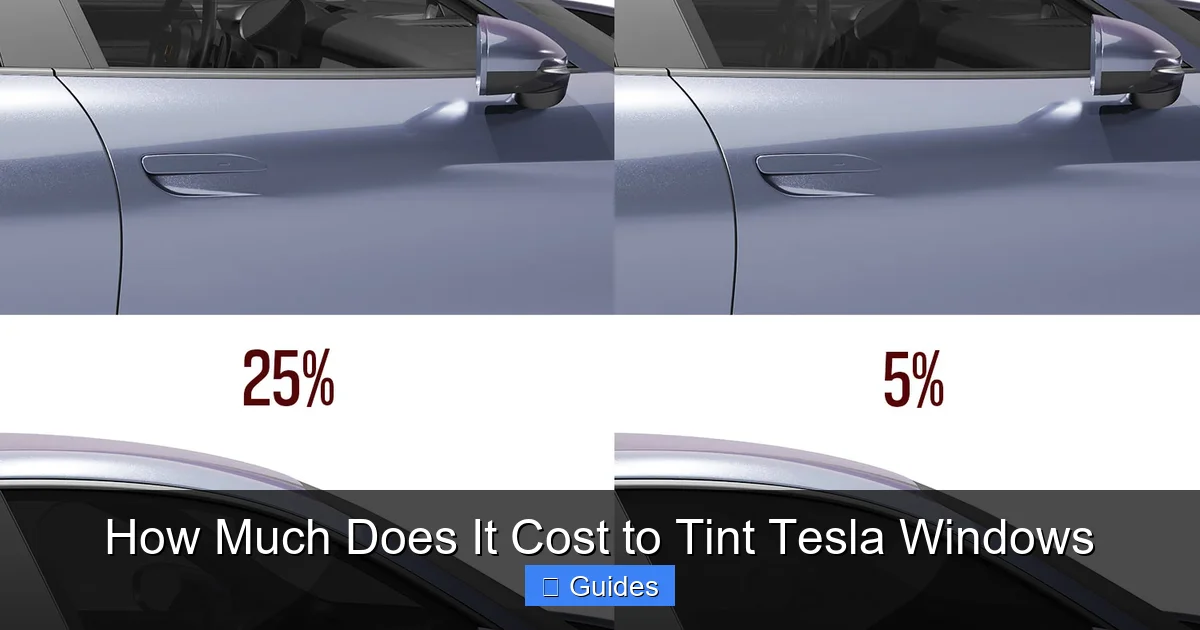
VLT measures how much light passes through the film. A 5% VLT film is very dark (letting in only 5% of light), while a 70% VLT film is nearly clear. Most states require front-side windows to have a VLT of 35% or higher to ensure driver visibility and safety.
For example:
- California: Front-side windows must be 70% VLT or higher
- Texas: Front-side windows must be 25% VLT or higher
- Florida: Front-side windows must be 28% VLT or higher
- New York: Front-side windows must be 70% VLT or higher
Rear windows and windshields often have more lenient rules, but some states require the same VLT on all windows. Always verify with your local DMV or transportation authority.
Enforcement and Penalties
Driving with illegal tint can result in fines, failed inspections, or even having to remove the film at your own expense. Police officers can use tint meters to measure VLT during traffic stops, so it’s not worth the risk.
Some shops offer “legal” tint packages that comply with state laws. For instance, a 35% ceramic film on front windows and 5% on the rear is common in states with moderate regulations. Always ask for a certificate of compliance after installation.
Maintenance and Longevity
Once your Tesla is tinted, proper care will help it last longer and look better. High-quality films can last 5–10 years, but maintenance is key.
Cleaning Tips
Avoid ammonia-based cleaners, which can break down the adhesive and cause peeling. Instead, use a mild soap and water solution with a soft microfiber cloth. Don’t use abrasive sponges or scrapers.
Wait at least 30 days after installation before cleaning the windows to allow the adhesive to fully cure. This prevents lifting or bubbling.
Signs of Wear
Watch for bubbling, peeling, or discoloration. These are signs the film is failing and may need replacement. Ceramic and carbon films are less prone to these issues, but even they can degrade over time—especially in extreme climates.
Most professional installers offer warranties covering defects, bubbling, or fading. Keep your receipt and warranty info in case you need a claim.
Conclusion
Tinting your Tesla windows is a smart investment that enhances comfort, privacy, and protection. While the cost ranges from $200 to $800, the benefits—especially with high-quality ceramic or carbon films—are well worth it. Just remember: Tesla’s advanced tech demands professional installation to avoid damaging sensors or voiding warranties.
Choose the right film for your needs, check local laws, and always go with a certified installer. With proper care, your tinted Tesla will stay cool, sleek, and protected for years to come.
Frequently Asked Questions
Can I tint my Tesla windows myself?
While DIY kits are available, professional installation is strongly recommended. Tesla’s sensors, cameras, and curved glass make DIY tinting risky and likely to cause damage or signal interference.
Will tinting void my Tesla warranty?
Properly installed tint from a certified professional typically won’t void your warranty. However, improper installation that damages electronics or glass could lead to denied claims.
What’s the best tint for a Tesla?
Ceramic and carbon films are the best options for Tesla owners. They offer superior heat rejection, UV protection, and don’t interfere with Autopilot or cellular signals.
How long does Tesla window tint last?
High-quality films last 5–10 years. Ceramic and carbon films are the most durable, especially when professionally installed and properly maintained.
Can I tint the panoramic roof on my Tesla?
Yes, but it’s more expensive and complex. Some owners choose to skip the roof to save money, but tinting it can significantly reduce cabin heat and glare.
Is window tinting legal in all states?
No, tint laws vary by state. Most limit front-side window darkness to 35% VLT or higher. Always check local regulations before tinting.

At CarLegit, we believe information should be clear, factual, and genuinely helpful. That’s why every guide, review, and update on our website is created with care, research, and a strong focus on user experience.