
The value of a 2003 Lexus RX300 depends on mileage, condition, location, and maintenance history. On average, expect prices between $3,500 and $7,500, with well-maintained models fetching higher amounts.
In This Article
- 1 Key Takeaways
- 2 📑 Table of Contents
- 3 How Much Is a 2003 Lexus RX300 Worth? A Complete Guide
- 4 Understanding the 2003 Lexus RX300: A Quick Overview
- 5 Factors That Determine the Value of a 2003 Lexus RX300
- 6 Current Market Prices for the 2003 Lexus RX300
- 7 Common Issues That Affect Value
- 8 Tips for Buying or Selling a 2003 Lexus RX300
- 9 Conclusion: Making Sense of the 2003 Lexus RX300’s Value
- 10 Frequently Asked Questions
- 10.1 What is the average mileage for a 2003 Lexus RX300?
- 10.2 Is the 2003 Lexus RX300 reliable?
- 10.3 How much does it cost to maintain a 2003 Lexus RX300?
- 10.4 Can I still get parts for a 2003 Lexus RX300?
- 10.5 Should I buy a 2003 RX300 with over 200,000 miles?
- 10.6 How do I check if a 2003 Lexus RX300 has been in an accident?
Key Takeaways
- Market Range: Most 2003 Lexus RX300 models sell for $3,500 to $7,500, depending on condition and mileage.
- Mileage Matters: Low-mileage examples (under 100,000 miles) command premium prices, while high-mileage vehicles drop significantly in value.
- Maintenance History: A complete service record can increase resale value by up to 15% compared to similar models without documentation.
- Trim and Options: Higher trims like the Luxury or Touring packages retain value better than base models due to added features.
- Geographic Influence: Prices vary by region—urban areas and states with mild climates often see higher demand and pricing.
- Common Issues: Be aware of known problems like suspension wear, transmission concerns, and interior aging, which affect pricing.
- Selling Tips: Clean detailing, minor repairs, and professional photos can boost your sale price by hundreds of dollars.
📑 Table of Contents
- How Much Is a 2003 Lexus RX300 Worth? A Complete Guide
- Understanding the 2003 Lexus RX300: A Quick Overview
- Factors That Determine the Value of a 2003 Lexus RX300
- Current Market Prices for the 2003 Lexus RX300
- Common Issues That Affect Value
- Tips for Buying or Selling a 2003 Lexus RX300
- Conclusion: Making Sense of the 2003 Lexus RX300’s Value
How Much Is a 2003 Lexus RX300 Worth? A Complete Guide
If you’re shopping for a used SUV or trying to sell your 2003 Lexus RX300, one question keeps coming up: *How much is a 2003 Lexus RX300 worth?* It’s not a simple answer. Unlike brand-new cars with fixed MSRPs, used vehicle values depend on a mix of factors—some obvious, others surprising. But don’t worry. We’re here to break it all down so you can make a smart, informed decision.
The 2003 Lexus RX300 holds a special place in automotive history. It was one of the first luxury crossovers to hit the market, blending SUV practicality with sedan-like comfort and Lexus refinement. Even today, it’s admired for its smooth ride, reliable V6 engine, and timeless design. But time has passed. This model is now over 20 years old, and its value reflects that. Still, it remains a solid choice for budget-conscious buyers who want luxury without the luxury price tag.
In this guide, we’ll explore everything that affects the value of a 2003 Lexus RX300—from mileage and condition to regional trends and hidden costs. Whether you’re buying, selling, or just curious, you’ll walk away knowing exactly what to expect in today’s used car market.
Understanding the 2003 Lexus RX300: A Quick Overview
Visual guide about How Much Is a 2003 Lexus Rx300 Worth
Image source: momentcar.com
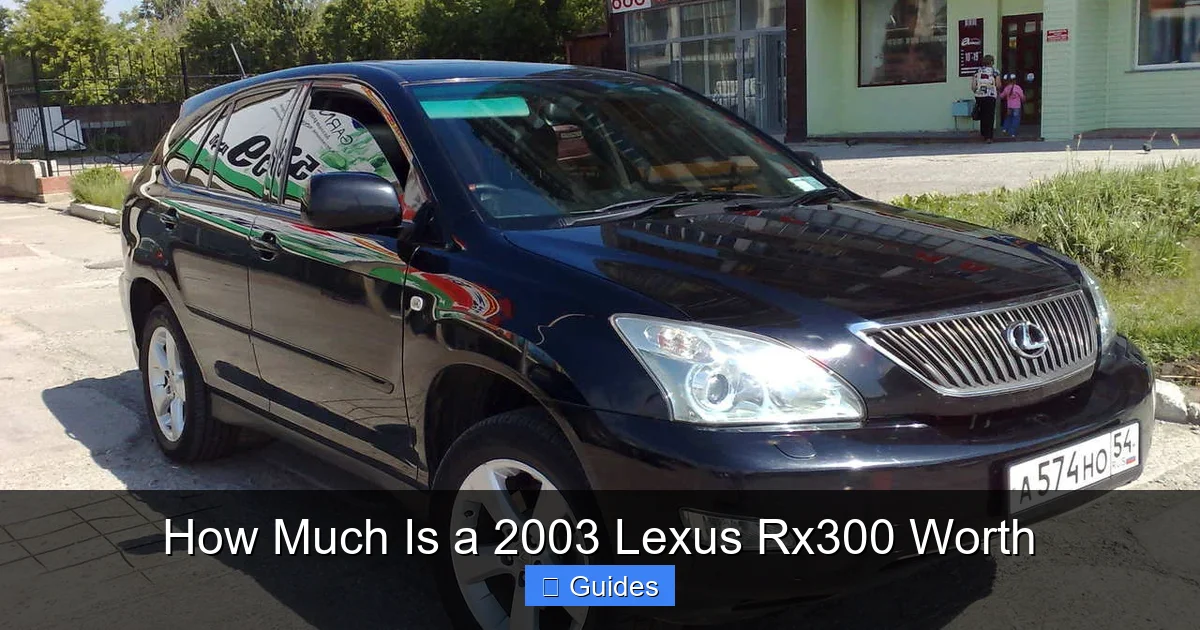
Before diving into pricing, let’s get familiar with the vehicle itself. The 2003 Lexus RX300 is a midsize luxury SUV built on the Toyota Camry platform, sharing many mechanical components with its more affordable sibling. It came standard with a 3.0-liter V6 engine producing 220 horsepower, paired with a 4-speed automatic transmission. Front-wheel drive was standard, with all-wheel drive available as an option.
Inside, the RX300 offered a quiet, well-appointed cabin with premium materials, supportive seating, and user-friendly controls. Features varied by trim, but even base models included power windows, locks, and mirrors, plus a premium sound system. Higher trims added leather upholstery, a sunroof, navigation (in later years), and advanced climate control.
One of the RX300’s biggest selling points was its reliability. Built by Toyota, it inherited the brand’s reputation for durability. Many owners report driving their RX300 well past 200,000 miles with proper maintenance. That longevity is a key reason why this model still has value today—even two decades later.
Trim Levels and Options
The 2003 RX300 was offered in three main trims: Base, Luxury, and Touring. Each added more features and comfort, which directly impacts resale value.
The Base model included essentials like cloth seats, manual climate control, and a basic audio system. It was functional but lacked the upscale touches buyers often seek in a luxury SUV.
The Luxury trim stepped up with leather seats, power-adjustable front seats, a premium audio system, and dual-zone automatic climate control. This trim is often the sweet spot for value-conscious buyers who want comfort without overpaying.
The Touring package added sport-tuned suspension, unique wheels, and sometimes navigation or upgraded audio. These models are rarer and tend to hold value better, especially if well maintained.
Optional features like all-wheel drive, a sunroof, and upgraded sound systems also influence pricing. A fully loaded RX300 with low mileage can easily be worth $1,000–$2,000 more than a base model with high miles.
Why the 2003 Model Year Matters
The 2003 model year is significant because it was the final year of the first-generation RX300. It benefited from years of refinement and reliability improvements. Lexus also introduced minor updates, including improved interior materials and enhanced safety features like side airbags.
Compared to earlier models, the 2003 RX300 has better build quality and fewer reported issues. That makes it a more desirable choice among used buyers. Additionally, because it’s the last year of this generation, some enthusiasts prefer it for its classic styling and mechanical simplicity.
Factors That Determine the Value of a 2003 Lexus RX300
Visual guide about How Much Is a 2003 Lexus Rx300 Worth
Image source: momentcar.com
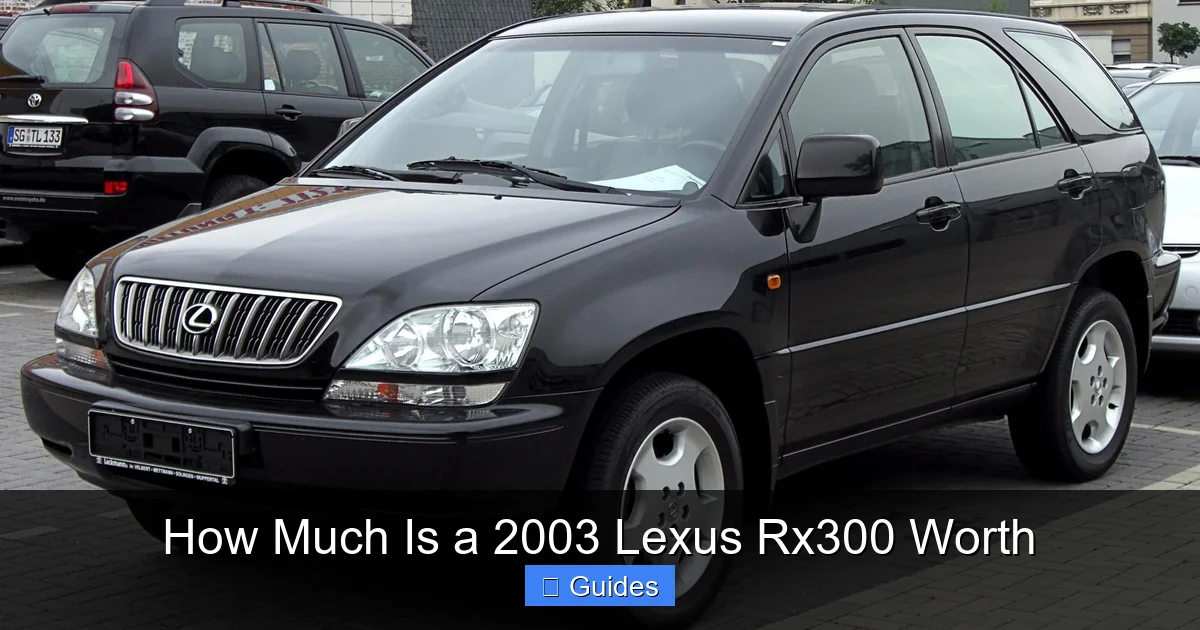
Now that you know what the 2003 RX300 is all about, let’s talk money. The value of any used car depends on several key factors. For the RX300, these include mileage, condition, maintenance history, trim level, location, and market demand. Let’s break each one down.
Mileage: The Biggest Price Driver
Mileage is the single most important factor in determining value. The average car is driven about 12,000 to 15,000 miles per year. So a 2003 RX300 with 150,000 miles is right around average. But here’s how mileage affects pricing:
– **Under 100,000 miles:** These are rare and highly sought after. Expect to pay $6,000–$7,500 or more, especially if the vehicle is in excellent condition.
– **100,000–150,000 miles:** This is the sweet spot for most buyers. Prices typically range from $4,500 to $6,000.
– **150,000–200,000 miles:** Value drops to $3,000–$4,500. These vehicles still have life left but may need major maintenance soon.
– **Over 200,000 miles:** Prices fall below $3,000. Only worth considering if exceptionally well maintained or sold as a project car.
For example, a 2003 RX300 with 85,000 miles, full service records, and no accidents might sell for $7,200. The same model with 180,000 miles and no records might go for $3,800. That’s a $3,400 difference—just because of mileage and documentation.
Vehicle Condition: Inside and Out
Condition matters just as much as mileage. A high-mileage RX300 that’s been babied can be worth more than a low-mileage one that’s been neglected.
Exterior condition includes paint quality, body damage, rust, and tire wear. Minor scratches and dings are expected, but major dents, rust spots (especially around wheel wells and undercarriage), or faded paint will lower value.
Interior condition is equally important. Check for worn seats, cracked dashboards, sticky buttons, and odors. Leather seats that are cracked or torn can cost $500–$1,000 to repair. A musty smell could indicate water leaks or mold—red flags for buyers.
Mechanical condition is where the real value lies. A smooth-running engine, quiet transmission, and responsive brakes signal a well-maintained vehicle. Listen for unusual noises, check for leaks, and test all electrical components.
Maintenance and Service History
A complete service history can boost your RX300’s value by 10–15%. Buyers want proof that the car has been cared for—especially with older vehicles.
Look for records of:
– Regular oil changes (every 5,000–7,500 miles)
– Timing belt replacement (recommended every 90,000–100,000 miles)
– Transmission fluid changes
– Brake and suspension inspections
– Major repairs (e.g., water pump, alternator)
If the seller can provide receipts or a digital log, it builds trust and justifies a higher price. On the flip side, a lack of records raises concerns about hidden problems.
Trim Level and Optional Features
As mentioned earlier, higher trims and options increase value. A Luxury or Touring model with leather, sunroof, and AWD will always sell for more than a base model.
For example:
– Base model with 120,000 miles: $4,200
– Luxury model with same mileage: $5,100
– Touring model with AWD and sunroof: $5,800
Optional features like navigation (if factory-installed), upgraded audio, or towing packages also add value—though not always dollar-for-dollar.
Geographic Location and Market Demand
Where you live affects pricing. In urban areas with high demand for used SUVs, prices tend to be higher. In rural areas or regions with harsh winters (where rust is common), values may be lower.
For instance, a 2003 RX300 in Southern California—where rust is rare and demand is high—might sell for $6,500. The same car in upstate New York, where salted roads cause corrosion, might only fetch $4,000.
Seasonality also plays a role. SUVs typically sell better in fall and winter, so prices may dip slightly in spring and summer.
Accident History and Title Status
Always check the vehicle history report (e.g., Carfax or AutoCheck). A clean title with no accidents is ideal. Even minor fender benders can reduce value if not properly repaired.
Salvage or rebuilt titles drastically lower value—often by 30–50%. These vehicles may have hidden damage or safety issues, so proceed with caution.
Current Market Prices for the 2003 Lexus RX300
Visual guide about How Much Is a 2003 Lexus Rx300 Worth
Image source: momentcar.com
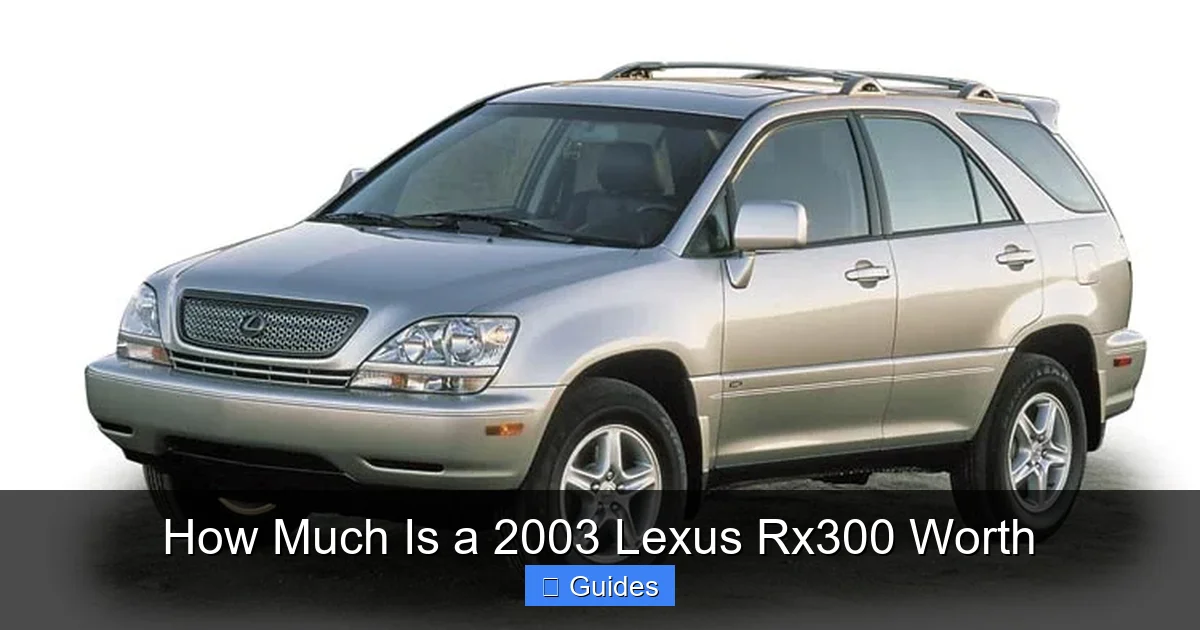
So, what’s the real-world price range? Based on recent sales data from Kelley Blue Book (KBB), Edmunds, and private listings, here’s a realistic breakdown.
Average Price Range
As of 2024, the average price for a 2003 Lexus RX300 falls between **$3,500 and $7,500**. This wide range reflects the variability in condition, mileage, and location.
– **Fair condition (high mileage, minor issues):** $3,500–$4,500
– **Good condition (average miles, well maintained):** $4,500–$6,000
– **Excellent condition (low miles, full records):** $6,000–$7,500
Private sellers often get 10–15% more than dealerships because they don’t have overhead costs. Trade-in values are typically lower—dealers need room to resell at a profit.
Private Sale vs. Dealer Pricing
Selling privately usually yields the highest return. For example, a well-maintained RX300 might sell for $6,200 on Craigslist or Facebook Marketplace. The same car traded in at a dealership might only get $4,800.
However, private sales require more effort—photographing the car, meeting buyers, handling paperwork. Dealerships offer convenience but at a cost.
Certified pre-owned (CPO) programs don’t typically include 20-year-old vehicles, so don’t expect that option. But some independent dealers may offer limited warranties on older models.
Regional Price Examples
Let’s look at real-world examples from different regions:
– **Phoenix, AZ:** A 2003 RX300 with 110,000 miles, clean title, and full service history sold for $5,900.
– **Chicago, IL:** A similar model with 130,000 miles and minor rust sold for $4,300.
– **Austin, TX:** A low-mileage (88,000) Luxury trim with AWD listed for $7,100.
– **Portland, OR:** A high-mileage (190,000) base model with transmission issues sold for $2,800.
These examples show how location and condition dramatically affect pricing.
Common Issues That Affect Value
No car is perfect, and the 2003 RX300 has its share of known issues. Being aware of these can help you avoid overpaying or prepare for future repairs.
Suspension Wear
The RX300’s suspension components—especially struts, control arms, and bushings—wear out over time. At 100,000+ miles, it’s common to need replacements. A full suspension overhaul can cost $1,000–$2,000.
Signs of wear include:
– Excessive bouncing over bumps
– Uneven tire wear
– Clunking noises when turning or going over potholes
If the seller hasn’t addressed these, negotiate the price down or factor in repair costs.
Transmission Concerns
The 4-speed automatic transmission is generally reliable but can develop issues in high-mileage examples. Slipping, delayed shifts, or fluid leaks are red flags.
Regular fluid changes every 30,000–60,000 miles help prevent problems. If the transmission hasn’t been serviced, it may need a flush or rebuild—costing $1,500–$3,000.
Interior Aging
Plastic trim, dashboard materials, and seat upholstery degrade over time. Cracked dashboards are common in sunny climates. Leather seats may dry out and crack.
While cosmetic, these issues affect perceived value. A car with a cracked dashboard might sell for $500 less than an identical model with a pristine interior.
Electrical and Sensor Problems
Older electronics can fail. Common issues include:
– Faulty oxygen sensors (triggering check engine light)
– Malfunctioning door locks or windows
– Dashboard warning lights
These are usually fixable but add to ownership costs. A pre-purchase inspection can uncover hidden electrical issues.
Rust and Corrosion
In snowy or coastal regions, rust is a major concern. Check the undercarriage, wheel wells, and rocker panels. Surface rust can be treated, but structural rust compromises safety and value.
Tips for Buying or Selling a 2003 Lexus RX300
Whether you’re buying or selling, these tips will help you get the best deal.
For Buyers: How to Get the Best Value
1. **Set a Budget:** Include not just the purchase price but also taxes, registration, and potential repairs.
2. **Check Vehicle History:** Always run a Carfax or AutoCheck report.
3. **Get a Pre-Purchase Inspection (PPI):** A mechanic can spot hidden issues. Cost: $100–$150, but worth every penny.
4. **Negotiate Based on Condition:** Use any flaws (worn tires, cracked interior, etc.) to lower the price.
5. **Compare Listings:** Look at 5–10 similar vehicles to understand fair market value.
6. **Be Patient:** The right RX300 at the right price may take time to find.
For Sellers: How to Maximize Your Sale Price
1. **Clean Thoroughly:** Wash, wax, vacuum, and detail the interior. A clean car looks well cared for.
2. **Fix Minor Issues:** Replace burnt-out bulbs, fix sticky buttons, and patch small tears.
3. **Gather Records:** Organize maintenance receipts and service logs.
4. **Take High-Quality Photos:** Use good lighting and show all angles, including engine bay and undercarriage.
5. **Price Competitively:** Research similar listings and price slightly below market to attract buyers.
6. **Be Honest:** Disclose any known issues. Transparency builds trust and reduces negotiation time.
Should You Buy a 2003 Lexus RX300 in 2024?
Yes—if you’re realistic about its age and needs. The RX300 won’t have modern tech like Apple CarPlay or advanced safety features, but it offers proven reliability, comfort, and luxury at a fraction of the cost of a new SUV.
It’s ideal for:
– First-time luxury car buyers
– Families needing a dependable, spacious vehicle
– Commuters wanting a smooth, quiet ride
Just be prepared for higher maintenance costs as it ages. Budget $500–$1,000 per year for repairs and upkeep.
Conclusion: Making Sense of the 2003 Lexus RX300’s Value
So, how much is a 2003 Lexus RX300 worth? The answer isn’t fixed—it depends on a mix of factors, from mileage and condition to location and trim. But on average, you can expect to pay between $3,500 and $7,500 for a decent example.
The key is doing your homework. Research comparable listings, inspect the vehicle thoroughly, and don’t rush into a decision. Whether you’re buying or selling, knowledge is power.
The 2003 RX300 may be old, but it’s not obsolete. With proper care, it can still deliver years of reliable service. And in today’s used car market, that kind of value is hard to beat.
Frequently Asked Questions
What is the average mileage for a 2003 Lexus RX300?
The average mileage for a 2003 Lexus RX300 is around 150,000 miles, based on typical annual driving of 12,000–15,000 miles over 20+ years. However, well-maintained examples with under 100,000 miles are still available and command higher prices.
Is the 2003 Lexus RX300 reliable?
Yes, the 2003 RX300 is considered reliable thanks to its Toyota-built V6 engine and solid construction. Many owners report driving them beyond 200,000 miles with regular maintenance, though suspension and transmission wear can occur at higher mileages.
How much does it cost to maintain a 2003 Lexus RX300?
Annual maintenance costs typically range from $500 to $1,000, depending on mileage and condition. Common expenses include oil changes, brake service, and suspension repairs. Budget more if major components like the timing belt or transmission need attention.
Can I still get parts for a 2003 Lexus RX300?
Yes, parts are widely available through dealerships, auto parts stores, and online retailers. Because it shares components with the Toyota Camry and Highlander, many parts are affordable and easy to find.
Should I buy a 2003 RX300 with over 200,000 miles?
Only if it has a strong maintenance history and passes a pre-purchase inspection. High-mileage examples can still be reliable, but expect higher repair costs and reduced resale value.
How do I check if a 2003 Lexus RX300 has been in an accident?
Use a vehicle history report from Carfax or AutoCheck. These reports show accident history, title status, service records, and odometer readings. Always review the report before buying.

At CarLegit, we believe information should be clear, factual, and genuinely helpful. That’s why every guide, review, and update on our website is created with care, research, and a strong focus on user experience.