
The 2017 Hyundai Sonata is a reliable midsize sedan with strong value retention, typically priced between $12,000 and $18,000 depending on trim, mileage, and condition. Factors like location, maintenance history, and optional features significantly influence its market worth.
If you’re in the market for a dependable, fuel-efficient midsize sedan that won’t break the bank, the 2017 Hyundai Sonata deserves a serious look. Known for its smooth ride, spacious interior, and long list of standard features, this model year struck a sweet spot between affordability and modern convenience. Whether you’re buying used or trying to sell your current Sonata, understanding how much a 2017 Hyundai Sonata is worth is essential for making a smart financial decision.
Hyundai made significant improvements to the Sonata lineup in 2015, and by 2017, the car had matured into a well-rounded vehicle with strong reliability ratings and a reputation for low ownership costs. It competes directly with the Toyota Camry, Honda Accord, and Nissan Altima—but often at a lower price point. That value proposition is one reason why the 2017 Sonata remains popular among budget-conscious buyers and families alike.
But value isn’t just about the sticker price. It’s about what you get for your money—and how long that value lasts. In this guide, we’ll break down everything you need to know about the current market value of a 2017 Hyundai Sonata. We’ll explore pricing trends, trim-level differences, depreciation, and practical tips to help you buy or sell with confidence. Whether you’re shopping privately, browsing dealerships, or considering a trade-in, this article will give you the insights you need to navigate the used car market like a pro.
In This Article
- 1 Key Takeaways
- 2 📑 Table of Contents
- 3 Understanding the 2017 Hyundai Sonata’s Market Value
- 4 Trim Levels and Their Impact on Price
- 5 Certified Pre-Owned (CPO) vs. Private Sale: Which Is Better?
- 6 How to Maximize Value When Selling Your 2017 Sonata
- 7 Common Issues and How They Affect Value
- 8 Final Thoughts: Is the 2017 Sonata a Good Buy?
- 9 Frequently Asked Questions
- 9.1 What is the average price of a 2017 Hyundai Sonata?
- 9.2 How does mileage affect the value of a 2017 Sonata?
- 9.3 Is a 2017 Hyundai Sonata a reliable car?
- 9.4 Should I buy a CPO 2017 Sonata or a private sale?
- 9.5 What trim of the 2017 Sonata holds its value best?
- 9.6 Are there any common problems with the 2017 Sonata?
Key Takeaways
- Typical Price Range: Most 2017 Hyundai Sonatas sell for $12,000 to $18,000, with lower-mileage, higher-trim models at the top end.
- Mileage Matters: Vehicles under 60,000 miles command higher prices, while those over 100,000 miles drop significantly in value.
- Trim Level Impact: The Limited and Sport 2.0T trims hold more value than the base SE due to added features and performance.
- Certified Pre-Owned (CPO) Advantage: CPO Sonatas often cost 10–15% more but include extended warranties and thorough inspections.
- Market Conditions: Prices fluctuate based on regional demand, fuel prices, and availability of similar models.
- Maintenance History: A well-documented service record can increase resale value by up to $1,500.
- Private vs. Dealer Sales: Private sellers usually get $1,000–$2,000 more than trade-in values at dealerships.
📑 Table of Contents
Understanding the 2017 Hyundai Sonata’s Market Value
When it comes to determining how much a 2017 Hyundai Sonata is worth, it’s important to start with a realistic baseline. As of 2024, the average market price for this model ranges from $12,000 to $18,000. That’s a broad range, but it reflects the wide variety of conditions, trims, and mileages available on the used car market.
For example, a base-model 2017 Sonata SE with around 80,000 miles might sell for as little as $11,500 from a private seller. On the other hand, a well-maintained Limited trim with under 50,000 miles could fetch $17,500 or more—especially if it’s certified pre-owned (CPO) by a Hyundai dealership. These prices are based on aggregated data from major listing platforms like Kelley Blue Book (KBB), Edmunds, and Cars.com, as well as recent sales trends.
Several key factors influence where a specific Sonata falls within that range. Mileage is one of the biggest. Vehicles with lower mileage not only have less wear and tear but also tend to have longer remaining lifespans. A Sonata with 40,000 miles is likely to last another 100,000+ miles with proper care, making it more desirable and valuable.
Condition is another major factor. A car that’s been garage-kept, regularly serviced, and free of accidents will always command a higher price than one with a sketchy history or visible damage. Even small things like clean upholstery, working infotainment systems, and intact trim pieces can make a difference in perceived value.
Location also plays a role. In regions with harsh winters—like the Midwest or Northeast—salt and road conditions can accelerate rust and undercarriage wear, potentially lowering resale value. Conversely, Sonatas from warmer, drier climates like Arizona or Southern California often retain better condition and higher prices.
Finally, market demand affects pricing. If gas prices are high, fuel-efficient sedans like the Sonata become more attractive, pushing prices up. Similarly, if there’s a shortage of used cars due to supply chain issues (as seen in recent years), prices across the board tend to rise.
How Depreciation Affects the 2017 Sonata’s Worth
Depreciation is the silent killer of car value. Most new cars lose about 20% of their value the moment they’re driven off the lot, and another 10–15% each year after that. By 2017, the Sonata had already taken its biggest depreciation hit, which is good news for used buyers.
The 2017 Hyundai Sonata originally had a starting MSRP of around $22,000 for the base SE trim. Today, that same car—even in excellent condition—is worth roughly half that amount. This steep drop in value levels off over time, meaning the rate of depreciation slows significantly after the first few years.
For example, a 2017 Sonata that cost $22,000 new might have been worth $16,000 in 2019, $14,000 in 2021, and now sits around $12,500–$13,500 depending on condition. This slower depreciation curve makes older models like the 2017 Sonata appealing to value-focused buyers who want a nearly new car without the new-car premium.
It’s also worth noting that Hyundai’s reputation for reliability has improved dramatically over the past decade. The 2017 Sonata benefits from this enhanced perception, which helps it hold its value better than some competitors from the same era. According to KBB, the Sonata retains about 45–50% of its original value after seven years—slightly better than the industry average for midsize sedans.
Trim Levels and Their Impact on Price
Visual guide about How Much Is a 2017 Hyundai Sonata Worth
Image source: carsized.com
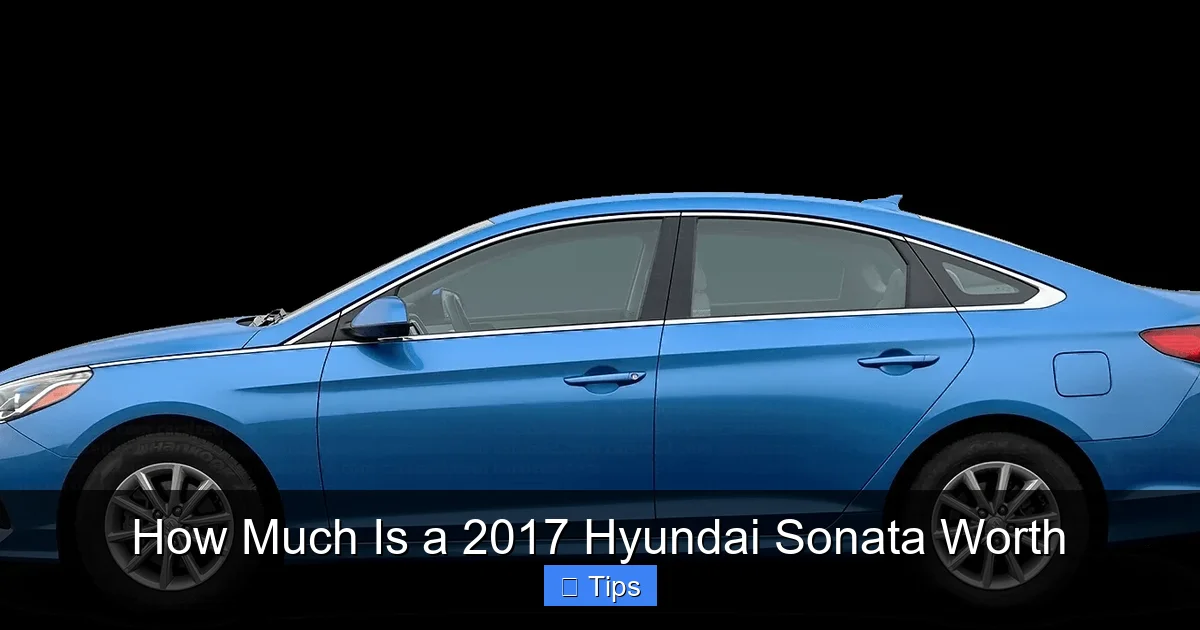
One of the biggest factors affecting how much a 2017 Hyundai Sonata is worth is the trim level. Hyundai offered five main trims for the 2017 model year: SE, Eco, Sport, Limited, and Sport 2.0T. Each comes with different features, engine options, and price points—both when new and on the used market.
The base SE trim is the most affordable and commonly found on the used market. It comes with a 2.4-liter four-cylinder engine (185 horsepower), cloth seats, a 7-inch touchscreen, Bluetooth, and a rearview camera. While it lacks some of the luxury features of higher trims, it’s still a solid, no-frills option for daily commuting. Used SE models typically sell for $11,500–$14,000, depending on mileage and condition.
The Eco trim is similar to the SE but features a smaller, turbocharged 1.6-liter engine designed for better fuel economy (up to 30 mpg combined). It’s a good choice for city drivers who prioritize efficiency over power. However, the smaller engine and fewer standard features mean Eco models often sell for $500–$1,000 less than comparable SE trims.
The Sport trim steps up the game with a more aggressive exterior design, sport-tuned suspension, and available leather upholstery. It also offers the option of a more powerful 2.0-liter turbocharged engine (245 horsepower) in the Sport 2.0T version. These performance-oriented features make the Sport and Sport 2.0T trims more desirable—and more valuable. Expect to pay $14,000–$17,000 for a well-maintained Sport, and $15,000–$18,000 for a Sport 2.0T with low mileage.
The Limited trim is the top-of-the-line model and includes nearly every feature Hyundai offered in 2017. Standard amenities include leather seats, heated front and rear seats, a panoramic sunroof, dual-zone automatic climate control, a premium audio system, and advanced safety features like blind-spot monitoring and rear cross-traffic alert. Because of its high feature content and strong resale appeal, the Limited trim holds its value better than lower trims. Prices typically range from $15,000 to $18,500, with CPO models sometimes exceeding $19,000.
When comparing trims, it’s important to consider your needs. If you want a comfortable, feature-rich sedan for long commutes or family trips, the Limited or Sport 2.0T might be worth the extra cost. But if you’re on a tight budget and just need reliable transportation, the SE or Eco could be a smarter buy.
Engine Options and Performance Value
The 2017 Sonata offers three engine choices, each appealing to different types of drivers. The standard 2.4-liter four-cylinder engine delivers 185 horsepower and 178 lb-ft of torque. It’s smooth, quiet, and efficient, achieving up to 25 mpg in the city and 36 mpg on the highway. This engine is found in the SE, Sport, and Limited trims and is the most common on the used market.
The 1.6-liter turbocharged engine in the Eco trim produces 178 horsepower and 195 lb-ft of torque. While it has slightly less power, the turbo gives it better low-end responsiveness, and it achieves slightly better fuel economy—up to 28 mpg city and 38 mpg highway. However, some owners report that the smaller engine can feel underpowered during highway merging or uphill driving, which may affect long-term satisfaction.
The 2.0-liter turbocharged engine in the Sport 2.0T is the performance king of the lineup. With 245 horsepower and 260 lb-ft of torque, it offers a significant boost in acceleration and driving excitement. It’s paired with a six-speed automatic transmission and includes sport-tuned steering and suspension. This engine is a favorite among enthusiasts and those who want a more engaging drive without stepping into luxury sedan territory.
From a value perspective, the 2.0T engine adds appeal—but also complexity. Turbocharged engines typically require more maintenance and can be more expensive to repair if issues arise. That said, when properly maintained, the 2.0T is reliable and adds resale value. A Sport 2.0T with a clean history can sell for $1,000–$2,000 more than a similarly equipped Sport with the standard engine.
Certified Pre-Owned (CPO) vs. Private Sale: Which Is Better?
Visual guide about How Much Is a 2017 Hyundai Sonata Worth
Image source: platform.cstatic-images.com
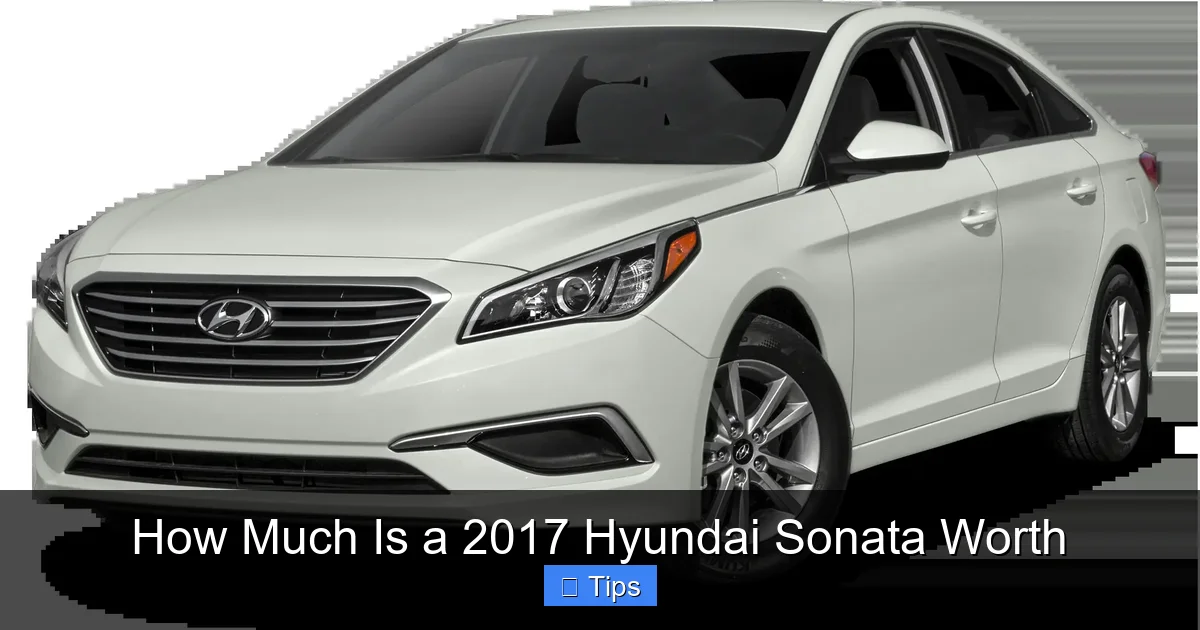
When shopping for a 2017 Hyundai Sonata, you’ll likely come across two main options: certified pre-owned (CPO) vehicles from dealerships and private sales from individual owners. Each has pros and cons, and the best choice depends on your priorities.
CPO Sonatas are inspected, reconditioned, and backed by Hyundai’s certified warranty program. To qualify, a vehicle must be less than six years old, have under 80,000 miles, and pass a rigorous 164-point inspection. CPO models also come with a 10-year/100,000-mile powertrain warranty (from the original in-service date) and a 12-month/12,000-mile comprehensive warranty. Some dealers even offer roadside assistance and loaner cars.
Because of these benefits, CPO Sonatas typically cost 10–15% more than similar private-sale vehicles. For example, a 2017 Sonata Limited with 60,000 miles might sell for $16,500 privately but $18,000 as a CPO. That extra cost buys peace of mind, especially if you’re not mechanically inclined or want protection against unexpected repairs.
Private sales, on the other hand, often offer better prices. Sellers aren’t paying for certification, advertising, or dealer overhead, so they can pass those savings on to you. You might find a well-maintained Sonata for $1,000–$2,000 less than a comparable CPO model. However, private sales come with more risk. There’s no warranty, and you’ll need to do your own inspection or hire a mechanic to check the car before buying.
If you go the private route, always ask for maintenance records, a vehicle history report (like Carfax or AutoCheck), and proof of ownership. Meet in a safe, public location, and consider bringing a friend or mechanic with you. It’s also wise to take the car for a test drive on different road types—highways, hills, and stop-and-go traffic—to assess how it performs.
Ultimately, if you value convenience and protection, a CPO Sonata is worth the premium. But if you’re comfortable doing your homework and want to save money, a private sale can be a great deal.
How to Maximize Value When Selling Your 2017 Sonata
Visual guide about How Much Is a 2017 Hyundai Sonata Worth
Image source: autodetective.com
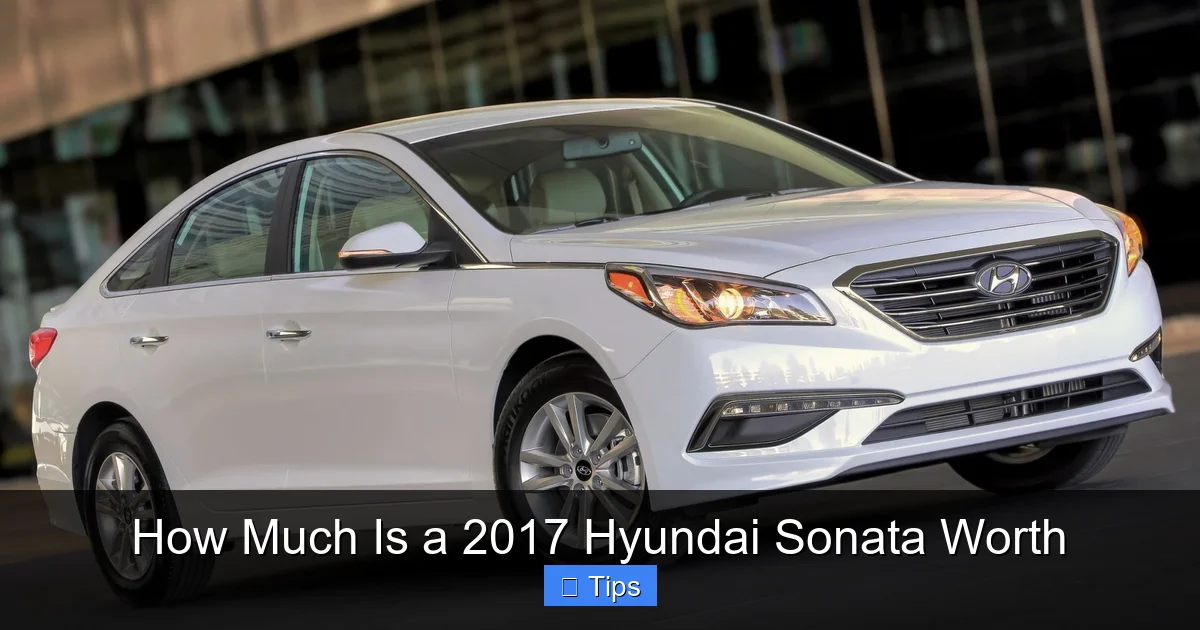
If you’re looking to sell your 2017 Hyundai Sonata, there are several steps you can take to get the best possible price. First, clean the car inside and out. A thorough wash, wax, and interior detailing can make a huge difference in first impressions. Buyers are more likely to pay top dollar for a car that looks well cared for.
Next, gather all maintenance records. A documented service history shows that the car has been properly maintained and can justify a higher asking price. If you’ve done major services—like timing belt replacements, brake jobs, or transmission fluid changes—be sure to highlight them.
Address any minor issues before listing the car. Fixing small dents, replacing burnt-out bulbs, or repairing cracked windshields can cost a few hundred dollars but may increase the sale price by much more. Avoid major repairs unless they’re essential—like engine or transmission problems—since those can be costly and may not fully recover in resale value.
When pricing your Sonata, research similar listings in your area. Use tools like KBB’s “Private Party Value” or Edmunds’ “True Market Value” to get a realistic estimate. Price your car competitively—slightly below market average to attract buyers quickly, or at the high end if it’s in exceptional condition.
Finally, choose the right platform to sell. Online marketplaces like Facebook Marketplace, Craigslist, and Autotrader are popular for private sales. Include high-quality photos, a detailed description, and your asking price. Be responsive to inquiries and willing to negotiate—but don’t accept lowball offers unless you’re in a hurry to sell.
Common Issues and How They Affect Value
No car is perfect, and the 2017 Hyundai Sonata is no exception. While it’s generally reliable, some common issues can affect its value and longevity. Being aware of these can help you avoid overpaying or prepare for future repairs.
One known issue is with the engine oil consumption in some 2.4-liter models. A small number of owners reported burning oil between changes, which can lead to engine damage if not monitored. Hyundai issued a technical service bulletin (TSB) but did not issue a full recall. If you’re buying, ask for oil consumption records and check the dipstick regularly.
Another concern is the transmission. Some 2017 Sonatas with the six-speed automatic have experienced rough shifting or hesitation. This is often due to software issues that can be resolved with a transmission control module (TCM) update at a dealership. Make sure any used Sonata you’re considering has had this update if needed.
Electrical issues, such as malfunctioning infotainment screens or faulty sensors, have also been reported. These are usually minor but can be annoying and costly to fix. A pre-purchase inspection can help identify these problems before you buy.
Finally, check for recalls. Hyundai has issued several recalls for the 2017 Sonata, including issues with airbags, fuel pumps, and engine components. Visit the NHTSA website or Hyundai’s recall lookup tool to see if the car you’re interested in has any open recalls—and ensure they’ve been addressed.
While these issues don’t make the 2017 Sonata a bad car, they can affect its value. A Sonata with a clean history and no major problems will always be worth more than one with unresolved issues.
Final Thoughts: Is the 2017 Sonata a Good Buy?
So, how much is a 2017 Hyundai Sonata worth? The answer depends on your needs, budget, and how much you value peace of mind. In general, this model offers excellent value for the money, especially in the $12,000–$18,000 range.
It’s a spacious, comfortable, and fuel-efficient sedan with a long list of standard features—even on the base trim. Higher trims add luxury and performance, making them appealing to a wider range of buyers. And with Hyundai’s improving reputation for reliability, the 2017 Sonata is a smart choice for anyone looking for a dependable used car.
Whether you’re buying or selling, do your research, compare prices, and don’t rush the process. A little effort can save you thousands and ensure you get a great deal on a car that will serve you well for years to come.
Frequently Asked Questions
What is the average price of a 2017 Hyundai Sonata?
The average price of a 2017 Hyundai Sonata ranges from $12,000 to $18,000, depending on trim, mileage, condition, and location. Lower-mileage, higher-trim models typically fall on the higher end of this range.
How does mileage affect the value of a 2017 Sonata?
Mileage is a major factor in pricing. Sonatas with under 60,000 miles are more valuable, while those over 100,000 miles see a significant drop in price due to increased wear and reduced lifespan.
Is a 2017 Hyundai Sonata a reliable car?
Yes, the 2017 Sonata is generally reliable, with strong ratings from J.D. Power and Consumer Reports. Regular maintenance and addressing known issues like oil consumption can ensure long-term dependability.
Should I buy a CPO 2017 Sonata or a private sale?
A CPO Sonata offers warranty protection and peace of mind but costs more. A private sale is usually cheaper but comes with more risk. Choose based on your budget and comfort level with inspections.
What trim of the 2017 Sonata holds its value best?
The Limited and Sport 2.0T trims hold their value best due to their premium features, stronger engines, and higher demand among used car buyers.
Are there any common problems with the 2017 Sonata?
Some owners report engine oil consumption, transmission hesitation, and minor electrical issues. Most can be resolved with proper maintenance or dealership updates, but always check the vehicle history.

At CarLegit, we believe information should be clear, factual, and genuinely helpful. That’s why every guide, review, and update on our website is created with care, research, and a strong focus on user experience.