
A BMW brake fluid service typically costs between $120 and $250, depending on location, model, and service provider. Regular maintenance ensures optimal braking performance and prevents costly repairs down the road.
In This Article
- 1 Key Takeaways
- 2 📑 Table of Contents
- 3 How Much Is a BMW Brake Fluid Service? A Complete Guide
- 4 Understanding BMW Brake Fluid Service
- 5 Average Cost of a BMW Brake Fluid Service
- 6 DIY Brake Fluid Service: Can You Do It Yourself?
- 7 Signs You Need a Brake Fluid Service
- 8 Choosing the Right Service Provider
- 9 Long-Term Benefits of Regular Brake Fluid Service
- 10 Conclusion
- 11 Frequently Asked Questions
- 11.1 How often should I get a BMW brake fluid service?
- 11.2 Can I use any brake fluid in my BMW?
- 11.3 Is a brake fluid service the same as a brake job?
- 11.4 Will skipping brake fluid service void my warranty?
- 11.5 Can I check my brake fluid level myself?
- 11.6 What happens if I don’t change my brake fluid?
Key Takeaways
- Cost Range: Expect to pay $120–$250 for a BMW brake fluid service at a dealership or certified mechanic.
- Service Frequency: BMW recommends replacing brake fluid every 2 years, regardless of mileage.
- DIY vs. Professional: While DIY is possible, professional service ensures proper bleeding and system integrity.
- Included Services: A full service includes fluid replacement, system flush, and inspection of brake components.
- Warning Signs: Spongy pedals, longer stopping distances, or dashboard warnings mean it’s time for a service.
- Long-Term Savings: Regular brake fluid changes prevent corrosion and extend the life of expensive brake parts.
- Warranty Impact: Using non-OEM fluid or skipping service may void parts of your BMW warranty.
📑 Table of Contents
- How Much Is a BMW Brake Fluid Service? A Complete Guide
- Understanding BMW Brake Fluid Service
- Average Cost of a BMW Brake Fluid Service
- DIY Brake Fluid Service: Can You Do It Yourself?
- Signs You Need a Brake Fluid Service
- Choosing the Right Service Provider
- Long-Term Benefits of Regular Brake Fluid Service
- Conclusion
How Much Is a BMW Brake Fluid Service? A Complete Guide
When it comes to maintaining your BMW, few things are as critical as your braking system. After all, your brakes are your first line of defense in an emergency. One often-overlooked but vital part of brake maintenance is the brake fluid service. If you’ve ever wondered, “How much is a BMW brake fluid service?” you’re not alone. It’s a common question among BMW owners who want to keep their luxury vehicles running safely and smoothly.
Brake fluid is the lifeblood of your braking system. It transfers the force from your foot on the pedal to the brake calipers, which then clamp down on the rotors to slow or stop your car. Over time, however, brake fluid absorbs moisture from the air. This moisture lowers the fluid’s boiling point and can lead to corrosion inside the brake lines and components. That’s why BMW—and most automotive experts—recommend replacing your brake fluid regularly. But how much does it cost, and what exactly are you paying for?
In this guide, we’ll break down everything you need to know about BMW brake fluid service costs, what’s included, how often it should be done, and whether you should tackle it yourself or leave it to the professionals. Whether you drive a sleek BMW 3 Series, a powerful X5 SUV, or a sporty M3, this information applies to all models. Let’s dive in.
Understanding BMW Brake Fluid Service
Visual guide about How Much Is a Bmw Brake Fluid Service
Image source: fluidmotorunion.com
Before we get into pricing, it’s important to understand what a brake fluid service actually involves. Many drivers assume it’s just a simple fluid top-off, but it’s much more involved than that.
What Is Brake Fluid and Why Does It Need Replacing?
Brake fluid is a hydraulic fluid that operates under extreme pressure and temperature. Unlike engine oil, which lubricates moving parts, brake fluid’s main job is to transfer force. When you press the brake pedal, the fluid pushes against pistons in the brake calipers, squeezing the brake pads against the rotors.
Over time, brake fluid absorbs moisture—up to 2% per year in humid climates. This moisture can cause several problems:
– It lowers the boiling point of the fluid, which can lead to brake fade during heavy use (like driving down a mountain).
– It promotes internal corrosion in brake lines, calipers, and the master cylinder.
– It can cause seals to swell or degrade, leading to leaks.
BMW uses DOT 4 brake fluid, which is hygroscopic—meaning it attracts and holds water. That’s why regular replacement is crucial.
What Happens During a Brake Fluid Service?
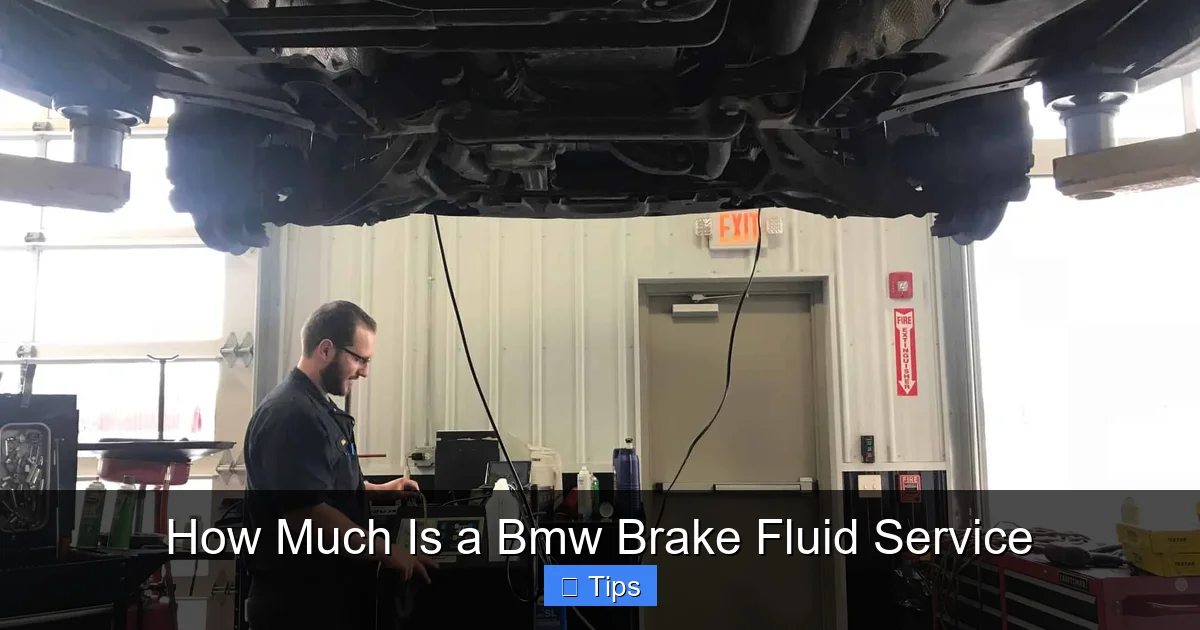
A proper BMW brake fluid service isn’t just about pouring in new fluid. It’s a full system flush and replacement. Here’s what typically happens:
1. **Inspection:** The technician checks the condition of the brake fluid using a moisture meter or test strips. They also inspect brake lines, calipers, and the master cylinder for leaks or damage.
2. **Draining Old Fluid:** The old fluid is removed from the master cylinder reservoir.
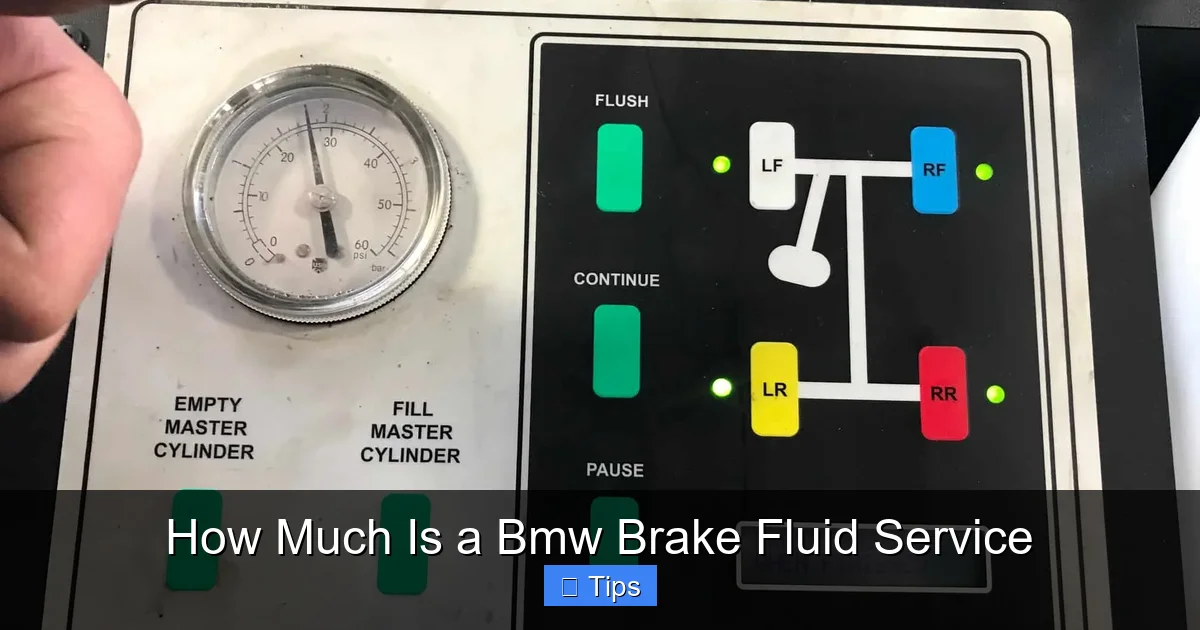
3. **Flushing the System:** Fresh fluid is pumped through the entire brake system, starting from the master cylinder and working through each wheel’s brake line. This ensures all old, contaminated fluid is removed.
4. **Bleeding the Brakes:** Air bubbles can get trapped in the system during the flush. The technician uses a bleeding process to remove these bubbles, ensuring a firm brake pedal.
5. **Topping Off and Testing:** The reservoir is filled to the correct level, and the brakes are tested for proper function.
This process usually takes 30 to 60 minutes, depending on the shop and the complexity of the system.
Why BMW Recommends a 2-Year Interval
BMW’s official maintenance schedule calls for a brake fluid change every two years, regardless of how many miles you’ve driven. This might seem frequent, especially if you only drive 5,000 miles a year. But it’s not about mileage—it’s about time.
Moisture absorption happens continuously, even when the car is parked. After two years, the fluid can have absorbed enough water to compromise performance. In extreme cases, this can lead to brake failure.
Think of it like this: your brake fluid is like a sponge. Over time, it soaks up water, even if you’re not using it. After two years, that sponge is saturated—and it’s time to replace it.
Average Cost of a BMW Brake Fluid Service
Visual guide about How Much Is a Bmw Brake Fluid Service
Image source: fluidmotorunion.com
Now, let’s answer the big question: how much is a BMW brake fluid service?
Dealership vs. Independent Shop Pricing
The cost can vary significantly depending on where you go. Here’s a breakdown:
– **BMW Dealership:** $180–$250
Dealerships use OEM (Original Equipment Manufacturer) parts and fluids, and their technicians are factory-trained. They also have access to BMW-specific diagnostic tools. However, this expertise comes at a premium.
– **Independent BMW Specialist:** $140–$200
Many independent shops specialize in European cars and BMWs. They often charge less than dealerships but still use high-quality parts and fluids. Some even offer warranties on their work.
– **General Auto Repair Shop:** $120–$170
A standard mechanic may offer brake fluid service at a lower price, but be cautious. They might not use the correct DOT 4 fluid or follow BMW’s specific procedures. Always ask what type of fluid they use and whether they perform a full flush.
Factors That Affect the Price
Several factors can influence the final cost:
– **Location:** Labor rates are higher in cities like New York, Los Angeles, or San Francisco. A service in rural Ohio might cost $130, while the same service in Manhattan could be $220.
– **Model and Year:** Older BMWs or those with complex braking systems (like the M series with carbon-ceramic brakes) may require more time and specialized tools.
– **Additional Repairs:** If the technician finds worn brake pads, leaking calipers, or damaged lines during the inspection, those repairs will add to the total cost.
– **Fluid Type:** Some shops charge extra for premium or synthetic brake fluid. BMW recommends using genuine BMW DOT 4 fluid, which may cost more than generic brands.
Is It Worth the Cost?
At first glance, $200 might seem steep for a fluid change. But consider the alternative: ignoring your brake fluid can lead to expensive repairs down the line.
For example, moisture in the brake fluid can cause corrosion in the brake lines. Replacing a single brake line can cost $300–$500. If the master cylinder fails due to internal rust, that repair can run $800 or more. A $200 brake fluid service every two years is a small price to pay to avoid these issues.
Plus, a properly maintained braking system gives you peace of mind. You’ll know your BMW will stop when you need it to—whether you’re cruising down the highway or navigating a busy city street.
DIY Brake Fluid Service: Can You Do It Yourself?
Visual guide about How Much Is a Bmw Brake Fluid Service
Image source: bmwinsights.com
With the rise of online tutorials and affordable tools, many BMW owners wonder if they can save money by doing the brake fluid service themselves.
Pros of DIY Brake Fluid Service
– **Cost Savings:** You can buy a brake fluid flush kit for $30–$50 and a bottle of DOT 4 fluid for $15–$25. That’s a total of $50–$75, compared to $200 at a shop.
– **Learning Experience:** Doing it yourself gives you a deeper understanding of your car’s braking system.
– **Convenience:** You can do it on your schedule, without waiting for an appointment.
Cons and Risks of DIY
However, there are significant risks:
– **Improper Bleeding:** If air gets trapped in the brake lines, your pedal will feel spongy or sink to the floor. This is dangerous and can lead to brake failure.
– **Wrong Fluid:** Using the wrong type of brake fluid (like DOT 3 instead of DOT 4) can damage seals and reduce performance.
– **No Inspection:** A DIY job usually doesn’t include a full inspection of brake components. You might miss signs of wear or damage.
– **Warranty Concerns:** If you have a newer BMW under warranty, DIY maintenance might void certain coverage, especially if a problem arises later.
Tools and Steps for DIY Service
If you decide to go the DIY route, here’s what you’ll need:
– Brake fluid (BMW-recommended DOT 4)
– Brake bleeder kit or vacuum pump
– Wrench set
– Clean rags
– Safety glasses and gloves
Steps:
1. Park on a level surface and engage the parking brake.
2. Remove the old fluid from the master cylinder reservoir.
3. Attach the bleeder kit to each wheel’s bleeder valve, starting with the wheel farthest from the master cylinder (usually the rear passenger side).
4. Pump fresh fluid through the system until it runs clear.
5. Repeat for all four wheels.
6. Top off the reservoir and test the brakes.
Even if you do it yourself, consider having a professional inspect your brakes annually to catch any hidden issues.
Signs You Need a Brake Fluid Service
Don’t wait for your 2-year mark if you notice any of these warning signs:
Spongy or Soft Brake Pedal
If your brake pedal feels soft or sinks to the floor when pressed, it could mean air or moisture in the system. This is a clear sign that your brake fluid needs attention.
Longer Stopping Distances
If your BMW takes longer to stop than usual, it might not just be worn brake pads. Contaminated brake fluid can reduce hydraulic pressure, making braking less effective.
Brake Warning Light
Some BMW models have a brake fluid level sensor. If the warning light comes on, check the fluid level immediately. Low fluid could indicate a leak.
Unusual Noises or Smells
Squealing, grinding, or a burning smell when braking could point to overheated fluid or internal corrosion. Don’t ignore these signs.
Fluid Appearance
Fresh brake fluid is clear or light yellow. If it’s dark brown or black, it’s time for a change. You can check this by looking at the fluid in the reservoir (with the cap off, when the engine is off).
Choosing the Right Service Provider
Not all mechanics are created equal—especially when it comes to BMWs.
What to Look For
– **Certifications:** Look for ASE (Automotive Service Excellence) certification or BMW-specific training.
– **Experience:** Ask how many BMWs they service per month.
– **Transparency:** A good shop will explain what they’re doing and show you the old fluid.
– **Warranty:** Reputable shops offer a warranty on parts and labor—usually 12 months or 12,000 miles.
Questions to Ask
Before agreeing to service, ask:
– What type of brake fluid do you use?
– Do you perform a full system flush and bleed?
– Can you show me the moisture content of my current fluid?
– Do you inspect other brake components during the service?
Online Reviews and Recommendations
Check Google, Yelp, and BMW forums like Bimmerpost for reviews. A shop with consistent 4.5+ stars and detailed customer feedback is usually a safe bet.
Long-Term Benefits of Regular Brake Fluid Service
Investing in regular brake fluid service pays off in more ways than one.
Enhanced Safety
Your brakes are only as good as the fluid that powers them. Clean, dry fluid ensures maximum stopping power when you need it most.
Extended Component Life
Corrosion from moisture can destroy brake lines, calipers, and the master cylinder. Regular fluid changes prevent this, saving you thousands in repairs.
Better Performance
A well-maintained braking system responds faster and more predictably. Whether you’re driving in traffic or on a winding road, you’ll appreciate the difference.
Resale Value
A documented maintenance history—including brake fluid services—can boost your BMW’s resale value. Buyers know that a well-cared-for car is less likely to have hidden problems.
Peace of Mind
Knowing your BMW is in top condition lets you enjoy the drive without worry. That’s priceless.
Conclusion
So, how much is a BMW brake fluid service? On average, you’re looking at $120 to $250, depending on where you go and what’s included. While it might seem like an unnecessary expense, it’s one of the most important maintenance tasks you can do for your BMW.
Regular brake fluid service ensures your braking system works reliably, prevents costly repairs, and keeps you safe on the road. Whether you choose a dealership, an independent specialist, or tackle it yourself, make sure the job is done right.
Don’t wait for a warning light or a spongy pedal. Follow BMW’s 2-year recommendation and stay ahead of potential problems. Your car—and your safety—are worth it.
Frequently Asked Questions
How often should I get a BMW brake fluid service?
BMW recommends replacing brake fluid every two years, regardless of mileage. This is because brake fluid absorbs moisture over time, which can compromise performance.
Can I use any brake fluid in my BMW?
No. BMW requires DOT 4 brake fluid. Using the wrong type (like DOT 3 or DOT 5) can damage seals and reduce braking efficiency.
Is a brake fluid service the same as a brake job?
No. A brake job typically involves replacing brake pads and rotors. A brake fluid service focuses only on replacing and flushing the hydraulic fluid.
Will skipping brake fluid service void my warranty?
Possibly. If a brake-related issue arises and you haven’t followed BMW’s maintenance schedule, the manufacturer may deny warranty coverage.
Can I check my brake fluid level myself?
Yes. The reservoir is usually located under the hood. Check the level when the engine is off, and ensure it’s between the MIN and MAX marks.
What happens if I don’t change my brake fluid?
Over time, moisture in the fluid can cause corrosion, reduce braking performance, and lead to expensive repairs like caliper or master cylinder replacement.

At CarLegit, we believe information should be clear, factual, and genuinely helpful. That’s why every guide, review, and update on our website is created with care, research, and a strong focus on user experience.