
Replacing a starter in your Honda Civic typically costs between $300 and $600, including parts and labor. Prices vary based on model year, engine type, and whether you choose OEM or aftermarket parts. With the right knowledge, you can save money and avoid common pitfalls.
If your Honda Civic won’t start and you hear a faint click when you turn the key, you might be dealing with a failing starter. It’s a common issue that many Civic owners face at some point—especially as the car ages. But before you panic or rush to the mechanic, it’s smart to understand what you’re dealing with. How much is a starter for a Honda Civic? The answer isn’t one-size-fits-all. It depends on your car’s year, engine size, where you live, and whether you go the DIY route or hire a pro.
The good news? Honda Civics are known for their reliability, and their starters are generally durable. Most last between 100,000 and 150,000 miles. But like any mechanical part, they eventually wear out. When that happens, knowing your options can save you time, money, and frustration. In this guide, we’ll break down everything you need to know about starter replacement—from average costs and part types to installation tips and troubleshooting. Whether you’re driving a 1998 Civic DX or a 2022 Civic Si, this guide will help you make an informed decision.
In This Article
- 1 Key Takeaways
- 2 📑 Table of Contents
- 3 Understanding the Honda Civic Starter
- 4 Average Cost to Replace a Honda Civic Starter
- 5 OEM vs. Aftermarket Starters: Which Should You Choose?
- 6 DIY Starter Replacement: Step-by-Step Guide
- 7 When to Call a Professional
- 8 Maintaining Your Starter and Preventing Future Failures
- 9 Conclusion
- 10 Frequently Asked Questions
- 10.1 How long does a Honda Civic starter last?
- 10.2 Can I drive my Civic with a bad starter?
- 10.3 Is it worth replacing the starter myself?
- 10.4 Will a bad starter drain my battery?
- 10.5 Do I need to reprogram anything after replacing the starter?
- 10.6 What’s the difference between a starter and a solenoid?
Key Takeaways
- Starter cost range: Expect to pay $150–$400 for the part alone, with labor adding $150–$200 more.
- Model year matters: Older Civics (1990s–2000s) often have cheaper starters, while newer models (2016+) may cost more due to advanced electronics.
- OEM vs. aftermarket: OEM starters are pricier but reliable; quality aftermarket options offer good value and performance.
- DIY savings: Skilled DIYers can save $150+ by installing the starter themselves with basic tools.
- Signs of failure: Slow cranking, clicking noises, or no response when turning the key often point to a bad starter.
- Warranty considerations: Some aftermarket starters come with 1–3 year warranties, offering peace of mind.
- Professional diagnosis: Always rule out battery or alternator issues before replacing the starter to avoid unnecessary costs.
📑 Table of Contents
Understanding the Honda Civic Starter
The starter is a small but mighty component that plays a critical role in your car’s ignition system. When you turn the key or press the start button, the starter motor engages the engine’s flywheel, spinning it fast enough to begin the combustion process. Without a working starter, your Civic simply won’t start—no matter how healthy the battery or fuel system is.
Honda Civics use electric starters, which are compact, efficient, and designed to handle thousands of start cycles. These starters are typically mounted near the transmission bell housing, making them accessible but sometimes tricky to reach. Over time, internal components like the solenoid, brushes, and armature can wear down, leading to failure.
One reason Civics are so popular is their straightforward design. Unlike some luxury or performance vehicles, the Civic’s starter isn’t buried under a maze of hoses and shields. This makes replacement more manageable, even for weekend mechanics. However, the exact location and accessibility can vary slightly depending on the engine type—especially between the 4-cylinder models and the rarer VTEC or turbocharged versions.
How the Starter Works in a Honda Civic
When you turn the ignition key, a signal is sent to the starter solenoid, which acts like a relay. The solenoid then sends a burst of electricity from the battery to the starter motor. This powers the motor, which spins a small gear (the pinion) that meshes with the engine’s flywheel. The flywheel turns the crankshaft, initiating the engine’s startup sequence.
Once the engine fires and runs on its own, the starter disengages automatically. This entire process happens in seconds—but if any part of the system fails, you’ll notice it immediately. Common failure points include worn brushes (which conduct electricity to the motor), a faulty solenoid, or a seized motor due to heat or moisture.
Honda designs its starters to be robust, but they’re not immune to issues. For example, in humid climates, corrosion can build up on electrical connections, leading to poor contact and intermittent starting problems. Similarly, frequent short trips can prevent the battery from fully charging, putting extra strain on the starter over time.
Signs Your Civic’s Starter Is Failing
Recognizing the symptoms early can save you from being stranded. Here are the most common signs that your Honda Civic’s starter is on its last legs:
– **Clicking noise when turning the key:** This is the classic symptom. You turn the key, hear a loud click (or rapid clicking), but the engine doesn’t crank. This usually means the solenoid is engaging, but the motor isn’t spinning.
– **Engine cranks slowly or not at all:** If the starter turns weakly or not at all, it could be due to worn internal components or low voltage.
– **Grinding noise during startup:** This suggests the starter gear isn’t properly engaging or disengaging with the flywheel—potentially damaging both parts.
– **Starter stays engaged after engine starts:** In rare cases, the solenoid fails to disengage, causing the starter to keep spinning. This is dangerous and can destroy the starter and flywheel.
– **Intermittent starting issues:** Sometimes the car starts fine one day and won’t start the next. This could point to loose wiring, a bad connection, or a failing solenoid.
It’s important to note that these symptoms can also be caused by a weak battery, faulty alternator, or ignition switch problems. That’s why a proper diagnosis is crucial before replacing the starter.
Average Cost to Replace a Honda Civic Starter
Visual guide about How Much Is a Starter for a Honda Civic
Image source: cdn.onderdelenlijn.nl
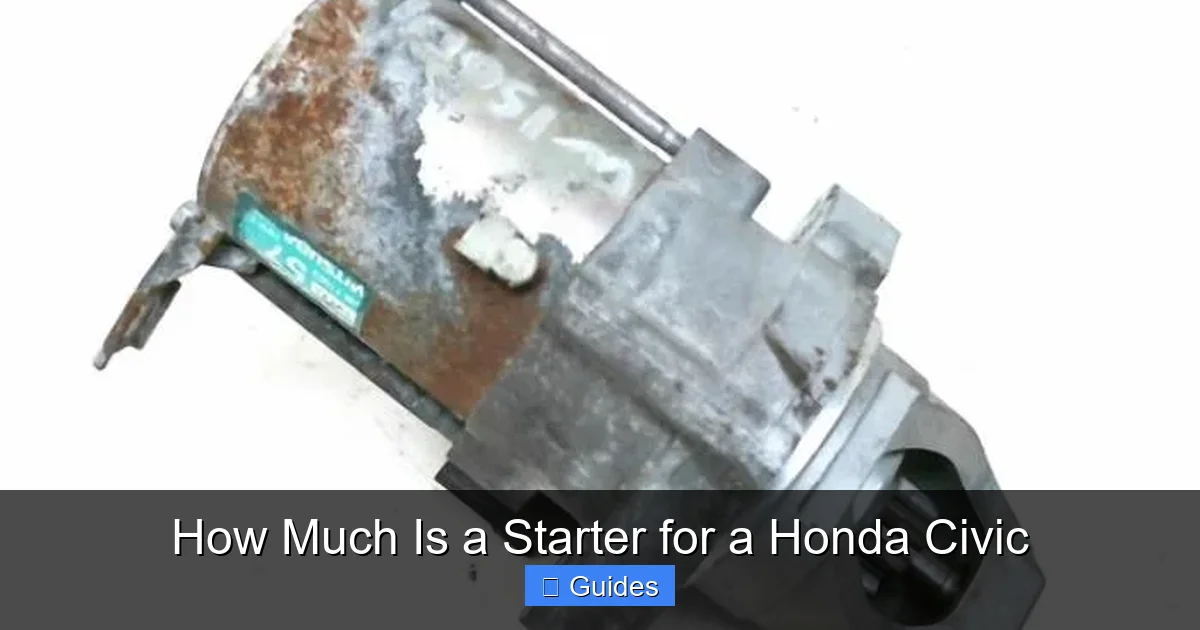
So, how much is a starter for a Honda Civic? The total cost typically ranges from $300 to $600, but this can vary widely based on several factors. Let’s break it down into parts and labor.
Parts Cost: OEM vs. Aftermarket
The price of the starter itself is the biggest variable. You’ll generally find three types of starters available:
– **OEM (Original Equipment Manufacturer):** These are made by Honda or their authorized suppliers. They’re identical to the part that came with your car and often come with a warranty. OEM starters for a Honda Civic typically cost between $250 and $400.
– **Aftermarket (Premium):** Brands like Bosch, Denso, ACDelco, and NipponDenso offer high-quality aftermarket starters. These are often just as reliable as OEM parts but cost less—usually $150 to $250.
– **Economy/Rebuilt:** Rebuilt or remanufactured starters are the most affordable option, ranging from $100 to $180. These are used starters that have been cleaned, tested, and refurbished. While they can work well, they may not last as long as new units.
For example, a 2006 Honda Civic EX with a 1.8L engine might use an OEM starter priced around $320, while a comparable aftermarket unit from Denso could be $190. A rebuilt starter might go for $130. The choice depends on your budget and how long you plan to keep the car.
Labor Costs: DIY vs. Professional Installation
Labor is the second major cost factor. A professional mechanic typically charges $100 to $200 for starter replacement, depending on location and shop rates. In major cities like Los Angeles or New York, labor can run closer to $250 due to higher overhead.
However, the job is often doable at home with basic tools. If you’re comfortable working under the car and have a jack, jack stands, and a socket set, you can save the labor cost entirely. The starter is usually accessible from underneath the vehicle, near the transmission. On most Civics, it takes 1–2 hours for a first-timer and 30–45 minutes for someone experienced.
Keep in mind that some models—especially those with transverse-mounted engines or tight engine bays—may require removing other components like the air intake or heat shield. Always consult your owner’s manual or a repair guide specific to your Civic’s year and trim.
Total Cost Breakdown by Model Year
Here’s a rough estimate of total replacement costs (parts + labor) for different Civic generations:
– **1996–2000 Honda Civic (6th gen):** $250–$400
Older models use simpler starters that are widely available and inexpensive.
– **2001–2005 Honda Civic (7th gen):** $300–$450
Slightly more complex, but still affordable. Aftermarket options are plentiful.
– **2006–2011 Honda Civic (8th gen):** $350–$500
These models may require more labor due to tighter engine packaging.
– **2012–2015 Honda Civic (9th gen):** $400–$550
Increased electronics and tighter spaces can raise labor time.
– **2016–2021 Honda Civic (10th gen):** $450–$600
Newer models with advanced starters and start-stop systems may cost more.
– **2022–2024 Honda Civic (11th gen):** $500–$650
Higher-end electronics and tighter engine bays can increase both part and labor costs.
These are averages—actual prices depend on your location, shop rates, and whether you choose OEM or aftermarket parts.
OEM vs. Aftermarket Starters: Which Should You Choose?
Visual guide about How Much Is a Starter for a Honda Civic
Image source: carglassadvisor.com
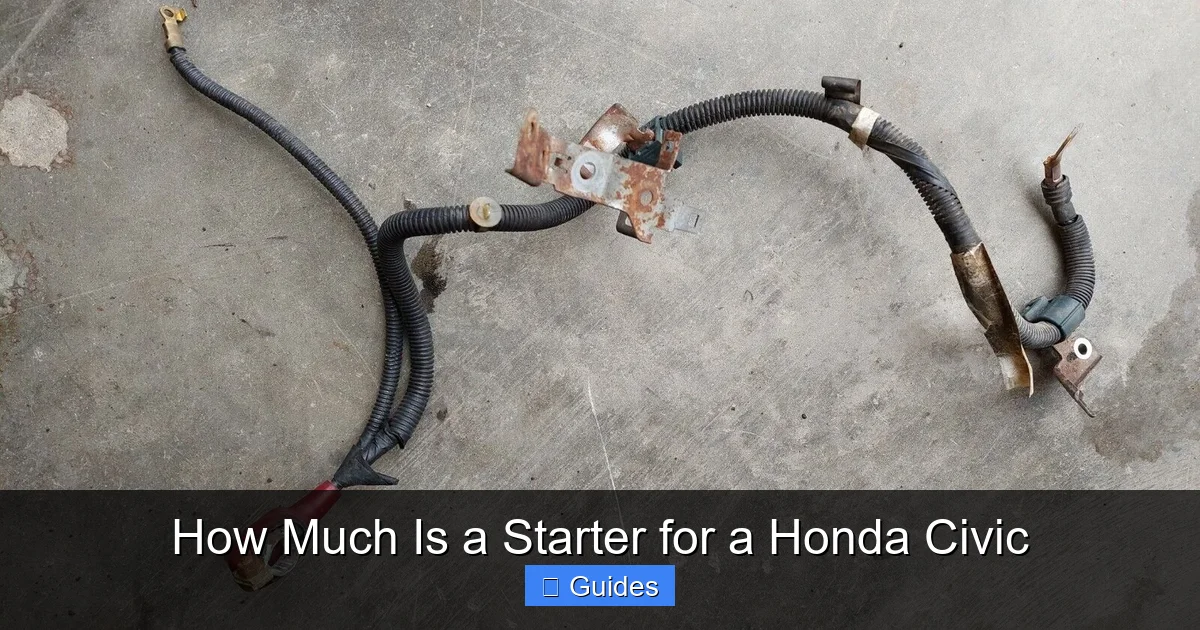
One of the biggest decisions you’ll face is whether to go with an OEM or aftermarket starter. Both have pros and cons, and the right choice depends on your priorities.
Pros and Cons of OEM Starters
OEM starters are the safest bet if you want peace of mind. They’re built to Honda’s exact specifications, ensuring compatibility and reliability. They often come with a 12-month/unlimited mileage warranty and are less likely to cause electrical issues.
However, they’re also the most expensive option. For example, a 2018 Civic starter from Honda Parts Now costs around $380, while a comparable Denso aftermarket unit is $220. If you’re keeping the car for many years, the extra cost might be worth it. But if you’re on a tight budget or plan to sell the car soon, OEM may not be necessary.
Pros and Cons of Aftermarket Starters
Aftermarket starters from reputable brands like Bosch, Denso, or ACDelco offer excellent value. Many are built in the same factories as OEM parts and meet or exceed original specs. They’re often lighter, more efficient, and come with strong warranties—sometimes up to 3 years.
The downside? Quality can vary. Stick to well-known brands and avoid no-name parts from unknown sellers. Also, some aftermarket starters may require slight modifications or have different mounting configurations. Always double-check compatibility using your VIN or part number.
When to Choose Rebuilt or Remanufactured
If you’re looking to save money and don’t mind a slightly shorter lifespan, a rebuilt starter can be a smart choice. These units are disassembled, cleaned, and tested, with worn parts replaced. They’re ideal for older Civics or cars with high mileage where a brand-new part isn’t justified.
Just make sure the seller offers a solid warranty—at least 12 months—and provides a core return policy (where you send back your old starter for a refund). This ensures the rebuild process is sustainable and high-quality.
DIY Starter Replacement: Step-by-Step Guide
Visual guide about How Much Is a Starter for a Honda Civic
Image source: i.ytimg.com
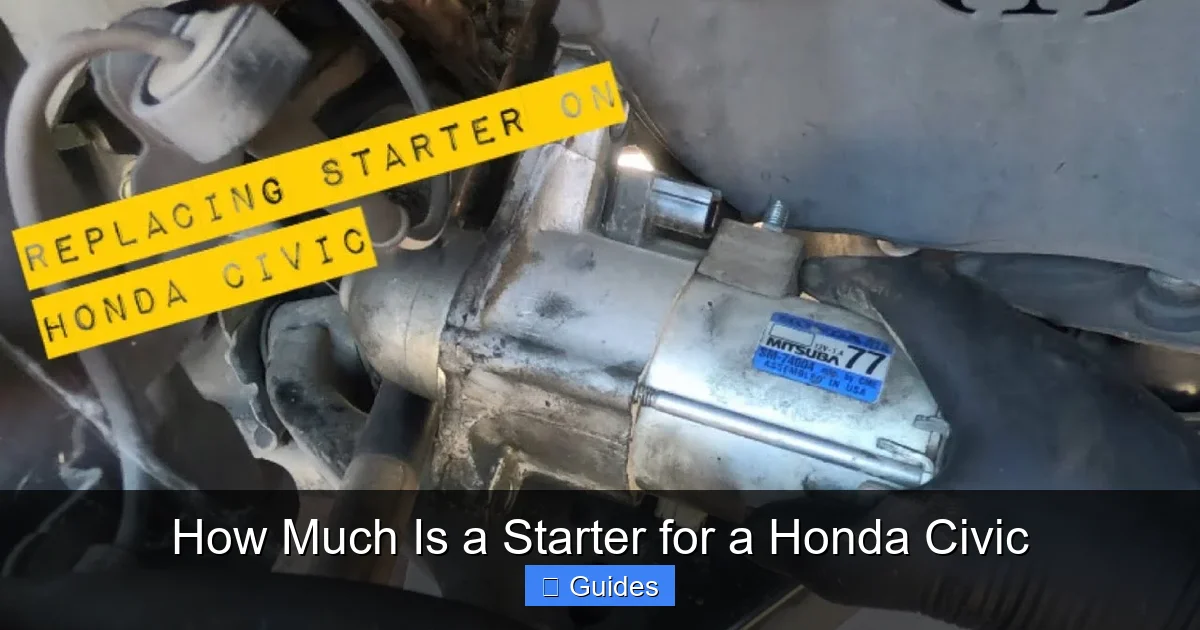
If you’re handy with tools and want to save $150 or more, replacing the starter yourself is a great option. Here’s a general guide for most Honda Civics (1996–2021 models).
Tools and Safety Precautions
Before you begin, gather these tools:
– Socket wrench set (10mm, 12mm, 14mm sockets)
– Extension bars
– Jack and jack stands (or a lift)
– Wheel chocks
– Safety glasses and gloves
– Multimeter (optional, for testing)
Safety first: Always disconnect the negative battery terminal before working on the starter. This prevents accidental shorts or sparks. Let the engine cool if it’s been running.
Step-by-Step Installation Process
1. **Lift the car:** Use a jack to lift the front of the vehicle and secure it on jack stands. Chock the rear wheels.
2. **Locate the starter:** It’s usually on the passenger side of the engine, near the transmission bell housing. Look for a cylindrical component with two large bolts and electrical connections.
3. **Disconnect the battery:** Remove the negative cable to eliminate electrical risk.
4. **Disconnect wiring:** Unplug the electrical connectors—usually a large power cable and a smaller solenoid wire. Use a wrench to loosen the nuts.
5. **Remove mounting bolts:** There are typically two or three bolts holding the starter in place. Use a socket and extension to remove them.
6. **Remove the old starter:** Carefully wiggle it out. It may be tight, so be patient.
7. **Install the new starter:** Position the new unit and hand-tighten the bolts. Reconnect the wiring.
8. **Torque bolts:** Tighten mounting bolts to spec (usually 30–40 ft-lbs). Reconnect the battery.
9. **Test the system:** Turn the key to ensure the engine cranks smoothly.
Tips for a Smooth DIY Job
– Take photos before disconnecting anything to help with reassembly.
– Label wires if needed, though most connectors are keyed.
– Use thread locker on bolts if recommended by the manufacturer.
– Test the old starter with a multimeter if you’re unsure it’s the problem.
If you run into trouble—like a seized bolt or misaligned gear—don’t force it. Consult a repair manual or online forum for your specific model.
When to Call a Professional
While DIY is possible, there are times when it’s better to leave it to the pros. If you’re not comfortable working under the car, lack the right tools, or suspect other issues (like a bad ignition switch), a mechanic can save you time and stress.
Additionally, if your Civic has a push-button start or start-stop system (common in 2016+ models), the starter may be more integrated with the vehicle’s electronics. In these cases, a professional scan tool may be needed to reset systems after replacement.
Maintaining Your Starter and Preventing Future Failures
A little maintenance can go a long way in extending your starter’s life. Here are some tips:
– **Keep the battery in good condition:** A weak battery forces the starter to work harder. Test your battery annually and replace it every 3–5 years.
– **Clean electrical connections:** Corrosion on terminals can cause poor contact. Clean them with a wire brush and apply dielectric grease.
– **Avoid short trips:** Frequent short drives don’t allow the battery to recharge fully, increasing starter wear.
– **Listen for early signs:** Address clicking or slow cranking immediately to prevent total failure.
By staying proactive, you can avoid unexpected breakdowns and keep your Civic running smoothly for years.
Conclusion
So, how much is a starter for a Honda Civic? The answer ranges from $300 to $600 for most owners, with parts costing $150–$400 and labor adding $150–$200. While the price varies by model year and part choice, the good news is that replacement is straightforward and often DIY-friendly.
Whether you choose OEM for reliability, aftermarket for value, or rebuilt for savings, the key is to diagnose the problem correctly and act promptly. With the right tools and knowledge, you can tackle the job yourself and save a significant amount of money.
Remember: a failing starter doesn’t mean your Civic is on its last legs. It’s a common, fixable issue that millions of owners have faced. By understanding your options and acting wisely, you’ll get back on the road quickly—and keep your Civic running strong for many miles to come.
Frequently Asked Questions
How long does a Honda Civic starter last?
A typical Honda Civic starter lasts between 100,000 and 150,000 miles. With proper maintenance and a healthy battery, some starters can even exceed 200,000 miles before needing replacement.
Can I drive my Civic with a bad starter?
No, you cannot drive the car if the starter is completely failed. The engine won’t crank, so the car won’t start. However, if the issue is intermittent, you might get lucky a few times—but it’s risky and could leave you stranded.
Is it worth replacing the starter myself?
Yes, if you have basic mechanical skills and tools. DIY replacement can save you $150 or more in labor costs. Just make sure to follow safety procedures and consult a repair guide for your specific model.
Will a bad starter drain my battery?
Not usually. A failing starter may draw more current, but it won’t drain the battery when the car is off. However, if the solenoid sticks and keeps the starter engaged, it can drain the battery quickly.
Do I need to reprogram anything after replacing the starter?
No, the starter itself doesn’t require programming. However, on newer Civics with advanced electronics, a professional may need to reset systems or check for error codes after installation.
What’s the difference between a starter and a solenoid?
The solenoid is part of the starter assembly. It acts as a switch that sends power to the motor. In most Civics, the solenoid is integrated into the starter, so they’re replaced together.

At CarLegit, we believe information should be clear, factual, and genuinely helpful. That’s why every guide, review, and update on our website is created with care, research, and a strong focus on user experience.