
Replacing a tire on your Hyundai Elantra can cost anywhere from $80 to $250 per tire, depending on size, brand, and where you buy it. This guide breaks down pricing, OEM vs. aftermarket options, installation costs, and smart money-saving tips to help you make the best choice for your budget and driving needs.
[FEATURED_IMAGE_PLACEOLDER]
If you’re driving a Hyundai Elantra, you already know it’s a reliable, fuel-efficient compact car that handles daily commutes and weekend trips with ease. But like any vehicle, it needs regular maintenance—and one of the most important parts to keep an eye on is your tires. Whether you’ve hit a pothole, noticed uneven wear, or it’s just time for a replacement, knowing how much a tire for a Hyundai Elantra costs can help you plan your budget and avoid surprise expenses.
Tires aren’t just rubber and air—they’re your car’s only contact with the road. That means safety, handling, fuel economy, and even ride comfort all depend on having the right set. But with so many options out there, from budget brands to premium performance models, it’s easy to feel overwhelmed. The good news? You don’t need to be a mechanic to make a smart decision. In this guide, we’ll walk you through everything you need to know about tire pricing for your Elantra, including what affects cost, where to shop, and how to get the best value without sacrificing quality.
In This Article
- 1 Key Takeaways
- 2 📑 Table of Contents
- 3 Understanding Tire Pricing for the Hyundai Elantra
- 4 OEM vs. Aftermarket Tires: Which Should You Choose?
- 5 Where to Buy Tires for Your Hyundai Elantra
- 6 Installation, Balancing, and Additional Costs
- 7 Choosing the Right Tire Type for Your Driving Needs
- 8 How to Save Money on Hyundai Elantra Tires
- 9 Conclusion
- 10 Frequently Asked Questions
- 10.1 How often should I replace the tires on my Hyundai Elantra?
- 10.2 Can I mix different tire brands on my Elantra?
- 10.3 Do I need to replace all four tires if only one is damaged?
- 10.4 Are winter tires worth it for a Hyundai Elantra?
- 10.5 Can I install tires myself to save money?
- 10.6 Do Hyundai Elantra tires come with a warranty?
Key Takeaways
- Average tire cost: Expect to pay between $100 and $180 per tire for a standard Hyundai Elantra, with high-performance or all-season models costing more.
- Tire size matters: Elantras come in different trims (like SE, SEL, N Line), and each uses a specific tire size—check your door jamb or owner’s manual to confirm.
- OEM vs. aftermarket: Original Equipment Manufacturer (OEM) tires are pricier but guaranteed to fit; aftermarket options offer better value and variety.
- Installation and balancing: Budget an extra $20–$50 per tire for mounting, balancing, and disposal fees at most shops.
- Seasonal and performance options: All-season tires are ideal for most climates, while winter or performance tires offer better handling in extreme conditions.
- Where to buy: Compare prices at dealerships, national chains (like Discount Tire or Firestone), and online retailers (Tire Rack, Amazon) for the best deals.
- Warranty and longevity: Look for treadwear warranties (often 50,000–80,000 miles) and consider fuel-efficient tires to save on gas over time.
📑 Table of Contents
Understanding Tire Pricing for the Hyundai Elantra
When it comes to replacing a tire on your Hyundai Elantra, the price can vary widely. On the lower end, you might find a basic all-season tire for around $80. On the higher end, a premium performance or winter tire could cost $250 or more. So what causes this range? Several factors come into play, including tire size, brand reputation, tread design, and whether you’re buying new or used.
First, let’s talk about size. The Hyundai Elantra comes in multiple trims and model years, and each may use a different tire size. For example, a base 2023 Elantra SE typically uses 205/55R16 tires, while a sportier N Line might use 225/45R17s. Larger tires generally cost more because they use more materials and are often designed for higher performance. Always check your owner’s manual or the sticker on your driver’s side door jamb to confirm your exact tire size before shopping.
Next, consider the type of tire. Most Elantra owners opt for all-season tires, which offer a balanced mix of dry and wet traction, comfort, and longevity. These are perfect for everyday driving in moderate climates. But if you live in an area with heavy snow or frequent rain, you might want to invest in winter or all-weather tires, which are engineered for better grip in harsh conditions. Performance tires, often found on the Elantra N Line, prioritize handling and responsiveness but may wear out faster and cost more upfront.
New vs. Used Tires: Is It Worth the Risk?
You might come across used tires for sale online or at local shops, sometimes for as little as $40 each. While the low price is tempting, used tires come with risks. You can’t always tell how much tread is left, whether they’ve been damaged, or if they’ve been stored properly. A tire with hidden cracks or internal damage could fail unexpectedly, putting you and your passengers in danger.
That said, if you do consider used tires, make sure they’re from a reputable seller, have at least 6/32” of tread depth, and are no more than six years old (check the DOT code on the sidewall). Even then, it’s usually safer and more cost-effective in the long run to invest in new tires with a warranty.
OEM vs. Aftermarket Tires: Which Should You Choose?
Visual guide about How Much Is a Tire for a Hyundai Elantra
Image source: sparetire.com
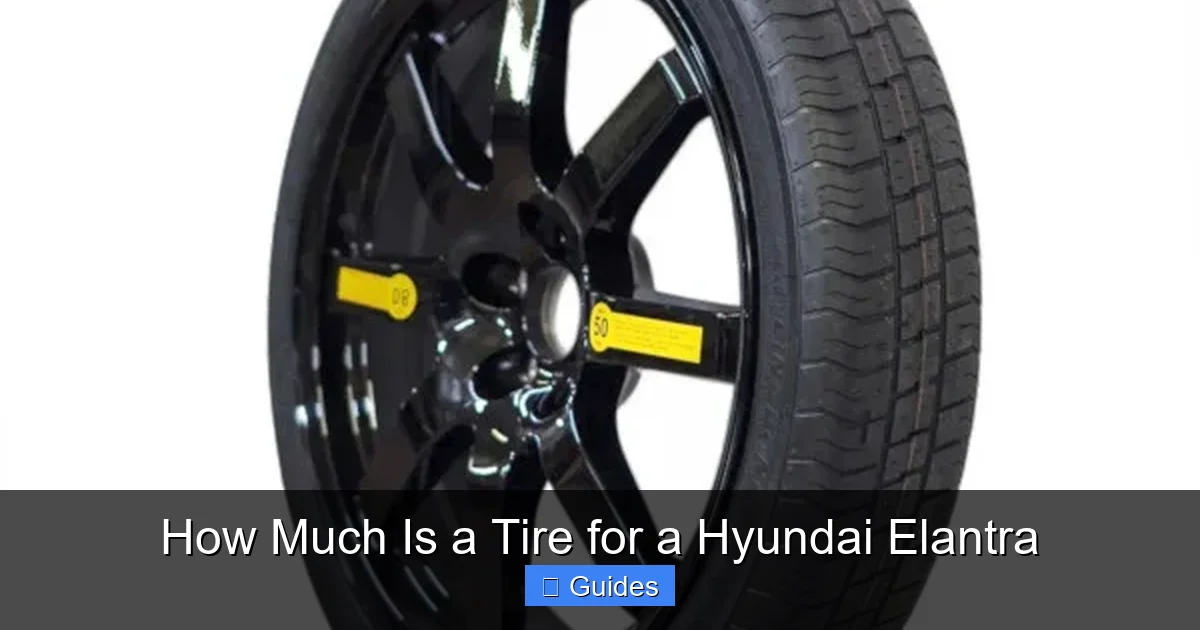
One of the first decisions you’ll face is whether to go with Original Equipment Manufacturer (OEM) tires or aftermarket options. OEM tires are the ones that came on your Elantra when it was new—often made by brands like Michelin, Continental, or Hankook under contract with Hyundai. These tires are designed specifically for your car’s weight, suspension, and performance characteristics, so they offer a familiar feel and reliable performance.
However, OEM tires tend to be more expensive. For example, a set of four OEM all-season tires for a 2022 Elantra SEL might cost $600–$800 at a Hyundai dealership. That’s because you’re paying for brand assurance, precise fit, and sometimes bundled services like free rotations or alignment checks.
Aftermarket tires, on the other hand, are made by third-party manufacturers and are often more affordable. Brands like Goodyear, Bridgestone, Pirelli, and Cooper offer high-quality alternatives that meet or exceed OEM standards. In many cases, you can find a comparable aftermarket tire for 15–30% less than the OEM version. Plus, you have more choices in terms of tread patterns, warranties, and performance features.
Pros and Cons of OEM Tires
Pros:
- Guaranteed fit and compatibility with your Elantra
- Designed to match your car’s original ride and handling
- Often come with dealership service perks (free rotations, inspections)
- May be required for certain warranty claims
Cons:
- Higher price tag compared to aftermarket options
- Limited selection—you’re stuck with what Hyundai offers
- May not offer the latest tire technology or fuel efficiency
Pros and Cons of Aftermarket Tires
Pros:
- More variety in brands, styles, and price points
- Often better value for money
- Access to newer tire technologies (e.g., low rolling resistance, noise reduction)
- Wider availability at independent shops and online retailers
Cons:
- You need to research compatibility and reviews
- Some dealerships may not honor certain warranties if non-OEM tires are used
- Fit and feel might differ slightly from original tires
For most drivers, aftermarket tires are a smart choice. They offer better value and flexibility, especially if you’re looking for improved fuel economy, quieter rides, or better wet traction. Just make sure to choose a reputable brand and confirm the tire size matches your Elantra’s specifications.
Where to Buy Tires for Your Hyundai Elantra

Visual guide about How Much Is a Tire for a Hyundai Elantra
Image source: i.ytimg.com
Once you’ve decided on the type of tire you want, the next step is figuring out where to buy it. There are several options, each with its own pros and cons. The key is to compare prices, services, and convenience to find the best fit for your needs.
Hyundai Dealerships
Buying tires directly from a Hyundai dealership is the most straightforward option. You’ll get OEM tires installed by certified technicians, and many dealers offer service packages that include free rotations, alignments, and inspections for the life of the tires. Some even provide loaner cars while your vehicle is being serviced.
However, dealerships are typically the most expensive option. You’re paying a premium for the brand name and convenience. For example, a single OEM tire at a Hyundai service center might cost $180–$220, plus $40–$60 for installation. That’s significantly more than what you’d pay elsewhere.
National Tire Chains
Chains like Discount Tire (now Discount Tire/American Tire), Firestone, Goodyear, and Pep Boys offer a great balance of price, selection, and service. These stores carry both OEM and aftermarket tires, often at competitive prices. Many run seasonal promotions, such as “buy three, get one free” or discounts on installation.
One major advantage of national chains is their nationwide presence. If you travel frequently, you can get your tires serviced at any location, which is helpful if you have a warranty issue or need a rotation while on the road. Most also offer price matching, so if you find a lower price online, they’ll match it.
Online Retailers
Shopping online has become a popular way to save money on tires. Websites like Tire Rack, SimpleTire, and Amazon offer huge selections, detailed reviews, and often lower prices than brick-and-mortar stores. You can filter by your Elantra’s year, trim, and tire size to find the perfect match.
The catch? You’ll need to have the tires shipped to a local installer. Most online retailers partner with service centers across the country, so you can choose a shop near you for free or discounted installation. Just make sure to factor in shipping time—some orders take 3–7 business days to arrive.
Independent Local Shops
Don’t overlook local tire shops. Many independent mechanics offer excellent service at lower prices than big chains or dealerships. They often carry a curated selection of high-quality tires and can provide personalized recommendations based on your driving habits and local weather.
The downside is that selection may be limited, and warranties might not be as robust. Still, if you build a relationship with a trusted local shop, you can get great deals and reliable service over time.
Installation, Balancing, and Additional Costs
Visual guide about How Much Is a Tire for a Hyundai Elantra
Image source: tpmsreset.com
When budgeting for new tires, don’t forget about installation. Most shops charge a fee for mounting, balancing, and disposing of your old tires. This can add $20–$50 per tire to your total cost.
What’s Included in Installation?
A standard tire installation typically includes:
- Removing old tires and wheels
- Mounting new tires on wheels
- Balancing each wheel to prevent vibrations
- Reinstalling wheels on your vehicle
- Disposing of old tires (often for a small fee)
Some shops also offer additional services like wheel alignment, tire pressure monitoring system (TPMS) reset, and valve stem replacement. These can improve tire life and safety but will increase your total cost.
TPMS and Sensor Costs
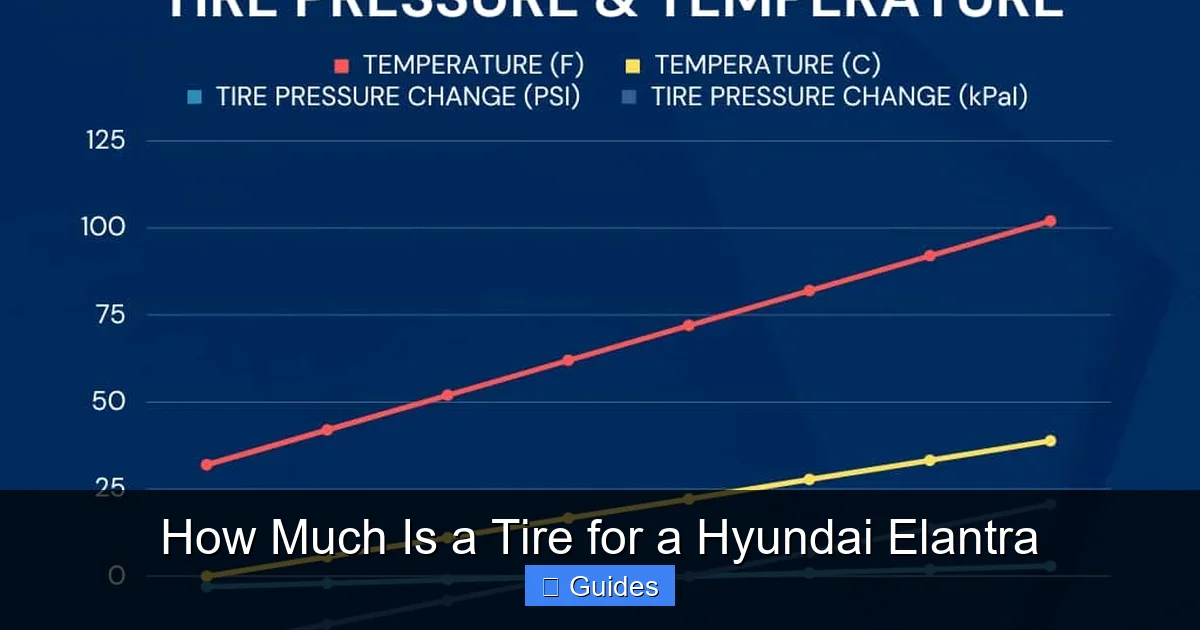
Modern Hyundai Elantras are equipped with a Tire Pressure Monitoring System (TPMS) that alerts you when tire pressure is low. When replacing tires, the TPMS sensors (located inside the wheels) may need to be recalibrated or replaced, especially if you’re switching to a different wheel size.
Sensor replacement can cost $50–$100 per wheel, depending on the shop and sensor type. Some retailers include TPMS service in their installation package, so be sure to ask.
Alignment and Rotation
Even if your alignment is fine, it’s a good idea to have it checked after installing new tires. Misaligned wheels can cause uneven wear and reduce tire life. A standard alignment costs $75–$150.
Tire rotation—moving tires from one position to another to promote even wear—should be done every 5,000 to 7,500 miles. Many shops offer free rotations for the life of the tires if you buy them there, which can save you $20–$40 per visit.
Choosing the Right Tire Type for Your Driving Needs
Not all tires are created equal. The right choice depends on your climate, driving habits, and priorities (like fuel economy or performance).
All-Season Tires
These are the most common type for the Hyundai Elantra. They’re designed to perform well in dry, wet, and light snow conditions. If you live in a region with mild winters and moderate rainfall, all-season tires are a great all-around choice.
Look for models with good wet traction ratings and low rolling resistance to improve fuel efficiency. Popular options include the Michelin Defender T+H, Continental ProContact RX, and Goodyear Assurance MaxLife.
All-Weather Tires
All-weather tires are a step up from all-season. They’re certified for severe snow conditions (look for the 3PMSF symbol—three-peak mountain snowflake) and offer better grip in winter without the need to switch to dedicated snow tires.
These are ideal if you live in an area with occasional snow but don’t want the hassle of seasonal tire changes. Examples include the Nokian WR G4 and Michelin CrossClimate2.
Winter Tires
If you face heavy snow, ice, or sub-freezing temperatures for extended periods, winter tires are worth the investment. They’re made with softer rubber compounds that stay flexible in cold weather, providing superior traction.
Winter tires can cost 20–30% more than all-season tires and should only be used in cold months. For the Elantra, consider the Bridgestone Blizzak WS90 or Michelin X-Ice Snow.
Performance Tires
Drivers of the Elantra N Line or those who enjoy spirited driving might prefer performance tires. These offer sharper handling, better cornering, and improved braking—but often at the cost of tread life and comfort.
Performance tires like the Michelin Pilot Sport 4 or Continental ExtremeContact DWS06 are excellent for enthusiasts but may not be necessary for everyday commuting.
How to Save Money on Hyundai Elantra Tires
Tire replacement doesn’t have to break the bank. With a little planning and smart shopping, you can get high-quality tires at a fair price.
Shop During Sales and Promotions
Many tire retailers run seasonal promotions, especially in spring and fall. Look for deals like “buy three, get one free,” “$50 off a set of four,” or “free installation with purchase.” Sign up for email alerts from your favorite stores to stay informed.
Compare Prices Online
Use price comparison tools on sites like Tire Rack or SimpleTire to see prices from multiple retailers. Don’t forget to factor in shipping and installation costs when comparing.
Consider Long-Treadwear Tires
Tires with higher treadwear ratings (e.g., 80,000 miles) may cost more upfront but last longer, reducing the cost per mile. Over time, this can save you money compared to cheaper, shorter-lived tires.
Maintain Your Tires
Proper maintenance extends tire life and improves performance. Check tire pressure monthly, rotate tires regularly, and avoid overloading your vehicle. Keeping your alignment in check also prevents uneven wear.
Use Manufacturer Rebates
Tire brands often offer mail-in rebates of $50–$100 when you buy a set of four. These can significantly reduce your total cost. Just make sure to submit your rebate form and receipt on time.
Conclusion
So, how much is a tire for a Hyundai Elantra? The answer depends on several factors, but you can expect to pay between $100 and $180 per tire for a quality all-season option, with installation adding another $80–$200 for a full set. While OEM tires offer peace of mind, aftermarket options often provide better value and more choices.
The key is to do your research, compare prices, and choose tires that match your driving needs and budget. Whether you buy from a dealership, national chain, or online retailer, make sure to factor in installation, alignment, and potential TPMS costs. And don’t forget to maintain your tires properly to get the most miles out of your investment.
Your Hyundai Elantra is designed for efficiency, comfort, and reliability—and the right tires will help it perform at its best. By understanding your options and making informed decisions, you can keep your car safe, your rides smooth, and your wallet happy.
Frequently Asked Questions
How often should I replace the tires on my Hyundai Elantra?
Most tires last between 40,000 and 80,000 miles, depending on the type, driving habits, and maintenance. Check your tread depth regularly—replace tires when it reaches 2/32” or if you notice uneven wear, cracks, or bulges.
Can I mix different tire brands on my Elantra?
It’s not recommended. Mixing brands or models can affect handling, braking, and stability. For best performance, replace all four tires at the same time with the same make and model.
Do I need to replace all four tires if only one is damaged?
If the other tires have plenty of tread left, you may only need to replace one or two. However, it’s best to replace tires in pairs (both front or both rear) and ensure the new tires match the tread depth of the old ones as closely as possible.
Are winter tires worth it for a Hyundai Elantra?
If you live in an area with heavy snow or icy roads, winter tires can significantly improve safety and traction. For mild winters, all-season or all-weather tires may be sufficient.
Can I install tires myself to save money?
While possible, tire installation requires specialized tools and knowledge. Improper mounting or balancing can lead to vibrations, premature wear, or even tire failure. It’s safer and often more cost-effective to have a professional do it.
Do Hyundai Elantra tires come with a warranty?
Yes, most new tires include a treadwear warranty (typically 50,000–80,000 miles) and a limited manufacturer’s defect warranty. Check the tire’s documentation for specific terms and conditions.

At CarLegit, we believe information should be clear, factual, and genuinely helpful. That’s why every guide, review, and update on our website is created with care, research, and a strong focus on user experience.