
The value of a used 2010 Nissan Altima depends on trim, mileage, condition, and location. On average, you can expect to pay between $4,000 and $7,500, with well-maintained models fetching higher prices. This guide breaks down everything you need to know to determine a fair price.
[FEATURED_IMAGE_PLACEOLDER]
If you’re in the market for a reliable, fuel-efficient sedan that won’t break the bank, the 2010 Nissan Altima might just be the car you’ve been looking for. As one of Nissan’s most popular models of the late 2000s, the Altima struck a great balance between comfort, performance, and affordability. Even today, more than a decade after its release, it remains a solid choice for budget-conscious buyers, commuters, and families alike.
But here’s the big question: How much is a used 2010 Nissan Altima actually worth?
The answer isn’t as simple as checking a single price tag. Like any used vehicle, the value of a 2010 Altima depends on a variety of factors—some obvious, like mileage and condition, and others less so, like trim level, service history, and even where you live. Whether you’re planning to buy one or sell your current Altima, understanding these variables will help you make a smart, informed decision.
In this comprehensive guide, we’ll walk you through everything you need to know about pricing a used 2010 Nissan Altima. We’ll explore average market values, break down what affects pricing, and offer practical tips to help you get the best deal—whether you’re buying or selling. By the end, you’ll have a clear picture of what to expect and how to navigate the used car market with confidence.
In This Article
- 1 Key Takeaways
- 2 📑 Table of Contents
- 3 Average Market Value of a 2010 Nissan Altima
- 4 Factors That Affect the Value of a 2010 Nissan Altima
- 5 2010 Nissan Altima Engine Options and Reliability
- 6 Buying vs. Selling: Tips for Getting the Best Deal
- 7 Is a 2010 Nissan Altima a Good Buy in 2024?
- 8 Final Thoughts
- 9 Frequently Asked Questions
- 9.1 How much is a used 2010 Nissan Altima worth in 2024?
- 9.2 Is the 2010 Nissan Altima reliable?
- 9.3 What’s the difference between the 2.5 and 3.5 Altima?
- 9.4 Should I buy a 2010 Altima with high mileage?
- 9.5 Can I negotiate the price of a used 2010 Altima?
- 9.6 Where is the best place to buy a used 2010 Nissan Altima?
Key Takeaways
- Price Range: Most used 2010 Nissan Altimas sell for $4,000 to $7,500, depending on condition and mileage.
- Mileage Matters: Lower-mileage models (under 80,000 miles) typically command higher prices than high-mileage ones.
- Trim Level Impact: Higher trims like the SL or sportier SE versions are worth more than base S models.
- Vehicle History Counts: Clean title, no accidents, and regular maintenance records boost resale value significantly.
- Location Influences Price: Prices vary by region due to demand, climate, and local market conditions.
- Private vs. Dealer Sales: Private sellers often offer better deals, but dealers may include warranties or inspections.
- Timing Your Purchase: Buying in winter or at month-end can lead to better negotiation opportunities.
📑 Table of Contents
Average Market Value of a 2010 Nissan Altima
So, what’s the going rate for a used 2010 Nissan Altima in 2024? Based on recent sales data from platforms like Kelley Blue Book (KBB), Edmunds, and Cars.com, the typical price range falls between **$4,000 and $7,500**. That’s a fairly wide window, and it reflects the natural variation you’ll see across different vehicles.
For example, a base-model 2010 Altima S with around 120,000 miles, average wear, and a clean title might sell for closer to $4,200. On the other hand, a well-maintained 2010 Altima SL with under 70,000 miles, a full service history, and no accident reports could easily fetch $7,000 or more—especially if it’s being sold by a private owner in a competitive market.
It’s also worth noting that prices can fluctuate based on supply and demand. In areas with high traffic and long commutes—like major cities or regions with harsh winters—fuel-efficient sedans like the Altima tend to hold their value better. Conversely, in rural areas or places where trucks and SUVs dominate, you might find lower prices due to reduced demand.
Another factor is the time of year. Dealers and private sellers often lower prices in the winter months when fewer people are shopping for cars. If you’re flexible with your timing, you might snag a better deal between December and February.
How Pricing Tools Can Help
When determining how much a used 2010 Nissan Altima is worth, it’s smart to use trusted pricing tools. Websites like Kelley Blue Book (KBB), Edmunds, and NADA Guides allow you to input specific details—such as trim, mileage, condition, and ZIP code—to get a personalized estimate.
For instance, if you enter a 2010 Altima 2.5 S with 95,000 miles in “Good” condition in Chicago, KBB might estimate a private party sale value of $5,100 and a trade-in value of $4,300. These tools are updated regularly and reflect real-world transaction data, making them reliable starting points.
However, keep in mind that these are estimates. The final price will depend on negotiation, the car’s actual condition, and how motivated the buyer or seller is. Always use pricing guides as a baseline, not a final answer.
Factors That Affect the Value of a 2010 Nissan Altima
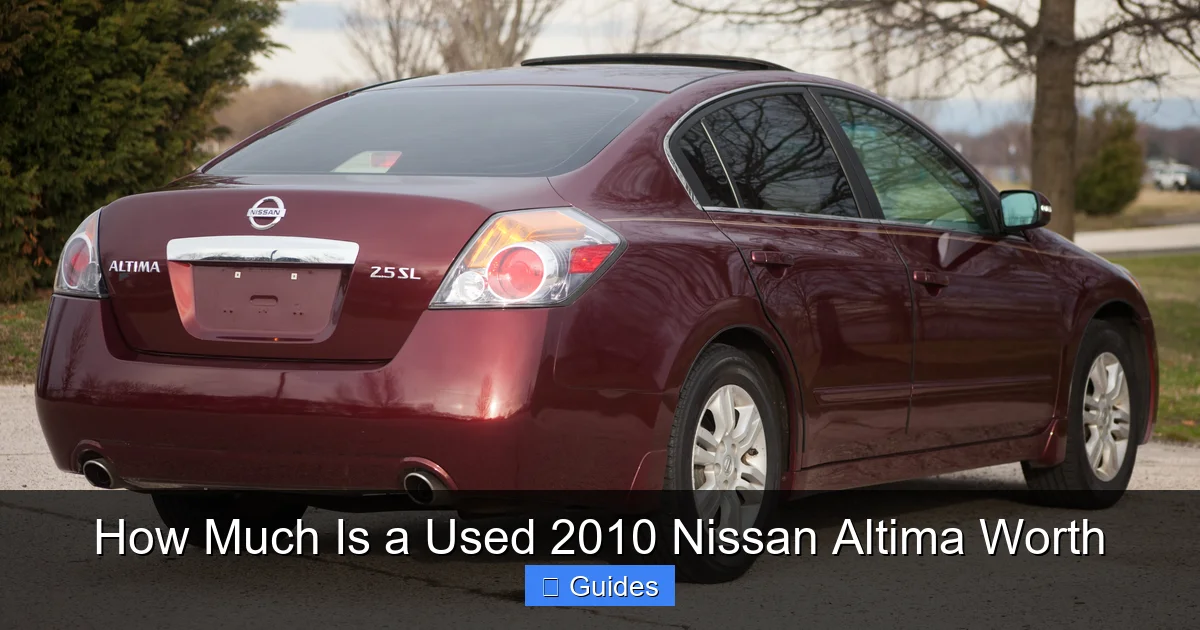
Visual guide about How Much Is a Used 2010 Nissan Altima Worth
Image source: worldautosales.com
Now that you have a general idea of the price range, let’s dive into the key factors that influence how much a used 2010 Nissan Altima is worth. Understanding these will help you assess whether a particular listing is a good deal or overpriced.
Mileage: The Biggest Price Driver
Mileage is one of the most significant factors in determining a used car’s value—and the 2010 Altima is no exception. On average, cars in this age range have between 100,000 and 150,000 miles. However, lower-mileage examples are rare and highly desirable.
A 2010 Altima with 60,000 miles is considered exceptionally low for its age and could be worth $1,500 to $2,000 more than a similar model with 120,000 miles. Conversely, a high-mileage Altima (150,000+ miles) may still be reliable if well-maintained, but it will likely sell at the lower end of the price spectrum—around $3,500 to $4,500.
Why does mileage matter so much? Because it’s a strong indicator of future repair needs. Higher mileage means more wear on the engine, transmission, suspension, and other critical components. Buyers are naturally wary of cars that may need major repairs soon, which drives down demand and price.
Trim Level and Features
Not all 2010 Altimas are created equal. Nissan offered several trim levels that year, each with different features and price points. The base model was the **2.5 S**, which came with a 2.5-liter 4-cylinder engine, basic cloth seats, and minimal tech features. Then there were the **2.5 SL**, **3.5 SE**, and **3.5 SL** trims, which added more power, luxury amenities, and sportier styling.
Here’s a quick breakdown:
– **2.5 S**: Base model, 175 horsepower, good fuel economy (23 city / 31 highway), minimal features. Typically the least expensive.
– **2.5 SL**: Adds leather seats, dual-zone climate control, upgraded audio, and more. Worth $500–$1,000 more than the S.
– **3.5 SE/SL**: V6 engine (270 horsepower), sport-tuned suspension, larger wheels, and performance upgrades. These are the most desirable and can command prices at the top of the range—especially if well cared for.
If you’re buying, consider what features matter most to you. If you prioritize fuel efficiency and low cost, the 2.5 S is a smart pick. But if you want more power and comfort, the V6 models are worth the extra investment—especially if you find one with lower mileage.
Vehicle Condition and Maintenance History
A car’s physical and mechanical condition plays a huge role in its value. A 2010 Altima that’s been garage-kept, regularly serviced, and free of major damage will always be worth more than one that’s been neglected or poorly maintained.
Look for signs of good care: clean interior, no rust (especially in snowy regions), smooth engine operation, and documented service records. A full maintenance history—oil changes, brake jobs, timing belt replacements—can add significant value and peace of mind.
On the flip side, cars with warning lights, strange noises, or visible damage (dents, scratches, upholstery tears) will sell for less. Even small issues can scare off buyers, who may assume there are bigger problems lurking underneath.
If you’re selling, consider doing a pre-sale inspection and addressing minor repairs. Fixing a cracked windshield or replacing worn tires can boost your sale price by hundreds of dollars.
Accident History and Title Status
A clean title is essential for maximizing value. A 2010 Altima with a salvage or rebuilt title—meaning it was declared a total loss by an insurance company—will sell for significantly less, often 20–40% below market value.
Even cars with minor accident history can see a price drop, especially if the damage wasn’t properly repaired. Buyers worry about structural integrity, airbag deployment, and hidden issues.
Always check the vehicle history report using services like Carfax or AutoCheck. These reports reveal accidents, flood damage, odometer rollbacks, and previous owners. A clean report can justify a higher asking price, while a problematic one should be disclosed upfront.
Location and Market Demand
Where you live can impact how much a used 2010 Nissan Altima is worth. In urban areas with high traffic and public transit limitations, reliable sedans are in demand—especially fuel-efficient ones like the Altima. In these markets, prices may be slightly higher.
In contrast, rural areas or regions where trucks and SUVs dominate (like the Midwest or Mountain West) may see lower demand for sedans, leading to lower prices.
Climate also plays a role. Cars from the southern U.S., where rust is less of an issue, often command higher prices than those from snowy, salt-heavy regions like the Northeast or Midwest. A rust-free Altima from Arizona will typically sell for more than one from Minnesota—even with similar mileage.
2010 Nissan Altima Engine Options and Reliability
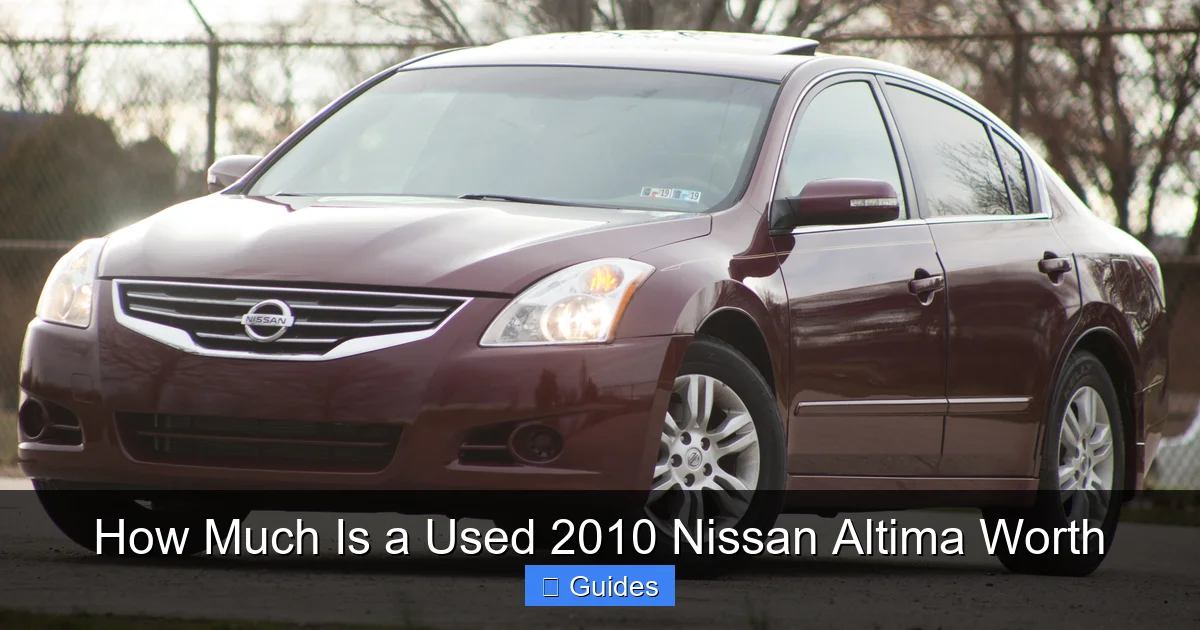
Visual guide about How Much Is a Used 2010 Nissan Altima Worth
Image source: worldautosales.com
One reason the 2010 Altima remains popular is its solid engineering and reliable performance. Nissan offered two engine options that year, each with its own strengths.
The 2.5-Liter 4-Cylinder Engine
The base engine is a 2.5-liter inline-4 that produces 175 horsepower and 180 lb-ft of torque. Paired with a continuously variable transmission (CVT), it delivers excellent fuel economy—up to 23 mpg in the city and 31 mpg on the highway.
This engine is known for its durability and low maintenance costs. With regular oil changes and timely servicing, many 2.5-liter Altimas have surpassed 200,000 miles without major issues. However, the CVT transmission has been a point of concern for some owners. Early CVTs in Nissans from this era were prone to hesitation, jerking, or failure if not properly maintained.
To avoid problems, make sure the transmission fluid has been changed every 30,000 to 60,000 miles. If you’re buying, ask for service records or have a mechanic inspect the CVT.
The 3.5-Liter V6 Engine
For those who want more power, the 3.5-liter V6 is a great option. It delivers 270 horsepower and 258 lb-ft of torque, making it one of the quicker midsize sedans of its time. Acceleration is smooth and responsive, especially when merging or passing on the highway.
The V6 also uses a CVT, but it’s generally more robust than the one in the 4-cylinder model. Still, maintenance is key. The V6 tends to consume more oil than the 4-cylinder, so regular checks are important.
Fuel economy drops with the V6—around 19 mpg city and 26 mpg highway—but many buyers feel the performance boost is worth the trade-off.
Common Issues to Watch For
While the 2010 Altima is generally reliable, there are a few known issues to be aware of:
– **CVT Transmission Problems:** As mentioned, the CVT can develop issues if not maintained. Symptoms include hesitation, slipping, or a “rubber band” feel during acceleration.
– **Oil Consumption (V6 Models):** Some 3.5-liter engines burn oil between changes. Check the dipstick regularly.
– **Brake Wear:** Front brakes may wear out faster than average, especially in stop-and-go traffic.
– **Electrical Glitches:** Occasional issues with the infotainment system, power windows, or dashboard lights have been reported.
Most of these problems are manageable with proper care, but they’re worth factoring into your buying decision.
Buying vs. Selling: Tips for Getting the Best Deal
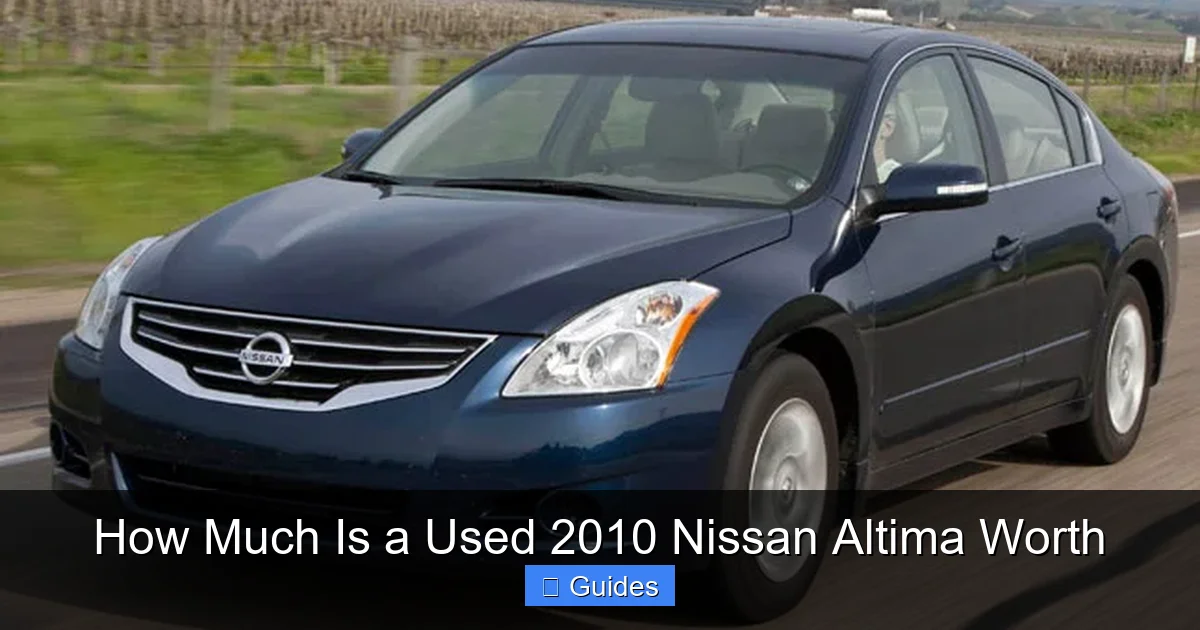
Visual guide about How Much Is a Used 2010 Nissan Altima Worth
Image source: motortrend.com
Whether you’re buying or selling a used 2010 Nissan Altima, knowing how to navigate the process can save you time, money, and stress.
If You’re Buying
Start by setting a budget and sticking to it. Include not just the purchase price, but also taxes, registration, insurance, and potential repairs.
Use online marketplaces like Autotrader, Cars.com, Facebook Marketplace, and Craigslist to compare listings. Filter by price, mileage, and location to find the best matches.
Always inspect the car in person—or have a trusted mechanic do it for you. Look for signs of leaks, uneven tire wear, or unusual noises. Test drive the car on different road types to assess handling and performance.
Don’t rush into a purchase. Take your time, ask questions, and negotiate. Most private sellers expect some haggling, and even dealers may be willing to lower the price—especially at the end of the month when sales quotas are due.
If You’re Selling
To get top dollar for your 2010 Altima, presentation is everything. Clean the car inside and out—wash it, vacuum the interior, and remove personal items. Consider professional detailing if the car has stains or odors.
Gather all service records and have them ready for potential buyers. A well-documented history builds trust and justifies a higher price.
Price your car competitively. Check similar listings in your area and price yours slightly below the average to attract attention. You can always negotiate upward if you get multiple offers.
Be honest about the car’s condition. Disclose any known issues upfront. Buyers appreciate transparency, and it reduces the risk of disputes later.
Private Sale vs. Trade-In
Selling privately usually yields a higher return—often $1,000 or more than a trade-in. But it requires more effort: listing the car, meeting with buyers, and handling paperwork.
Trading in is convenient, especially if you’re buying a new car. Dealers handle the paperwork, and you can apply the trade-in value directly to your purchase. However, you’ll likely get less money.
Weigh the pros and cons based on your priorities. If you want maximum value and don’t mind the hassle, go private. If convenience is key, a trade-in might be the better choice.
Is a 2010 Nissan Altima a Good Buy in 2024?
So, after all this, is the 2010 Nissan Altima still a smart purchase in today’s market?
The short answer: **Yes—if you find the right one.**
For under $7,000, you can get a reliable, comfortable, and fuel-efficient sedan that’s perfect for daily commuting, road trips, or family use. The 2.5-liter model offers excellent gas mileage, while the V6 delivers impressive performance. Both engines, when properly maintained, can last well beyond 150,000 miles.
Of course, no car is perfect. The CVT transmission requires attention, and high-mileage examples may need repairs. But with careful shopping and regular maintenance, a 2010 Altima can be a dependable companion for years to come.
Just remember: value isn’t just about the price tag. It’s about getting a car that meets your needs, fits your budget, and won’t leave you stranded. Do your research, inspect thoroughly, and don’t be afraid to walk away if something feels off.
Final Thoughts
Determining how much a used 2010 Nissan Altima is worth involves more than just checking a number online. It requires understanding the nuances of mileage, trim, condition, and market trends. But with the right knowledge, you can confidently assess any listing and make a smart decision.
Whether you’re buying your first car, upgrading from an older model, or selling your current Altima, this guide gives you the tools to succeed. Use pricing guides, inspect carefully, and always prioritize reliability over flashy features.
At the end of the day, the 2010 Nissan Altima remains a solid, practical choice in the used car market. And with average prices between $4,000 and $7,500, it’s an affordable option that delivers real value.
So go ahead—start your search, ask the right questions, and drive away in a car that’s worth every penny.
Frequently Asked Questions
How much is a used 2010 Nissan Altima worth in 2024?
The average price for a used 2010 Nissan Altima ranges from $4,000 to $7,500, depending on mileage, condition, trim, and location. Lower-mileage, well-maintained models with higher trims tend to be at the upper end of this range.
Is the 2010 Nissan Altima reliable?
Yes, the 2010 Altima is generally reliable, especially the 2.5-liter 4-cylinder model. With proper maintenance, many have surpassed 150,000 miles. However, the CVT transmission requires regular fluid changes to avoid issues.
What’s the difference between the 2.5 and 3.5 Altima?
The 2.5-liter engine offers better fuel economy (23/31 mpg) and lower cost, while the 3.5-liter V6 provides more power (270 hp) and faster acceleration but lower fuel efficiency (19/26 mpg).
Should I buy a 2010 Altima with high mileage?
It depends on maintenance history. A high-mileage Altima (150,000+ miles) can still be a good buy if it has a clean title, no accidents, and documented service records. Have it inspected by a mechanic before purchasing.
Can I negotiate the price of a used 2010 Altima?
Yes, negotiation is common in private sales and at dealerships. Use pricing guides, point out any flaws, and be prepared to walk away if the price isn’t right. Timing your purchase (e.g., end of month) can also help.
Where is the best place to buy a used 2010 Nissan Altima?
Check reputable sites like Cars.com, Autotrader, and CarGurus. Private sellers on Facebook Marketplace or Craigslist may offer better prices, but always verify the car’s condition and history before buying.

At CarLegit, we believe information should be clear, factual, and genuinely helpful. That’s why every guide, review, and update on our website is created with care, research, and a strong focus on user experience.