

Opening a car wash can cost anywhere from $50,000 to over $1 million, depending on the type, size, and location. This guide breaks down every expense—from equipment and permits to staffing and marketing—so you can plan your budget wisely and launch a successful car wash business.
So, you’ve been thinking about opening a car wash. Maybe you’ve noticed how often people drive through one on their way home from work, or how your neighbor’s SUV always looks spotless after a weekend wash. You’re not alone—car washes are in demand, and with the right planning, they can be highly profitable. But before you grab a bucket and sponge, let’s talk about the real question: how much is it to open a car wash?
The truth is, the cost to open a car wash varies dramatically. It depends on the type of car wash you want to run, the size of your operation, your location, and whether you’re building from scratch or leasing an existing space. A basic self-service bay might cost under $100,000, while a state-of-the-art automated tunnel wash with detailing services could run well over $1 million. But don’t let the range scare you. With smart planning, realistic budgeting, and a solid business plan, launching a car wash is absolutely achievable—even for first-time entrepreneurs.
In this guide, we’ll walk you through every major cost involved in opening a car wash, from equipment and real estate to permits and staffing. We’ll also share practical tips to help you save money, avoid common pitfalls, and set your business up for long-term success. Whether you’re dreaming of a small neighborhood wash or a high-volume commercial operation, this article will give you the clarity you need to move forward with confidence.
In This Article
Key Takeaways
- Startup costs vary widely: A self-service car wash may cost $50,000–$150,000, while a full-service or automated tunnel wash can exceed $1 million.
- Location is critical: High-traffic areas with good visibility increase customer volume but come with higher lease or purchase prices.
- Equipment is a major expense: High-quality washers, dryers, vacuums, and water reclamation systems are essential and can cost $30,000–$500,000+.
- Permits and licenses add up: Expect to spend $1,000–$10,000 on environmental, zoning, and business permits depending on your state and local regulations.
- Ongoing operational costs matter: Water, electricity, labor, and maintenance can run $3,000–$15,000 per month.
- Marketing boosts early success: Allocate 5–10% of your startup budget to launch promotions, signage, and local advertising.
- Franchising reduces risk: Buying into a franchise can cost more upfront but offers training, branding, and proven systems.
📑 Table of Contents
Understanding the Different Types of Car Washes
Before diving into costs, it’s important to understand the different types of car washes available. Each model comes with its own set of requirements, price points, and customer expectations. Choosing the right type for your goals and budget is the first step toward a successful launch.
Self-Service Car Wash
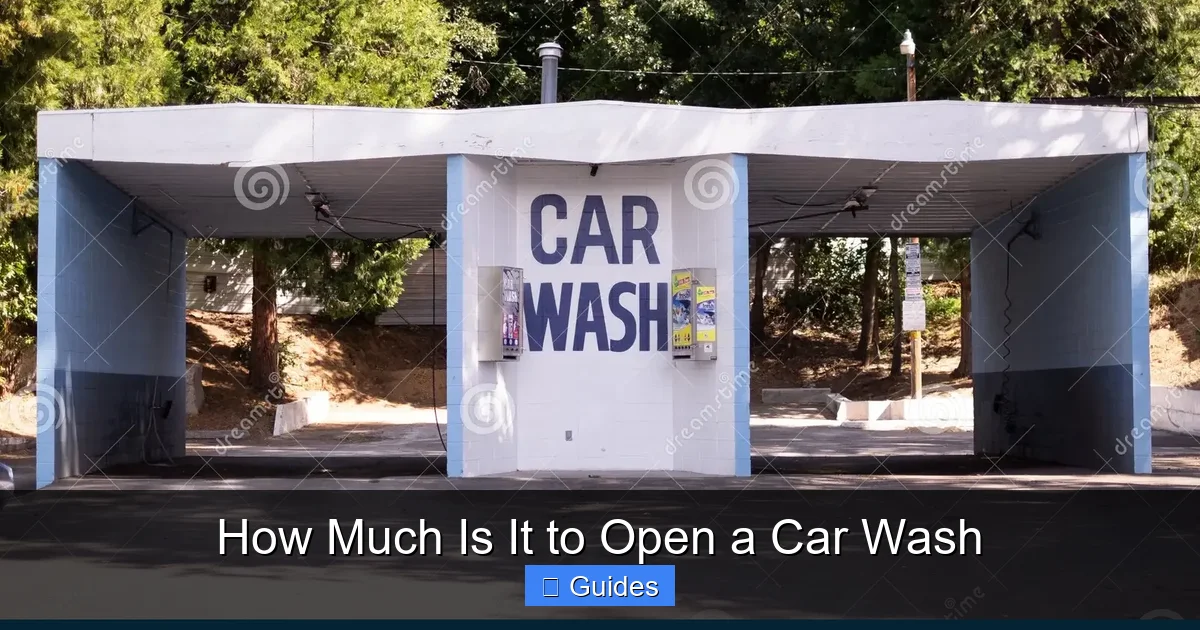
A self-service car wash allows customers to wash their own vehicles using high-pressure hoses, foam brushes, and vacuums. These are typically coin- or card-operated and require minimal staffing. They’re ideal for entrepreneurs looking to start small with lower overhead.
Self-service washes are the most affordable option to launch. You can open a single bay for as little as $50,000, or a multi-bay facility for $100,000–$150,000. The main costs include equipment (pressure washers, vacuums, payment systems), concrete flooring, water reclamation systems, and basic building structures. Because customers do the work, labor costs are minimal, and you can operate with one or two part-time attendants for maintenance and customer service.
One advantage of self-service washes is their flexibility. You can start with one bay and expand later. They also appeal to budget-conscious customers who want control over the washing process. However, they may not generate as much revenue per customer as full-service options, and they require regular maintenance to keep equipment in good working order.
Automatic (Tunnel) Car Wash
Automatic car washes, also known as tunnel washes, use conveyor systems and automated machinery to wash vehicles as they move through a tunnel. These systems can include pre-soak, foam application, spinning brushes, rinsing, and drying stages. They’re fast, efficient, and can handle high volumes—making them ideal for busy locations.
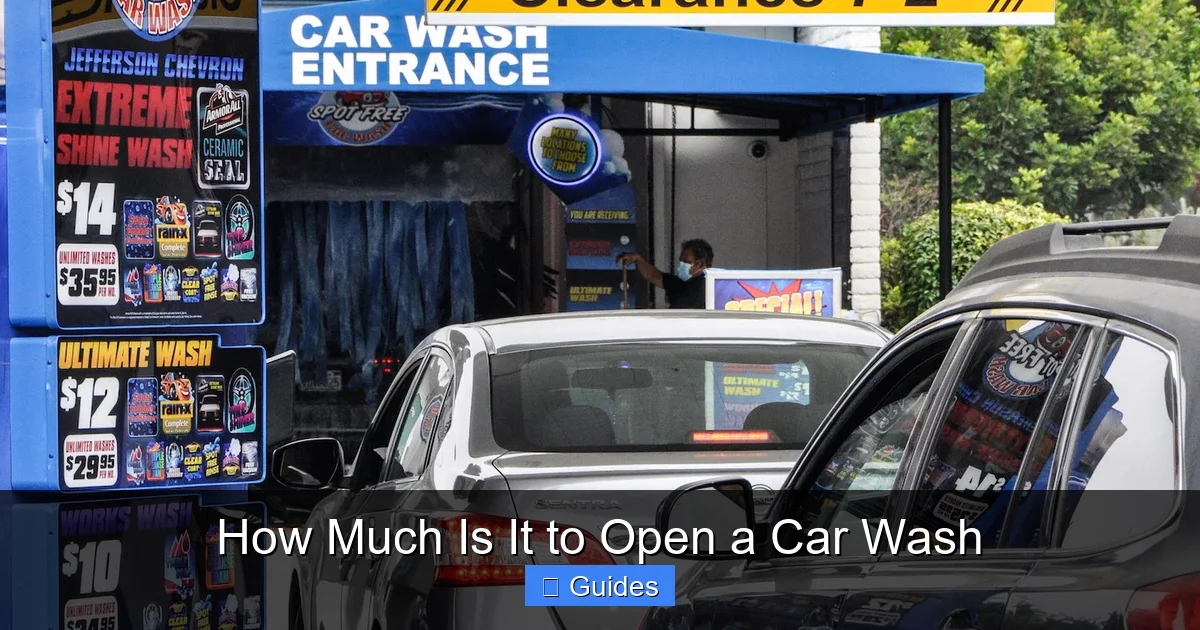
The cost to open an automatic car wash starts around $300,000 and can easily exceed $1 million for a large, high-end facility. Major expenses include the conveyor system, wash machinery, water treatment and recycling systems, building construction, and advanced control systems. You’ll also need more space—typically 5,000 to 10,000 square feet—and may require additional staff to manage operations, assist customers, and perform maintenance.
Despite the higher upfront cost, tunnel washes can be very profitable. They offer faster service, consistent results, and the ability to upsell add-ons like wax, tire shine, or interior cleaning. Many operators also offer membership plans, which provide steady monthly revenue. However, they require significant capital and ongoing maintenance to keep the machinery running smoothly.
Full-Service Car Wash
A full-service car wash combines automated washing with manual detailing. After the vehicle goes through the tunnel or bay, employees hand-dry it, clean the interior, vacuum carpets, and apply protectants. This model offers the highest level of service and can command premium pricing.
Full-service washes are the most expensive to open, often costing $500,000 to $1.5 million or more. In addition to the equipment needed for an automatic wash, you’ll need detailing stations, supplies (cleaners, towels, brushes), and a team of trained staff. Labor is a major ongoing cost, as you’ll need multiple employees per shift to handle washing, drying, and detailing.
The upside? Full-service washes attract customers willing to pay more for a thorough, hands-on clean. They also allow for higher profit margins on add-on services. However, they require strong management, consistent staffing, and excellent customer service to maintain quality and reputation.
Mobile and Detailing-Only Services
If you’re not ready to invest in a physical location, consider starting a mobile car wash or detailing service. These businesses operate out of a van or trailer and go to customers’ homes or offices. They’re ideal for entrepreneurs with limited capital or those testing the market.
Startup costs for a mobile wash range from $10,000 to $50,000, depending on the equipment and vehicle. You’ll need a water tank, pressure washer, vacuum, cleaning supplies, and a reliable vehicle. Since there’s no rent or utility bills, overhead is low. However, you’ll face challenges like water access, weather dependency, and travel time between jobs.
Mobile services are great for building a customer base and generating cash flow before expanding into a fixed location. They also appeal to busy professionals and fleet managers. But scalability is limited unless you hire additional teams and vehicles.
Breaking Down the Major Startup Costs

Visual guide about How Much Is It to Open a Car Wash
Image source: thumbs.dreamstime.com
Now that you understand the types of car washes, let’s dive into the actual costs. While every project is unique, most car wash startups fall into predictable expense categories. Here’s a detailed breakdown of where your money will go.
Real Estate and Location
Location is one of the most important—and expensive—factors in opening a car wash. You need a spot with high visibility, easy access, and enough space for vehicles to enter, exit, and queue. Ideal locations include busy intersections, near shopping centers, or along major highways.
If you’re leasing, expect to pay $2,000 to $10,000 per month depending on the area. Prime locations in urban or suburban markets can cost even more. Lease terms typically range from 5 to 10 years, with options to renew. Some landlords may require a security deposit equal to one or two months’ rent.
Buying land or an existing car wash can cost anywhere from $100,000 to $1 million+, depending on size and location. While this is a larger upfront investment, it gives you long-term control and potential equity. You may also qualify for small business loans or SBA financing to help cover the cost.
Don’t forget site preparation. You may need to level the land, install drainage, pave the area, and connect to utilities. These costs can add $20,000 to $100,000 or more, especially if the site requires environmental remediation or zoning changes.
Equipment and Machinery
Equipment is the heart of your car wash. The type and quality you choose will directly impact your customer experience, operating costs, and profitability.
For a self-service wash, essential equipment includes:
– High-pressure washers ($2,000–$5,000 each)
– Foam cannons and brushes ($500–$1,500)
– Vacuum systems ($1,000–$3,000 per bay)
– Payment kiosks ($2,000–$5,000)
– Water reclamation system ($10,000–$30,000)
For an automatic tunnel wash, you’ll need:
– Conveyor system ($50,000–$150,000)
– Wash machinery (brushes, sprayers, dryers) ($100,000–$300,000)
– Control panel and software ($10,000–$25,000)
– Water treatment and recycling ($20,000–$50,000)
Full-service washes require additional detailing equipment:
– Air compressors and hoses ($1,000–$3,000)
– Steam cleaners ($1,500–$4,000)
– Polishers and buffers ($200–$800 each)
– Cleaning supplies and towels (ongoing cost)
Always invest in commercial-grade equipment from reputable manufacturers. Cheap systems may save money upfront but often break down, leading to costly repairs and downtime. Consider leasing equipment if cash flow is tight—many suppliers offer financing options.
Building and Construction
Whether you’re building from scratch or renovating an existing structure, construction costs can be significant. A basic self-service bay may only need a concrete pad, roof, and walls, while a tunnel wash requires a full building with climate control, lighting, and safety features.
Construction costs typically range from $50 to $150 per square foot. For a 3,000-square-foot facility, that’s $150,000 to $450,000. Costs include:
– Foundation and concrete work
– Roofing and framing
– Electrical and plumbing
– HVAC systems
– Lighting and signage
If you’re converting an old building, factor in renovation costs like removing old equipment, updating utilities, and meeting code requirements. Always work with contractors experienced in car wash construction—they’ll know the unique demands of water, drainage, and ventilation.
Permits, Licenses, and Legal Fees
Before you open, you’ll need to navigate a maze of regulations. Car washes are heavily regulated due to water usage, chemical discharge, and environmental impact. Missing a permit can delay your opening or result in fines.
Common permits and licenses include:
– Business license ($50–$500)
– Zoning approval (varies by city)
– Environmental permits for water discharge ($500–$5,000)
– Health department approval (if offering food or drinks)
– Signage permits ($100–$1,000)
You may also need to register your business, obtain an EIN, and set up liability insurance. Insurance is crucial—general liability, property, and workers’ compensation can cost $2,000 to $10,000 annually, depending on size and risk.
Consult with a local attorney or business advisor to ensure compliance. Some states require car washes to install water reclamation systems to reduce runoff and protect groundwater. These systems can cost $10,000 to $50,000 but may qualify for tax credits or rebates.
Utilities and Water Reclamation
Water and electricity are major ongoing expenses. A single car wash can use 30 to 100 gallons per vehicle. In a busy location, that’s thousands of gallons per day.
To reduce costs and meet regulations, invest in a water reclamation system. These systems filter and recycle up to 80% of the water used, cutting utility bills and environmental impact. While the upfront cost is high, the long-term savings are significant.
Electricity powers your equipment, lighting, and pumps. High-volume washes can have monthly electric bills of $1,000 to $5,000. Consider energy-efficient equipment and LED lighting to reduce consumption.
Staffing and Training
Labor is one of the biggest ongoing costs, especially for full-service washes. You’ll need attendants, detailers, managers, and possibly security or maintenance staff.
Wages vary by region, but expect to pay $12–$20 per hour for entry-level staff. Managers may earn $40,000–$60,000 annually. Factor in payroll taxes, benefits, and training.
Hire reliable, customer-focused employees and invest in training. Teach them proper washing techniques, safety procedures, and how to upsell services. Happy employees lead to happy customers—and repeat business.
Marketing and Branding
No matter how great your car wash is, people won’t come if they don’t know it exists. Allocate 5–10% of your startup budget to marketing.
Initial marketing costs may include:
– Logo and branding design ($500–$2,000)
– Exterior signage ($2,000–$10,000)
– Website and online listings ($500–$2,000)
– Grand opening promotion ($1,000–$5,000)
– Local ads (radio, social media, flyers)
Offer discounts or free washes during your first week to attract customers. Build a loyalty program to encourage repeat visits. Use social media to showcase before-and-after photos and customer testimonials.
Ongoing Operational Costs
Visual guide about How Much Is It to Open a Car Wash
Image source: thumbs.dreamstime.com
After opening, your expenses don’t stop. Here’s what to expect month to month:
– **Water and sewer:** $500–$3,000
– **Electricity:** $800–$4,000
– **Labor:** $3,000–$15,000
– **Chemicals and supplies:** $300–$1,500
– **Maintenance and repairs:** $500–$2,000
– **Insurance:** $200–$800
– **Loan payments:** $1,000–$5,000 (if financed)
Track these expenses closely and adjust pricing or operations as needed. Many successful car washes operate on thin margins, so efficiency is key.
Tips to Reduce Costs and Maximize Profit
Visual guide about How Much Is It to Open a Car Wash
Image source: spotfreecar.com
– Start small and scale up.
– Lease equipment instead of buying.
– Choose energy-efficient systems.
– Negotiate with suppliers for bulk discounts.
– Offer membership plans for steady revenue.
– Use software to manage scheduling and payments.
Conclusion
So, how much is it to open a car wash? The answer depends on your vision, location, and business model. But with careful planning, realistic budgeting, and a focus on customer service, you can launch a profitable car wash at almost any price point. Whether you start with a single self-service bay or build a full-service destination, the key is to start smart, stay efficient, and grow with demand. Your spotless future starts now.
Frequently Asked Questions
How much does it cost to open a basic self-service car wash?
A basic self-service car wash typically costs between $50,000 and $150,000 to open. This includes equipment, concrete work, water reclamation, and basic building structures. Costs can be lower if you lease existing space or start with a single bay.
Can I open a car wash with no experience?
Yes, you can open a car wash with no experience, but it’s wise to learn the industry first. Consider working at a car wash, taking a business course, or partnering with someone who has experience. Franchises also offer training and support for first-time owners.
Do I need a water reclamation system?
In most areas, yes. Water reclamation systems are required by environmental regulations to prevent contaminated runoff. They recycle water and reduce utility costs. Expect to spend $10,000–$50,000 depending on system size and local rules.
How long does it take to recoup the investment?
Most car washes recoup their investment in 3 to 7 years. Self-service washes may break even faster due to lower overhead, while full-service washes take longer but can generate higher profits. Membership plans and add-on services speed up returns.
Is a car wash a good business in 2024?
Yes, car washes remain a strong business in 2024. With rising car ownership and busy lifestyles, demand for convenient cleaning services is high. Eco-friendly and automated options are especially popular, making it a smart investment with proper planning.
Should I buy a franchise or start independently?
Franchises offer branding, training, and support but cost more upfront ($100,000–$500,000+). Independent washes give you full control and lower fees but require more effort in marketing and operations. Choose based on your budget, experience, and goals.

At CarLegit, we believe information should be clear, factual, and genuinely helpful. That’s why every guide, review, and update on our website is created with care, research, and a strong focus on user experience.