

Knowing how much power steering fluid your car needs is essential for maintaining smooth steering and preventing costly repairs. Most vehicles require between 12 to 16 ounces (350–500 ml), but the exact amount depends on your car’s make, model, and system design. Regular checks and proper maintenance keep your steering responsive and your drive safe.
In This Article
- 1 Key Takeaways
- 2 📑 Table of Contents
- 3 How Much Power Steering Fluid Does a Car Need?
- 4 Why Power Steering Fluid Matters
- 5 How to Check Your Power Steering Fluid Level
- 6 How Much Fluid to Add: A Detailed Breakdown
- 7 Choosing the Right Power Steering Fluid
- 8 Common Power Steering Problems and Solutions
- 9 Maintenance Tips to Keep Your Steering Smooth
- 10 Conclusion
- 11 Frequently Asked Questions
- 11.1 How often should I check my power steering fluid?
- 11.2 Can I drive with low power steering fluid?
- 11.3 What happens if I use the wrong power steering fluid?
- 11.4 Is power steering fluid the same as brake fluid?
- 11.5 Can I add power steering fluid while the engine is running?
- 11.6 How do I know if my power steering pump is failing?
Key Takeaways
- Typical fluid capacity: Most cars need 12–16 ounces (350–500 ml) of power steering fluid, though some larger vehicles may require more.
- Check the owner’s manual: Always refer to your vehicle’s manual for the exact specification and recommended fluid type.
- Inspect regularly: Check fluid levels every 3–6 months or during routine maintenance to avoid low levels or contamination.
- Use the right fluid: Using the wrong type can damage seals and reduce system performance—stick to manufacturer recommendations.
- Watch for warning signs: Whining noises, stiff steering, or leaks indicate potential low fluid or system issues.
- Top up safely: Only add fluid when the engine is cool, and never overfill—overfilling can cause foaming and poor performance.
- Professional help if needed: If you notice persistent leaks or performance problems, consult a mechanic to avoid further damage.
📑 Table of Contents
- How Much Power Steering Fluid Does a Car Need?
- Why Power Steering Fluid Matters
- How to Check Your Power Steering Fluid Level
- How Much Fluid to Add: A Detailed Breakdown
- Choosing the Right Power Steering Fluid
- Common Power Steering Problems and Solutions
- Maintenance Tips to Keep Your Steering Smooth
- Conclusion
How Much Power Steering Fluid Does a Car Need?
If you’ve ever turned the steering wheel and felt it go stiff or heard a whining noise, you might be dealing with a power steering fluid issue. Power steering fluid is the lifeblood of your car’s steering system—it helps transfer pressure so you can turn the wheel with minimal effort. But how much of it does your car actually need?
The short answer? Most passenger cars require between 12 and 16 ounces (about 350 to 500 milliliters) of power steering fluid. However, that number isn’t one-size-fits-all. The exact amount depends on your vehicle’s make, model, year, and the type of power steering system it uses. Some trucks, SUVs, or performance vehicles may need more, while compact cars might use slightly less.
Understanding how much power steering fluid your car needs isn’t just about topping off a reservoir—it’s about maintaining a critical system that affects your safety and driving comfort. Too little fluid, and you risk damaging the pump or experiencing hard steering. Too much, and you could cause foaming, leaks, or pressure problems. Getting it right means knowing your car, checking levels regularly, and using the correct fluid.
In this guide, we’ll walk you through everything you need to know: how to check your fluid level, how much to add, what type to use, and when to seek professional help. Whether you’re a DIY enthusiast or just want to stay informed, this article will help you keep your steering smooth and your car running safely.
Why Power Steering Fluid Matters

Visual guide about How Much Power Steering Fluid Does a Car Need
Image source: mroilguy.com
Power steering fluid does more than just make turning easier—it’s a hydraulic medium that transfers force from the steering wheel to the wheels. Without it, even modern cars would feel like heavy, unresponsive machines. Think of it like engine oil for your steering system: it lubricates moving parts, prevents wear, and helps dissipate heat.
When the fluid level drops or becomes contaminated, the entire system suffers. You might notice:
– A stiff or jerky steering wheel
– A whining or groaning noise when turning
– Delayed response when making turns
– Visible leaks under the car
These symptoms aren’t just annoying—they can be dangerous, especially at low speeds or in tight spaces like parking lots. Low fluid can also cause the power steering pump to overheat and fail, leading to expensive repairs. In worst-case scenarios, a complete loss of power assist could make the car nearly impossible to steer.
That’s why knowing how much power steering fluid your car needs—and keeping it at the right level—is so important. It’s not just about convenience; it’s about safety, performance, and longevity.
How the Power Steering System Works
To understand why fluid levels matter, it helps to know how the system works. Most modern cars use a hydraulic power steering system, which includes:
– A reservoir to hold the fluid
– A pump driven by the engine (via a belt)
– Hoses that carry fluid under pressure
– A steering gear or rack that translates fluid pressure into wheel movement
When you turn the steering wheel, the pump sends pressurized fluid through the system. This pressure helps move the steering components, reducing the effort you need to apply. The fluid then returns to the reservoir to be reused.
Electric power steering (EPS) systems, common in newer vehicles, don’t use fluid at all—they rely on an electric motor instead. But if your car has a traditional hydraulic system, fluid is essential.
Signs You Might Need to Check Your Fluid
You don’t have to wait for a breakdown to check your power steering fluid. Watch for these early warning signs:
– Whining noise when turning: This is often the first clue. It usually means the pump is struggling due to low fluid or air in the system.
– Stiff steering: If the wheel feels heavy or hard to turn, especially at low speeds, fluid levels could be low.
– Jerky or uneven steering response: The wheel might feel “jumpy” or inconsistent when turning.
– Visible leaks: Look under your car for reddish or brown fluid spots. Power steering fluid is often red, amber, or pink when new, but turns dark as it ages.
– Dashboard warning light: Some newer cars have a power steering warning light that illuminates when there’s a problem.
If you notice any of these, it’s time to check your fluid level and condition.
How to Check Your Power Steering Fluid Level
Visual guide about How Much Power Steering Fluid Does a Car Need
Image source: carfluidpro.com
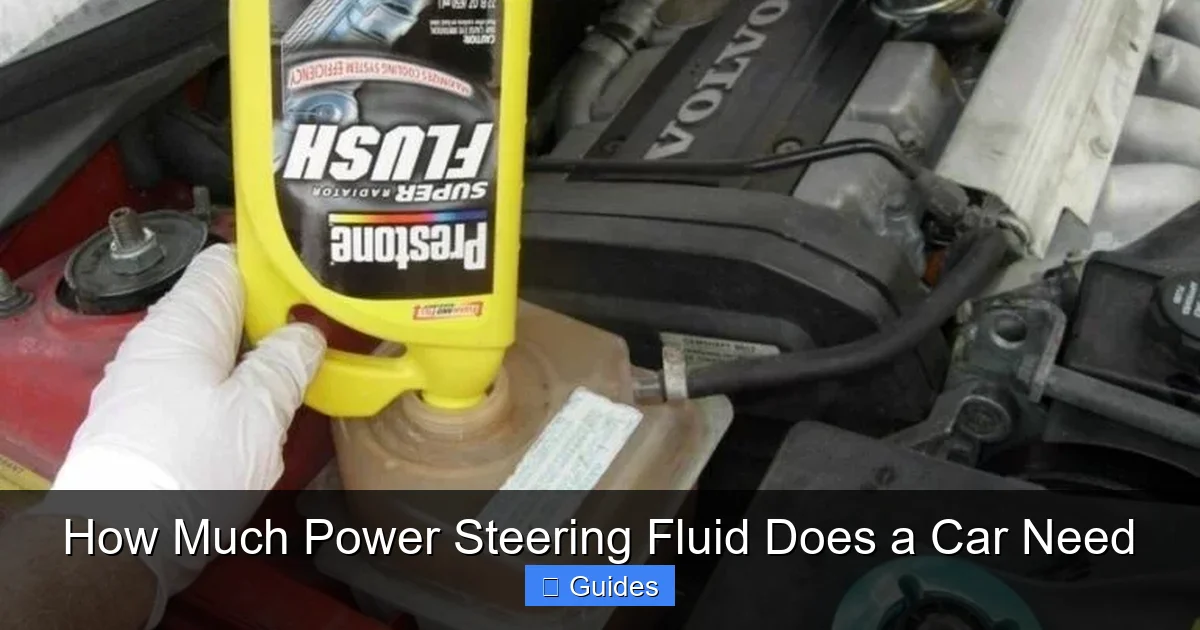
Checking your power steering fluid is one of the easiest maintenance tasks you can do—no tools required. Here’s how to do it safely and accurately.
Step-by-Step Guide to Checking Fluid
1. Park on a level surface and turn off the engine. Let the car cool down for at least 10–15 minutes. Checking fluid when the engine is hot can give inaccurate readings and increase the risk of burns.
2. Locate the power steering reservoir. It’s usually a small plastic or metal tank near the engine, labeled “Power Steering” or marked with a steering wheel icon. It often has a dipstick attached to the cap or a clear “min/max” marking on the side.
3. Check the fluid level. If there’s a dipstick, remove it, wipe it clean, reinsert it fully, then pull it out again to read the level. Look for markings like “Full,” “Add,” or “Hot/Cold.” If the reservoir is translucent, you can often see the fluid level directly—just make sure it’s between the “min” and “max” lines.
4. Inspect the fluid condition. Fresh power steering fluid is usually clear and red, amber, or pink. If it’s dark brown, black, or has a burnt smell, it’s time for a change. Milky or foamy fluid indicates air or water contamination.
5. Top up if needed. If the level is below the “min” line, add the correct type of fluid slowly until it reaches the “full” mark. Never overfill.
Common Mistakes to Avoid
– Checking when the engine is hot: Fluid expands when warm, so levels appear higher than they actually are. Always check when cool.
– Using the wrong fluid: Mixing incompatible types can damage seals and reduce performance. Check your owner’s manual.
– Overfilling: Too much fluid can cause foaming, which reduces hydraulic efficiency and may damage the pump.
– Ignoring the dipstick method: On reservoirs with dipsticks, always use the dipstick for accuracy—don’t rely solely on visual markings.
When to Check More Often
While a general rule is to check every 3–6 months, some situations call for more frequent checks:
– After driving in extreme heat or cold
– If you’ve recently had steering work done
– If you notice any of the warning signs mentioned earlier
– If you frequently tow heavy loads or drive in stop-and-go traffic
Regular checks help you catch problems early and avoid costly repairs.
How Much Fluid to Add: A Detailed Breakdown
Visual guide about How Much Power Steering Fluid Does a Car Need
Image source: carfluidpro.com
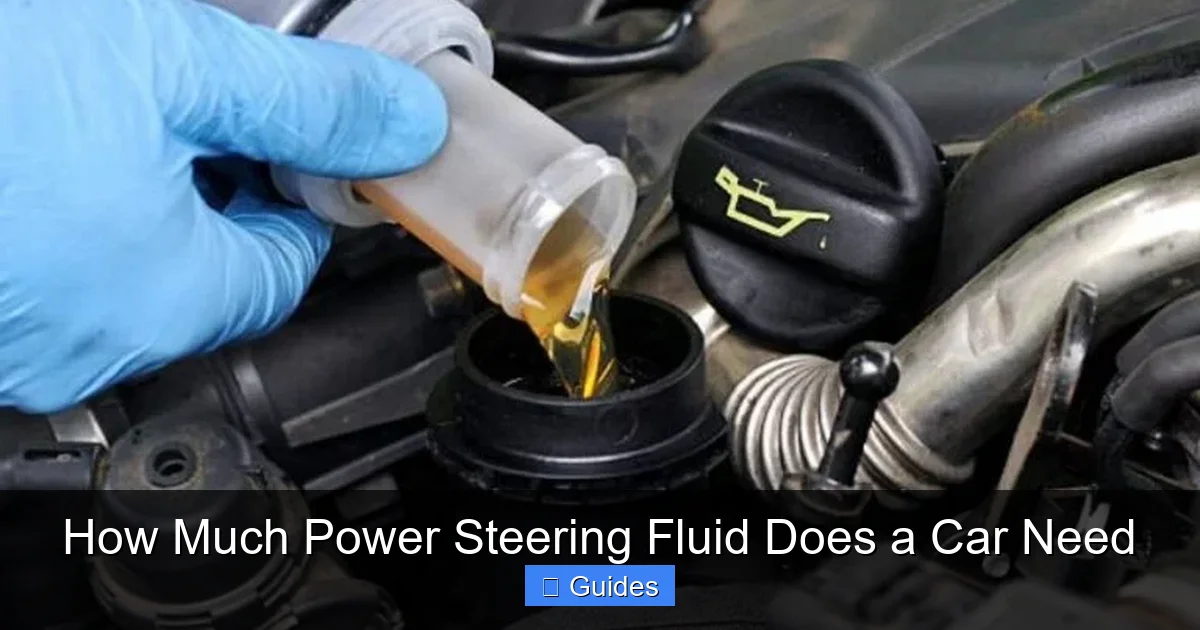
Now that you know how to check the level, let’s talk about how much to add. The amount depends on several factors, including your car’s design and current fluid level.
Typical Fluid Capacity by Vehicle Type
Here’s a general guide based on common vehicle categories:
– Compact and midsize cars: 12–14 ounces (350–420 ml)
– Full-size sedans and SUVs: 14–16 ounces (420–500 ml)
– Trucks and heavy-duty vehicles: 16–20+ ounces (500–600+ ml)
– Performance or luxury cars: May vary widely—check the manual
Keep in mind that these are averages. The only way to know for sure is to consult your owner’s manual or look for a label under the hood.
How to Top Up Safely
If your fluid is low, follow these steps:
1. Use the correct fluid. Common types include ATF (Automatic Transmission Fluid) like Dexron or Mercon, or dedicated power steering fluid like CHF 11S or PSF. Never substitute with brake fluid or engine oil.
2. Use a funnel. This prevents spills and ensures clean pouring.
3. Add slowly. Pour a small amount, wait a few seconds, then recheck the level. It’s easy to overfill.
4. Replace the cap tightly. A loose cap can lead to leaks or contamination.
What If You Overfill?
Overfilling isn’t as dangerous as running low, but it can still cause problems:
– Foaming: Excess fluid can trap air, leading to foamy fluid that doesn’t transfer pressure well.
– Increased pressure: This may strain hoses and seals, potentially causing leaks.
– Pump damage: In extreme cases, the pump may cavitate or fail.
If you accidentally overfill, you can carefully siphon out the excess using a turkey baster or fluid pump. Just be sure to dispose of the fluid properly.
When a Full Flush Is Needed
Sometimes, topping up isn’t enough. If the fluid is dark, burnt, or contaminated, a full flush is recommended. This involves draining the old fluid, replacing the filter (if applicable), and refilling with fresh fluid. While you can do this yourself with the right tools, many drivers prefer a professional service to ensure it’s done correctly.
Choosing the Right Power Steering Fluid
Not all power steering fluids are created equal. Using the wrong type can lead to leaks, noise, or even system failure.
Types of Power Steering Fluid
– ATF (Automatic Transmission Fluid): Used in many older GM, Ford, and Toyota vehicles. Common types include Dexron III, Mercon V, and Type F.
– Synthetic power steering fluid: Designed specifically for modern systems. Offers better performance in extreme temperatures and longer life.
– CHF fluids: Common in European cars like BMW, Audi, and Mercedes. CHF 11S and CHF 202 are popular types.
– Universal fluids: Marketed as compatible with multiple systems, but may not meet all manufacturer specs.
Why the Right Fluid Matters
Power steering systems rely on precise hydraulic pressure and lubrication. The wrong fluid may:
– Swell or shrink seals, causing leaks
– Break down under heat, leading to sludge
– Fail to lubricate, increasing wear on the pump and rack
Always check your owner’s manual or the reservoir cap for the recommended type. If you’re unsure, ask a mechanic or consult the manufacturer’s website.
Can You Mix Different Fluids?
In a pinch, some ATF types can be mixed (e.g., Dexron and Mercon), but it’s not ideal. Mixing incompatible fluids—like ATF and synthetic—can cause chemical reactions that damage the system. If you must mix, use only fluids labeled as compatible, and plan to flush the system as soon as possible.
Common Power Steering Problems and Solutions
Even with proper fluid levels, issues can arise. Here are some common problems and what they might mean.
Whining or Groaning Noise
This is the most common symptom of low fluid or air in the system. Try topping up the fluid and bleeding the system (turning the wheel lock-to-lock several times with the engine running). If the noise persists, there may be a leak or a failing pump.
Stiff or Hard Steering
If the wheel feels heavy, especially at low speeds, check the fluid level first. If it’s full, the issue could be a worn pump, a clogged filter, or a problem with the steering rack.
Leaking Fluid
Leaks often occur at hose connections, seals, or the pump itself. Small leaks can sometimes be fixed with sealants, but larger ones usually require replacement parts. Ignoring leaks leads to low fluid and potential system failure.
Foamy or Milky Fluid
This indicates air or water contamination. Air can enter if the reservoir is overfilled or if there’s a leak in the suction side of the system. Water may come from condensation or a damaged seal. A flush and refill are usually needed.
Electric Power Steering Issues
If your car uses electric power steering (EPS), fluid isn’t the issue—but you may still experience stiff steering or warning lights. These problems are often related to sensors, the control module, or the motor itself. Diagnostics usually require a professional scan tool.
Maintenance Tips to Keep Your Steering Smooth
Prevention is always better than repair. Follow these tips to keep your power steering system in top shape.
Check Fluid Regularly
Make it a habit to check your power steering fluid every time you check your oil or during oil changes. It takes just a minute and can save you from bigger problems down the road.
Use Quality Fluid
Don’t skimp on cheap or off-brand fluids. High-quality, manufacturer-approved fluid lasts longer and performs better, protecting your system from wear and tear.
Inspect for Leaks
Look under your car periodically for fluid spots. Early detection of leaks can prevent low fluid levels and costly repairs.
Listen to Your Car
Pay attention to how your steering feels. Any change in effort, noise, or response is a signal that something might be wrong.
Schedule Professional Inspections
During routine maintenance, ask your mechanic to inspect the power steering system, including hoses, belts, and the pump. They can spot issues you might miss.
Flush the System When Needed
Most manufacturers recommend a power steering flush every 50,000 to 100,000 miles, or if the fluid looks dirty. This removes contaminants and refreshes the system.
Conclusion
Knowing how much power steering fluid your car needs is a small but vital part of vehicle maintenance. Most cars require between 12 and 16 ounces, but the exact amount depends on your specific vehicle. Regular checks, using the right fluid, and addressing issues early can keep your steering smooth, responsive, and safe.
Don’t wait for a whining noise or stiff wheel to take action. Make checking your power steering fluid a regular habit, and always refer to your owner’s manual for the correct type and capacity. With a little attention, you can avoid costly repairs and enjoy a comfortable, confident drive for years to come.
Frequently Asked Questions
How often should I check my power steering fluid?
Check your power steering fluid every 3–6 months or during routine maintenance like oil changes. If you notice any steering issues, check it immediately.
Can I drive with low power steering fluid?
You can drive short distances with low fluid, but it’s not safe. Low fluid can damage the pump and make steering difficult, especially at low speeds.
What happens if I use the wrong power steering fluid?
Using the wrong fluid can damage seals, cause leaks, or reduce system performance. Always use the type specified in your owner’s manual.
Is power steering fluid the same as brake fluid?
No, they are completely different. Brake fluid is hygroscopic and handles much higher pressures. Never substitute one for the other.
Can I add power steering fluid while the engine is running?
No, always turn off the engine and let it cool before adding fluid. Hot fluid can give false readings and increase the risk of burns.
How do I know if my power steering pump is failing?
Signs include loud whining noises, stiff steering, and fluid leaks. If topping up the fluid doesn’t help, the pump may need replacement.

At CarLegit, we believe information should be clear, factual, and genuinely helpful. That’s why every guide, review, and update on our website is created with care, research, and a strong focus on user experience.