

Knowing how often to change fuel filter is essential for maintaining engine efficiency and preventing costly repairs. Most vehicles require a fuel filter replacement every 20,000 to 60,000 miles, but driving conditions and fuel quality can affect this interval. Regular maintenance ensures clean fuel delivery and protects critical engine components.
In This Article
- 1 Key Takeaways
- 2 📑 Table of Contents
- 3 How Often to Change Fuel Filter: A Complete Guide for Every Driver
- 4 What Is a Fuel Filter and Why Does It Matter?
- 5 Manufacturer Recommendations: What the Manual Says
- 6 Signs You Need to Change Your Fuel Filter Sooner
- 7 Factors That Affect Fuel Filter Lifespan
- 8 DIY vs. Professional Fuel Filter Replacement
- 9 Choosing the Right Fuel Filter
- 10 Preventive Maintenance Tips
- 11 Conclusion
- 12 Frequently Asked Questions
- 12.1 How often should I change my fuel filter if I drive mostly in the city?
- 12.2 Can a clogged fuel filter cause my car not to start?
- 12.3 Is it safe to replace a fuel filter myself?
- 12.4 Do electric cars have fuel filters?
- 12.5 What happens if I never change my fuel filter?
- 12.6 Can I clean a fuel filter instead of replacing it?
Key Takeaways
- Replace every 20,000–60,000 miles: Most manufacturers recommend changing the fuel filter within this range, but always check your owner’s manual.
- Watch for warning signs: Hard starts, engine hesitation, or reduced fuel economy may indicate a clogged filter.
- Consider your driving environment: Frequent short trips, dusty roads, or low-quality fuel can shorten the replacement interval.
- Gasoline vs. diesel engines differ: Diesel fuel filters often need more frequent changes due to higher contamination risks.
- DIY vs. professional service: Some filters are easy to replace at home; others require specialized tools and expertise.
- Don’t ignore the fuel filter: A neglected filter can lead to fuel pump failure, injector damage, and engine stalling.
- Use quality replacement parts: OEM or high-grade aftermarket filters ensure proper fit and filtration efficiency.
📑 Table of Contents
- How Often to Change Fuel Filter: A Complete Guide for Every Driver
- What Is a Fuel Filter and Why Does It Matter?
- Manufacturer Recommendations: What the Manual Says
- Signs You Need to Change Your Fuel Filter Sooner
- Factors That Affect Fuel Filter Lifespan
- DIY vs. Professional Fuel Filter Replacement
- Choosing the Right Fuel Filter
- Preventive Maintenance Tips
- Conclusion
How Often to Change Fuel Filter: A Complete Guide for Every Driver
You probably check your oil, rotate your tires, and top off your windshield washer fluid without a second thought. But when was the last time you thought about your fuel filter? It’s one of those car parts that quietly does its job—until it doesn’t. And when it fails, the consequences can range from annoying engine hiccups to a complete breakdown on the side of the road.
So, how often should you change your fuel filter? The short answer: every 20,000 to 60,000 miles, depending on your vehicle, driving habits, and fuel quality. But the real answer is a bit more nuanced. Unlike oil changes, which follow a fairly predictable schedule, fuel filter replacement depends on several factors. Some cars go years without needing a new filter, while others might need one replaced much sooner—especially if you drive in harsh conditions or fill up at questionable gas stations.
In this guide, we’ll walk you through everything you need to know about fuel filter maintenance. From understanding how the fuel system works to recognizing the signs of a clogged filter, we’ll help you stay ahead of potential problems. Whether you’re a DIY enthusiast or prefer to leave it to the pros, knowing when and why to change your fuel filter can save you time, money, and a lot of frustration down the road.
What Is a Fuel Filter and Why Does It Matter?
Before we dive into replacement schedules, let’s talk about what a fuel filter actually does. Think of it as the gatekeeper of your engine’s fuel system. Its job is simple but critical: to trap dirt, rust, debris, and other contaminants before they reach the fuel injectors or carburetor.
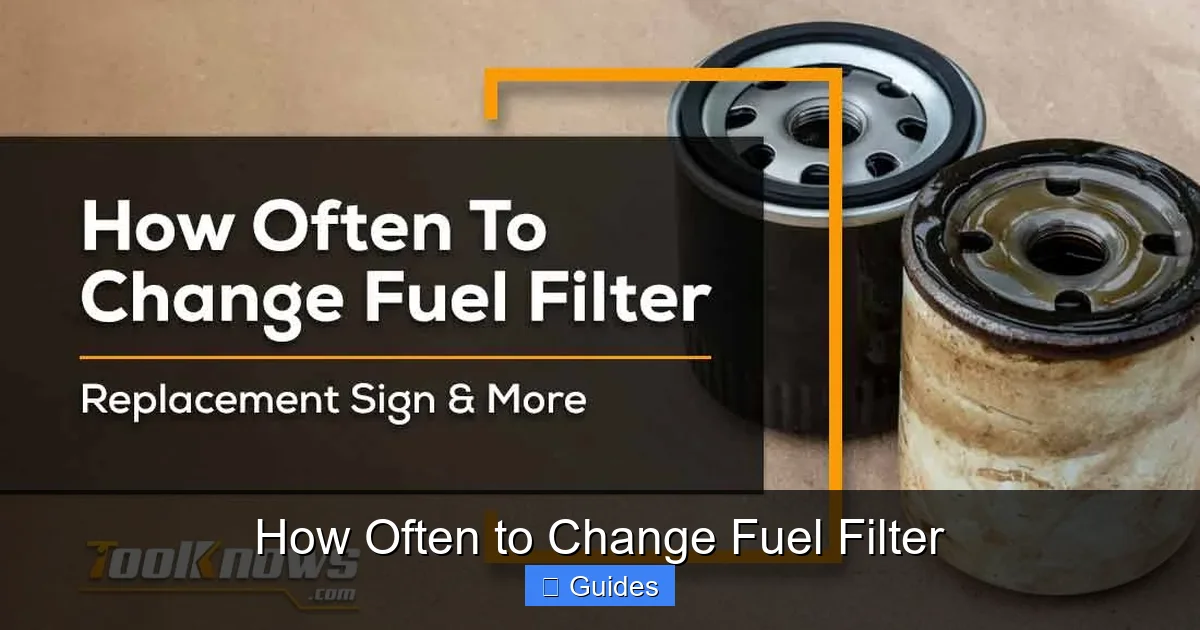
Visual guide about How Often to Change Fuel Filter
Image source: toolknows.com
How the Fuel System Works
When you turn the key (or push the start button), the fuel pump draws gasoline or diesel from the tank and sends it through the fuel lines under pressure. Along the way, the fuel passes through the fuel filter. Clean fuel then reaches the engine’s combustion chamber, where it mixes with air and ignites to power your vehicle.
If the filter is clogged or dirty, fuel flow is restricted. This can cause a host of problems, from poor acceleration to engine stalling. In extreme cases, a severely blocked filter can starve the engine of fuel, leading to a no-start condition.
Types of Fuel Filters
Not all fuel filters are created equal. There are two main types found in modern vehicles:
- Inline fuel filters: These are cylindrical filters mounted along the fuel line, usually under the car or near the fuel tank. They’re common in gasoline-powered cars and are often replaceable.
- In-tank fuel filters: Some vehicles, especially newer models, have the filter built into the fuel pump assembly inside the gas tank. These are more complex to replace and often require dropping the fuel tank.
Diesel engines typically use a separate fuel filter, sometimes with a water separator, because diesel fuel is more prone to contamination and moisture buildup. These filters often have a drain plug to remove water, which should be checked regularly.
Regardless of the type, the purpose remains the same: keep the fuel clean. And just like any filter—whether it’s in your HVAC system or your coffee maker—it eventually gets dirty and needs replacing.
Manufacturer Recommendations: What the Manual Says
The best place to start when figuring out how often to change your fuel filter is your vehicle’s owner’s manual. Car manufacturers test their vehicles under various conditions and provide maintenance schedules based on real-world data.

Visual guide about How Often to Change Fuel Filter
Image source: tnstatic.net
Typical Replacement Intervals
Most automakers recommend replacing the fuel filter every 30,000 to 60,000 miles for gasoline engines. For example:
- Toyota: Recommends inspection every 30,000 miles and replacement as needed.
- Ford: Suggests replacement every 45,000 miles for most models.
- Chevrolet: Advises changing the filter every 30,000 miles for older models, while newer vehicles may go up to 60,000 miles.
- Honda: Often recommends replacement at 60,000 miles or 5 years, whichever comes first.
Diesel engines, on the other hand, often require more frequent changes. Many diesel manufacturers suggest replacing the fuel filter every 10,000 to 20,000 miles due to the higher risk of water contamination and particulate buildup.
Why Intervals Vary
Why such a wide range? Several factors influence how quickly a fuel filter gets clogged:
- Fuel quality: If you frequently fill up at stations with dirty tanks or low-quality fuel, your filter will clog faster.
- Driving conditions: Stop-and-go city driving, short trips, and dusty environments can accelerate filter contamination.
- Vehicle age and design: Older cars with carburetors may need more frequent changes than modern fuel-injected engines with better filtration systems.
- Climate: Humid or cold climates can lead to condensation in the fuel tank, increasing moisture in the system—especially problematic for diesel engines.
Even if your manual says 60,000 miles, it’s smart to inspect the filter earlier if you notice performance issues or drive in tough conditions.
Signs You Need to Change Your Fuel Filter Sooner
While mileage is a good guideline, it’s not the only factor. Sometimes, your car will tell you it’s time for a new fuel filter before the odometer hits the recommended mark. Pay attention to these warning signs:

Visual guide about How Often to Change Fuel Filter
Image source: bryansgarage.com
Engine Hesitation or Stumbling
If your car hesitates when you press the accelerator—especially during acceleration or under load—it could be a sign of restricted fuel flow. A clogged filter can’t deliver enough fuel to keep up with demand, causing the engine to sputter or hesitate.
Hard Starting
Does your engine crank longer than usual before starting? A dirty fuel filter can reduce fuel pressure, making it harder for the engine to ignite the air-fuel mixture. This is especially noticeable in the morning or after the car has been sitting for a while.
Rough Idling
A healthy engine should idle smoothly. If your car shakes, rattles, or stalls at idle, a clogged fuel filter might be starving the engine of fuel when it’s not under load.
Reduced Fuel Economy
If you’re suddenly filling up more often without changing your driving habits, a restricted fuel filter could be to blame. The engine may compensate by running richer (using more fuel), which lowers your miles per gallon.
Engine Misfires
Fuel injectors need a steady supply of clean fuel to spray the right amount into each cylinder. A clogged filter can disrupt this flow, leading to misfires—especially under acceleration.
Check Engine Light
While the check engine light can mean many things, it’s often triggered by fuel system issues. A clogged filter can cause low fuel pressure, which the engine control unit (ECU) detects and flags with a trouble code like P0171 (system too lean).
If you notice any of these symptoms, don’t ignore them. While they could point to other issues—like a failing fuel pump or dirty injectors—a simple fuel filter replacement is an easy and inexpensive first step.
Factors That Affect Fuel Filter Lifespan
Even if your car is brand new and you follow the manual to the letter, real-world conditions can shorten your fuel filter’s life. Here’s what to watch out for:
Driving Habits
Short trips—like driving to work and back—don’t allow the engine to reach full operating temperature. This can lead to moisture buildup in the fuel system, especially in cold weather. Over time, this moisture can mix with dirt and clog the filter faster.
Similarly, frequent stop-and-go driving puts more strain on the fuel system, increasing the chance of contamination.
Fuel Quality
Not all gas stations are created equal. Some may have dirty storage tanks or poor fuel handling practices. If you notice sediment in your gas cap or experience performance issues after filling up at a particular station, it might be time to switch brands.
Using ethanol-blended fuels (like E10 or E15) can also contribute to filter clogging over time, as ethanol attracts moisture and can degrade rubber components in older fuel systems.
Environmental Conditions
Driving on unpaved roads or in dusty areas introduces more airborne particles into the fuel system. Even if the filter is sealed, contaminants can enter through the fuel tank vent or during refueling.
In humid climates, condensation in the fuel tank is a bigger concern. Water doesn’t mix with gasoline and can settle at the bottom, eventually reaching the filter and causing corrosion or blockages.
Vehicle Age and Maintenance History
Older vehicles with high mileage are more likely to have rust or sediment in the fuel tank, especially if the tank hasn’t been cleaned or replaced. This debris can quickly clog a new filter.
If your car has been sitting unused for months or years, the fuel may have degraded, forming varnish or sludge that clogs the filter when you try to start it.
The bottom line? Your driving environment and habits play a big role in how often you need to change your fuel filter. If you’re unsure, err on the side of caution and inspect it early.
DIY vs. Professional Fuel Filter Replacement
Now that you know when to change your fuel filter, the next question is: should you do it yourself or take it to a mechanic?
When to DIY
If your vehicle has an inline fuel filter located under the car or in the engine bay, and it’s easily accessible, a DIY replacement is often straightforward. Here’s what you’ll need:
- New fuel filter (make sure it matches your vehicle’s specs)
- Safety glasses and gloves
- Wrenches or pliers
- Rag or shop towels
- Container to catch fuel spills
Before starting, relieve fuel system pressure by removing the fuel pump fuse and running the engine until it stalls. Then disconnect the battery for safety.
Next, locate the filter and note the direction of fuel flow (usually marked with an arrow). Disconnect the fuel lines—be ready for a small amount of fuel to spill—and remove the old filter. Install the new one in the same orientation, reconnect the lines, and reattach the fuse. Start the engine and check for leaks.
When to Call a Pro
Some fuel filters are harder to reach. In-tank filters, for example, require dropping the fuel tank—a job best left to professionals with the right tools and experience. Similarly, diesel fuel filters with water separators may need special procedures to avoid air entering the system.
If you’re not comfortable working with fuel systems or don’t have the right tools, it’s worth paying a mechanic. A typical fuel filter replacement costs between $50 and $150, depending on labor rates and vehicle complexity.
And remember: using the wrong filter or installing it backward can cause serious problems. Always double-check part numbers and installation instructions.
Choosing the Right Fuel Filter
Not all fuel filters are interchangeable. Using the wrong one can lead to poor performance, leaks, or even engine damage. Here’s how to pick the right replacement:
OEM vs. Aftermarket
Original Equipment Manufacturer (OEM) filters are made by the same company that supplied the part for your vehicle. They’re guaranteed to meet factory specs and often come with a warranty. However, they can be more expensive.
Aftermarket filters are made by third-party companies and are usually cheaper. Many are high quality and perform just as well as OEM parts—just make sure they’re from a reputable brand and designed for your specific make and model.
Check Compatibility
Always cross-reference your vehicle’s year, make, model, and engine size when buying a fuel filter. Even small differences—like fuel line diameter or mounting style—can make a filter incompatible.
Some filters are labeled “universal,” but these often require adapters and may not provide the same level of filtration as a direct-fit part.
Look for Quality Features
A good fuel filter should have:
- High filtration efficiency (able to capture particles as small as 10 microns)
- Durable housing resistant to fuel and heat
- Proper flow rate for your engine’s needs
- Easy installation with clear flow direction markings
Reading reviews and checking brand reputation can help you avoid cheap, low-quality filters that fail prematurely.
Preventive Maintenance Tips
While replacing the fuel filter on time is important, you can take steps to extend its life and keep your fuel system clean:
Use Quality Fuel
Fill up at reputable gas stations with high turnover. Avoid stations that look run-down or have dirty pumps. Consider using a fuel additive occasionally to clean injectors and prevent buildup.
Keep the Fuel Tank Above ¼ Full
This reduces condensation in the tank, especially in cold weather. A fuller tank means less air space for moisture to form.
Inspect During Regular Maintenance
Ask your mechanic to check the fuel filter during oil changes or inspections, especially if you drive in tough conditions.
Replace Fuel Cap if Damaged
A loose or cracked fuel cap can allow dirt and moisture into the tank, accelerating filter clogging.
Consider a Fuel System Cleaner
Products like Sea Foam or Chevron Techron can help dissolve deposits in the fuel system, reducing strain on the filter.
These small habits can go a long way in protecting your fuel system and saving you money on repairs.
Conclusion
So, how often should you change your fuel filter? The answer isn’t one-size-fits-all, but a good rule of thumb is every 30,000 to 60,000 miles for gasoline engines and every 10,000 to 20,000 miles for diesels. Always consult your owner’s manual and pay attention to your car’s performance.
A clean fuel filter ensures your engine gets the fuel it needs to run smoothly, efficiently, and reliably. Ignoring it can lead to poor performance, reduced fuel economy, and costly repairs down the line. But with regular maintenance and a little awareness, you can keep your fuel system in top shape for years to come.
Whether you’re a weekend mechanic or prefer to leave it to the pros, knowing when and why to change your fuel filter is a smart move. It’s a small part with a big job—and taking care of it is one of the easiest ways to protect your engine.
Frequently Asked Questions
How often should I change my fuel filter if I drive mostly in the city?
If you do a lot of stop-and-go driving or short trips, consider changing your fuel filter closer to the lower end of the recommended range—around 20,000 to 30,000 miles. City driving can lead to more fuel system contamination and moisture buildup.
Can a clogged fuel filter cause my car not to start?
Yes, a severely clogged fuel filter can restrict fuel flow so much that the engine can’t get enough fuel to start. This is more common in older vehicles or those with high mileage.
Is it safe to replace a fuel filter myself?
It can be, if you follow safety procedures and your vehicle has an accessible inline filter. Always relieve fuel pressure, wear protective gear, and work in a well-ventilated area. If you’re unsure, consult a professional.
Do electric cars have fuel filters?
No, electric vehicles don’t have fuel filters because they don’t use gasoline or diesel. However, some hybrids have both electric motors and internal combustion engines, so they may still require a fuel filter.
What happens if I never change my fuel filter?
Over time, a clogged filter can cause poor engine performance, reduced fuel economy, hard starting, and even damage to the fuel pump or injectors due to increased strain and contamination.
Can I clean a fuel filter instead of replacing it?
Most modern fuel filters are not designed to be cleaned and reused. Attempting to clean them can damage the filter media or fail to remove all contaminants. It’s best to replace them with a new, high-quality filter.

At CarLegit, we believe information should be clear, factual, and genuinely helpful. That’s why every guide, review, and update on our website is created with care, research, and a strong focus on user experience.