
Checking the oil percentage in your Hyundai Elantra is a simple yet vital task to ensure your engine runs smoothly. This guide walks you through every step, from understanding what oil percentage means to using the onboard system or manual methods. Regular checks help prevent engine damage and extend your car’s lifespan.
In This Article
- 1 Key Takeaways
- 2 📑 Table of Contents
- 3 Why Checking Oil Percentage Matters in Your Hyundai Elantra
- 4 How to Check Oil Percentage Using the Onboard System
- 5 Manual Oil Check: Using the Dipstick Method
- 6 Understanding Oil Types and Recommendations for Hyundai Elantra
- 7 How to Reset the Oil Life Monitor After an Oil Change
- 8 Tips for Maintaining Healthy Oil and Engine Performance
- 9 Common Mistakes to Avoid When Checking Oil
- 10 Conclusion
- 11 Frequently Asked Questions
- 11.1 How often should I check the oil percentage in my Hyundai Elantra?
- 11.2 Can I drive with 10% oil life remaining?
- 11.3 What happens if I don’t reset the oil life monitor?
- 11.4 Is it safe to use conventional oil in a Hyundai Elantra?
- 11.5 Why does my oil life percentage drop quickly?
- 11.6 Can I check oil percentage with the engine running?
Key Takeaways
- Oil percentage indicates remaining oil life, not oil level: It’s a smart estimate based on driving conditions, not a direct measure of how much oil is in the engine.
- Use the onboard oil life monitoring system: Most modern Hyundai Elantras have a digital display that shows oil life percentage—no dipstick needed.
- Check oil level manually for accuracy: Even with a digital system, it’s wise to occasionally verify oil level using the traditional dipstick method.
- Follow the recommended oil change intervals: Hyundai suggests changing oil every 7,500 miles or 12 months under normal conditions, but this may vary.
- Reset the oil life monitor after an oil change: Forgetting to reset the system can lead to inaccurate readings and missed maintenance.
- Use the correct oil type: Always use Hyundai-recommended oil (usually 5W-20 or 5W-30) to maintain optimal engine performance.
- Monitor driving habits: Frequent short trips, towing, or extreme weather can reduce oil life faster than average.
📑 Table of Contents
- Why Checking Oil Percentage Matters in Your Hyundai Elantra
- How to Check Oil Percentage Using the Onboard System
- Manual Oil Check: Using the Dipstick Method
- Understanding Oil Types and Recommendations for Hyundai Elantra
- How to Reset the Oil Life Monitor After an Oil Change
- Tips for Maintaining Healthy Oil and Engine Performance
- Common Mistakes to Avoid When Checking Oil
- Conclusion
Why Checking Oil Percentage Matters in Your Hyundai Elantra
You love your Hyundai Elantra—it’s reliable, fuel-efficient, and stylish. But like any vehicle, it needs regular care to keep running at its best. One of the most important maintenance tasks is checking the oil percentage. Now, you might be wondering: “Isn’t that just about checking the oil level?” Not quite. While oil level tells you how much oil is in the engine, oil percentage is a smarter metric. It estimates how much life your oil has left based on how you drive, the conditions you drive in, and other factors.
Think of oil percentage like a health tracker for your engine. Fresh oil is clean, slippery, and full of additives that protect engine parts. Over time, heat, dirt, and combustion byproducts break down those additives. The oil becomes less effective at lubricating, cooling, and cleaning. The oil life percentage helps you know when it’s time for a change—before your engine starts suffering. Ignoring this can lead to increased wear, reduced fuel efficiency, and even costly repairs down the road.
What Is Oil Life Percentage?
Oil life percentage is a digital estimate of how much usable life remains in your engine oil. Unlike the old-school method of changing oil every 3,000 miles, modern vehicles like the Hyundai Elantra use advanced algorithms to calculate oil life. This system considers variables such as engine temperature, driving speed, trip duration, and even outside weather. For example, if you mostly take short trips in cold weather, your oil degrades faster than someone who drives long highway miles in mild conditions.
The percentage typically starts at 100% after an oil change and decreases over time. When it reaches 10% or lower, Hyundai recommends scheduling an oil change soon. At 0%, it’s critical to change the oil immediately. This system is designed to save you money and reduce waste by only changing oil when necessary—not on a fixed schedule.
Benefits of Monitoring Oil Percentage
There are several advantages to keeping an eye on your oil percentage. First, it promotes better engine health. By changing oil at the right time, you ensure your engine is always protected. Second, it can improve fuel economy. Clean oil reduces friction, allowing the engine to run more efficiently. Third, it helps you avoid unexpected breakdowns. A well-maintained engine is less likely to overheat or suffer internal damage.
Additionally, using the oil life monitor can save you time and money. You won’t be changing oil too early (wasting money on unnecessary service) or too late (risking engine damage). It’s a win-win for your wallet and your car.
How to Check Oil Percentage Using the Onboard System
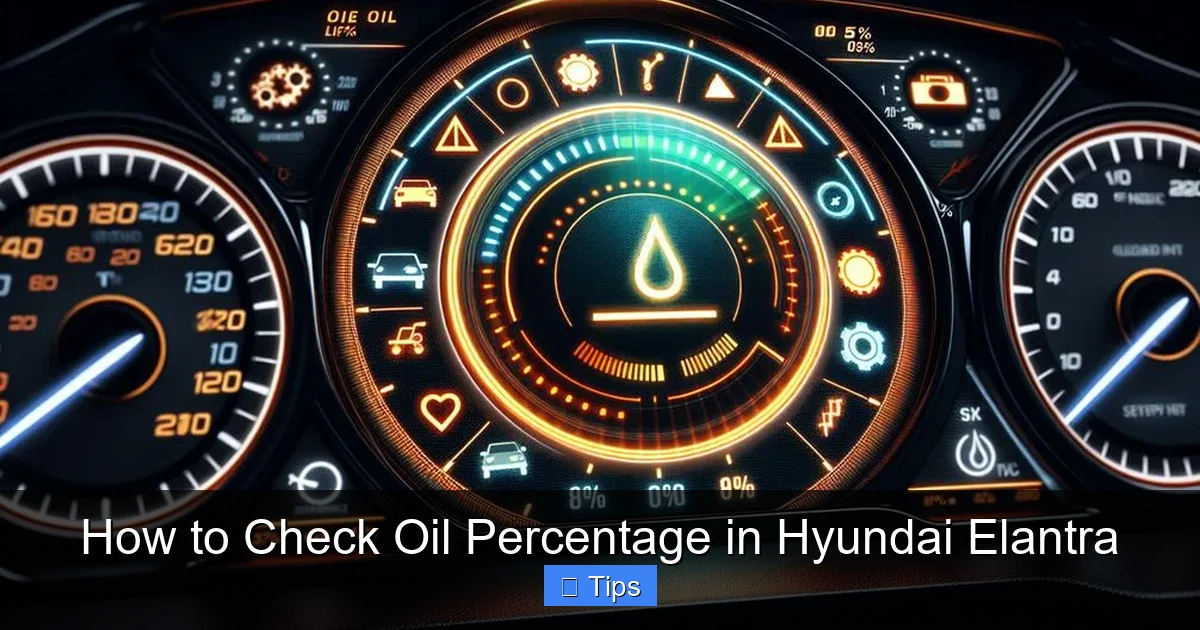
Most Hyundai Elantras from 2011 onward come equipped with an oil life monitoring system. This feature is built into the instrument cluster or infotainment screen, making it easy to check your oil percentage without popping the hood. Here’s how to access it step by step.
Visual guide about How to Check Oil Percentage in Hyundai Elantra
Image source: hyundaimaintenance.com
Step-by-Step Guide to Access Oil Life Monitor
Start by turning on your vehicle—you don’t need to start the engine, but the ignition should be in the “ON” position. Look at your instrument cluster. You’ll see a digital display with various icons and menus. Use the steering wheel controls (usually buttons on the left side) to navigate the menu. Scroll through the options until you find “Service” or “Vehicle Settings.”
Once you’re in the service menu, look for “Oil Life” or “Oil Life Remaining.” Press the “OK” or “Enter” button to view the percentage. It will display a number like “75%” or “15%,” indicating how much oil life is left. Some models may also show a color-coded bar—green for good, yellow for caution, red for urgent.
Understanding the Display
The oil percentage is usually shown as a whole number between 0% and 100%. A reading above 50% means your oil is still in great shape. Between 20% and 50%, you’re in the normal range, but start planning for an oil change soon. Below 20%, it’s time to schedule service. At 10% or less, Hyundai recommends changing the oil within the next few hundred miles.
Some Elantras also display a message like “Oil Life 15% – Schedule Service Soon” or “Oil Life 5% – Change Oil Now.” Pay attention to these alerts. They’re your car’s way of saying, “Hey, I need some attention!”
What If the Display Doesn’t Show Oil Percentage?
If you can’t find the oil life option, your Elantra might not have the monitoring system—especially if it’s an older model (pre-2011). In that case, you’ll need to rely on manual checks or follow the maintenance schedule in your owner’s manual. Also, if the battery has been disconnected or replaced, the system might need to be reset. Refer to your owner’s manual for reset instructions or visit a Hyundai dealer for assistance.
Manual Oil Check: Using the Dipstick Method
Even with a digital oil life monitor, it’s a good idea to occasionally check your oil manually. Why? Because the percentage doesn’t tell you the actual oil level. You could have low oil even if the percentage is high. Or, in rare cases, the sensor might malfunction. The dipstick method is a reliable backup.

Visual guide about How to Check Oil Percentage in Hyundai Elantra
Image source: hyundaimaintenance.com
When to Use the Dipstick
Use the dipstick if you notice warning lights (like the oil pressure light), hear unusual engine noises, or if you’re preparing for a long trip. It’s also smart to check it once a month as part of routine maintenance. This is especially important if you drive in harsh conditions—like extreme heat, cold, or dusty environments.
How to Check Oil Level with a Dipstick
Start by parking your Elantra on a level surface and turning off the engine. Wait about 5–10 minutes to let the oil settle in the oil pan. Open the hood and locate the dipstick—it usually has a bright yellow or orange handle labeled “Engine Oil.”
Pull the dipstick out and wipe it clean with a rag or paper towel. Reinsert it fully, then pull it out again. Look at the end of the dipstick. You’ll see two marks: “L” (Low) and “F” (Full), or sometimes “MIN” and “MAX.” The oil should be between these two marks. If it’s at or below “L,” you need to add oil.
What to Look For on the Dipstick
The oil should be amber or light brown and relatively clear. If it’s dark, gritty, or has a burnt smell, it’s time for a change—even if the percentage is still high. Also, check for metal flakes or coolant contamination (a milky appearance), which could indicate a serious problem.
If the oil level is low, add the recommended oil type slowly. Use a funnel to avoid spills. Check the level again after adding a small amount. Never overfill—too much oil can cause foaming and reduce lubrication.
Understanding Oil Types and Recommendations for Hyundai Elantra
Using the right oil is just as important as checking the oil percentage. Hyundai recommends specific oil types based on your Elantra’s engine and model year. Most modern Elantras use synthetic or synthetic blend oil, which offers better protection and longer life than conventional oil.

Visual guide about How to Check Oil Percentage in Hyundai Elantra
Image source: hyundaimaintenance.com
Recommended Oil Viscosity
For most Hyundai Elantras, the recommended oil viscosity is 5W-20 or 5W-30. The “W” stands for winter, indicating how the oil flows in cold temperatures. The first number (5) shows cold-weather performance, while the second number (20 or 30) indicates viscosity at operating temperature. Always check your owner’s manual for the exact specification.
For example, a 2020 Hyundai Elantra with a 2.0L engine typically uses 5W-20 synthetic oil. Using the wrong viscosity can affect engine performance, fuel economy, and even trigger warning lights.
Conventional vs. Synthetic Oil
Conventional oil is cheaper but breaks down faster. Synthetic oil is more expensive but offers superior protection, especially in extreme temperatures. Hyundai recommends synthetic or synthetic blend oil for most Elantras, especially if you drive in harsh conditions or tow heavy loads.
If you’re unsure, ask your mechanic or consult the owner’s manual. Some high-performance or turbocharged models may require full synthetic oil.
Oil Additives and Detergents
Modern engine oils contain additives that help clean the engine, prevent sludge, and reduce wear. These additives degrade over time, which is why oil needs to be changed—even if the level is fine. The oil life percentage accounts for this degradation, so don’t ignore it just because the dipstick looks okay.
How to Reset the Oil Life Monitor After an Oil Change
After changing your oil, you must reset the oil life monitor. If you don’t, the system will continue to show the old percentage, leading to confusion and potentially missed maintenance. Resetting is quick and easy—here’s how.
Resetting the Oil Life Monitor (Most Models)
Turn the ignition to the “ON” position (do not start the engine). Use the steering wheel controls to navigate to the “Service” or “Vehicle Settings” menu. Select “Oil Life” and then choose “Reset” or “Reset Oil Life.” Confirm the reset when prompted. The display should now show 100% oil life.
Alternative Reset Method (Older Models)
On some older Elantras, you may need to press and hold the trip odometer button while turning the ignition on. Keep holding until the oil life resets to 100%. Refer to your owner’s manual for model-specific instructions.
Why Resetting Is Important
Failing to reset the monitor means your car will keep counting down from the previous oil change. You might think you have 50% oil life left when you actually have 100%. This can lead to delayed oil changes and engine damage. Always reset after service—whether you do it yourself or go to a shop.
Tips for Maintaining Healthy Oil and Engine Performance
Checking oil percentage is just one part of engine care. To keep your Hyundai Elantra running smoothly, follow these best practices.
Follow the Maintenance Schedule
Hyundai recommends changing oil every 7,500 miles or 12 months under normal driving conditions. However, if you frequently drive in severe conditions—like stop-and-go traffic, extreme temperatures, or dusty roads—you may need to change it every 3,750 to 5,000 miles. Check your owner’s manual for details.
Use Genuine or High-Quality Oil Filters
The oil filter removes contaminants from the oil. A cheap or low-quality filter can clog quickly, reducing oil flow and engine protection. Always use a Hyundai-approved or high-quality aftermarket filter.
Monitor for Warning Signs
Watch for symptoms of oil problems: knocking sounds, reduced fuel economy, smoke from the exhaust, or the oil pressure warning light. These could indicate low oil, poor oil quality, or engine issues.
Keep Records
Track your oil changes, including date, mileage, and oil type. This helps you stay on schedule and can be useful when selling the car or diagnosing problems.
Don’t Ignore the Oil Life Monitor
Even if you prefer manual checks, trust the oil life system. It’s designed to give you accurate, personalized recommendations based on your driving habits.
Common Mistakes to Avoid When Checking Oil
Even experienced drivers make mistakes when checking oil. Here are some common pitfalls to avoid.
Checking Oil Immediately After Driving
Oil needs time to drain back into the oil pan. If you check it right after turning off the engine, the level will appear lower than it actually is. Always wait 5–10 minutes.
Overfilling the Oil
Adding too much oil can cause foaming, which reduces lubrication and increases pressure. This can damage seals and gaskets. Stick to the recommended level.
Ignoring the Oil Type
Using the wrong oil viscosity or type can harm your engine. Always follow Hyundai’s recommendations.
Skipping the Reset
Forgetting to reset the oil life monitor is a common error. Make it part of your oil change routine.
Relying Solely on the Dipstick
While the dipstick checks level, it doesn’t measure oil quality or life. Use both the dipstick and the oil life monitor for best results.
Conclusion
Checking the oil percentage in your Hyundai Elantra is a simple but essential task that can save you money, prevent engine damage, and keep your car running smoothly. Whether you use the onboard oil life monitor or the traditional dipstick method, staying on top of oil maintenance is key to long-term reliability.
Remember, oil percentage isn’t just about how much oil is in the engine—it’s about how well that oil is protecting your engine. By following the steps in this guide, using the right oil, and resetting the monitor after changes, you’ll ensure your Elantra stays in top condition for years to come. Make oil checks a regular part of your routine, and your car will thank you with better performance, better fuel economy, and fewer surprises on the road.
Frequently Asked Questions
How often should I check the oil percentage in my Hyundai Elantra?
You should check the oil percentage every month or before long trips. The system updates based on driving conditions, so regular checks help you stay ahead of maintenance needs.
Can I drive with 10% oil life remaining?
Yes, but only for a short time. Hyundai recommends changing the oil when the percentage reaches 10% or lower. Delaying too long can reduce engine protection and performance.
What happens if I don’t reset the oil life monitor?
The system will continue counting down from the previous oil change, giving inaccurate readings. This can lead to delayed oil changes and potential engine damage.
Is it safe to use conventional oil in a Hyundai Elantra?
It depends on the model and year. Most modern Elantras recommend synthetic or synthetic blend oil. Check your owner’s manual to be sure.
Why does my oil life percentage drop quickly?
Frequent short trips, extreme temperatures, towing, or aggressive driving can accelerate oil degradation. These conditions reduce oil life faster than normal highway driving.
Can I check oil percentage with the engine running?
No. Always check the oil life monitor with the ignition on but the engine off. For dipstick checks, the engine must be off and the oil must have settled.

At CarLegit, we believe information should be clear, factual, and genuinely helpful. That’s why every guide, review, and update on our website is created with care, research, and a strong focus on user experience.