
Checking the oil percentage in your 2022 Hyundai Tucson is quick and easy using the vehicle’s built-in oil life monitoring system. This guide walks you through the process, explains what the percentage means, and offers tips to maintain optimal engine health.
In This Article
- 1 Key Takeaways
- 2 📑 Table of Contents
- 3 How to Check Oil Percentage in Hyundai Tucson 2022
- 4 Understanding the Oil Life Monitoring System
- 5 Step-by-Step Guide to Checking Oil Percentage
- 6 When to Check Your Oil Percentage
- 7 Tips for Maintaining Healthy Engine Oil
- 8 Common Mistakes to Avoid
- 9 Conclusion
- 10 Frequently Asked Questions
- 10.1 How often should I check the oil percentage in my Hyundai Tucson 2022?
- 10.2 Can I check the oil percentage while the engine is running?
- 10.3 What does a 50% oil life percentage mean?
- 10.4 Will the oil life percentage reset automatically after an oil change?
- 10.5 Can I drive with 5% oil life?
- 10.6 Does the oil percentage measure oil level?
Key Takeaways
- Use the dashboard menu: Access the oil life percentage through the instrument cluster or infotainment screen.
- Oil percentage reflects remaining life: It estimates how much usable life is left based on driving conditions, not oil level.
- Check when the engine is cold: For accurate readings, check oil life after the vehicle has been off for at least 15 minutes.
- Follow the maintenance schedule: Hyundai recommends oil changes every 7,500 miles or 12 months under normal conditions.
- Don’t ignore low oil life warnings: When the percentage drops below 10%, schedule an oil change soon to protect your engine.
- Use genuine Hyundai oil and filters: This ensures compatibility and optimal performance of your Tucson’s engine.
- Monitor driving habits: Frequent short trips or extreme temperatures can reduce oil life faster.
📑 Table of Contents
How to Check Oil Percentage in Hyundai Tucson 2022
Owning a 2022 Hyundai Tucson means you’re driving one of the most reliable and feature-packed compact SUVs on the market. With its modern design, advanced safety systems, and fuel-efficient engine, the Tucson is built to deliver a smooth and comfortable ride. But like any vehicle, it needs regular maintenance to keep performing at its best—and one of the most important aspects of that maintenance is monitoring your engine oil.
You might be wondering: “How do I check the oil percentage in my Hyundai Tucson 2022?” Unlike older cars that require you to physically dip a stick into the engine, the 2022 Tucson uses a smart oil life monitoring system. This system calculates how much usable life remains in your engine oil based on your driving patterns, engine temperature, mileage, and other factors. The result is displayed as a percentage on your dashboard or infotainment screen.
In this guide, we’ll walk you through the simple steps to check your oil percentage, explain what that number really means, and share practical tips to keep your Tucson running smoothly for years to come. Whether you’re a new owner or just need a refresher, this article will give you everything you need to stay on top of your vehicle’s oil health.
Understanding the Oil Life Monitoring System
Visual guide about How to Check Oil Percentage in Hyundai Tucson 2022
Image source: hyundaimaintenance.com
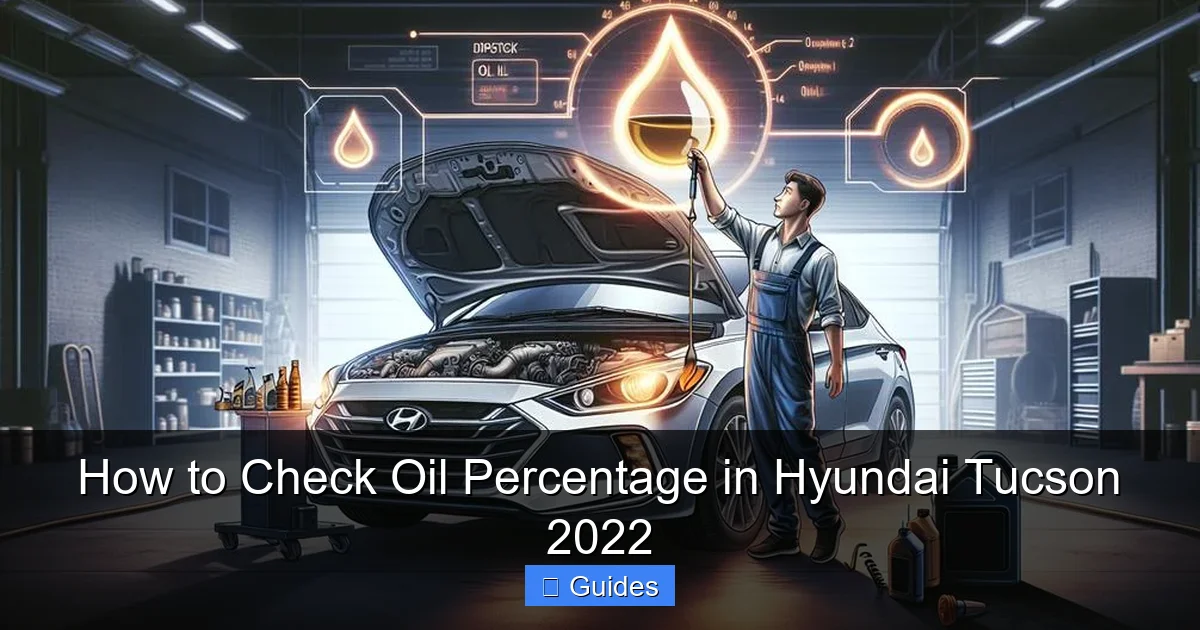
Before diving into the steps, it’s important to understand how the oil life monitoring system works in your 2022 Hyundai Tucson. Unlike traditional oil level checks that measure how much oil is in the engine, the oil life percentage estimates how much *usable life* remains in that oil.
This system uses a combination of sensors and algorithms to track your driving habits. For example, it monitors how often you take short trips (which don’t allow the engine to fully warm up), how long you drive at high speeds, and whether you frequently drive in stop-and-go traffic. It also considers ambient temperature—extreme heat or cold can degrade oil faster.
All this data is processed to give you a percentage that decreases over time. When you first get an oil change, the system resets to 100%. As you drive, the percentage drops. When it reaches around 10% to 15%, the system will typically trigger a maintenance reminder light on your dashboard.
It’s crucial to understand that this percentage is not the same as oil level. Your engine could still have plenty of oil in it, but the oil may no longer be effective at lubricating, cooling, and cleaning internal components. That’s why relying solely on the dipstick isn’t enough—modern engines need high-quality oil that’s chemically stable over time.
Why Oil Life Matters
Engine oil does more than just reduce friction between moving parts. It also helps cool the engine, prevents corrosion, and keeps contaminants suspended so they don’t clog critical components. Over time, oil breaks down due to heat, pressure, and contamination. Additives that protect the engine wear out, and the oil becomes less effective.
If you continue driving with degraded oil, you risk increased engine wear, reduced fuel efficiency, and even costly damage like sludge buildup or overheating. The oil life monitoring system helps you avoid these issues by alerting you when it’s time for a change—before problems start.
How the System Calculates Oil Life
Hyundai’s oil life monitoring system uses a predictive algorithm that considers several variables:
– **Mileage:** The more you drive, the faster oil degrades.
– **Engine runtime:** Frequent short trips prevent the engine from reaching optimal operating temperature, leading to fuel dilution and moisture buildup in the oil.
– **Driving conditions:** Towing, hauling heavy loads, or driving in dusty environments can accelerate oil breakdown.
– **Ambient temperature:** Extreme cold thickens oil, while extreme heat thins it and speeds up oxidation.
– **Engine load and RPM:** High-speed driving or aggressive acceleration increases stress on the oil.
All these factors are weighted and factored into the oil life calculation. This means two drivers with the same mileage might see different oil life percentages based on how they use their vehicles.
Step-by-Step Guide to Checking Oil Percentage
Visual guide about How to Check Oil Percentage in Hyundai Tucson 2022
Image source: hyundaimaintenance.com
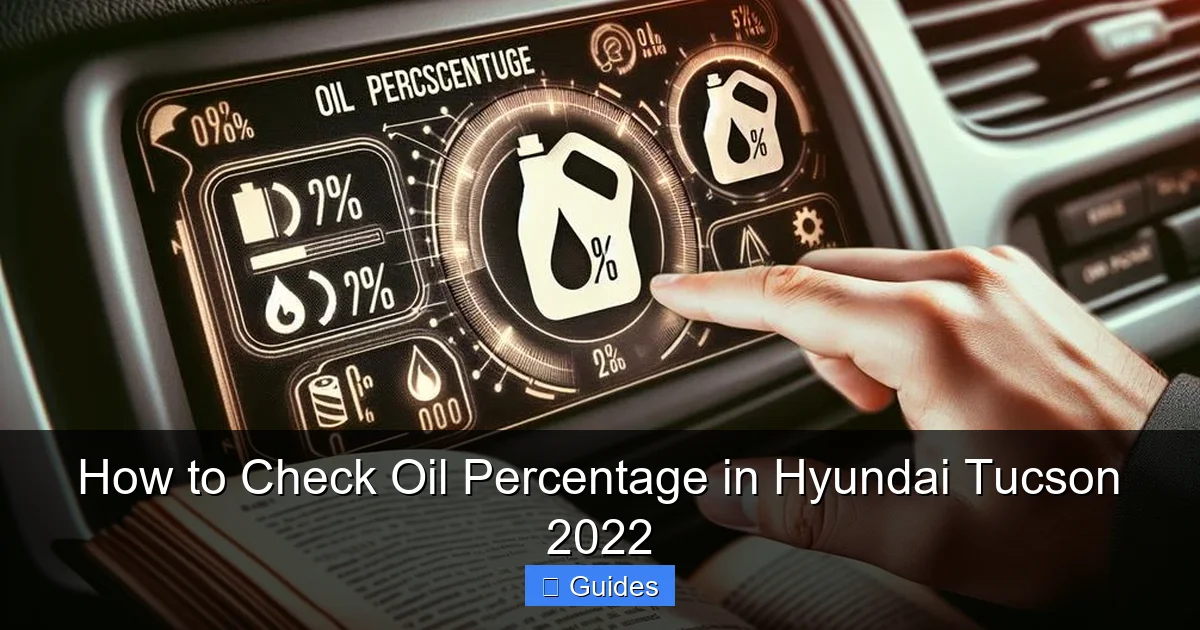
Now that you understand how the system works, let’s walk through the actual process of checking your oil percentage in the 2022 Hyundai Tucson. The steps are straightforward and can be completed in under a minute.
Step 1: Turn on the Ignition
Start by getting into your Tucson and turning the ignition to the “ON” position. You don’t need to start the engine—just press the start button without pressing the brake pedal. This will power up the dashboard and infotainment system.
Make sure the vehicle is parked on a level surface and the engine is off. For the most accurate reading, it’s best to check the oil percentage when the engine is cold, such as after the car has been sitting for at least 15 to 30 minutes. This ensures the oil has settled and the system isn’t influenced by recent engine heat.
Step 2: Access the Instrument Cluster Menu
Once the dashboard lights up, look at the instrument cluster behind the steering wheel. You’ll see a digital display with various icons and information.
Use the steering wheel controls—typically located on the left side—to navigate the menu. Press the “Menu” or “Info” button (the exact label may vary slightly depending on your trim level). Scroll through the options using the arrow buttons until you find “Service” or “Maintenance.”
Step 3: Select Oil Life or Maintenance
Within the Service or Maintenance menu, look for an option labeled “Oil Life,” “Engine Oil,” or “Oil Change.” Select it using the “OK” or “Enter” button.
The system will then display the current oil life percentage. For example, you might see “Oil Life: 65%.” This number represents the estimated remaining life of your engine oil based on the monitoring system’s calculations.
Step 4: Interpret the Reading
Once you see the percentage, take note of it. Here’s a quick guide to what different percentages mean:
– **80%–100%:** Your oil is in excellent condition. No action needed.
– **50%–79%:** Oil is still good, but start planning for your next oil change.
– **20%–49%:** Time to schedule an oil change soon. Consider doing it within the next few weeks.
– **10%–19%:** Oil change recommended immediately. The system may also trigger a warning light.
– **Below 10%:** Change your oil as soon as possible. Continuing to drive with very low oil life can harm your engine.
If the percentage is low, don’t panic—just make an appointment with your Hyundai dealer or a trusted mechanic. Most Tucson models use synthetic oil, which lasts longer than conventional oil, but it still needs to be replaced periodically.
Step 5: Reset the System After an Oil Change
After your oil change, it’s important to reset the oil life monitoring system so it starts tracking from 100% again. Here’s how:
1. Turn the ignition to the “ON” position (engine off).
2. Navigate to the “Service” or “Maintenance” menu using the steering wheel controls.
3. Select “Oil Life” or “Reset Oil Life.”
4. Confirm the reset when prompted.
Some models may require you to hold down a button for a few seconds or follow a specific sequence. If you’re unsure, consult your owner’s manual or ask your service technician to reset it for you.
When to Check Your Oil Percentage
Visual guide about How to Check Oil Percentage in Hyundai Tucson 2022
Image source: hyundaipartsdeal.com
While the oil life monitoring system does most of the work for you, it’s still a good idea to manually check your oil percentage periodically—especially if you notice changes in your driving habits or vehicle performance.
Recommended Check Frequency
Hyundai recommends checking your oil life percentage every few weeks or at least once a month. This helps you stay ahead of maintenance and avoid unexpected warnings.
If you’re planning a long road trip, it’s wise to check the oil life before you leave. Similarly, if you’ve been driving in extreme conditions—such as very hot or cold weather, towing a trailer, or driving on dusty roads—check the percentage more frequently. These conditions can accelerate oil degradation.
Signs You Should Check Immediately
Even with the monitoring system, pay attention to your vehicle’s behavior. If you notice any of the following, check your oil percentage right away:
– The “Check Engine” or “Maintenance Required” light comes on.
– Your engine sounds louder or rougher than usual.
– You notice a drop in fuel efficiency.
– There’s a burning smell or smoke from the engine.
– The oil appears dark, gritty, or smells burnt when you check the dipstick.
These could be signs that your oil is no longer performing properly—even if the percentage hasn’t dropped to zero.
Tips for Maintaining Healthy Engine Oil
Checking your oil percentage is just one part of engine care. To get the most out of your Hyundai Tucson’s engine, follow these best practices for oil maintenance.
Use the Right Oil
The 2022 Hyundai Tucson is designed to use synthetic engine oil. Hyundai recommends using oil that meets the API SN or SP standard and has a viscosity of 0W-20. This thin, high-quality oil flows easily in cold weather and provides excellent protection at high temperatures.
Always use oil that’s labeled “For Gasoline Engines” and avoid mixing different types or brands unless specified by your technician. Using the wrong oil can reduce performance and void your warranty.
Stick to the Maintenance Schedule
Under normal driving conditions, Hyundai recommends changing your oil every 7,500 miles or 12 months, whichever comes first. However, if you frequently drive in severe conditions—such as short trips, extreme temperatures, or dusty environments—you may need to change it every 3,750 to 5,000 miles.
Your owner’s manual includes a detailed maintenance schedule. Follow it closely to keep your Tucson in top condition.
Check the Oil Level Manually
While the oil life percentage tells you about oil quality, it doesn’t measure oil level. It’s still a good idea to check the dipstick occasionally to ensure you have enough oil.
To do this:
1. Park on a level surface and turn off the engine.
2. Wait 5–10 minutes for the oil to settle.
3. Pull out the dipstick, wipe it clean, reinsert it fully, then pull it out again.
4. Check the oil level—it should be between the “MIN” and “MAX” marks.
5. If it’s low, add the recommended oil type in small increments.
Never overfill the engine with oil. Too much oil can cause foaming, reduced lubrication, and engine damage.
Keep Records of Oil Changes
Maintain a log of your oil changes, including the date, mileage, and type of oil used. This helps you track your maintenance history and can be useful if you ever sell the vehicle or need to prove warranty compliance.
Many Hyundai owners use the MyHyundai app to schedule service and track maintenance. You can also ask your service center to stamp your manual or provide a receipt.
Common Mistakes to Avoid
Even experienced drivers can make mistakes when it comes to oil maintenance. Here are some common pitfalls to avoid:
Ignoring the Oil Life Percentage
Some drivers assume that as long as the oil level is fine, they don’t need to change it. But oil degrades over time, even if there’s plenty of it. Relying solely on the dipstick can lead to using old, ineffective oil.
Waiting Too Long for an Oil Change
When the oil life drops below 10%, don’t delay. While modern synthetic oils are durable, they’re not indestructible. Continuing to drive with degraded oil increases the risk of engine wear and damage.
Using the Wrong Oil Filter
Always use a genuine Hyundai oil filter or one that meets OEM specifications. Cheap or incompatible filters may not seal properly or could restrict oil flow, leading to engine problems.
Not Resetting the System
Forgetting to reset the oil life monitor after an oil change means the system will continue to show a low percentage, even with fresh oil. This can cause confusion and unnecessary concern.
Conclusion
Checking the oil percentage in your 2022 Hyundai Tucson is a simple but essential part of vehicle maintenance. With the built-in oil life monitoring system, you can easily track the condition of your engine oil and stay ahead of potential problems.
By following the steps outlined in this guide—turning on the ignition, navigating the menu, and interpreting the percentage—you can keep your Tucson running smoothly and efficiently. Remember to check the oil life regularly, use the right oil and filters, and follow Hyundai’s recommended maintenance schedule.
Taking care of your engine oil not only protects your vehicle but also saves you money in the long run by preventing costly repairs. So the next time you’re behind the wheel, take a moment to check that oil percentage. Your Tucson will thank you with reliable performance, better fuel economy, and years of trouble-free driving.
Frequently Asked Questions
How often should I check the oil percentage in my Hyundai Tucson 2022?
It’s a good idea to check the oil percentage every few weeks or at least once a month. This helps you stay on top of maintenance and avoid unexpected low oil life warnings.
Can I check the oil percentage while the engine is running?
No, for the most accurate reading, check the oil percentage when the engine is off and cold. This ensures the oil has settled and the system provides a reliable estimate.
What does a 50% oil life percentage mean?
A 50% oil life means your engine oil has about half of its usable life remaining. You don’t need to change it immediately, but start planning for your next oil change soon.
Will the oil life percentage reset automatically after an oil change?
No, you must manually reset the oil life monitoring system after an oil change. Use the steering wheel controls to navigate to the maintenance menu and confirm the reset.
Can I drive with 5% oil life?
You can drive for a short distance, but it’s not recommended. Change your oil as soon as possible to prevent engine damage from degraded oil.
Does the oil percentage measure oil level?
No, the oil percentage estimates oil *quality* and remaining life, not the physical amount of oil in the engine. Always check the dipstick to monitor oil level separately.

At CarLegit, we believe information should be clear, factual, and genuinely helpful. That’s why every guide, review, and update on our website is created with care, research, and a strong focus on user experience.