
Checking tire pressure on your 2019 Honda Civic is quick, easy, and essential for safety and performance. With built-in TPMS and simple manual methods, you can ensure optimal tire health in minutes—no mechanic needed.
In This Article
- 1 Key Takeaways
- 2 📑 Table of Contents
- 3 Why Checking Tire Pressure Matters for Your 2019 Honda Civic
- 4 Understanding the 2019 Honda Civic’s Tire Pressure Monitoring System (TPMS)
- 5 When and How Often Should You Check Tire Pressure?
- 6 Step-by-Step Guide: How to Check Tire Pressure on a 2019 Honda Civic
- 7 Tips for Maintaining Proper Tire Pressure
- 8 Common Mistakes to Avoid
- 9 Conclusion: Stay Safe, Save Money, and Drive Confidently
- 10 Frequently Asked Questions
- 10.1 What is the recommended tire pressure for a 2019 Honda Civic?
- 10.2 Can I rely only on the TPMS light to know if my tires need air?
- 10.3 How often should I check my tire pressure?
- 10.4 What should I do if the TPMS light stays on after inflating my tires?
- 10.5 Is it okay to overinflate tires for better fuel economy?
- 10.6 Do I need to check the spare tire?
Key Takeaways
- Use the TPMS dashboard light: The 2019 Honda Civic has a Tire Pressure Monitoring System that alerts you when pressure is low.
- Check when tires are cold: Always measure tire pressure before driving or after the car has sat for at least 3 hours for accurate readings.
- Recommended PSI is 32–35: Refer to the driver’s side door jamb sticker for the exact recommended pressure for your specific trim.
- Manual gauges are reliable: A quality digital or analog tire gauge gives precise readings and works even if TPMS fails.
- Inspect tires visually: Look for uneven wear, cracks, or bulges while checking pressure to catch issues early.
- Adjust seasonally: Tire pressure drops in cold weather—check more often in winter to maintain safety and efficiency.
- Don’t overinflate: Too much air reduces traction and increases wear in the center of the tread.
📑 Table of Contents
- Why Checking Tire Pressure Matters for Your 2019 Honda Civic
- Understanding the 2019 Honda Civic’s Tire Pressure Monitoring System (TPMS)
- When and How Often Should You Check Tire Pressure?
- Step-by-Step Guide: How to Check Tire Pressure on a 2019 Honda Civic
- Tips for Maintaining Proper Tire Pressure
- Common Mistakes to Avoid
- Conclusion: Stay Safe, Save Money, and Drive Confidently
Why Checking Tire Pressure Matters for Your 2019 Honda Civic
Your 2019 Honda Civic is engineered for efficiency, comfort, and safety—but all of that depends on one often-overlooked factor: proper tire pressure. Whether you’re commuting to work, taking a weekend road trip, or just running errands around town, your tires are the only part of your car that touches the road. That means they play a huge role in how your Civic handles, brakes, and even how much fuel it uses.
Underinflated tires create more rolling resistance, which forces your engine to work harder and burns more gas. Overinflated tires, on the other hand, reduce the contact patch with the road, leading to less grip and a harsher ride. Both scenarios can also cause uneven tire wear, shortening the life of your tires and costing you money down the line. Worse yet, incorrect tire pressure increases the risk of blowouts, especially at high speeds or in hot weather.
The good news? Checking tire pressure on your 2019 Honda Civic is simple, takes less than five minutes, and can be done with tools you likely already have at home. With the Civic’s advanced Tire Pressure Monitoring System (TPMS) and easy access to tire valves, you don’t need to be a mechanic to keep your car running safely and efficiently. In this guide, we’ll walk you through everything you need to know—from understanding your TPMS to using a manual gauge like a pro.
Understanding the 2019 Honda Civic’s Tire Pressure Monitoring System (TPMS)
Visual guide about How to Check Tire Pressure on Honda Civic 2019
Image source: artsautomotive.com
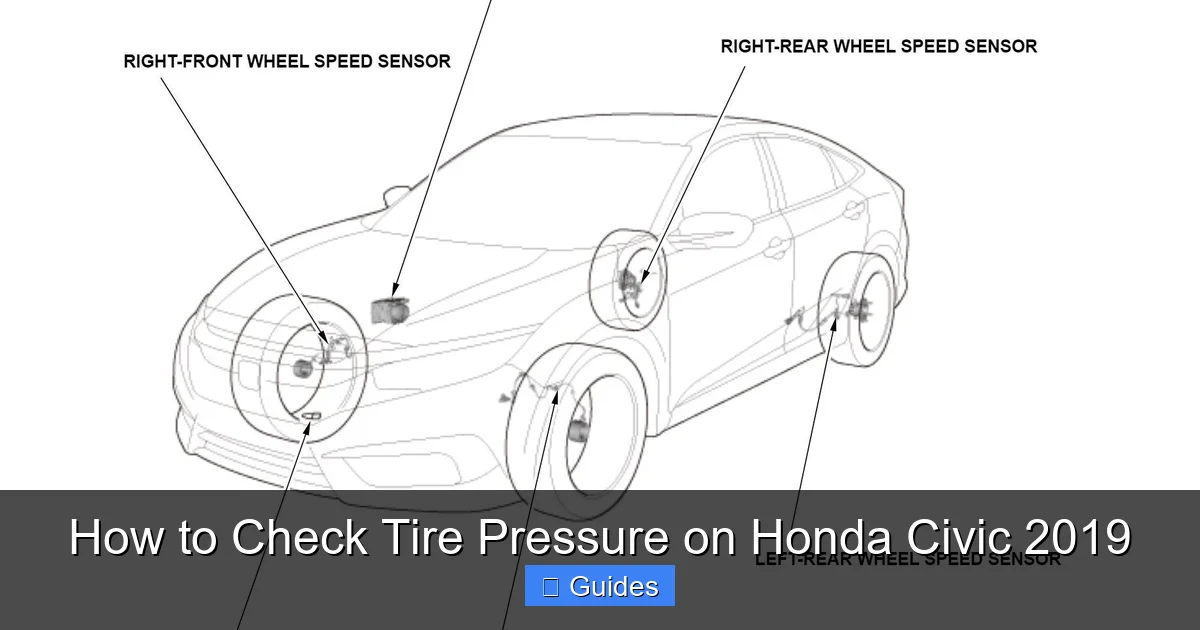
One of the standout features of the 2019 Honda Civic is its standard Tire Pressure Monitoring System, or TPMS. This system continuously monitors the air pressure in all four tires and alerts you if any drop below a safe threshold. When the TPMS detects low pressure, a warning light—usually shaped like a flat tire with an exclamation point—appears on your dashboard.
But here’s the catch: the TPMS is designed to alert you when pressure is significantly low, not to give you precise readings. It’s a helpful safety net, but it shouldn’t replace regular manual checks. Think of it like a smoke detector—it tells you there’s a problem, but you still need to investigate and fix it.
The 2019 Civic uses a direct TPMS, which means each tire has a sensor inside that measures pressure and sends real-time data to the car’s computer. These sensors are battery-powered and typically last 5–10 years, but they can fail over time. If your TPMS light comes on and stays on, it could mean a sensor is malfunctioning—or that you truly have low pressure.
How the TPMS Light Works
When you start your Civic, the TPMS light may flash for a few seconds and then turn off. This is normal—it’s just the system performing a self-check. If the light stays on or comes on while driving, it means one or more tires are underinflated by about 25% or more below the recommended level.
If the light flashes for about a minute and then stays on, it could indicate a system malfunction. In that case, you should have the TPMS checked by a professional. But in most cases, a steady TPMS light means it’s time to check your tire pressure manually.
Limitations of the TPMS
While the TPMS is a great tool, it has limitations. It doesn’t tell you the exact PSI in each tire, nor does it alert you to overinflation. It also won’t detect slow leaks or gradual pressure loss until it reaches a critical point. That’s why experts recommend checking your tire pressure manually at least once a month—even if the TPMS light isn’t on.
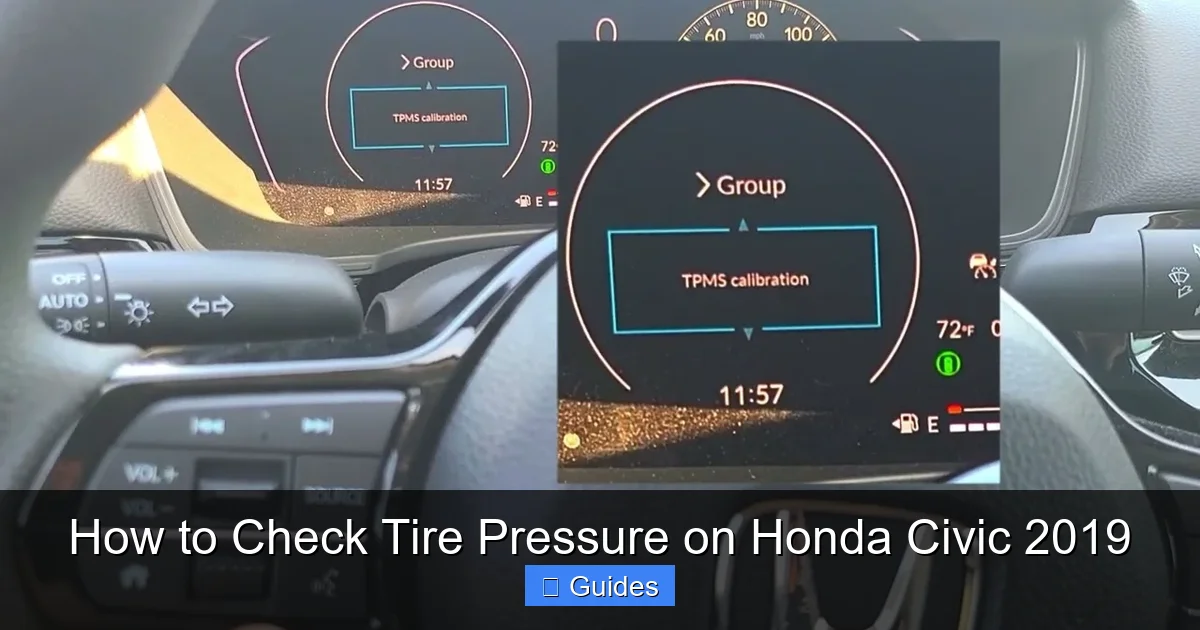
Additionally, if you’ve recently rotated your tires or replaced one, the TPMS may need to be reset. The 2019 Civic has a TPMS reset button located under the steering column, near the fuse box. You’ll need to press and hold it until the light blinks twice, indicating the system has recalibrated.
When and How Often Should You Check Tire Pressure?
Visual guide about How to Check Tire Pressure on Honda Civic 2019
Image source: carnewsbox.com
Now that you know how the TPMS works, let’s talk timing. When and how often you check your tire pressure can make a big difference in accuracy and safety.
The best time to check tire pressure is when your tires are “cold”—meaning the car hasn’t been driven for at least three hours, or hasn’t been driven more than a mile at low speed. Why? Because driving heats up the tires, which increases the air pressure inside. If you check pressure right after a drive, you’ll get a falsely high reading, which could lead you to underinflate the tires when you adjust them.
For most drivers, checking tire pressure once a month is a good rule of thumb. But if you live in an area with extreme temperature changes—like cold winters or hot summers—you may want to check it more often. Air contracts in cold weather and expands in heat, so a drop of 10°F in temperature can reduce tire pressure by about 1 PSI.
Seasonal Considerations
Winter is especially tough on tire pressure. As temperatures drop, so does the air inside your tires. If you notice your TPMS light comes on more often in winter, it’s likely due to the cold—not a leak. That’s why many drivers find themselves adding air more frequently during colder months.
Conversely, in summer, high temperatures can cause pressure to rise. While this is less of a concern than underinflation, overinflated tires can still be dangerous. They’re more prone to blowouts on hot roads and offer less traction, especially in wet conditions.
After Tire Maintenance
Always check tire pressure after any tire-related service, such as rotations, alignments, or repairs. Mechanics often adjust pressure during these services, but it’s smart to double-check when you get home. Also, if you’ve recently replaced a tire or had a flat repaired, make sure the new tire is inflated to the correct level.
Step-by-Step Guide: How to Check Tire Pressure on a 2019 Honda Civic
Visual guide about How to Check Tire Pressure on Honda Civic 2019
Image source: hondatheotherside.com
Ready to check your tire pressure like a pro? Follow these simple steps, and you’ll be done in under five minutes.
Gather Your Tools
You don’t need much—just a reliable tire pressure gauge. You can choose between a digital gauge (more accurate and easier to read) or an analog (dial-style) gauge. Both work well, but digital models are less prone to wear and tear. You can find a good one at any auto parts store for under $15.
You’ll also need access to an air compressor if you need to add air. Many gas stations have public air pumps with built-in gauges, but it’s better to use your own gauge for accuracy. Some pumps’ gauges can be off by several PSI.
Locate the Recommended PSI
Before you start, find the correct tire pressure for your 2019 Honda Civic. This isn’t the number printed on the tire sidewall—that’s the maximum pressure the tire can handle, not what your car needs.
Instead, look for a sticker on the driver’s side door jamb. Open the door and check the area where the door latches. You’ll see a label with tire size, load index, and the recommended cold tire pressure. For most 2019 Civic models, this is between 32 and 35 PSI, but it can vary slightly depending on the trim and tire size.
For example, a Civic LX with 16-inch wheels typically uses 32 PSI, while a Sport or EX with 17-inch wheels may require 33 or 35 PSI. Always use the number on the door jamb—not the tire sidewall.
Check Each Tire
Now it’s time to check each tire. Start with the front driver’s side and work your way around the car.
1. Remove the valve cap from the tire’s valve stem. Keep it in a safe place—don’t lose it!
2. Press the tire gauge firmly onto the valve stem. You’ll hear a brief hiss of air—that’s normal.
3. Read the pressure on the gauge. If using a digital gauge, the number will appear on the screen. For analog, check where the needle points.
4. Compare the reading to the recommended PSI on the door jamb sticker.
5. If the pressure is too low, add air using an air compressor. Recheck after adding air.
6. If the pressure is too high, press the center pin in the valve stem to release a small amount of air. Recheck until it’s correct.
7. Replace the valve cap securely.
Repeat this process for all four tires. Don’t forget the spare tire if your Civic came with one—it’s easy to overlook, but a flat spare is no help in an emergency.
Using the TPMS Reset Button (If Needed)
After adjusting your tire pressure, your TPMS light should turn off on its own within a few minutes of driving. But if it stays on, you may need to reset the system.
To do this:
1. Turn the ignition to the “ON” position (don’t start the engine).
2. Locate the TPMS reset button under the steering column, near the fuse box. It’s usually labeled “TPMS” or has a tire icon.
3. Press and hold the button until the TPMS light blinks twice.
4. Release the button. The system will recalibrate and the light should turn off after driving a short distance.
If the light comes back on, double-check your tire pressure or have a mechanic inspect the sensors.
Tips for Maintaining Proper Tire Pressure
Checking tire pressure is one thing—keeping it consistent is another. Here are some practical tips to help you maintain optimal pressure and extend the life of your tires.
Invest in a Quality Gauge
Not all tire gauges are created equal. Cheap models can lose accuracy over time. Spend a few extra dollars on a digital gauge with a backlit display and easy-to-read numbers. Some even have built-in flashlights or air release buttons for fine-tuning pressure.
Check Before Long Trips
Before hitting the road for a long drive, always check your tire pressure. Highway speeds and extended driving generate more heat, which can increase pressure and stress underinflated tires. Properly inflated tires also improve fuel economy and reduce the risk of blowouts.
Monitor Tire Wear
While checking pressure, take a moment to inspect your tires visually. Look for signs of uneven wear, such as:
– Center wear (indicates overinflation)
– Edge wear (indicates underinflation)
– Cupping or scalloping (could mean alignment or suspension issues)
– Cracks, bulges, or punctures
If you notice any of these, it’s time to visit a tire professional.
Keep a Log
Consider keeping a simple log of your tire pressure checks. Note the date, outside temperature, and PSI for each tire. This helps you spot trends—like a slow leak or seasonal changes—and ensures you’re staying consistent.
Don’t Rely Solely on TPMS
As mentioned earlier, the TPMS is a warning system, not a precision tool. Make it a habit to check pressure manually every month, even if the light isn’t on. It’s a small effort that pays big dividends in safety and savings.
Common Mistakes to Avoid
Even experienced drivers make mistakes when checking tire pressure. Here are a few to watch out for:
Checking Hot Tires
One of the most common errors is checking pressure right after driving. As tires heat up, the air inside expands, giving a falsely high reading. Always wait until tires are cold for the most accurate measurement.
Ignoring the Spare Tire
Many people forget the spare. But if you ever need it, you want it fully inflated and ready to go. Check it at least twice a year.
Using the Wrong PSI
Never use the number on the tire sidewall. That’s the maximum pressure, not the recommended level. Always refer to the door jamb sticker.
Overinflating to “Improve” Fuel Economy
Some drivers think inflating tires beyond the recommended PSI will save gas. While slightly higher pressure can reduce rolling resistance, overinflation reduces traction, increases wear, and makes the ride harsher. Stick to the manufacturer’s recommendation.
Not Replacing Valve Caps
Valve caps may seem trivial, but they keep dirt and moisture out of the valve stem. A missing cap can lead to slow leaks over time.
Conclusion: Stay Safe, Save Money, and Drive Confidently
Checking tire pressure on your 2019 Honda Civic isn’t just a maintenance task—it’s a smart habit that protects your safety, your wallet, and your car’s performance. With the Civic’s advanced TPMS and straightforward design, there’s no excuse not to stay on top of it.
By checking your tires monthly, using the correct PSI, and avoiding common mistakes, you’ll enjoy better fuel economy, longer tire life, and a smoother, safer ride. Plus, you’ll reduce the risk of unexpected flats or blowouts, especially on long drives or in extreme weather.
Remember, your tires are your car’s foundation. Treat them well, and they’ll take you wherever you need to go—reliably and efficiently. So grab that gauge, check those tires, and drive with confidence. Your 2019 Honda Civic will thank you.
Frequently Asked Questions
What is the recommended tire pressure for a 2019 Honda Civic?
The recommended tire pressure for a 2019 Honda Civic is typically between 32 and 35 PSI, depending on the trim and tire size. Always check the sticker on the driver’s side door jamb for the exact number.
Can I rely only on the TPMS light to know if my tires need air?
No, the TPMS only alerts you when pressure is significantly low. It doesn’t provide exact readings or detect overinflation. Manual checks are still necessary for accuracy.
How often should I check my tire pressure?
Check your tire pressure at least once a month, and always before long trips. In cold weather, consider checking it more often due to temperature-related pressure drops.
What should I do if the TPMS light stays on after inflating my tires?
Try resetting the TPMS using the reset button under the steering column. If the light remains on, there may be a sensor issue or a persistent leak—have it inspected by a professional.
Is it okay to overinflate tires for better fuel economy?
No, overinflating reduces traction, increases center tread wear, and makes the ride harsher. Stick to the recommended PSI for optimal safety and performance.
Do I need to check the spare tire?
Yes, the spare tire should be checked at least twice a year. A flat spare is useless in an emergency, so keep it properly inflated and ready to use.

At CarLegit, we believe information should be clear, factual, and genuinely helpful. That’s why every guide, review, and update on our website is created with care, research, and a strong focus on user experience.