
Checking tire pressure on your Nissan Altima is essential for safety, fuel efficiency, and tire longevity. This guide walks you through every step—from using the TPMS to manual checks—so you can maintain optimal pressure year-round.
In This Article
- 1 Key Takeaways
- 2 📑 Table of Contents
- 3 Why Checking Tire Pressure on Your Nissan Altima Matters
- 4 Understanding Your Nissan Altima’s Tire Pressure Monitoring System (TPMS)
- 5 Finding the Correct Tire Pressure for Your Nissan Altima
- 6 Tools You’ll Need to Check Tire Pressure
- 7 Step-by-Step Guide: How to Check Tire Pressure on a Nissan Altima
- 8 Common Mistakes to Avoid When Checking Tire Pressure
- 9 Maintaining Proper Tire Pressure Year-Round
- 10 Conclusion
- 11 Frequently Asked Questions
- 11.1 How often should I check the tire pressure on my Nissan Altima?
- 11.2 Can I rely solely on the TPMS light to know if my tires are low?
- 11.3 What PSI should my Nissan Altima tires be?
- 11.4 Is it okay to add air when the tires are warm?
- 11.5 Do I need to reset the TPMS after inflating my tires?
- 11.6 Can I use a gas station air pump to check tire pressure?
Key Takeaways
- Use the TPMS dashboard light: The Nissan Altima has a built-in Tire Pressure Monitoring System that alerts you when pressure is low.
- Check pressure when tires are cold: For accurate readings, measure tire pressure before driving or after the car has been parked for at least 3 hours.
- Find the recommended PSI: Look on the driver’s side door jamb sticker—not the tire sidewall—for the correct pressure for your Altima’s tires.
- Use a reliable tire gauge: Digital or analog gauges work, but avoid guessing by “kicking” the tire or relying solely on visual inspection.
- Adjust pressure seasonally: Tire pressure drops in cold weather and rises in heat—check monthly, especially during seasonal changes.
- Don’t forget the spare: If your Altima comes with a spare tire, include it in your routine checks to avoid surprises.
- Relearn TPMS after adjustments: Some models require a TPMS reset after inflating tires—follow the owner’s manual instructions.
📑 Table of Contents
- Why Checking Tire Pressure on Your Nissan Altima Matters
- Understanding Your Nissan Altima’s Tire Pressure Monitoring System (TPMS)
- Finding the Correct Tire Pressure for Your Nissan Altima
- Tools You’ll Need to Check Tire Pressure
- Step-by-Step Guide: How to Check Tire Pressure on a Nissan Altima
- Common Mistakes to Avoid When Checking Tire Pressure
- Maintaining Proper Tire Pressure Year-Round
- Conclusion
Why Checking Tire Pressure on Your Nissan Altima Matters
You might think your tires look fine just by glancing at them—but looks can be deceiving. Underinflated or overinflated tires are a silent hazard that can affect your Nissan Altima’s performance, safety, and fuel economy. Whether you’re commuting to work, taking a weekend road trip, or just running errands, proper tire pressure ensures your car handles smoothly, brakes effectively, and wears evenly.
The good news? Checking tire pressure on a Nissan Altima is simple, quick, and something you can do yourself in under 10 minutes. With the right tools and a little know-how, you’ll save money on gas, extend the life of your tires, and reduce the risk of blowouts or accidents. Plus, your Altima comes equipped with helpful technology like the Tire Pressure Monitoring System (TPMS) to make the process even easier.
In this guide, we’ll walk you through everything you need to know—from understanding your car’s TPMS to manually checking each tire with a gauge. Whether you’re a first-time driver or a seasoned Altima owner, this step-by-step breakdown will help you keep your tires in top shape year-round.
Understanding Your Nissan Altima’s Tire Pressure Monitoring System (TPMS)
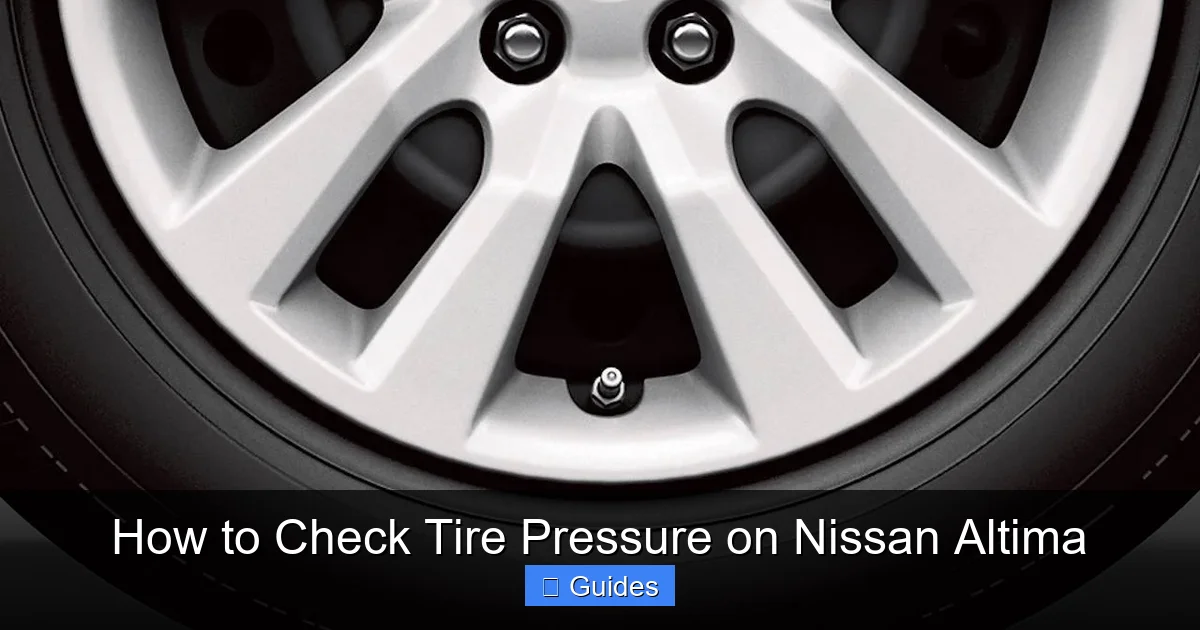
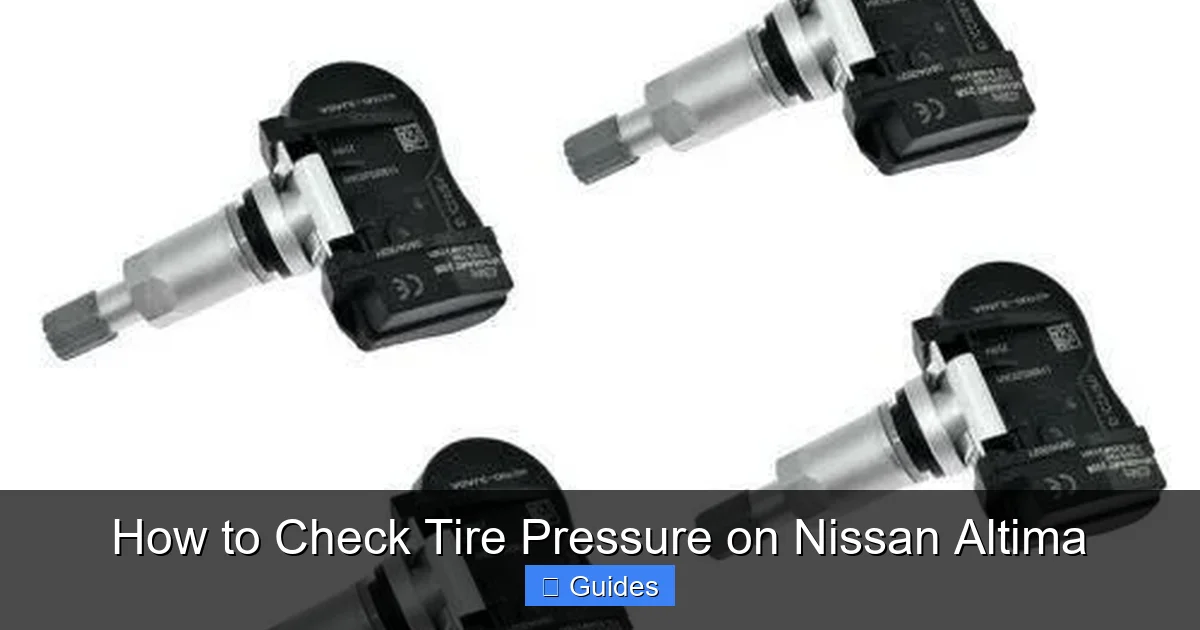
Most modern Nissan Altimas, especially models from 2007 onward, come equipped with a Tire Pressure Monitoring System (TPMS). This system uses sensors inside each tire (or in the valve stem) to monitor air pressure and send real-time data to your dashboard. If one or more tires drop below the recommended pressure—usually by 25% or more—a warning light will appear on your instrument cluster.
Visual guide about How to Check Tire Pressure on Nissan Altima
Image source: i.ytimg.com
How the TPMS Warning Light Works
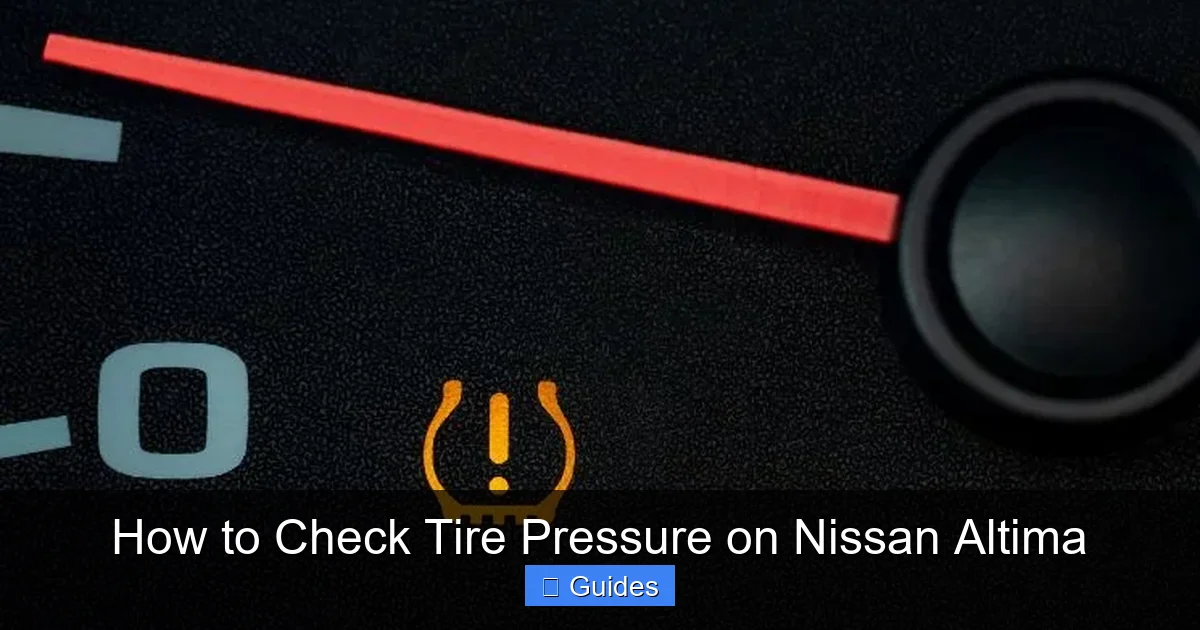
The TPMS light looks like a flat tire with an exclamation point inside it (🚨). When it illuminates, it means at least one tire is significantly underinflated. However, the light doesn’t tell you which tire or how low the pressure is—so you’ll still need to check each tire manually. In some cases, the light may flash for a minute and then stay on, which could indicate a sensor malfunction rather than low pressure.
Limitations of the TPMS
While the TPMS is a great safety feature, it’s not a replacement for regular manual checks. The system only alerts you after pressure has dropped significantly, which means your tires could already be underinflated for days or weeks. Also, TPMS sensors can fail over time due to battery depletion (typically after 5–10 years) or damage from potholes or tire repairs. That’s why it’s crucial to check tire pressure manually at least once a month.
When to Trust the TPMS—and When Not To
Use the TPMS as an early warning system, not a maintenance tool. If the light comes on, don’t wait—pull over safely and check all four tires (and the spare, if applicable). On the other hand, if the light is off, don’t assume everything is perfect. Temperature changes, slow leaks, or gradual air loss can still affect your tires without triggering the warning.
Finding the Correct Tire Pressure for Your Nissan Altima
One of the most common mistakes drivers make is using the maximum pressure listed on the tire sidewall. That number isn’t meant for everyday driving—it’s the tire’s maximum safe pressure under load. For your Nissan Altima, the correct pressure is determined by Nissan and based on the vehicle’s weight, handling, and safety standards.
Visual guide about How to Check Tire Pressure on Nissan Altima
Image source: i.ebayimg.com
Where to Find the Recommended PSI
The official tire pressure for your Altima is printed on a sticker located on the driver’s side door jamb. Open the door and look for a white or yellow label near the latch. It will list the recommended pressure for both front and rear tires, usually in PSI (pounds per square inch). For most Altimas, this ranges from 32 to 35 PSI, but it can vary depending on the model year, trim level, and tire size.
Example: 2023 Nissan Altima SR
Let’s say you drive a 2023 Nissan Altima SR with 19-inch wheels. The door jamb sticker might recommend 35 PSI for all four tires. This is the cold pressure—meaning the tires haven’t been driven on for at least three hours. Always use this number, not the “Max Pressure” on the tire sidewall, which could be 44 PSI or higher.
Why the Door Jamb Sticker Matters
Nissan engineers design the Altima’s suspension and braking systems around specific tire pressures. Using the wrong PSI can lead to poor handling, increased stopping distances, and uneven tire wear. For example, overinflated tires may cause a harsh ride and wear out the center tread faster, while underinflated tires can overheat and wear on the edges.
Seasonal Adjustments
Tire pressure fluctuates with temperature. For every 10°F drop in temperature, tire pressure decreases by about 1 PSI. That means in winter, your tires could lose 3–5 PSI without you noticing. Conversely, summer heat can increase pressure. Check your tires monthly and adjust as needed—especially before long trips or extreme weather.
Tools You’ll Need to Check Tire Pressure
You don’t need a mechanic or fancy equipment to check your Altima’s tire pressure. With a few basic tools, you can do it yourself at home, at a gas station, or even on the road.
Visual guide about How to Check Tire Pressure on Nissan Altima
Image source: nissannationpodcast.com
Tire Pressure Gauge
The most important tool is a reliable tire pressure gauge. There are two main types:
- Analog (dial) gauges: These have a needle that moves across a numbered dial. They’re durable and don’t require batteries, but can be harder to read accurately.
- Digital gauges: These display the pressure on an LCD screen. They’re easy to read, often more precise, and some have backlights for nighttime use. Many also feature a built-in air release button for fine-tuning pressure.
For most drivers, a digital gauge is the best choice. Look for one with a range of 0–60 PSI and an accuracy of ±1 PSI. Popular brands like Accutire, Michelin, and AstroAI offer affordable, high-quality options under $20.
Air Compressor
If you find that your tires are low, you’ll need a way to add air. Many gas stations have public air pumps with built-in gauges, but these can be inaccurate or worn out. For convenience and precision, consider buying a portable 12V air compressor that plugs into your car’s cigarette lighter. These compact devices can inflate a flat tire in minutes and often come with their own pressure gauges.
Valve Stem Tool (Optional)
If your Altima has TPMS sensors, the valve stems may have a special cap to prevent tampering. A valve stem tool can help you remove and replace these caps easily. While not essential, it’s a handy addition if you plan to check your tires frequently.
Owner’s Manual
Your Nissan Altima’s owner’s manual contains specific instructions for TPMS reset procedures and recommended maintenance schedules. Keep it handy—or download a digital copy from Nissan’s website—for quick reference.
Step-by-Step Guide: How to Check Tire Pressure on a Nissan Altima
Now that you have the right tools and know the correct pressure, it’s time to check your tires. Follow these steps for accurate, safe results.
Step 1: Park on a Level Surface
Find a flat, level area like a driveway or parking lot. Turn off the engine and engage the parking brake. This ensures stability and safety while you work.
Step 2: Let the Tires Cool Down
For the most accurate reading, check tire pressure when the tires are cold. That means the car hasn’t been driven for at least 3 hours—or no more than 1–2 miles at low speed. Driving heats up the tires, increasing pressure and giving a false high reading.
Step 3: Locate the Valve Stem
Each tire has a small rubber valve stem near the rim. It looks like a tiny metal post with a cap on top. Remove the cap by twisting it counterclockwise. Keep it in a safe place—like your pocket or glove box—so you don’t lose it.
Step 4: Use the Tire Gauge
Press the tire gauge firmly onto the valve stem. You’ll hear a brief hiss of air—that’s normal. Hold it steady until the reading stabilizes. On a digital gauge, the number will appear on the screen. On an analog gauge, note where the needle points.
Step 5: Compare to Recommended PSI
Check the reading against the number on your door jamb sticker. If it’s lower than recommended, you’ll need to add air. If it’s higher, you can release some air by pressing the gauge’s release button (if it has one) or using a small tool to press the pin inside the valve stem.
Step 6: Inflate or Deflate as Needed
If a tire is low, use an air compressor to add air in short bursts. Recheck the pressure after each addition to avoid overinflation. If a tire is overinflated, release air slowly until you reach the correct PSI.
Step 7: Replace the Valve Cap
Once all tires are at the correct pressure, screw the valve caps back on tightly. This prevents dirt and moisture from entering the valve and causing leaks.
Step 8: Reset the TPMS (If Needed)
Some Nissan Altimas require a TPMS reset after adjusting tire pressure. This is usually done by turning the ignition to “ON” (without starting the engine), pressing and holding the TPMS reset button (often located under the steering column), and waiting for the light to flash. Refer to your owner’s manual for model-specific instructions.
Common Mistakes to Avoid When Checking Tire Pressure
Even simple tasks can go wrong if you’re not careful. Here are some common pitfalls and how to avoid them.
Checking Hot Tires
One of the biggest mistakes is checking tire pressure right after driving. Heat expands air, so your reading will be artificially high. Always wait until the tires are cold—or drive very slowly to a nearby station if you must check immediately.
Using the Wrong PSI
Never use the maximum pressure on the tire sidewall. That’s not for everyday driving. Always follow the door jamb sticker. If you’ve recently changed tire sizes or upgraded wheels, double-check with Nissan or a tire professional to confirm the correct pressure.
Ignoring the Spare Tire
Many drivers forget the spare. If your Altima has a full-size spare (common on older models), check it monthly. A flat spare won’t help you in an emergency.
Relying Only on the TPMS Light
The TPMS won’t alert you to gradual air loss or minor underinflation. Make manual checks part of your routine—ideally every 30 days or before long trips.
Using a Worn or Inaccurate Gauge
Old or cheap gauges can give false readings. Test your gauge by comparing it to a known accurate one (like at a tire shop). Replace it every few years or if it’s dropped or damaged.
Overinflating to “Be Safe”
Some drivers think more air equals better performance. But overinflated tires reduce traction, wear unevenly, and can lead to blowouts. Stick to the recommended PSI.
Maintaining Proper Tire Pressure Year-Round
Keeping your Altima’s tires properly inflated isn’t a one-time task—it’s an ongoing habit. Here’s how to stay on top of it.
Monthly Checks
Set a reminder on your phone or calendar to check tire pressure once a month. Pair it with other routine maintenance like checking oil or washing the car.
Seasonal Adjustments
Winter and summer bring big temperature swings. Check your tires more frequently during these seasons. In winter, consider adding 1–2 PSI above the recommended level to compensate for cold-weather drops—but never exceed the tire’s maximum pressure.
Before Long Trips
Always check tire pressure before a road trip. Properly inflated tires improve fuel efficiency, handling, and safety over long distances.
After Tire Rotations or Repairs
Whenever you rotate, repair, or replace tires, recheck the pressure. New tires may need adjustment, and repairs can sometimes affect air retention.
Use a Tire Pressure Log
Keep a simple notebook or digital log to track your tire pressure over time. Note the date, outside temperature, and PSI for each tire. This helps you spot trends like slow leaks or seasonal changes.
Conclusion
Checking tire pressure on your Nissan Altima is one of the easiest and most effective ways to protect your investment and ensure a safe, smooth ride. With the built-in TPMS, clear door jamb labels, and simple tools, there’s no excuse not to make it a regular habit. By following the steps in this guide, you’ll improve fuel economy, extend tire life, and reduce the risk of accidents caused by underinflated tires.
Remember: proper tire pressure isn’t just about safety—it’s about performance, comfort, and savings. Take five minutes this week to check your tires. Your Altima—and your wallet—will thank you.
Frequently Asked Questions
How often should I check the tire pressure on my Nissan Altima?
Check your tire pressure at least once a month and before long trips. Tires can lose air gradually over time, and seasonal temperature changes can affect pressure significantly.
Can I rely solely on the TPMS light to know if my tires are low?
No, the TPMS only alerts you after pressure drops significantly—usually by 25% or more. It’s best to manually check your tires regularly to catch minor leaks or gradual air loss early.
What PSI should my Nissan Altima tires be?
The correct PSI is listed on the driver’s side door jamb sticker. Most Altimas recommend 32–35 PSI, but always check the label for your specific model and trim.
Is it okay to add air when the tires are warm?
It’s best to check and adjust tire pressure when tires are cold. If you must check warm tires, add 2–4 PSI to the recommended cold pressure to account for expansion, but recheck when cold.
Do I need to reset the TPMS after inflating my tires?
Some Nissan Altima models require a TPMS reset after adjusting pressure. Refer to your owner’s manual for instructions. If the light stays on after inflating, a reset or sensor check may be needed.
Can I use a gas station air pump to check tire pressure?
Yes, but the built-in gauges at gas stations are often inaccurate. Use your own reliable tire gauge for the most precise reading, and only use the pump to add air if needed.

At CarLegit, we believe information should be clear, factual, and genuinely helpful. That’s why every guide, review, and update on our website is created with care, research, and a strong focus on user experience.