
Checking the transmission fluid on your Kia Sorento is essential for maintaining smooth shifting and preventing costly repairs. This guide walks you through the process, tools needed, and signs of low or dirty fluid—so you can keep your SUV running like new.
In This Article
- 1 Key Takeaways
- 2 📑 Table of Contents
- 3 Why Checking Transmission Fluid Matters on Your Kia Sorento
- 4 Understanding Your Kia Sorento’s Transmission System
- 5 Tools and Supplies You’ll Need
- 6 Step-by-Step Guide: How to Check Transmission Fluid on Kia Sorento
- 7 Signs Your Transmission Fluid Needs Attention
- 8 Common Mistakes to Avoid
- 9 Conclusion: Keep Your Kia Sorento Running Smoothly
- 10 Frequently Asked Questions
- 10.1 Can I check transmission fluid on a cold engine?
- 10.2 What color should Kia Sorento transmission fluid be?
- 10.3 Can I use Dexron or Mercon fluid in my Kia Sorento?
- 10.4 How often should I check transmission fluid?
- 10.5 Do all Kia Sorentos have a dipstick?
- 10.6 What happens if I overfill the transmission fluid?
Key Takeaways
- Check fluid when the engine is warm: Always check transmission fluid after driving for at least 10–15 minutes to ensure accurate readings.
- <>Use the correct dipstick or inspection method: Some Kia Sorento models have a traditional dipstick, while others require a scan tool or fill plug method.
- Look for proper color and smell: Healthy fluid is bright red and smells slightly sweet; dark or burnt-smelling fluid indicates a problem.
- Top off only if necessary: Overfilling can damage the transmission—add fluid slowly and recheck levels.
- Follow your owner’s manual: Model year and transmission type (automatic, AWD, etc.) affect the procedure—always consult your manual first.
- Schedule regular maintenance: Check fluid every 30,000 miles or as recommended to prevent wear and overheating.
- Seek professional help if unsure: If you’re uncomfortable or notice leaks, grinding, or slipping, visit a certified Kia technician.
📑 Table of Contents
- Why Checking Transmission Fluid Matters on Your Kia Sorento
- Understanding Your Kia Sorento’s Transmission System
- Tools and Supplies You’ll Need
- Step-by-Step Guide: How to Check Transmission Fluid on Kia Sorento
- Signs Your Transmission Fluid Needs Attention
- Common Mistakes to Avoid
- Conclusion: Keep Your Kia Sorento Running Smoothly
Why Checking Transmission Fluid Matters on Your Kia Sorento
Your Kia Sorento is built for reliability, comfort, and performance—whether you’re navigating city streets or heading out on a weekend adventure. But like any vehicle, it needs regular care to keep running smoothly. One of the most overlooked yet critical maintenance tasks is checking the transmission fluid. This often-underappreciated fluid does far more than just lubricate parts; it cools, cleans, and enables smooth gear shifts. Without proper fluid levels or quality, your transmission can overheat, wear out prematurely, or even fail entirely.
Think of transmission fluid as the lifeblood of your Sorento’s transmission system. Just like engine oil, it degrades over time due to heat, friction, and contamination. Low or dirty fluid can lead to rough shifting, delayed engagement, slipping gears, or strange noises—all signs that your transmission is under stress. Catching these issues early by regularly checking the fluid can save you thousands in repair costs down the road.
Many Kia Sorento owners assume that because their SUV is relatively new or well-maintained, they don’t need to worry about transmission fluid. But even modern vehicles with sealed transmissions require periodic checks. The good news? Checking the fluid is simpler than you might think—especially if you know what to look for and how to do it safely. In this guide, we’ll walk you through everything you need to know to check the transmission fluid on your Kia Sorento, no matter the model year or transmission type.
Understanding Your Kia Sorento’s Transmission System
Visual guide about How to Check Transmission Fluid on Kia Sorento
Image source: teon-files.s3.amazonaws.com
Before diving into the how-to, it’s important to understand the basics of your Sorento’s transmission. Kia has used several types of automatic transmissions across different model years, including conventional torque-converter automatics and more advanced 6-speed or 8-speed units. Some models, especially those with all-wheel drive (AWD), may have slightly different fluid requirements or access points.
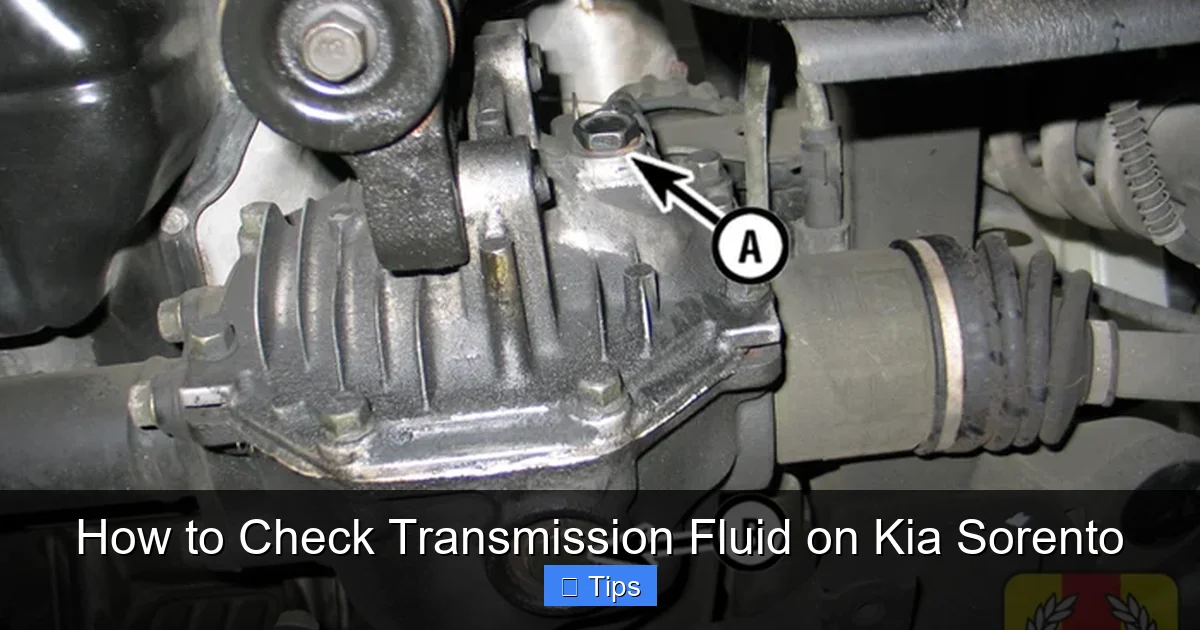
One key thing to know: not all Kia Sorentos have a traditional dipstick like older vehicles. In fact, many models from 2011 onward—particularly those with the 6-speed automatic transmission—use a “sealed” system with no dipstick. Instead, fluid level is checked through a fill plug located on the side of the transmission, often requiring a scan tool or specific procedure to verify the correct level.
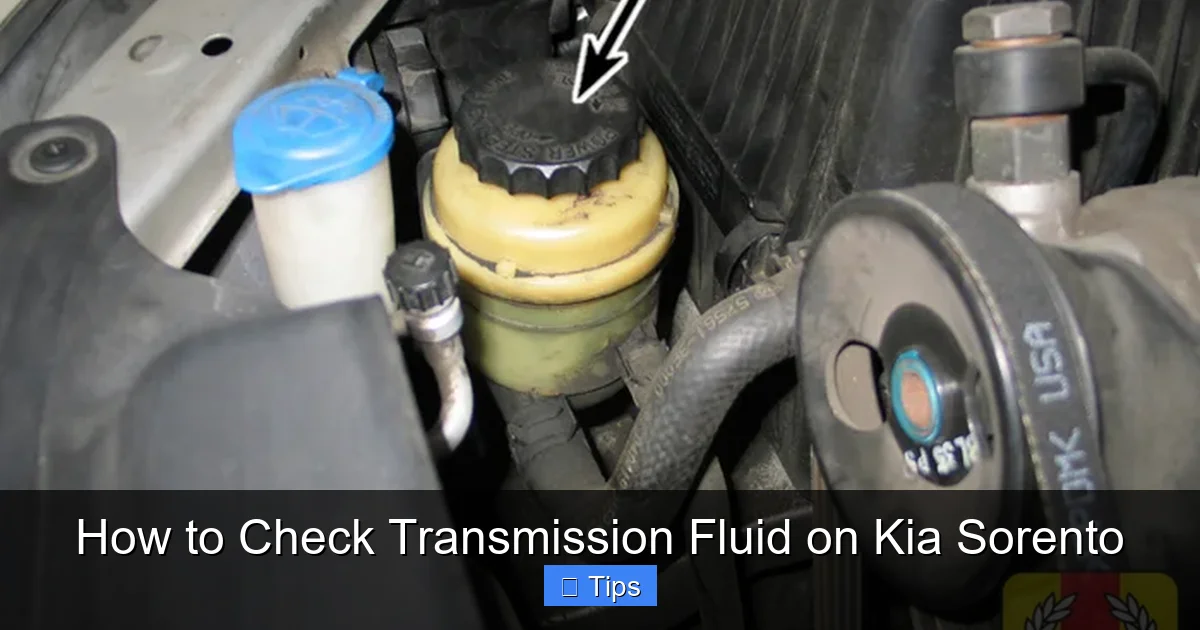
So how do you know which type your Sorento has? Start by checking your owner’s manual. It will tell you whether your vehicle uses a dipstick or a fill plug method. You can also look under the hood: if you see a long, thin dipstick near the back of the engine (usually labeled “ATF” or “Transmission”), you’re in luck—it’s a traditional system. If not, your Sorento likely uses the sealed method.
Another important factor is the type of transmission fluid your Sorento requires. Kia typically specifies **Kia Genuine ATF SP-IV** or an equivalent that meets SP-IV standards. Using the wrong fluid—such as Dexron or Mercon—can cause shifting problems, overheating, or even transmission damage. Always double-check the recommended fluid type in your owner’s manual or on the dipstick/fill plug label.
Common Transmission Types in Kia Sorento Models
- 2003–2009 Models: These earlier Sorentos often came with a 4-speed or 5-speed automatic transmission and usually feature a traditional dipstick.
- 2011–2015 Models: Most of these use a 6-speed automatic with a sealed transmission—no dipstick. Fluid is checked via the fill plug.
- 2016–2020 Models: Continue using the 6-speed or upgraded 8-speed automatic, still typically sealed. Some higher-trim models may have electronic monitoring.
- 2021–Present Models: Newer Sorentos often use an 8-speed automatic with advanced electronic controls. Fluid checks may require diagnostic tools.
Knowing your transmission type helps you prepare the right tools and approach. For example, if you have a dipstick model, you’ll need a clean rag and possibly a funnel. If you have a sealed system, you may need a fluid pump, wrench, and possibly a scan tool—or you might prefer to visit a service center.
Tools and Supplies You’ll Need
Visual guide about How to Check Transmission Fluid on Kia Sorento
Image source: teon-files.s3.amazonaws.com
Before you pop the hood, gather the right tools. Having everything ready makes the process faster, safer, and more accurate. Here’s a checklist of what you’ll typically need:
- Clean rags or paper towels: For wiping the dipstick or cleaning around the fill plug.
- Gloves: Transmission fluid can be slippery and slightly toxic—protect your hands.
- Funnel (for dipstick models): Helps prevent spills when adding fluid.
- Transmission fluid (if topping off): Use only Kia-approved ATF SP-IV or equivalent.
- Fluid pump or hand pump (for sealed systems): Needed to add fluid through the fill plug.
- Socket wrench or Allen key: To remove the fill plug on sealed transmissions.
- Flashlight: Helps you see clearly under the vehicle or in tight spaces.
- Jack and jack stands (optional): Required if you need to access the fill plug from underneath.
- Scan tool (optional but helpful): Some newer models require a diagnostic tool to confirm fluid level.
If you’re not comfortable working under the vehicle or using tools, don’t hesitate to visit a Kia service center. But for most DIYers, these tools are affordable and easy to find at auto parts stores.
Safety First: Precautions Before You Begin
Always prioritize safety when working on your vehicle. Here are a few quick tips:
- Park on a level surface and engage the parking brake.
- Let the engine cool slightly if it’s been running—hot fluid can cause burns.
- Never work under a vehicle supported only by a jack—use jack stands.
- Wear gloves and safety glasses to protect against fluid splashes.
- Dispose of used fluid properly—most auto shops accept it for recycling.
Taking these precautions ensures a smooth and safe experience.
Step-by-Step Guide: How to Check Transmission Fluid on Kia Sorento
Visual guide about How to Check Transmission Fluid on Kia Sorento
Image source: i.pinimg.com
Now that you’re prepared, let’s walk through the actual process. The steps vary slightly depending on your model, so we’ll cover both dipstick and sealed transmission methods.
Method 1: Checking Fluid with a Dipstick (Older Models)
If your Kia Sorento has a dipstick—typically found in models from 2009 and earlier—follow these steps:
Step 1: Warm Up the Engine
Start your Sorento and let it run for 10–15 minutes. Transmission fluid expands when warm, so checking it cold can give a false low reading. Drive around the block if possible to get the fluid circulating.
Step 2: Park on Level Ground
Turn off the engine and park on a flat surface. Engage the parking brake and open the hood.
Step 3: Locate the Transmission Dipstick
Look for a dipstick near the back of the engine bay, usually labeled “ATF” or “Transmission.” It’s often red or yellow with a loop handle. If you can’t find it, consult your owner’s manual.
Step 4: Remove and Wipe the Dipstick
Pull the dipstick out completely and wipe it clean with a rag. Reinsert it fully, then pull it out again to read the level.
Step 5: Check the Fluid Level and Condition
Look at the markings on the dipstick. There should be “Full” and “Add” indicators. The fluid should reach the “Full” line when warm. Also, inspect the color and smell:
- Healthy fluid: Bright red, translucent, and slightly sweet-smelling.
- Dirty or burnt fluid: Dark brown or black, cloudy, with a burnt odor—this indicates it’s time for a change.
Step 6: Add Fluid if Needed
If the level is low, use a funnel to add small amounts of ATF SP-IV. Recheck after each addition. Never overfill—excess fluid can cause foaming and overheating.
Step 7: Reinsert and Close
Once the level is correct, reinsert the dipstick fully and close the hood.
Method 2: Checking Fluid on Sealed Transmissions (Newer Models)
For Sorentos without a dipstick (2011 and newer), the process is a bit more involved:
Step 1: Warm Up the Engine
Same as above—drive for 10–15 minutes to warm the transmission.
Step 2: Locate the Fill Plug
The fill plug is usually on the side of the transmission, near the driver’s side. It’s a bolt with a square or Allen head. You may need to get under the vehicle to see it.
Step 3: Prepare to Add Fluid
Place a drain pan underneath. Use a socket wrench or Allen key to loosen the fill plug—but don’t remove it fully yet.
Step 4: Check Fluid Level
With the engine running and in Park, carefully remove the fill plug. Fluid should trickle out slowly. If it flows freely, the level is good. If nothing comes out, the fluid is low.
Step 5: Add Fluid if Needed
Use a hand pump or fluid pump to add ATF SP-IV through the fill hole. Add slowly and wait for fluid to drip out—this indicates the correct level.
Step 6: Reinstall the Plug
Once fluid drips steadily, reinstall and tighten the fill plug. Wipe away any spills.
Step 7: Test Drive
Start the engine, shift through gears, and take a short drive to ensure smooth operation.
Pro Tips for Accurate Readings
- Always check fluid with the engine running and in Park (for sealed systems).
- Never check fluid when the engine is cold—it will appear lower than it actually is.
- If fluid is dark or smells burnt, consider a full transmission flush—not just a top-off.
- Keep a record of fluid checks and changes in your maintenance log.
Signs Your Transmission Fluid Needs Attention
Even if you haven’t checked the fluid recently, your Sorento may give you clues that something’s wrong. Watch for these warning signs:
- Rough or delayed shifting: Hesitation when accelerating or jerky gear changes.
- Slipping gears: The engine revs but the vehicle doesn’t speed up as expected.
- Unusual noises: Whining, grinding, or humming from the transmission area.
- Leaking fluid: Red or brown puddles under the vehicle—especially near the front.
- Check Engine or Transmission Warning Light: Modern Sorentos may trigger dashboard alerts.
- Burning smell: Overheated fluid emits a distinct burnt odor.
If you notice any of these symptoms, check the fluid immediately. Ignoring them can lead to transmission failure, which often costs $3,000 or more to repair or replace.
When to Change Transmission Fluid
While checking fluid is important, knowing when to change it is equally crucial. Kia recommends changing transmission fluid every **60,000 to 100,000 miles**, depending on driving conditions. However, if you frequently tow, drive in stop-and-go traffic, or live in hot climates, consider changing it sooner—around 30,000 to 50,000 miles.
A full transmission flush removes old fluid, sludge, and debris, while a simple drain-and-fill only replaces about 40–50% of the fluid. For best results, opt for a flush every 60,000 miles or as recommended.
Common Mistakes to Avoid
Even experienced DIYers can make errors when checking transmission fluid. Here are some common pitfalls:
- Checking cold fluid: Always warm up the engine first for an accurate reading.
- Using the wrong fluid: Only use ATF SP-IV or equivalent—never substitute with generic fluids.
- Overfilling: Excess fluid can cause foaming, overheating, and seal damage.
- Ignoring the condition: Low fluid isn’t the only issue—dirty or burnt fluid needs replacement.
- Skipping the owner’s manual: Procedures vary by model year—always verify the correct method.
- Not tightening the fill plug: A loose plug can leak fluid and cause low levels.
Avoiding these mistakes ensures your transmission stays healthy and your Sorento runs smoothly.
Conclusion: Keep Your Kia Sorento Running Smoothly
Checking the transmission fluid on your Kia Sorento might not be the most exciting part of car ownership, but it’s one of the most important. A simple 10-minute check can prevent major mechanical issues, extend the life of your transmission, and save you money in the long run. Whether your Sorento has a dipstick or a sealed system, the process is manageable with the right tools and knowledge.
Remember: always check fluid when the engine is warm, use the correct ATF SP-IV fluid, and pay attention to color and smell. If you’re ever unsure, don’t hesitate to visit a certified Kia technician. Regular maintenance—including fluid checks every 30,000 miles—keeps your SUV performing at its best.
Your Kia Sorento is built to last, and with a little care, it will continue to deliver comfort, reliability, and peace of mind for years to come. So grab your gloves, pop the hood, and give your transmission the attention it deserves. Your future self—and your wallet—will thank you.
Frequently Asked Questions
Can I check transmission fluid on a cold engine?
No, you should never check transmission fluid when the engine is cold. Fluid contracts when cool, which can give a false low reading. Always warm up the engine by driving for 10–15 minutes before checking.
What color should Kia Sorento transmission fluid be?
Healthy transmission fluid should be bright red and translucent. If it’s dark brown, black, or has a burnt smell, it’s time for a change.
Can I use Dexron or Mercon fluid in my Kia Sorento?
No. Kia Sorentos require ATF SP-IV or equivalent. Using Dexron or Mercon can damage the transmission and void your warranty.
How often should I check transmission fluid?
Check the fluid every 30,000 miles or at least once a year. If you notice shifting issues or leaks, check it immediately.
Do all Kia Sorentos have a dipstick?
No. Most models from 2011 onward use a sealed transmission with no dipstick. Fluid is checked via the fill plug under the vehicle.
What happens if I overfill the transmission fluid?
Overfilling can cause foaming, overheating, and seal damage. Always add fluid slowly and recheck the level to avoid excess.

At CarLegit, we believe information should be clear, factual, and genuinely helpful. That’s why every guide, review, and update on our website is created with care, research, and a strong focus on user experience.