
Keeping your BMW’s white leather seats pristine requires the right tools, techniques, and regular care. This guide walks you through safe cleaning methods, recommended products, and prevention tips to maintain that showroom shine without damaging delicate leather.
Owning a BMW with white leather seats is like driving a piece of automotive art—sleek, luxurious, and undeniably eye-catching. But let’s be real: white leather is gorgeous until that first coffee spill, muddy shoe print, or mysterious yellowing starts to creep in. Unlike darker upholstery, white leather shows every smudge, stain, and imperfection. That’s why knowing how to clean white leather car seats in your BMW isn’t just a nice-to-have skill—it’s essential for preserving both the look and value of your vehicle.
The good news? With the right approach, you can keep those seats looking fresh, bright, and factory-new for years. It’s not about fancy gadgets or expensive treatments—it’s about consistency, the right products, and understanding how delicate leather really is. BMW uses high-quality Nappa or Dakota leather in many models, which feels amazing but demands gentle care. Harsh cleaners, rough cloths, or skipping conditioning can lead to dryness, cracking, or worse—permanent discoloration.
In this guide, we’ll walk you through everything you need to know to clean and maintain your white leather seats like a pro. From daily upkeep to tackling tough stains, we’ve got you covered. Whether you drive an X5, a 3 Series, or a sleek i4, these tips apply across BMW’s lineup. So grab your microfiber cloth, and let’s get those seats sparkling.
In This Article
- 1 Key Takeaways
- 2 📑 Table of Contents
- 3 Why White Leather Needs Special Care
- 4 Essential Tools and Products for Cleaning
- 5 Step-by-Step Cleaning Process
- 6 Tackling Stains and Discoloration
- 7 Preventive Maintenance Tips
- 8 When to Call a Professional
- 9 Conclusion
- 10 Frequently Asked Questions
- 10.1 Can I use baby wipes to clean white leather seats?
- 10.2 How often should I clean my white leather seats?
- 10.3 Will leather conditioner make my seats slippery?
- 10.4 Can I use a steam cleaner on white leather?
- 10.5 Why are my white leather seats turning yellow?
- 10.6 Is it safe to use a leather dye to restore white color?
Key Takeaways
- Use pH-balanced leather cleaners: Harsh chemicals can dry out or discolor white leather—opt for cleaners specifically formulated for automotive leather.
- Test products in hidden areas first: Always do a spot test to avoid unexpected reactions, especially on light-colored upholstery.
- Clean spills immediately: White leather shows stains easily; quick action prevents permanent discoloration.
- Condition regularly: Leather needs moisture to stay supple—condition every 3–6 months to prevent cracking and fading.
- Avoid direct sunlight and heat: UV rays and high temps accelerate leather degradation; use sunshades and park in shade when possible.
- Use microfiber cloths only: Abrasive materials scratch leather; soft microfiber protects the surface during cleaning and drying.
- Professional help for deep stains: If DIY methods fail, consult a BMW-certified detailer to avoid costly damage.
📑 Table of Contents
Why White Leather Needs Special Care
White leather isn’t just a color—it’s a statement. It reflects light, enhances interior brightness, and gives your BMW a premium, modern feel. But that same quality makes it incredibly unforgiving. Unlike black or beige leather, white shows dirt, oils, and UV damage almost instantly. Even normal use can lead to yellowing over time, especially if the leather isn’t properly protected.
BMW’s white leather is typically treated with a protective coating, but that doesn’t make it immune to wear. The natural oils from your skin, spills from drinks, and exposure to sunlight all contribute to gradual degradation. Over time, without proper care, the leather can become brittle, lose its luster, or develop stubborn stains that are hard to remove.
Another factor? Heat. BMWs are often parked in sunny areas, and the interior can heat up quickly. High temperatures accelerate the breakdown of leather fibers and cause cleaning products to evaporate too fast, leaving behind residue. That’s why timing and technique matter just as much as the products you use.
Understanding these challenges is the first step to effective care. White leather isn’t high-maintenance—it’s smart-maintenance. A little effort now saves you from expensive repairs or reupholstery down the road.
The Science Behind Leather Degradation
Leather is a natural material, and like skin, it needs hydration and protection. When exposed to heat, UV rays, and harsh chemicals, the collagen fibers in leather begin to break down. This leads to dryness, cracking, and discoloration—especially noticeable on white surfaces.
UV radiation is one of the biggest culprits. It breaks down the dyes and finishes used on white leather, causing yellowing or graying. This is why you might notice seat bolsters—areas that get the most sun exposure—looking duller than the rest.
Additionally, sweat, body oils, and lotions can seep into the leather pores. Over time, these residues oxidize and create dark spots or a sticky film. This is why regular cleaning isn’t optional—it’s preventive maintenance.
Common Mistakes That Damage White Leather
Many BMW owners unintentionally harm their seats by using the wrong products or methods. Here are a few common pitfalls:
– **Using household cleaners:** Glass cleaners, all-purpose sprays, or even vinegar solutions can strip leather of its natural oils and leave a cloudy film.
– **Scrubbing too hard:** Aggressive scrubbing with stiff brushes or rough cloths can scratch the surface and wear down the protective coating.
– **Skipping conditioning:** Cleaning without conditioning dries out the leather, making it more prone to cracking.
– **Ignoring spills:** Letting liquids sit—even water—can lead to staining or warping.
– **Using too much product:** Over-saturating leather can cause it to swell or develop watermarks.
Avoiding these mistakes starts with knowing what *not* to do. The next section will show you exactly what *to* do.
Essential Tools and Products for Cleaning
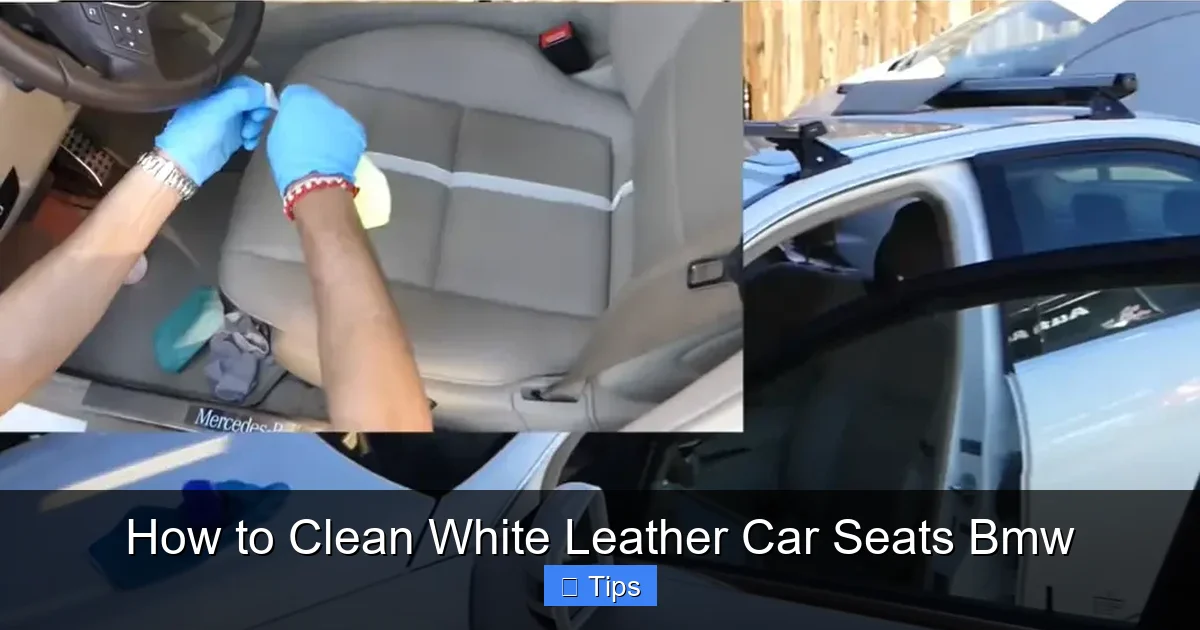
Visual guide about How to Clean White Leather Car Seats Bmw
Image source: leatherprofy.com
Before you start cleaning, gather the right tools. Using the wrong products can do more harm than good, especially on delicate white leather. The goal is to clean gently, effectively, and without leaving residue.
Recommended Cleaning Products
Not all leather cleaners are created equal. For white BMW leather, look for products that are:
– **pH-balanced (around 5.5):** This matches the natural acidity of leather and prevents drying.
– **Free of alcohol, ammonia, and bleach:** These ingredients can strip color and damage finishes.
– **Specifically labeled for automotive use:** Car leather is different from furniture or shoe leather.
Some top-rated options include:
– **Lexol Leather Cleaner:** Gentle, pH-balanced, and safe for light-colored leather.
– **BMW Leather Care Kit:** Designed specifically for BMW interiors, includes cleaner and conditioner.
– **Chemical Guys Leather Cleaner:** Popular among detailers, effective on stains without harsh chemicals.
– **Meguiar’s Gold Class Rich Leather Cleaner:** Great for lifting dirt while preserving color.
Avoid “miracle” cleaners that promise instant whitening—they often contain bleach or strong oxidizers that damage leather over time.
Must-Have Tools
Your cleaning kit should include:
– **Microfiber cloths (at least 3):** Use one for cleaning, one for rinsing, and one for drying. Microfiber is soft, lint-free, and won’t scratch.
– **Soft-bristle brush (optional):** A horsehair or nylon brush can help lift dirt from textured areas, but use it gently.
– **Spray bottle:** For diluting cleaner or applying water.
– **Vacuum with soft brush attachment:** To remove loose dirt and debris before cleaning.
– **Leather conditioner:** Essential after cleaning to restore moisture.
Pro tip: Keep a dedicated set of cloths just for leather. Using the same cloths for glass or wheels can transfer oils and grime.
DIY vs. Store-Bought Cleaners
You might be tempted to make your own cleaner—after all, it’s cheaper, right? While DIY solutions like diluted dish soap or baking soda paste can work in a pinch, they’re not ideal for regular use.
Dish soap, even mild versions, can strip natural oils. Baking soda is abrasive and may scratch the surface. And water alone isn’t enough—it can leave water spots or cause leather to stiffen.
Store-bought leather cleaners are formulated to clean without damaging. They often include surfactants that lift dirt and emollients that protect the surface. For white leather, the consistency and safety of a trusted product are worth the investment.
Step-by-Step Cleaning Process

Visual guide about How to Clean White Leather Car Seats Bmw
Image source: leatherprofy.com
Now that you have the right tools, let’s walk through the cleaning process. This method works for routine maintenance and light stains. For deep-set stains, see the next section.
Step 1: Prep the Area
Start by removing any loose dirt or debris. Use a vacuum with a soft brush attachment to gently clean the seats, paying attention to seams, crevices, and under the cushions. This prevents grinding dirt into the leather during cleaning.
Next, test your cleaner on a small, hidden area—like the back of the seat or under the headrest. Wait 10–15 minutes to ensure there’s no discoloration or residue.
Step 2: Apply the Cleaner
Spray a small amount of leather cleaner onto a microfiber cloth—not directly onto the seat. This gives you better control and prevents over-saturation.
Gently wipe the surface in circular motions, working from top to bottom. Focus on high-contact areas like the seat base, backrest, and bolsters. For textured leather, use light pressure to avoid pushing dirt deeper into the grain.
Don’t forget the sides and edges—these areas often collect sweat and oils.
Step 3: Rinse and Wipe
Dampen a second microfiber cloth with clean water (distilled is best to avoid mineral spots). Wring it out well—it should be slightly damp, not wet.
Wipe the seat to remove any cleaner residue. Residue can attract dirt and leave a sticky film over time.
Use a third dry microfiber cloth to buff the surface until it’s completely dry and streak-free.
Step 4: Condition the Leather
Cleaning removes oils, so conditioning is crucial. Apply a small amount of leather conditioner to a clean cloth and work it into the leather using circular motions.
Focus on areas that flex or stretch, like the seat base and backrest. Let the conditioner absorb for 10–15 minutes, then buff off any excess with a dry cloth.
Conditioning restores moisture, prevents cracking, and helps maintain the leather’s natural sheen.
Step 5: Final Inspection
Once dry, inspect the seats under good lighting. Look for missed spots, streaks, or residue. Touch the surface—it should feel smooth and supple, not sticky or dry.
If needed, repeat the process on stubborn areas. But avoid over-cleaning—too much moisture can damage the leather or underlying foam.
Tackling Stains and Discoloration
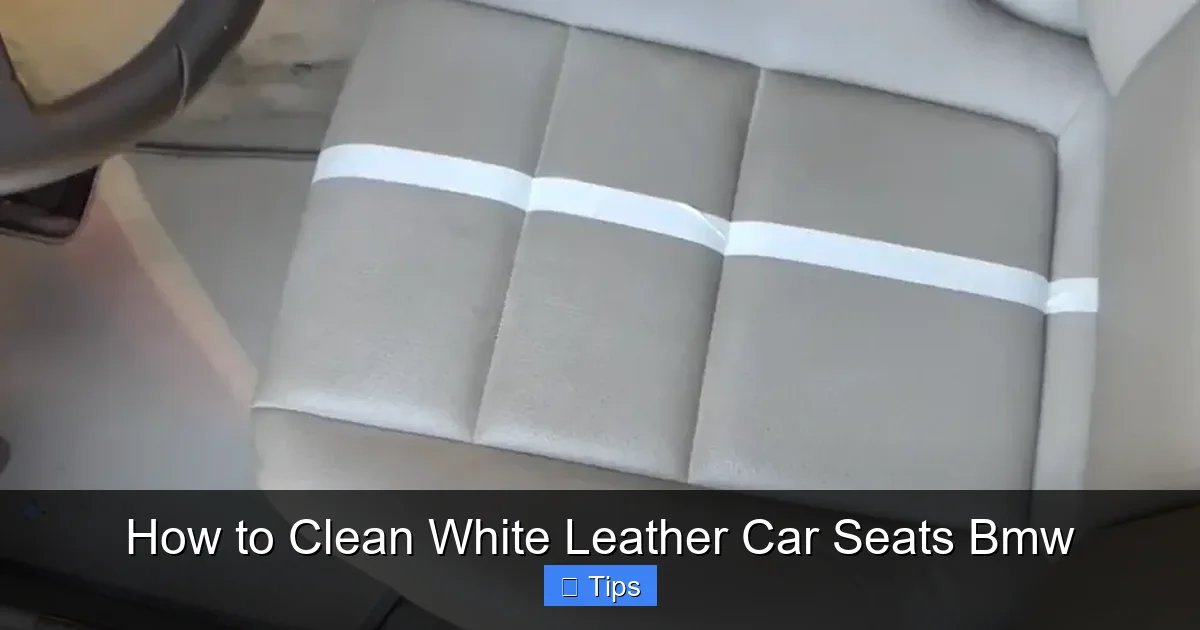
Visual guide about How to Clean White Leather Car Seats Bmw
Image source: leatherprofy.com
Even with regular care, stains happen. The key is acting fast and using the right approach. Here’s how to handle common issues.
Fresh Spills (Coffee, Juice, Water)
Blot—don’t rub—immediately with a clean, dry microfiber cloth. Rubbing spreads the spill and pushes it deeper.
For liquid spills, use a damp cloth to gently lift the residue, then dry thoroughly. If the spill is oily (like soda or sauce), use a small amount of leather cleaner on a cloth to break it down.
Yellowing or Graying
Over time, white leather can develop a yellow or gray tint due to UV exposure or oxidation. This isn’t always a stain—it’s a chemical change in the dye.
To combat this:
– Use a leather brightener or whitening conditioner designed for light-colored leather.
– Apply in thin layers and buff thoroughly.
– Avoid products with chlorine or hydrogen peroxide—they can weaken fibers.
Regular conditioning and UV protection (like window tint or sunshades) help prevent yellowing.
Ink, Grease, or Makeup Stains
These require a targeted approach:
– **Ink:** Dab with a cotton swab dipped in isopropyl alcohol (70% or less). Test first—alcohol can bleach some dyes.
– **Grease:** Use a small amount of cornstarch or baking soda to absorb the oil. Let it sit for several hours, then brush off and clean normally.
– **Makeup:** Use a leather-safe makeup remover wipe or a dab of mild cleaner. Avoid oil-based removers—they can leave a film.
Always follow with conditioning to restore moisture.
Stubborn or Set-In Stains
If a stain persists after multiple cleanings, it may be embedded in the leather. At this point, DIY methods have limits.
Consider using a leather restoration kit, which includes deep cleaners, fillers, and color-matched dyes. These are more advanced and require careful application.
If you’re unsure, consult a professional detailer. They have specialized tools and experience with BMW interiors. Attempting aggressive treatments at home can lead to irreversible damage.
Preventive Maintenance Tips
Cleaning is only half the battle. Prevention keeps your white leather looking great between cleanings.
Use Seat Covers or Protectors
Consider using custom-fit leather seat covers, especially if you have kids, pets, or frequently transport passengers. Look for breathable, non-slip options that don’t trap moisture.
Alternatively, use leather protectant sprays that create an invisible barrier against spills and UV rays. Apply every 3–6 months.
Park Smart
Whenever possible, park in the shade or use a windshield sunshade. UV exposure is one of the biggest threats to white leather.
If you live in a sunny climate, consider ceramic window tint. It reduces interior heat and blocks harmful UV rays.
Wipe Down Weekly
Even if there are no visible stains, wipe down your seats weekly with a dry or slightly damp microfiber cloth. This removes dust, oils, and pollutants before they build up.
Keep a small cleaning kit in your glove compartment for quick touch-ups.
Avoid Eating and Drinking in the Car
It’s tempting, but spills are the #1 cause of leather stains. If you must eat, use a tray and be extra cautious with liquids.
Condition Regularly
As mentioned earlier, conditioning every 3–6 months is essential. It keeps the leather flexible, prevents cracking, and maintains its color.
Choose a conditioner with UV inhibitors for added protection.
When to Call a Professional
There’s no shame in calling in the experts. In fact, it’s often the smartest move.
If you notice:
– Deep cracks or peeling
– Persistent yellowing that won’t lift
– Foul odors trapped in the leather
– Stains that return after cleaning
…it’s time to consult a BMW-certified detailer or leather restoration specialist.
Professionals have access to industrial-grade cleaners, steam extractors, and color-matching tools. They can often restore leather to near-original condition—something DIY methods can’t match.
Plus, many offer mobile services, so you don’t even have to leave your driveway.
Conclusion
Keeping your BMW’s white leather seats clean and beautiful doesn’t have to be a chore. With the right products, a consistent routine, and a little know-how, you can maintain that luxurious look for years to come.
Remember: gentle cleaning, regular conditioning, and quick action on spills are your best allies. Avoid harsh chemicals, skip the DIY shortcuts, and always test new products first.
Your BMW deserves the best care—and so do you. Treat those seats with respect, and they’ll reward you with comfort, style, and long-term value.
So the next time you slide into the driver’s seat, take a moment to appreciate the craftsmanship. Then grab your microfiber cloth and give it the love it deserves.
Frequently Asked Questions
Can I use baby wipes to clean white leather seats?
It’s not recommended. Many baby wipes contain alcohol, fragrances, or moisturizers that can dry out or discolor leather over time. Stick to cleaners specifically designed for automotive leather.
How often should I clean my white leather seats?
For routine maintenance, clean every 4–6 weeks. Wipe down weekly with a dry microfiber cloth to remove dust and oils. Deep clean only when needed to avoid over-moisturizing.
Will leather conditioner make my seats slippery?
No, if used correctly. Apply a small amount, let it absorb, and buff off excess. Quality conditioners leave a matte, non-greasy finish that enhances grip and comfort.
Can I use a steam cleaner on white leather?
Only if it’s a low-temperature, handheld steamer designed for leather. High heat and moisture can damage the finish or underlying foam. Always test first and avoid direct spraying.
Why are my white leather seats turning yellow?
Yellowing is usually caused by UV exposure, oxidation, or buildup of body oils. Regular cleaning, conditioning, and sun protection can slow or reverse mild discoloration.
Is it safe to use a leather dye to restore white color?
Only if you’re experienced or working with a professional. DIY dyes can streak, peel, or mismatch. For best results, consult a leather restoration expert with BMW experience.

At CarLegit, we believe information should be clear, factual, and genuinely helpful. That’s why every guide, review, and update on our website is created with care, research, and a strong focus on user experience.