
Configuring the Maserati Levante’s descent control when stopped ensures smoother, safer downhill driving on rugged terrain. This guide walks you through setup, activation, and best practices to maximize performance and safety.
Owning a Maserati Levante is about more than luxury and performance—it’s about capability. This high-end SUV blends Italian craftsmanship with advanced off-road technology, making it a standout in its class. One of its most impressive features is the descent control system, designed to help drivers navigate steep, uneven terrain with confidence. But here’s the catch: to get the most out of this system, you need to know how to configure it properly—especially when the vehicle is stopped.
Whether you’re heading into the mountains, exploring dirt trails, or simply navigating a steep driveway, understanding how to configure Maserati Levante descent control when stopped can make a huge difference. It’s not just about pressing a button—it’s about knowing when, where, and how to use it safely and effectively. In this guide, we’ll walk you through everything you need to know, from basic setup to advanced tips, so you can master your Levante’s off-road prowess.
Let’s dive in and unlock the full potential of your Maserati Levante’s descent control system.
In This Article
- 1 Key Takeaways
- 2 📑 Table of Contents
- 3 Understanding Descent Control in the Maserati Levante
- 4 When and Why to Use Descent Control When Stopped
- 5 Step-by-Step Guide to Configuring Descent Control When Stopped
- 6 Best Practices for Safe and Effective Use
- 7 Troubleshooting Common Issues
- 8 Maximizing Off-Road Performance with Descent Control
- 9 Conclusion
- 10 Frequently Asked Questions
Key Takeaways
- Understand Descent Control Function: The Maserati Levante’s descent control system automatically manages speed on steep declines, reducing driver workload.
- Activate Only When Stopped: For optimal performance, engage descent control only when the vehicle is fully stopped on a downhill slope.
- Use Off-Road Driving Modes: Select the appropriate Terrain Response mode (e.g., Off-Road or Rock) to enable descent control functionality.
- Monitor Speed and Terrain: The system maintains a low, steady speed—adjust settings if needed based on trail conditions.
- Combine with Hill Start Assist: Use hill start assist to prevent rollback when resuming after stopping on inclines.
- Practice in Safe Environments: Test descent control in controlled off-road settings before tackling challenging trails.
- Regular System Checks: Ensure sensors and braking systems are clean and functional for reliable performance.
📑 Table of Contents
- Understanding Descent Control in the Maserati Levante
- When and Why to Use Descent Control When Stopped
- Step-by-Step Guide to Configuring Descent Control When Stopped
- Best Practices for Safe and Effective Use
- Troubleshooting Common Issues
- Maximizing Off-Road Performance with Descent Control
- Conclusion
Understanding Descent Control in the Maserati Levante
Before we get into the “how,” let’s talk about the “what.” What exactly is descent control, and why does it matter for your Maserati Levante?
Descent control—sometimes called hill descent control (HDC)—is an advanced driver assistance feature that automatically manages your vehicle’s speed when driving downhill. Instead of riding the brakes or struggling to maintain a safe pace, the system uses the anti-lock braking system (ABS) and engine braking to keep the vehicle moving at a slow, steady speed. This reduces driver fatigue, prevents brake overheating, and enhances safety on steep or slippery slopes.
In the Maserati Levante, this system is particularly sophisticated. It’s integrated with the vehicle’s all-wheel-drive system, adaptive suspension, and terrain response modes. That means it doesn’t just slow you down—it adapts to the surface, adjusting brake pressure and traction control in real time.
But here’s a common misconception: many drivers think they can activate descent control while moving. While some systems allow this, the Maserati Levante is designed to engage descent control most effectively when the vehicle is fully stopped. This ensures the system can calibrate properly and apply the correct braking force from the start.
Think of it like setting cruise control—you don’t turn it on while speeding up. You wait until you’re at a steady speed. Similarly, descent control works best when activated from a standstill on a downhill slope. This gives the system a clean starting point to manage your descent safely and smoothly.
When and Why to Use Descent Control When Stopped
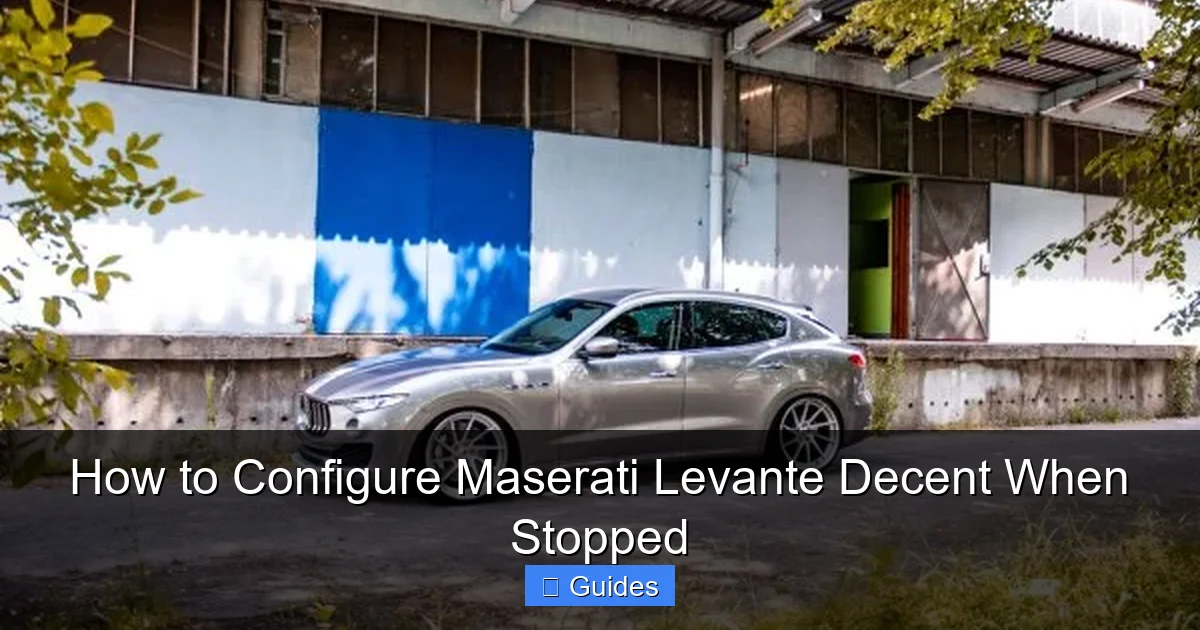
Visual guide about How to Configure Maserati Levante Decent When Stopped
Image source: cartuning.ws
So why should you configure descent control only when stopped? Let’s break it down.
First, safety. When you’re on a steep incline, even a slight misstep with the accelerator or brake can cause the vehicle to lurch forward or roll backward. By stopping completely before engaging descent control, you eliminate that risk. The system takes over immediately, holding the vehicle in place and then beginning a controlled descent.
Second, precision. The Maserati Levante’s descent control system uses sensors to detect wheel speed, incline angle, and traction. If the vehicle is already moving when you activate it, the system may overcorrect or struggle to stabilize, leading to jerky movements or inconsistent braking. Starting from a stop allows the system to engage smoothly and maintain a consistent speed.
Third, system longevity. Repeatedly engaging descent control while in motion can put extra strain on the braking and drivetrain components. By following the recommended procedure—activating only when stopped—you help preserve the system and reduce wear over time.
Let’s look at a real-world example. Imagine you’re driving up a mountain trail and reach a steep, rocky descent. You stop at the top to assess the path. This is the perfect moment to engage descent control. You shift into the correct mode, press the button, and let the system do the work. The Levante creeps down slowly, maintaining traction and stability, while you focus on steering and avoiding obstacles.
Without stopping first, you might accidentally activate the system too late, causing a sudden brake application or loss of control. By stopping, you give the system the best chance to perform as intended.
Step-by-Step Guide to Configuring Descent Control When Stopped
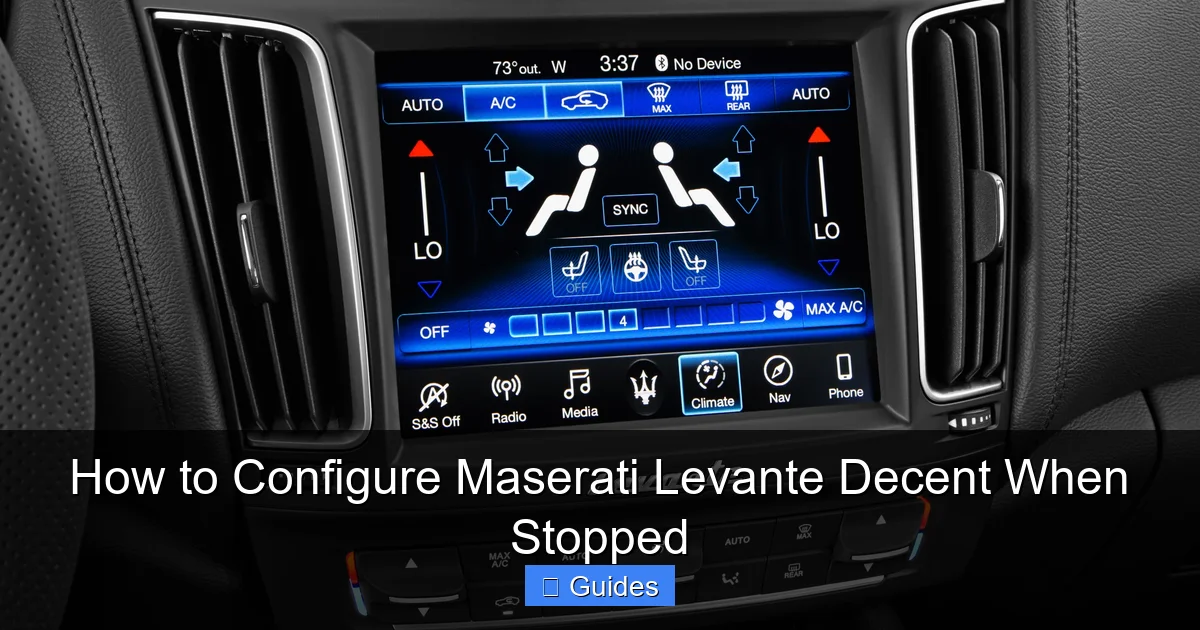
Visual guide about How to Configure Maserati Levante Decent When Stopped
Image source: motortrend.com
Now that you understand the importance of stopping before activation, let’s walk through the exact steps to configure descent control on your Maserati Levante.
Step 1: Come to a Complete Stop
Find a safe, level spot at the top of the downhill slope. Press the brake pedal firmly and bring the vehicle to a full stop. Make sure the wheels are straight and the vehicle is stable. This is crucial—descent control works best when the vehicle is stationary.
Step 2: Select the Appropriate Driving Mode
The Maserati Levante features multiple driving modes via the Terrain Response system. For descent control to function, you’ll need to be in an off-road mode. Use the drive mode selector (usually a dial or button near the gear shifter) to choose one of the following:
– Off-Road Mode: Optimizes traction, suspension, and throttle response for loose or uneven terrain.
– Rock Mode: Designed for extreme off-road conditions, with enhanced traction control and crawl functionality.
These modes automatically prepare the vehicle’s systems for descent control activation. If you’re in Sport or Comfort mode, descent control may not engage or may behave unpredictably.
Step 3: Engage Descent Control
Once stopped and in the correct mode, locate the descent control button. On most Maserati Levante models, this is a dedicated button on the center console, often labeled “HDC” or “Descent Control.” It may have an icon of a car going downhill.
Press and hold the button for about two seconds. You should see a confirmation message on the instrument cluster, such as “Descent Control Active” or a green indicator light. The system is now engaged and ready to manage your descent.
Step 4: Release the Brake and Let the System Take Over
Here’s where many drivers hesitate. Once descent control is active, slowly release the brake pedal. The system will automatically apply the brakes as needed to maintain a low, steady speed—typically between 2 and 5 mph, depending on the terrain.
Do not press the accelerator. The system is designed to handle speed control, so your foot should remain off the gas. Focus on steering and monitoring the path ahead.
Step 5: Monitor and Adjust as Needed
While descent control does the heavy lifting, you’re still in charge. Keep your hands on the wheel and eyes on the trail. If the vehicle begins to speed up or slow down unexpectedly, you can gently apply the brake to override the system temporarily.
Some models allow you to adjust the target descent speed using the cruise control buttons or paddle shifters. Check your owner’s manual for specific instructions on speed adjustment.
Step 6: Disengage When Finished
Once you’ve reached the bottom of the slope or no longer need descent control, simply press the brake pedal firmly or press the descent control button again to deactivate it. The system will disengage, and you can resume normal driving.
Best Practices for Safe and Effective Use
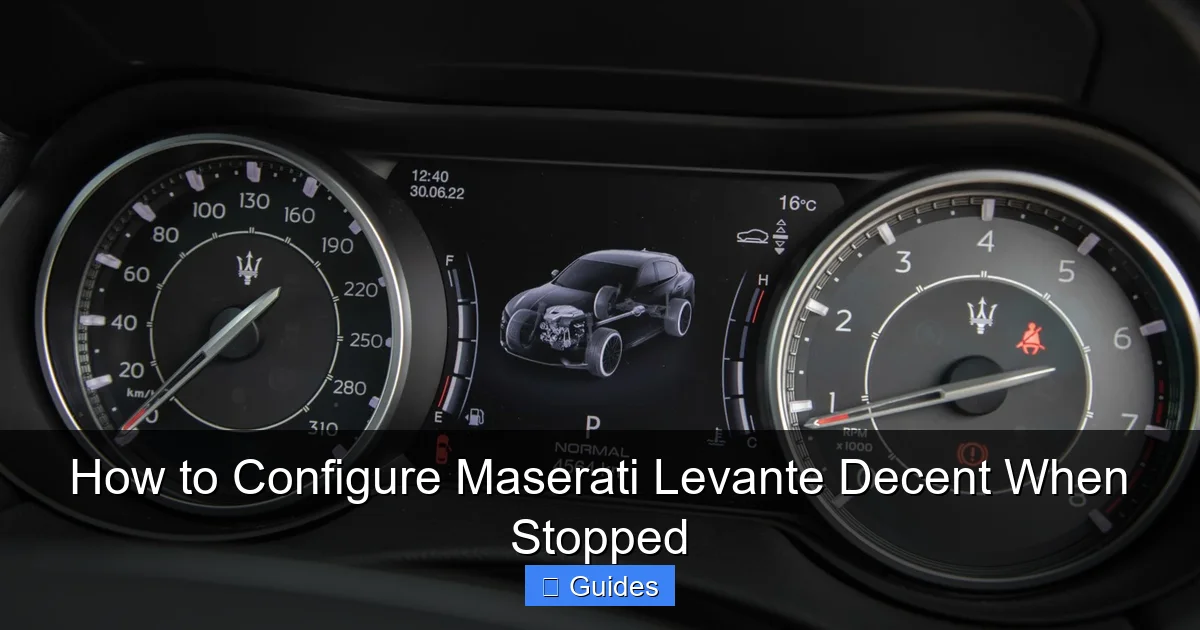
Visual guide about How to Configure Maserati Levante Decent When Stopped
Image source: c-images.carexpert.com.au
Configuring descent control correctly is only half the battle. To get the most out of this feature, follow these best practices.
Always Use Off-Road Tires
Descent control relies on traction. If your tires are worn or not suited for off-road conditions, the system may struggle to maintain control. Make sure your Maserati Levante is equipped with all-terrain or off-road tires when tackling steep trails.
Keep Sensors Clean
The descent control system uses wheel speed sensors and incline detectors. Dirt, mud, or snow can block these sensors, leading to inaccurate readings. After off-road trips, clean the wheel wells and sensor areas to ensure optimal performance.
Practice in a Safe Environment
If you’re new to descent control, don’t test it on a dangerous trail. Find a gentle, controlled slope—like a gravel road or empty parking lot on a hill—and practice engaging and disengaging the system. This builds confidence and helps you understand how the vehicle responds.
Combine with Hill Start Assist
The Maserati Levante also features hill start assist, which prevents rollback when starting on an incline. Use this feature when you need to stop and restart during a descent. Simply press the brake, and the system will hold the vehicle in place for a few seconds after you release the pedal, giving you time to accelerate smoothly.
Avoid Overriding Unnecessarily
It’s tempting to take control when you feel the system isn’t responding fast enough. But descent control is designed to be smooth and gradual. Overriding it with sudden braking or acceleration can reduce traction and increase the risk of skidding.
Check System Status Regularly
Before heading off-road, check the instrument cluster for any warning lights related to traction control, ABS, or descent control. If a system is offline, descent control may not function properly.
Troubleshooting Common Issues
Even with proper configuration, you might encounter issues. Here’s how to troubleshoot common problems.
Descent Control Won’t Activate
If the button doesn’t respond, check the following:
– Is the vehicle fully stopped?
– Are you in Off-Road or Rock mode?
– Is there a warning light on the dashboard?
– Are the doors closed and seatbelts fastened? (Some systems require this for safety.)
If all conditions are met and it still won’t activate, try restarting the vehicle. If the problem persists, consult your dealer.
Vehicle Descends Too Fast or Too Slow
The system is designed to maintain a low speed, but terrain can affect performance. If the vehicle is going too fast, gently apply the brake to slow it down. If it’s too slow, check for obstacles or deep mud that may be impeding progress.
Some models allow speed adjustment—refer to your owner’s manual for details.
System Disengages Unexpectedly
This can happen if the vehicle detects a loss of traction or a system fault. Stop the vehicle, check for obstructions, and re-engage the system. If it happens repeatedly, have the vehicle inspected.
Maximizing Off-Road Performance with Descent Control
Descent control is just one piece of the puzzle. To get the most out of your Maserati Levante off-road, combine it with other features.
Use Adaptive Suspension
The Levante’s adaptive air suspension can raise the ride height for better ground clearance. Use the “Off-Road” or “Raised” setting when tackling rough terrain. This gives you more space underneath and reduces the risk of scraping.
Engage All-Wheel Drive
The Levante’s AWD system automatically distributes power to the wheels with the most traction. Make sure it’s active when using descent control, especially on loose or slippery surfaces.
Monitor Tire Pressure
Lower tire pressure can improve traction on soft ground. Use the tire pressure monitoring system (TPMS) to check levels before and after off-road trips. Some drivers use a portable compressor to adjust pressure on the go.
Plan Your Route
Even with descent control, not all trails are safe. Use GPS or trail maps to identify steep sections and plan your approach. Avoid descents that are too steep or have loose rocks, drop-offs, or water crossings unless you’re experienced.
Conclusion
Configuring descent control on your Maserati Levante when stopped isn’t just a technical step—it’s a safety essential. By following the correct procedure, you ensure the system works as intended, giving you smooth, controlled descents on even the most challenging terrain.
Remember: stop completely, select the right mode, engage the system, and let it do the work. Combine this with good off-road practices—like using the right tires, keeping sensors clean, and practicing in safe environments—and you’ll unlock the full potential of your Levante.
Whether you’re exploring mountain trails or navigating a steep driveway, descent control gives you confidence and control. So the next time you’re faced with a downhill challenge, don’t panic. Stop, configure, and conquer.
Your Maserati Levante is built for adventure. Now you know how to make the most of it.
Frequently Asked Questions
Can I activate descent control while moving in the Maserati Levante?
No, for optimal performance, descent control should be activated only when the vehicle is fully stopped. This allows the system to calibrate properly and maintain a steady, safe speed.
What driving mode should I use for descent control?
Use Off-Road or Rock mode via the Terrain Response system. These modes prepare the vehicle’s suspension, traction control, and braking systems for off-road conditions.
How fast does the descent control system go?
The system typically maintains a speed between 2 and 5 mph, depending on the terrain and vehicle settings. Some models allow minor speed adjustments.
What if descent control doesn’t engage?
Ensure the vehicle is stopped, in the correct mode, and that no warning lights are active. If issues persist, restart the vehicle or consult a dealer.
Can I use descent control on pavement?
It’s not recommended. Descent control is designed for off-road use. Using it on paved roads can cause unnecessary wear and reduce braking efficiency.
Does descent control work in snow or mud?
Yes, but performance depends on traction. Use appropriate tires and avoid deep snow or mud unless you’re experienced. Keep sensors clean for accurate readings.

At CarLegit, we believe information should be clear, factual, and genuinely helpful. That’s why every guide, review, and update on our website is created with care, research, and a strong focus on user experience.