
Seeing the “Check Hybrid System” warning on your Toyota Camry can be alarming, but it doesn’t always mean a major repair is needed. This guide walks you through common causes, DIY fixes, and when to seek professional help to get your hybrid back on the road safely and efficiently.
In This Article
- 1 Key Takeaways
- 2 📑 Table of Contents
- 3 What Does “Check Hybrid System” Mean on a Toyota Camry?
- 4 Common Causes of the “Check Hybrid System” Warning
- 5 Step-by-Step Troubleshooting: How to Fix Check Hybrid System Toyota Camry
- 6 When to Visit a Toyota Dealer or Hybrid Specialist
- 7 Preventative Maintenance Tips to Avoid Future Issues
- 8 Real-World Example: Fixing a 2012 Camry Hybrid
- 9 Conclusion: Stay Calm and Diagnose Smart
- 10 Frequently Asked Questions
- 10.1 Can I drive my Camry with the “Check Hybrid System” light on?
- 10.2 How much does it cost to fix a “Check Hybrid System” issue?
- 10.3 Will disconnecting the battery reset the hybrid system?
- 10.4 How long do Toyota Camry hybrid batteries last?
- 10.5 Can I use a regular OBD2 scanner for hybrid codes?
- 10.6 Is the inverter coolant pump covered under warranty?
Key Takeaways
- Understand the warning: The “Check Hybrid System” light indicates an issue with the hybrid powertrain, not just the engine or battery.
- Common causes include: Faulty inverter coolant pump, weak 12V battery, or high-voltage battery problems.
- DIY checks can help: Inspect the 12V battery, coolant levels, and fuses before assuming a costly repair.
- Scan for error codes: Use an OBD2 scanner to read hybrid-specific codes and pinpoint the issue.
- Regular maintenance matters: Keep up with coolant changes, air filter replacements, and software updates.
- Know when to visit a dealer: Some hybrid components require specialized tools and training to repair safely.
- Prevent future issues: Drive regularly, avoid deep discharges, and store the car properly if unused.
📑 Table of Contents
- What Does “Check Hybrid System” Mean on a Toyota Camry?
- Common Causes of the “Check Hybrid System” Warning
- Step-by-Step Troubleshooting: How to Fix Check Hybrid System Toyota Camry
- When to Visit a Toyota Dealer or Hybrid Specialist
- Preventative Maintenance Tips to Avoid Future Issues
- Real-World Example: Fixing a 2012 Camry Hybrid
- Conclusion: Stay Calm and Diagnose Smart
What Does “Check Hybrid System” Mean on a Toyota Camry?
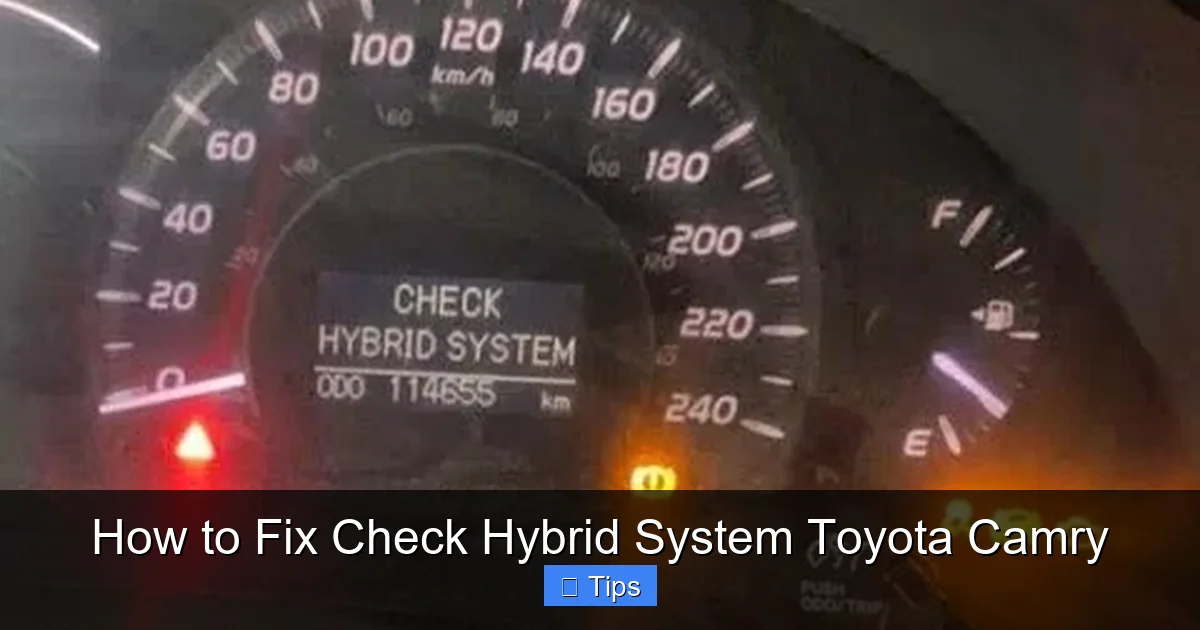
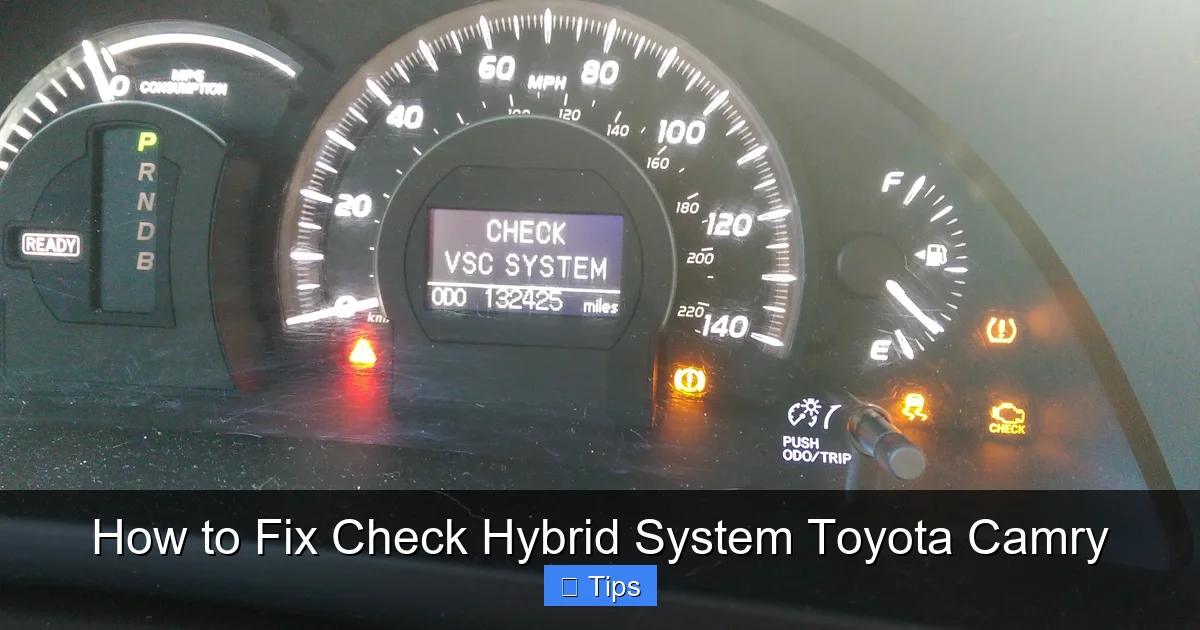
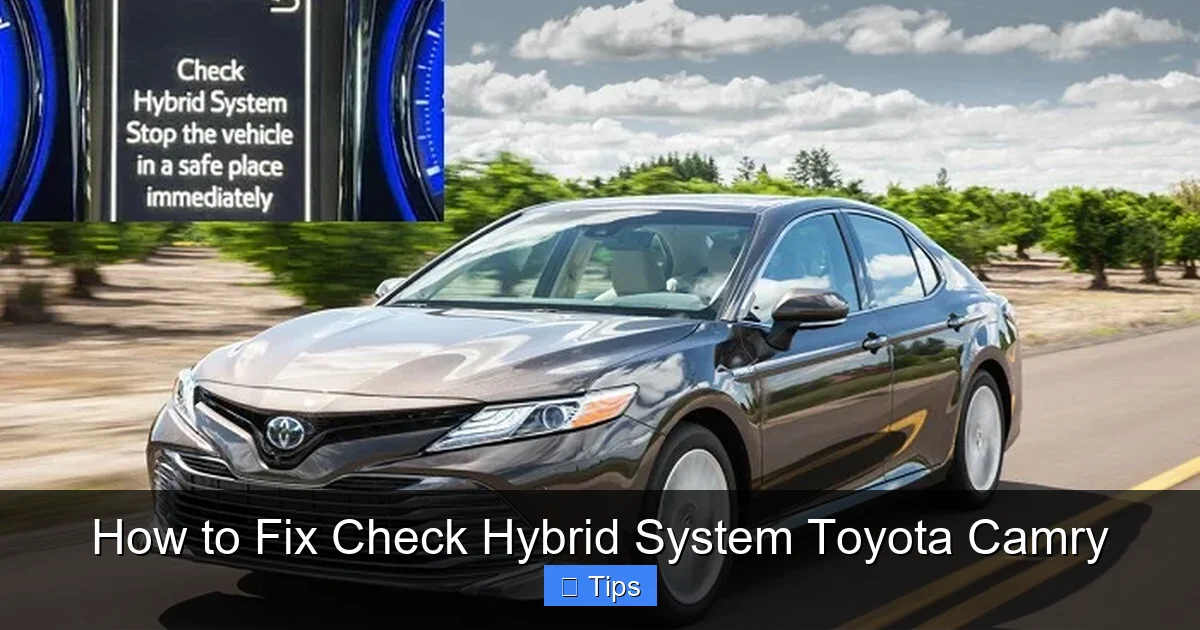
If you’re driving your Toyota Camry Hybrid and suddenly see the dreaded “Check Hybrid System” warning light on the dashboard, your first reaction might be panic. Don’t worry—you’re not alone. This warning appears when the vehicle’s onboard computer detects a problem within the hybrid powertrain system. Unlike a simple “Check Engine” light, this alert is specific to the hybrid components, including the electric motor, high-voltage battery, inverter, and related control systems.
The hybrid system in your Camry is a complex integration of gasoline engine and electric motor technology. It’s designed for maximum fuel efficiency and smooth operation, but like any advanced system, it can develop issues over time. The warning light is essentially your car’s way of saying, “Hey, something’s not right with the hybrid components—please check it out.” Ignoring it could lead to reduced performance, loss of electric assist, or even a no-start condition.
It’s important to note that this warning doesn’t always mean a catastrophic failure. In many cases, the issue is minor and fixable with basic troubleshooting. However, because hybrid systems involve high-voltage electricity, safety should always be your top priority. Never attempt to open or repair high-voltage components unless you’re trained and equipped to do so.
Common Causes of the “Check Hybrid System” Warning
Visual guide about How to Fix Check Hybrid System Toyota Camry
Image source: i.ytimg.com
Understanding what might trigger this warning is the first step toward fixing it. While the list of potential causes can seem overwhelming, most fall into a few common categories. Let’s break them down so you can identify the likely culprit.
1. Faulty Inverter Coolant Pump
One of the most frequent causes of the “Check Hybrid System” light is a failing inverter coolant pump. This small but crucial component circulates coolant through the inverter, which converts DC power from the hybrid battery into AC power for the electric motor. If the pump stops working or becomes clogged, the inverter can overheat, triggering the warning light.
Symptoms of a bad inverter coolant pump include overheating, reduced power, and the hybrid system shutting down intermittently. You might also notice a whining noise from under the hood or see coolant leaks. In many Toyota Camry Hybrids, especially models from 2007 to 2015, this pump is known to fail around the 100,000-mile mark.
2. Weak or Dead 12V Auxiliary Battery
Surprisingly, a weak 12V battery can cause the “Check Hybrid System” light to come on. The 12V battery powers the car’s electronics, including the hybrid control module. If it’s old or failing, the system may not receive enough power to operate correctly, leading to false error codes.
This is especially common in older Camry Hybrids or vehicles that sit unused for long periods. A quick test with a multimeter can reveal if the 12V battery is holding a charge. Most should read around 12.6 volts when the car is off and 13.7–14.7 volts when running.
3. High-Voltage Battery Issues
The high-voltage (HV) battery pack is the heart of your hybrid system. Over time, individual cells within the battery can degrade, reducing overall capacity and efficiency. While Toyota’s hybrid batteries are built to last, they’re not immortal. A failing HV battery can trigger the warning light, especially if the system detects a voltage imbalance or excessive resistance.
Signs of a deteriorating HV battery include reduced electric-only driving range, frequent gasoline engine use, and shorter overall battery life. However, don’t panic—battery degradation is gradual, and many Camry Hybrids still run well past 200,000 miles with proper care.
4. Inverter or Motor Generator Problems
The inverter and motor generators (MG1 and MG2) are critical parts of the hybrid system. The inverter controls the flow of electricity between the battery and motors, while the motor generators act as both motors and generators depending on driving conditions. If either component develops a fault—such as a short circuit, sensor failure, or internal wear—the system will detect it and illuminate the warning light.
These issues are less common but more serious. They often require diagnostic scanning and professional repair. In some cases, the inverter may need to be replaced, which can be costly but is sometimes covered under extended hybrid component warranties.
5. Software Glitches or Sensor Failures
Modern hybrids rely heavily on software and sensors to manage power flow. A glitch in the hybrid control module or a faulty sensor (like a temperature or voltage sensor) can cause the system to misread conditions and trigger the warning light. These issues are often intermittent and may resolve after a reset or software update.
Toyota occasionally releases software updates to improve hybrid system performance and fix known bugs. If your Camry is older, it’s worth checking with a dealership to see if any updates are available.
Step-by-Step Troubleshooting: How to Fix Check Hybrid System Toyota Camry
Visual guide about How to Fix Check Hybrid System Toyota Camry
Image source: somegadgetguy.com
Now that you know the common causes, let’s walk through a practical troubleshooting process. Follow these steps in order to diagnose and potentially fix the issue yourself.
Step 1: Check the 12V Battery
Start with the simplest fix. Pop the hood and locate the 12V battery (usually in the engine bay, though some models have it in the trunk). Use a multimeter to check the voltage. If it’s below 12.4 volts when the car is off, it may be weak or dying. Try charging it with a battery charger or jump-starting the car.
If the battery is more than 4–5 years old, consider replacing it. A new 12V battery is inexpensive (around $100–$150) and can resolve many false hybrid system warnings.
Step 2: Inspect the Inverter Coolant Pump
Locate the inverter coolant pump—it’s usually near the firewall on the passenger side. Check for visible leaks, loose hoses, or corrosion. Listen for a humming sound when the car is on; if the pump is silent, it may be dead.
You can test the pump by disconnecting the electrical connector and using a 12V power source to see if it spins. If it doesn’t, it needs replacement. A new pump costs $150–$300, and installation is straightforward with basic tools.
Step 3: Check Coolant Levels and Condition
Low or contaminated coolant can cause overheating in the inverter. Check the coolant reservoir and radiator (when cool) to ensure proper levels. The coolant should be clean and free of debris. If it’s dirty or has a burnt smell, a coolant flush may be needed.
Use only Toyota-approved hybrid coolant (usually pink or blue) and never mix it with regular antifreeze. Improper coolant can damage seals and reduce efficiency.
Step 4: Scan for Diagnostic Trouble Codes (DTCs)
This is where an OBD2 scanner becomes essential. While basic code readers can pull engine codes, you’ll need a scanner capable of reading hybrid-specific codes (like the Techstream or a high-end Bluetooth scanner with hybrid support).
Plug the scanner into the OBD2 port (under the dashboard near the steering wheel) and turn the ignition to “ON.” Look for codes starting with “P0A” or “P3”—these are hybrid-related. For example:
– P0A7F: Hybrid Battery Pack Deterioration
– P3190: Hybrid System Malfunction
– P0A93: Inverter Coolant Pump Performance
Write down the codes and research them online or consult a repair manual. This will help you pinpoint the exact issue.
Step 5: Reset the System
Sometimes, the warning light appears due to a temporary glitch. Try resetting the hybrid system by:
1. Turning off the car.
2. Disconnecting the negative terminal of the 12V battery.
3. Waiting 10–15 minutes.
4. Reconnecting the terminal.
5. Starting the car and driving for 10–15 minutes.
This reset can clear minor software errors and allow the system to recalibrate. If the light returns, the issue is likely mechanical.
Step 6: Monitor Driving Behavior
Pay attention to how the car drives. Does it hesitate during acceleration? Does the gasoline engine run more than usual? Does the electric motor seem weak? These clues can help you determine if the problem is with the battery, inverter, or motor.
For example, if the car struggles to start or the “READY” light takes longer to appear, it could indicate a weak HV battery. If the car jerks or loses power under load, the inverter or motor may be at fault.
When to Visit a Toyota Dealer or Hybrid Specialist
Visual guide about How to Fix Check Hybrid System Toyota Camry
Image source: cararac.com
While many “Check Hybrid System” issues can be resolved at home, some require professional attention. Here’s when you should stop DIY troubleshooting and seek expert help.
High-Voltage Battery Diagnostics
Testing the high-voltage battery requires specialized equipment and safety precautions. A technician can perform a cell balance test, measure internal resistance, and determine if the battery needs repair or replacement. Attempting to open the HV battery pack yourself is extremely dangerous due to the risk of electric shock.
Inverter or Motor Generator Repairs
These components are complex and integrated into the hybrid system. Replacing an inverter or motor generator involves disconnecting the high-voltage system, which should only be done by certified technicians. Most dealerships and hybrid specialists have the tools and training to handle these repairs safely.
Software Updates and Reprogramming
If the issue is related to software, a dealership can connect your car to Toyota’s Techstream system and apply the latest updates. This can fix bugs, improve performance, and resolve false error codes.
Warranty and Recall Considerations
Toyota offers an 8-year/100,000-mile warranty on hybrid components in most states (10 years/150,000 miles in California and other CARB states). If your Camry is still under warranty, repairs may be covered at no cost. Additionally, check for any open recalls related to the hybrid system—Toyota has issued several in the past for inverter and battery issues.
Preventative Maintenance Tips to Avoid Future Issues
An ounce of prevention is worth a pound of cure—especially with hybrid systems. Follow these tips to keep your Toyota Camry Hybrid running smoothly for years to come.
Drive Regularly
Hybrid batteries need regular use to stay healthy. If your car sits unused for weeks or months, the HV battery can slowly discharge, leading to cell imbalance and reduced performance. Try to drive your Camry at least once a week for 20–30 minutes to keep the system active.
Maintain the 12V Battery
Replace the 12V battery every 4–5 years, even if it seems fine. A weak auxiliary battery can cause all sorts of electrical gremlins, including hybrid system warnings. Consider installing a battery maintainer if you don’t drive often.
Follow the Maintenance Schedule
Toyota recommends specific maintenance for hybrid vehicles, including:
– Inverter coolant replacement every 100,000 miles
– Air filter replacement every 15,000–30,000 miles
– Brake fluid change every 2 years
– Hybrid system inspection every 30,000 miles
Sticking to this schedule can prevent many common issues.
Use Quality Parts and Fluids
Always use OEM or high-quality aftermarket parts when replacing components. Cheap coolant, filters, or batteries can cause more problems than they solve. Stick to Toyota-recommended fluids and avoid mixing different types.
Keep the Car Clean
Dirt and debris can clog cooling vents and sensors. Regularly clean the engine bay, especially around the inverter and battery cooling fans. This helps prevent overheating and sensor malfunctions.
Real-World Example: Fixing a 2012 Camry Hybrid
Let’s look at a real case to illustrate the troubleshooting process. Sarah, owner of a 2012 Toyota Camry Hybrid, noticed the “Check Hybrid System” light came on during her morning commute. The car still ran, but the electric assist seemed weaker, and the gasoline engine kicked in more often.
She started by checking the 12V battery—voltage was normal at 12.6 volts. Next, she inspected the inverter coolant pump and noticed it wasn’t running. She disconnected the connector and applied 12V directly—no movement. She ordered a replacement pump online for $180 and installed it in under an hour.
After replacing the pump, she cleared the error codes with an OBD2 scanner and took the car for a test drive. The light stayed off, and the hybrid system returned to normal operation. Total cost: under $200 and one afternoon of work.
This example shows that many hybrid system issues are fixable with basic tools and patience. However, if Sarah had found a P0A7F code indicating battery deterioration, she would have needed professional diagnostics to determine if the HV battery required repair or replacement.
Conclusion: Stay Calm and Diagnose Smart
Seeing the “Check Hybrid System” warning on your Toyota Camry Hybrid can be stressful, but it doesn’t have to be a nightmare. By understanding the common causes—like a failing inverter coolant pump, weak 12V battery, or software glitch—you can approach the problem methodically and often fix it yourself.
Start with simple checks: test the 12V battery, inspect the coolant pump, and scan for error codes. If the issue persists, don’t hesitate to visit a Toyota dealer or hybrid specialist. Remember, hybrid systems are complex, and safety should always come first.
With regular maintenance and attentive driving, your Camry Hybrid can deliver reliable, fuel-efficient performance for well over 200,000 miles. Treat it well, and it will take care of you—mile after mile.
Frequently Asked Questions
Can I drive my Camry with the “Check Hybrid System” light on?
You may be able to drive short distances, but it’s not recommended. The warning indicates a potential issue that could worsen and leave you stranded. Have the car inspected as soon as possible.
How much does it cost to fix a “Check Hybrid System” issue?
Costs vary widely. A 12V battery replacement is under $200, while an inverter or HV battery repair can cost $1,000–$4,000. Most issues fall in the $150–$500 range for parts and labor.
Will disconnecting the battery reset the hybrid system?
Yes, disconnecting the 12V battery for 10–15 minutes can reset the hybrid control module and clear temporary errors. However, it won’t fix mechanical problems.
How long do Toyota Camry hybrid batteries last?
Most last 150,000–200,000 miles or 10–15 years. With proper care, some exceed 250,000 miles. Degradation is gradual, not sudden.
Can I use a regular OBD2 scanner for hybrid codes?
Basic scanners may not read hybrid-specific codes. Use a scanner with hybrid support (like BlueDriver or Autel) or visit a shop with Techstream access.
Is the inverter coolant pump covered under warranty?
Yes, if your vehicle is within the 8-year/100,000-mile hybrid component warranty (or 10/150,000 in CARB states). Check your warranty status with a Toyota dealer.

At CarLegit, we believe information should be clear, factual, and genuinely helpful. That’s why every guide, review, and update on our website is created with care, research, and a strong focus on user experience.