
Facing an electric parking brake problem on your Acura TLX? You’re not alone. This guide walks you through common causes, DIY fixes, and when to visit a technician—so you can get back on the road safely and confidently.
If you own an Acura TLX, you’re driving one of the most refined and tech-savvy sedans on the market. From its sleek design to its advanced safety features, the TLX delivers a premium experience. One of those modern conveniences is the electric parking brake (EPB)—a system that replaces the old-school hand lever with a simple button press. It’s sleek, space-saving, and adds to the car’s high-tech feel.
But like any advanced system, the electric parking brake can sometimes act up. Maybe the brake won’t release when you press the button. Or perhaps a warning light pops up on your dashboard for no clear reason. You might hear a grinding noise when you try to disengage it, or the car refuses to move even after you’ve shifted into Drive. These issues can be frustrating—and even a little scary—especially if you’re in a hurry or parked on a hill.
The good news? Many electric parking brake problems in the Acura TLX are fixable, especially if you catch them early. With the right knowledge and a few tools, you can often resolve the issue yourself without a costly trip to the dealership. This guide will walk you through everything you need to know—from diagnosing the problem to performing repairs and preventing future issues. Whether you’re a DIY enthusiast or just want to understand what’s going on under the hood, you’ll find practical, easy-to-follow advice here.
In This Article
- 1 Key Takeaways
- 2 📑 Table of Contents
- 3 Understanding the Electric Parking Brake System in the Acura TLX
- 4 Common Symptoms of Electric Parking Brake Problems
- 5 Step-by-Step Troubleshooting for Electric Parking Brake Problems
- 6 DIY Fixes You Can Try at Home
- 7 When to Visit a Technician
- 8 Preventing Future Electric Parking Brake Problems
- 9 Conclusion
- 10 Frequently Asked Questions
- 10.1 Why won’t my Acura TLX electric parking brake release?
- 10.2 Can I drive my Acura TLX if the EPB warning light is on?
- 10.3 How often should I service the electric parking brake?
- 10.4 Is it safe to manually release the electric parking brake?
- 10.5 Can a bad battery cause EPB problems?
- 10.6 Do I need a special scanner to diagnose EPB issues?
Key Takeaways
- Understand the basics: The electric parking brake (EPB) in the Acura TLX uses electronic controls instead of a traditional handbrake, offering convenience but requiring proper maintenance.
- Common symptoms: Warning lights, brake not releasing, grinding noises, or dashboard alerts are signs your EPB needs attention.
- Check the battery first: A weak or failing 12V battery is one of the most frequent causes of EPB malfunctions in the TLX.
- Reset the system: Performing an EPB reset can resolve temporary glitches—follow the correct sequence to avoid damage.
- Inspect brake pads and calipers: Worn pads or seized calipers can prevent the EPB from engaging or disengaging properly.
- Use diagnostic tools: An OBD2 scanner with EPB functionality helps identify error codes and pinpoint the issue.
- Know when to seek help: If DIY steps fail, consult a certified Acura technician to avoid costly repairs or safety risks.
📑 Table of Contents
Understanding the Electric Parking Brake System in the Acura TLX
Before diving into fixes, it helps to understand how the electric parking brake works in your Acura TLX. Unlike older vehicles that use a mechanical handbrake connected by cables, the EPB is fully electronic. When you press the “P” button on the center console, a signal is sent to the brake control module, which activates small electric motors on the rear brake calipers. These motors tighten the brake pads against the rotors, holding the car in place—even on steep inclines.
This system offers several advantages. It frees up cabin space, reduces driver effort, and integrates seamlessly with other safety features like hill-start assist and automatic brake hold. The TLX also includes a self-diagnostic function that monitors the EPB for faults and displays warnings on the instrument cluster if something’s wrong.
However, because the system relies on electronics, sensors, and software, it’s more prone to glitches than a simple mechanical brake. A weak battery, faulty sensor, or software hiccup can trigger a malfunction. That’s why understanding the components and how they interact is the first step toward fixing any electric parking brake problem in your Acura TLX.
Key Components of the EPB System
The electric parking brake in the Acura TLX consists of several key parts:
– EPB Switch: Located on the center console, this is the button you press to engage or disengage the brake.
– Brake Control Module (BCM): The “brain” of the system, it processes signals from the switch and sends commands to the caliper motors.
– Electric Motors on Rear Calipers: These motors physically apply and release the brake pads.
– Wheel Speed Sensors: Help the system determine if the wheels are moving, which is important for automatic disengagement.
– 12V Battery: Powers the entire system—low voltage is a common cause of EPB failure.
– Fuses and Relays: Protect the electrical circuits; a blown fuse can disable the EPB.
All these components must work together for the system to function properly. If one fails or sends incorrect data, the entire system can go offline.
How the EPB Engages and Disengages
When you press the EPB button to engage the brake, the following happens:
1. The switch sends a signal to the brake control module.
2. The module checks vehicle speed (must be near zero) and battery voltage.
3. If conditions are met, the module activates the electric motors on the rear calipers.
4. The motors tighten the brake pads against the rotors, holding the car in place.
To disengage, you press the button again—usually while pressing the brake pedal and shifting into Drive or Reverse. The system then reverses the motor action, releasing the brake.
Some models also feature automatic disengagement when you press the accelerator, provided the brake pedal is pressed first. This feature enhances convenience but adds another layer of complexity.
Common Symptoms of Electric Parking Brake Problems
Visual guide about How to Fix Electric Parking Brake Problem Acura Tlx
Image source: thecarhow.com
Recognizing the signs of an electric parking brake problem early can save you time, money, and stress. Here are the most common symptoms Acura TLX owners report:
Warning Lights on the Dashboard
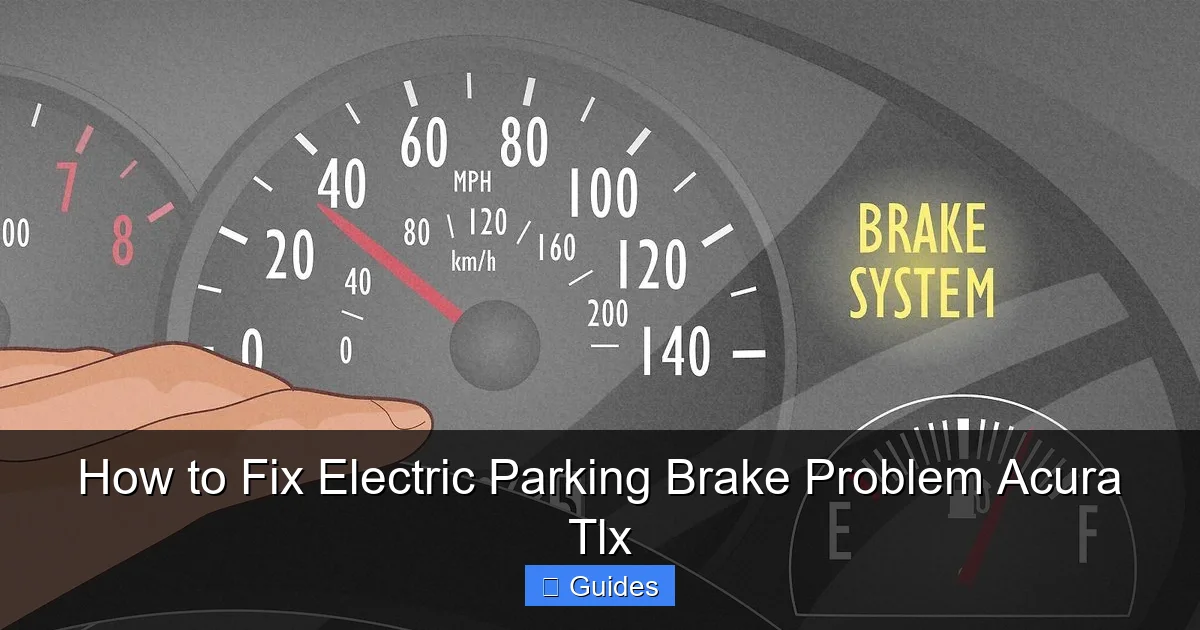
One of the first signs of trouble is a warning light. The Acura TLX uses several indicators related to the EPB:
– Parking Brake Light: A red “P” icon that stays on even after you’ve disengaged the brake.
– ABS or Brake System Warning: An amber or yellow light that may indicate a broader brake issue.
– Check EPB System Message: A text alert on the instrument cluster, often accompanied by a chime.
These lights don’t always mean a serious failure—sometimes they’re triggered by low battery voltage or a temporary glitch. But they should never be ignored.
Brake Won’t Release
This is one of the most frustrating issues. You press the release button, but the brake stays engaged. The car may not move, or it might lurch forward with a grinding noise. This can happen if:
– The brake pads are stuck due to corrosion or lack of use.
– The electric motor is faulty or seized.
– The brake control module isn’t receiving power.
In some cases, the brake may release after a few minutes or after restarting the car. But if it happens repeatedly, it’s time to investigate.
Brake Won’t Engage
On the flip side, the EPB might fail to engage when you press the button. This is especially dangerous if you’re parked on a hill and rely on the brake to hold the car. Causes include:
– Worn brake pads that can’t create enough clamping force.
– A faulty EPB switch.
– Low battery voltage preventing motor activation.
Grinding or Clicking Noises
Unusual sounds when operating the EPB are a red flag. Grinding may indicate that the brake pads are dragging or that the motor is struggling to move. Clicking could mean the motor is trying to engage but can’t—possibly due to a mechanical blockage.
Intermittent Operation
Sometimes the EPB works fine one day and fails the next. This inconsistency often points to an electrical issue, such as a loose connection, corroded wiring, or a failing sensor.
Step-by-Step Troubleshooting for Electric Parking Brake Problems
Visual guide about How to Fix Electric Parking Brake Problem Acura Tlx
Image source: wikihow.com
Now that you know what to look for, let’s walk through a systematic approach to diagnosing and fixing electric parking brake problems in your Acura TLX. Follow these steps in order—they’re designed to be safe, logical, and effective.
Step 1: Check the 12V Battery
Believe it or not, a weak or dying battery is one of the most common causes of EPB malfunctions. The electric motors need a strong voltage supply to operate. If the battery is low—especially below 12 volts—the system may refuse to engage or disengage.
What to do:
– Use a multimeter to check the battery voltage. A healthy battery should read 12.6 volts or higher when the car is off.
– If the voltage is low, try charging the battery or jump-starting the car.
– After restarting, test the EPB. In many cases, the problem resolves once the battery is fully charged.
Pro Tip: If your TLX has been sitting for a week or more, the battery may have drained. Modern cars with lots of electronics consume power even when off.
Step 2: Perform an EPB Reset
Sometimes the system just needs a reset—like restarting a computer. Acura vehicles have a built-in procedure to recalibrate the electric parking brake.
How to reset the EPB on an Acura TLX:
1. Turn the ignition to the “ON” position (do not start the engine).
2. Press and hold the EPB switch for 10–15 seconds.
3. Release the switch, then press it again and hold for another 10–15 seconds.
4. You should hear the motors activate briefly—this means the reset is working.
5. Turn off the ignition and wait 30 seconds.
6. Start the car and test the EPB.
This process reinitializes the brake control module and can clear temporary faults.
Note: Some models may require the brake pedal to be pressed during the reset. Consult your owner’s manual for exact steps.
Step 3: Inspect the EPB Switch
The switch itself can fail over time. Dirt, moisture, or worn contacts can prevent it from sending the correct signal.
What to check:
– Is the switch physically damaged or stuck?
– Does it click when pressed?
– Is there any visible corrosion?
You can test the switch with a multimeter for continuity, but if you’re not comfortable with electrical work, it’s best to have a technician inspect it.
Step 4: Scan for Diagnostic Trouble Codes (DTCs)
Modern Acura TLX models store error codes when the EPB system detects a fault. These codes can tell you exactly what’s wrong—saving you hours of guesswork.
How to scan:
– Use an OBD2 scanner that supports EPB diagnostics (not all do).
– Plug the scanner into the OBD2 port (usually under the dashboard near the steering wheel).
– Turn the ignition to “ON” and follow the scanner’s instructions.
– Look for codes like C1155 (EPB motor circuit), C1156 (EPB switch), or U0121 (lost communication with brake module).
Write down any codes and research their meaning. Many are available online or in repair manuals.
Pro Tip: If you don’t own a scanner, most auto parts stores offer free code reading. Just ask!
Step 5: Inspect Brake Pads and Calipers
Worn brake pads or seized calipers can prevent the EPB from working properly. The electric motors rely on smooth movement of the caliper pistons. If they’re stuck, the brake won’t engage or release.
What to look for:
– Are the rear brake pads worn down? (Minimum thickness is usually 3mm.)
– Is there rust or corrosion on the caliper slides?
– Do the caliper pins move freely when pressed?
If the pads are worn, replace them. If the calipers are seized, they may need to be rebuilt or replaced. This is a job for someone with mechanical experience—improper brake work can be dangerous.
Step 6: Check Fuses and Relays
A blown fuse or faulty relay can cut power to the EPB system.
Where to look:
– Refer to your owner’s manual for the fuse box locations (usually under the dashboard and in the engine bay).
– Find the fuses labeled “EPB,” “BRAKE,” or “BCM.”
– Use a fuse puller or needle-nose pliers to remove and inspect each fuse.
– Replace any that are blown (look for a broken wire inside).
Also check the relays—they’re larger than fuses and can be tested by swapping with a known good one.
DIY Fixes You Can Try at Home
Visual guide about How to Fix Electric Parking Brake Problem Acura Tlx
Image source: thecarhow.com
If troubleshooting points to a simple issue, you may be able to fix it yourself. Here are some common DIY solutions for electric parking brake problems in the Acura TLX.
Jump-Start the Car and Reset the System
As mentioned earlier, a weak battery is often the culprit. If your TLX has been sitting or you’ve used a lot of electronics (like heated seats or infotainment), the battery may be drained.
– Jump-start the car using jumper cables and another vehicle.
– Let it run for 15–20 minutes to recharge the battery.
– Turn off the engine, wait 30 seconds, then restart.
– Perform the EPB reset procedure.
In many cases, this resolves the issue.
Lubricate Caliper Slides and Pins
Over time, caliper slides and pins can seize due to dirt and corrosion. This prevents the brakes from releasing fully.
What you’ll need: Brake cleaner, high-temperature brake grease, and a socket set.
Steps:
1. Remove the rear wheels.
2. Take off the brake caliper (support it with a wire—don’t let it hang by the brake line).
3. Clean the caliper slides and pins with brake cleaner.
4. Apply a thin layer of brake grease to the pins and slides.
5. Reassemble and test the EPB.
Warning: Never use regular grease—it can melt and damage brake components.
Manually Release the EPB (Emergency Procedure)
If the brake is stuck and you can’t move the car, you may need to release it manually. This is a last resort and should only be done if you’re stranded.
How to do it:
1. Locate the manual release tool (usually a small Allen key or Torx bit stored in the glove box or trunk).
2. Find the manual release port on the rear brake caliper (consult your owner’s manual for the exact location).
3. Insert the tool and turn it counterclockwise to release the brake.
4. Once released, drive to a repair shop immediately.
Important: This is a temporary fix. The underlying issue must be addressed to prevent recurrence.
When to Visit a Technician
While many EPB issues can be resolved at home, some problems require professional attention. Here’s when you should call a certified Acura technician:
Persistent Warning Lights After Reset
If the EPB warning light returns after a reset and battery check, there’s likely a deeper electrical or mechanical issue.
Grinding or Burning Smells
These could indicate overheating brakes or a seized motor—both serious safety hazards.
Fluid Leaks Near the Rear Wheels
Brake fluid leaks suggest a damaged caliper or line, which compromises braking performance.
Error Codes Indicating Module or Motor Failure
Codes like C1155 (motor circuit fault) or U0121 (communication error) often require specialized tools and expertise to fix.
You’re Not Comfortable with Brake Work
Brakes are critical safety components. If you’re unsure about any step, it’s better to seek professional help.
Acura dealerships and certified repair shops have the tools and training to diagnose and repair EPB systems accurately. They can also perform software updates that may resolve glitches.
Preventing Future Electric Parking Brake Problems
An ounce of prevention is worth a pound of cure—especially with complex systems like the EPB. Here’s how to keep your Acura TLX’s electric parking brake in top shape.
Maintain a Healthy Battery
– Drive your car regularly to keep the battery charged.
– Avoid leaving electronics on when the engine is off.
– Test the battery annually, especially before winter.
Use the EPB Regularly
Don’t let the brake sit unused for weeks. Engage and disengage it at least once a week to keep the motors and calipers moving.
Keep the Brake System Clean
Wash your car regularly, especially the wheels and brakes. Salt, dirt, and moisture can cause corrosion.
Follow the Maintenance Schedule
Refer to your owner’s manual for recommended brake inspections. Most experts suggest checking the rear brakes every 12,000 miles.
Avoid Overloading the Car
Excessive weight can strain the brake system, including the EPB motors.
Conclusion
Dealing with an electric parking brake problem in your Acura TLX can be stressful, but it doesn’t have to be a nightmare. With the right approach, many issues are fixable at home—especially if you start with the basics like checking the battery and performing a system reset. Understanding how the EPB works, recognizing the warning signs, and knowing when to seek help are key to keeping your TLX safe and reliable.
Remember, the electric parking brake is a sophisticated system designed for convenience and safety. But like any technology, it needs care and attention. By following the steps in this guide, you’ll be better equipped to handle any EPB issue that comes your way. And when in doubt, don’t hesitate to consult a professional—your safety is worth it.
Whether you’re a seasoned DIYer or a first-time Acura owner, this guide gives you the knowledge and confidence to tackle electric parking brake problems head-on. So the next time that warning light flashes, you’ll know exactly what to do.
Frequently Asked Questions
Why won’t my Acura TLX electric parking brake release?
This is often caused by a weak battery, a faulty switch, or seized calipers. Start by checking the battery voltage and performing an EPB reset. If the problem persists, inspect the brake components or scan for error codes.
Can I drive my Acura TLX if the EPB warning light is on?
You can drive short distances, but it’s not recommended. The brake may not hold the car securely, especially on hills. Have the system checked as soon as possible to avoid safety risks.
How often should I service the electric parking brake?
There’s no specific interval, but inspect the rear brakes during regular maintenance (every 12,000 miles). Also, use the EPB weekly to prevent sticking.
Is it safe to manually release the electric parking brake?
Yes, but only in emergencies. Use the manual release tool provided, and drive to a repair shop immediately. Don’t ignore the underlying issue.
Can a bad battery cause EPB problems?
Absolutely. The EPB motors need sufficient voltage to operate. A weak or dying battery is one of the most common causes of EPB failure in the Acura TLX.
Do I need a special scanner to diagnose EPB issues?
Yes, not all OBD2 scanners support EPB diagnostics. Look for one that can read brake system codes, or visit a shop with advanced diagnostic tools.

At CarLegit, we believe information should be clear, factual, and genuinely helpful. That’s why every guide, review, and update on our website is created with care, research, and a strong focus on user experience.