
The slip indicator light on your Nissan Altima is a safety warning that shouldn’t be ignored. It usually signals an issue with the vehicle stability control (VSC) or traction control system, but can often be resolved with simple fixes like checking tire pressure, resetting the system, or inspecting sensors.
In This Article
- 1 Key Takeaways
- 2 📑 Table of Contents
- 3 What Is the Slip Indicator Light on a Nissan Altima?
- 4 Common Causes of the Slip Indicator Light
- 5 Step-by-Step Guide to Diagnosing the Problem
- 6 How to Reset the Slip Indicator Light
- 7 When to Visit a Mechanic or Dealership
- 8 Preventing Future Slip Indicator Light Issues
- 9 Conclusion
- 10 Frequently Asked Questions
- 10.1 Why is my slip indicator light on in my Nissan Altima?
- 10.2 Can I drive my Altima with the slip light on?
- 10.3 How do I turn off the slip indicator light?
- 10.4 Is the slip light the same as the ABS light?
- 10.5 Do I need a mechanic to fix the slip light?
- 10.6 Can bad tires cause the slip light to come on?
Key Takeaways
- Understand the slip indicator light: It’s part of the Vehicle Dynamic Control (VDC) system and warns of traction or stability issues.
- Check tire pressure first: Low or uneven tire pressure is a common and easily fixable cause.
- Inspect wheel speed sensors: Dirt, damage, or misalignment can trigger false warnings.
- Reset the system properly: Use the VDC off button or disconnect the battery to reset the control module.
- Scan for trouble codes: Use an OBD2 scanner to identify specific faults in the ABS or VDC system.
- Avoid driving with the light on: It may disable traction control, increasing the risk of skidding or loss of control.
- Seek professional help if needed: Persistent lights may indicate serious electrical or mechanical problems.
📑 Table of Contents
What Is the Slip Indicator Light on a Nissan Altima?
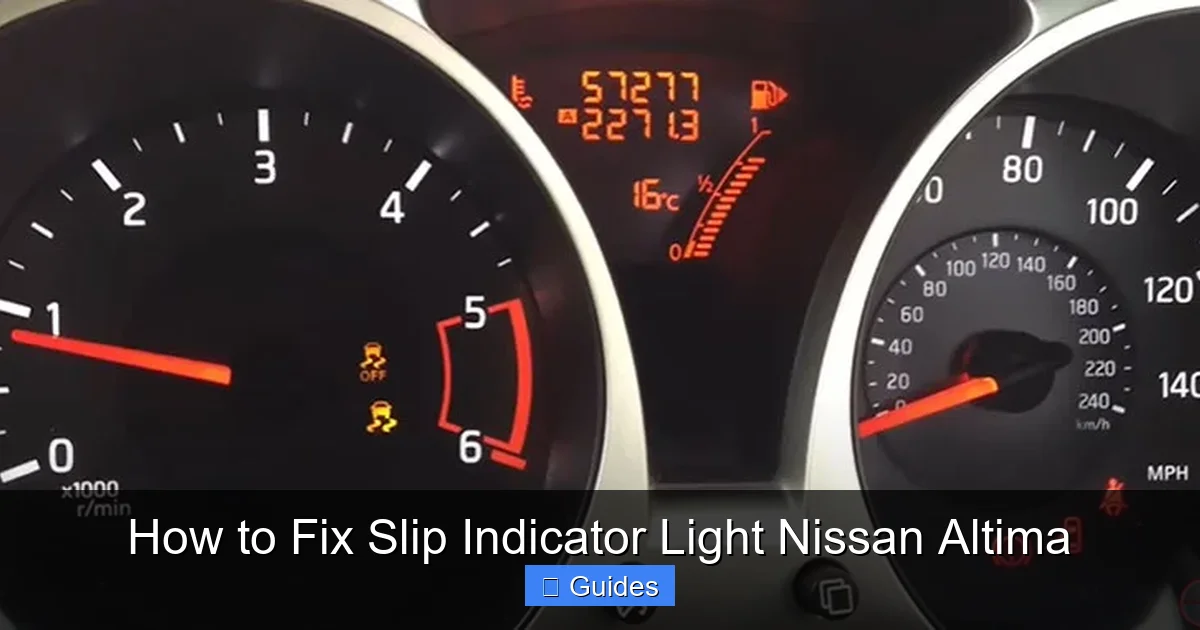
If you’ve ever been driving your Nissan Altima and suddenly seen a flashing or steady slip indicator light on the dashboard, you’re not alone. This little icon—often showing a car with squiggly lines beneath it—can be confusing and even alarming. But don’t panic. In most cases, it’s not a sign of a major breakdown, but rather a warning from your car’s advanced safety systems.
The slip indicator light is directly linked to the Vehicle Dynamic Control (VDC) system, which is Nissan’s version of electronic stability control (ESC). This system works alongside the anti-lock braking system (ABS) and traction control to help keep your car stable, especially in slippery conditions like rain, snow, or gravel. When the VDC detects that one or more wheels are losing grip—such as during a sharp turn or sudden acceleration—it automatically applies brakes to individual wheels and may reduce engine power to help you maintain control.
When the slip light comes on, it means the system has detected a problem or has intervened to prevent a skid. A flashing light usually indicates the system is actively working, while a steady light suggests a fault that needs attention. Understanding what this light means is the first step toward fixing it—and keeping your Altima safe on the road.
Common Causes of the Slip Indicator Light
Visual guide about How to Fix Slip Indicator Light Nissan Altima
Image source: bryansgarage.com
There’s no single reason why the slip indicator light turns on in a Nissan Altima. In fact, it can be triggered by a wide range of issues, from minor inconveniences to more serious mechanical faults. The good news? Many of these causes are easy to identify and fix, especially if you know what to look for.
One of the most common culprits is low or uneven tire pressure. The VDC system relies on consistent wheel speed data from each tire. If one tire is significantly underinflated, it will rotate at a different speed than the others, confusing the system and triggering the light. This is especially common in colder months when tire pressure drops due to temperature changes.
Another frequent cause is dirty or damaged wheel speed sensors. These small sensors, located near each wheel hub, monitor how fast each wheel is spinning. If they get covered in mud, snow, or road grime—or if their wiring gets frayed—they can send incorrect signals to the VDC module. Even a small amount of debris can interfere with the magnetic field the sensor uses to detect wheel rotation.
Faulty steering angle sensors are also a known issue. This sensor tells the VDC system the direction the wheels are pointing. If it’s misaligned or malfunctioning—often after a wheel alignment or suspension repair—the system may think the car is skidding when it’s not, causing the light to come on.
In some cases, the problem lies with the VDC control module itself. Like any computer, it can experience glitches or fail over time. Electrical issues, such as corroded connectors or blown fuses, can also disrupt communication between sensors and the module.
Lastly, driving on loose surfaces like gravel, snow, or wet leaves can temporarily trigger the light. The system may interpret wheel slip as a loss of control, even if the car is handling normally. In these cases, the light often goes off once you return to normal road conditions.
Step-by-Step Guide to Diagnosing the Problem
Visual guide about How to Fix Slip Indicator Light Nissan Altima
Image source: bryansgarage.com
When the slip indicator light appears, the first thing you should do is stay calm and assess the situation. Is the light flashing or steady? Are you driving on a slippery road? Have you recently rotated tires or had any maintenance done? These clues can help narrow down the cause.
Start with a visual inspection. Check all four tires for proper inflation. Use a reliable tire pressure gauge and compare the readings to the recommended PSI listed on the driver’s side door jamb sticker. If one tire is significantly lower, inflate it and see if the light goes off after driving for a few minutes. Uneven wear patterns or bulges in the sidewall could also indicate a deeper issue.
Next, inspect the wheel speed sensors. These are usually located behind the brake rotors and are connected by thin wires. Look for signs of physical damage, corrosion, or loose connections. If you’ve recently driven through deep mud or snow, clean the area around the sensors gently with a soft brush and compressed air.
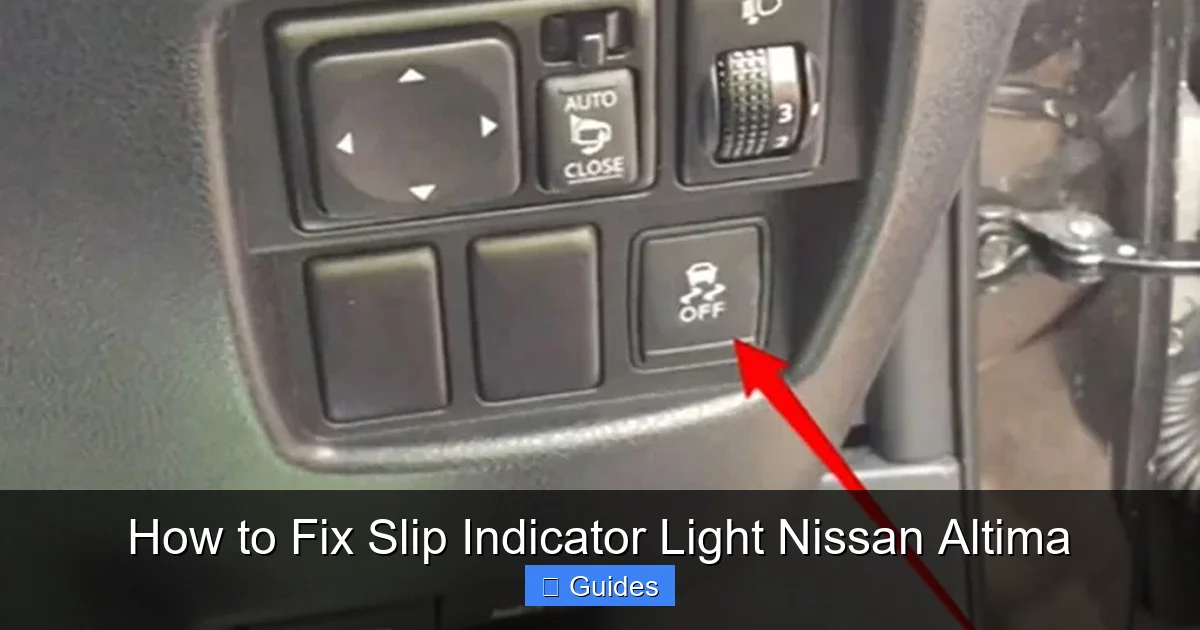
If the tires and sensors look fine, try turning the VDC system off and back on. In most Nissan Altimas, there’s a VDC OFF button near the steering wheel. Press and hold it for a few seconds to disable the system, then press it again to re-enable it. This can reset the system and clear temporary glitches. Note: Only do this in safe driving conditions, as turning off VDC reduces stability control.
If the light remains on, it’s time to use an OBD2 scanner. These affordable tools plug into the diagnostic port under the dashboard (usually near the driver’s knee) and can read trouble codes from the car’s computer. Look for codes related to the ABS, VDC, or wheel speed sensors—such as C1101, C1102, or C1145. These codes will point you toward the specific component that’s causing the issue.
For example, a C1101 code typically indicates a problem with the front left wheel speed sensor. This could mean the sensor is dirty, damaged, or has a broken wire. A C1145 code might point to a faulty steering angle sensor, which often requires recalibration after replacement.
If you’re not comfortable using a scanner or interpreting codes, visit a trusted mechanic or Nissan dealership. They have professional-grade diagnostic tools and can quickly pinpoint the problem.
How to Reset the Slip Indicator Light
Visual guide about How to Fix Slip Indicator Light Nissan Altima
Image source: bryansgarage.com
Once you’ve identified and addressed the underlying issue, the next step is resetting the slip indicator light. In many cases, simply fixing the problem—like inflating a tire or cleaning a sensor—will cause the light to turn off automatically after a few minutes of driving. But if it stays on, a manual reset may be needed.
One of the easiest ways to reset the system is by using the VDC OFF button. Turn the ignition to the “ON” position (but don’t start the engine), then press and hold the VDC OFF button for about 5–10 seconds. You should see the slip light blink and then turn off. Release the button, start the engine, and drive normally. The system should now be reset.
If that doesn’t work, try a battery reset. Turn off the engine and remove the negative terminal from the battery using a wrench. Wait at least 15 minutes—this allows the car’s computer systems to fully power down. Reconnect the terminal, start the car, and check if the light is gone. This method clears temporary memory glitches in the VDC module.
Another option is to drive the car in a safe, straight line for about 10–15 minutes at moderate speeds (around 30–40 mph). This gives the system time to recalibrate the wheel speed sensors and steering angle. Make sure all tires are properly inflated and the road is dry and level.
If the light persists after these steps, it’s likely that a fault code is still stored in the system. Use an OBD2 scanner to clear the codes. Most scanners have a “clear codes” function that erases all stored errors. After clearing, drive the car again to see if the light returns.
Keep in mind that resetting the light doesn’t fix the root cause—it only clears the warning. If the original problem isn’t resolved, the light will come back. For example, if a wheel speed sensor is damaged, resetting the system won’t make it work again. You’ll need to replace the faulty part.
When to Visit a Mechanic or Dealership
While many slip indicator light issues can be resolved at home, there are times when professional help is necessary. If you’ve tried the basic troubleshooting steps—checking tire pressure, cleaning sensors, resetting the system—and the light keeps coming back, it’s time to consult an expert.
One red flag is if the ABS light is also on. The ABS and VDC systems share many components, so a problem with one often affects the other. A combined warning could indicate a serious electrical issue, such as a failing control module or damaged wiring harness.
Another sign is if the car feels unstable or pulls to one side. This could mean a wheel speed sensor is completely dead or the VDC system is malfunctioning. Driving in this condition increases the risk of losing control, especially in wet or icy conditions.
If you’ve recently had suspension work, wheel alignment, or brake service, the steering angle sensor may need recalibration. This is a precise procedure that requires specialized equipment and should be done by a qualified technician.
Also, if you’re getting specific trouble codes like C1145 (steering angle sensor) or U1000 (communication error), these often require professional diagnosis. These codes can stem from complex issues like faulty modules, broken CAN bus wiring, or software glitches.
Nissan dealerships have access to factory diagnostic tools and updated software that independent shops may not. They can perform a full system scan, update the VDC firmware, and ensure all sensors are properly calibrated. While dealership service can be more expensive, it’s often worth it for peace of mind and accurate repairs.
That said, many independent mechanics are fully capable of handling VDC issues, especially if they specialize in Japanese vehicles. Just make sure they have experience with Nissan systems and can provide a detailed diagnosis.
Preventing Future Slip Indicator Light Issues
Once you’ve fixed the slip indicator light, you’ll want to avoid seeing it again. Prevention is key—and it starts with regular maintenance and smart driving habits.
First, keep your tires in good condition. Check tire pressure at least once a month and before long trips. Use a quality gauge and adjust for seasonal temperature changes. Rotate your tires every 5,000 to 7,000 miles to ensure even wear. Worn or unbalanced tires can cause uneven rotation, confusing the VDC system.
Next, protect your wheel speed sensors. Avoid driving through deep mud, snow, or standing water when possible. If you do, clean the wheel wells and sensor areas afterward. Inspect the sensor wires during routine brake or suspension checks—look for fraying, corrosion, or loose connections.
If you live in an area with harsh winters, consider using winter tires. They provide better grip on snow and ice, reducing the chances of wheel slip and false VDC warnings. Also, avoid aggressive driving—hard acceleration, sharp turns, and sudden braking can trigger the system unnecessarily.
After any suspension or steering work, make sure the steering angle sensor is recalibrated. This is often overlooked but critical for proper VDC function. Even a small misalignment can cause the light to come on.
Finally, use a code reader periodically to check for pending trouble codes. Some issues don’t trigger the light immediately but can develop over time. Catching them early can save you from more serious problems down the road.
Conclusion
The slip indicator light on your Nissan Altima is more than just a dashboard warning—it’s a vital part of your car’s safety system. While it can be unsettling to see it come on, understanding what it means and how to respond can make all the difference. From checking tire pressure to resetting the system or visiting a mechanic, there are many steps you can take to fix the issue and get back to driving with confidence.
Remember, the light is there to protect you. Ignoring it could mean driving without the benefits of traction and stability control, especially in challenging conditions. By staying proactive with maintenance and addressing problems early, you can keep your Altima running smoothly and safely for years to come.
Whether you’re a DIY enthusiast or prefer professional help, the key is to act quickly and not dismiss the warning. With the right knowledge and tools, fixing the slip indicator light is often simpler than it seems.
Frequently Asked Questions
Why is my slip indicator light on in my Nissan Altima?
The slip indicator light usually means the Vehicle Dynamic Control (VDC) system has detected a loss of traction or a fault in the stability control system. Common causes include low tire pressure, dirty wheel speed sensors, or a malfunctioning steering angle sensor.
Can I drive my Altima with the slip light on?
You can drive short distances, but it’s not recommended. The VDC system may be disabled, reducing your car’s ability to maintain control in slippery conditions. Have the issue diagnosed as soon as possible.
How do I turn off the slip indicator light?
Try resetting the system by pressing the VDC OFF button, inflating tires to the correct pressure, or disconnecting the battery for 15 minutes. If the light persists, use an OBD2 scanner to check for trouble codes.
Is the slip light the same as the ABS light?
No, but they’re related. The slip light is part of the VDC system, while the ABS light relates to the anti-lock braking system. They share components, so a problem with one can affect the other.
Do I need a mechanic to fix the slip light?
Not always. Simple fixes like checking tire pressure or resetting the system can be done at home. But if the light returns or you see other warning lights, a professional diagnosis is recommended.
Can bad tires cause the slip light to come on?
Yes. Worn, underinflated, or unevenly worn tires can cause inconsistent wheel speeds, confusing the VDC system and triggering the light. Regular tire maintenance can prevent this issue.

At CarLegit, we believe information should be clear, factual, and genuinely helpful. That’s why every guide, review, and update on our website is created with care, research, and a strong focus on user experience.