
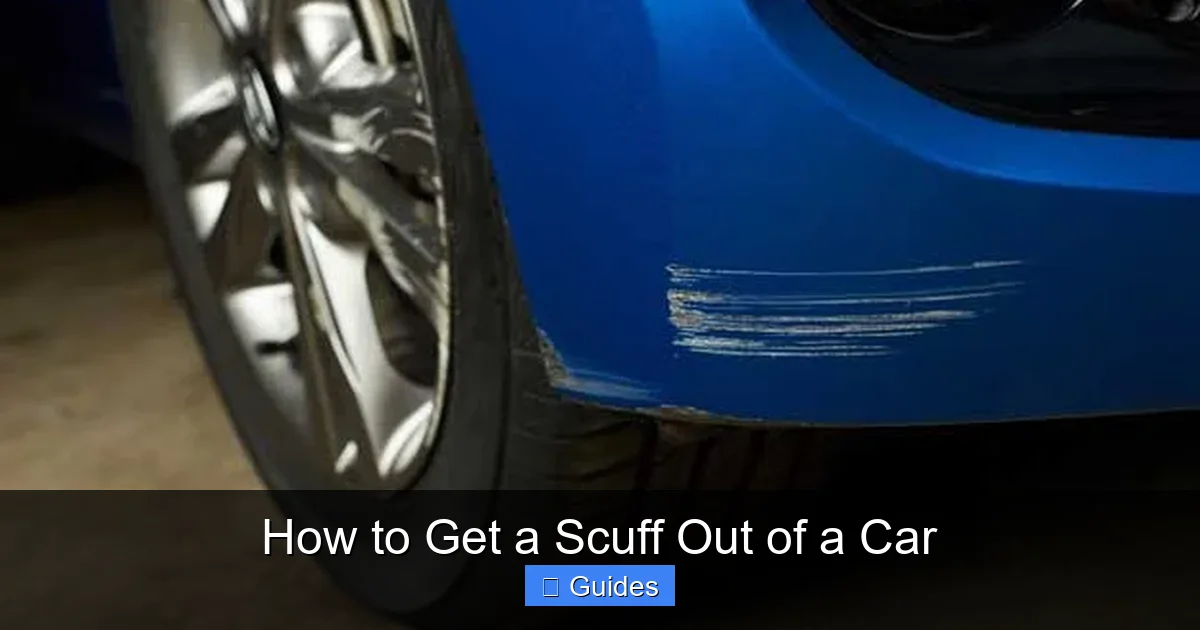
Scuffs on your car don’t have to be permanent eyesores. With the right tools and techniques, you can restore your vehicle’s finish using household items or affordable products. This guide walks you through safe, step-by-step methods to remove scuffs from paint, plastic, and trim without causing damage.
In This Article
- 1 Key Takeaways
- 2 📑 Table of Contents
- 3 How to Get a Scuff Out of a Car: A Complete Guide
- 4 Understanding Car Scuffs: What Are They and Why Do They Happen?
- 5 Tools and Materials You’ll Need
- 6 Step-by-Step Methods to Remove Scuffs
- 6.1 Method 1: Soap and Water (For Light Surface Marks)
- 6.2 Method 2: Baking Soda Paste (For Paint and Plastic Scuffs)
- 6.3 Method 3: Toothpaste (For Small Scuffs on Plastic or Clear Coat)
- 6.4 Method 4: WD-40 (For Plastic and Rubber Trim)
- 6.5 Method 5: Rubbing and Polishing Compounds (For Deeper Paint Scuffs)
- 6.6 Method 6: Plastic Trim Restorer (For Faded or Scuffed Trim)
- 7 When to Call a Professional
- 8 Preventing Future Scuffs
- 9 Conclusion
- 10 Frequently Asked Questions
- 10.1 Can I use nail polish remover to remove a scuff from my car?
- 10.2 Will toothpaste damage my car’s paint?
- 10.3 How do I remove a scuff from a black plastic bumper?
- 10.4 Can I use a magic eraser on my car?
- 10.5 Why do scuffs appear white on dark cars?
- 10.6 How often should I wax my car to prevent scuffs?
Key Takeaways
- Identify the scuff type first: Determine if it’s surface-level, deep, or on plastic/trim to choose the right removal method.
- Start with the gentlest approach: Always try mild solutions like soap and water or toothpaste before moving to more aggressive tools.
- Use microfiber cloths: They’re soft, lint-free, and reduce the risk of scratching your car’s surface during cleaning or polishing.
- Test products in hidden areas: Before applying any cleaner or polish, test it on a small, inconspicuous spot to avoid discoloration or damage.
- Know when to call a pro: Deep scuffs that expose primer or metal may require professional touch-up paint or bodywork.
- Prevent future scuffs: Use car covers, park carefully, and avoid abrasive cleaning tools to keep your car looking new.
📑 Table of Contents
How to Get a Scuff Out of a Car: A Complete Guide
We’ve all been there—pulling into a tight parking spot, brushing against a shopping cart, or accidentally bumping a door against a concrete pillar. One moment your car looks flawless, and the next, there’s a visible scuff marring the paint or trim. It’s frustrating, especially when you take pride in your vehicle’s appearance. But here’s the good news: most scuffs aren’t as permanent as they seem.
Whether it’s a light surface mark or a deeper scratch, knowing how to get a scuff out of a car can save you time, money, and stress. You don’t always need to rush to a body shop or spend hundreds on repairs. With the right knowledge and tools, many scuffs can be removed at home using simple, affordable methods. This guide will walk you through everything you need to know—from identifying the type of scuff to choosing the best removal technique for your car’s specific material.
Understanding Car Scuffs: What Are They and Why Do They Happen?
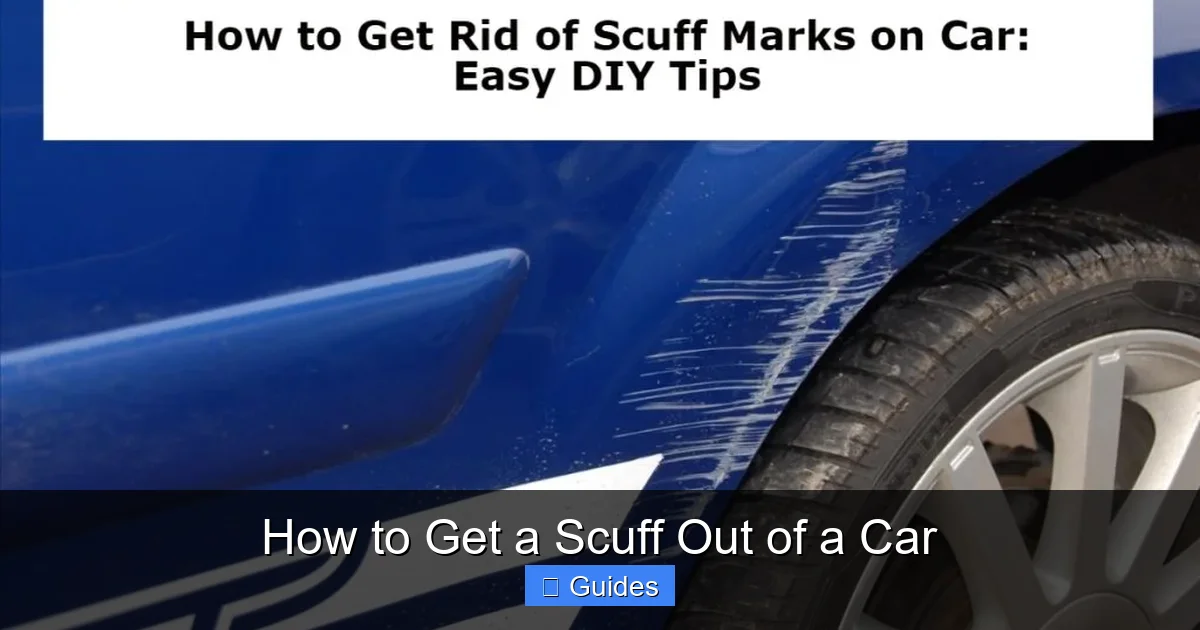
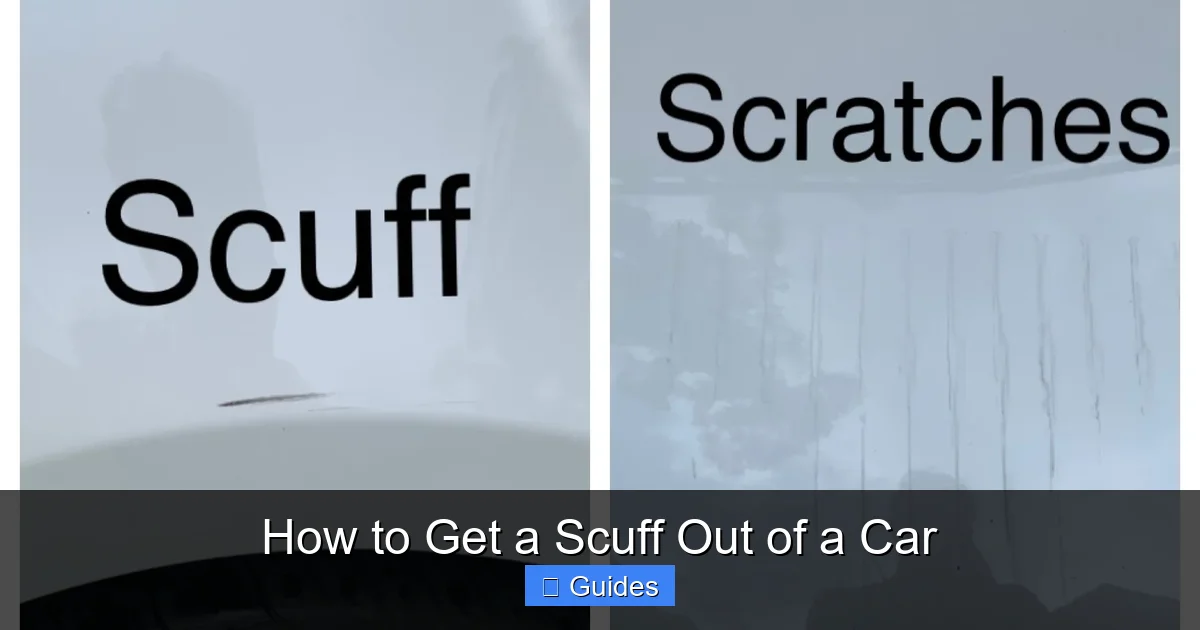
Before diving into removal techniques, it’s important to understand what a scuff actually is. A scuff is a surface-level mark caused by friction or contact with another object. Unlike deep scratches that may expose the primer or bare metal, scuffs typically only affect the top layer of paint or clear coat. They often appear as white or light-colored streaks, especially on darker vehicles, and can occur on painted surfaces, plastic trim, or rubber seals.
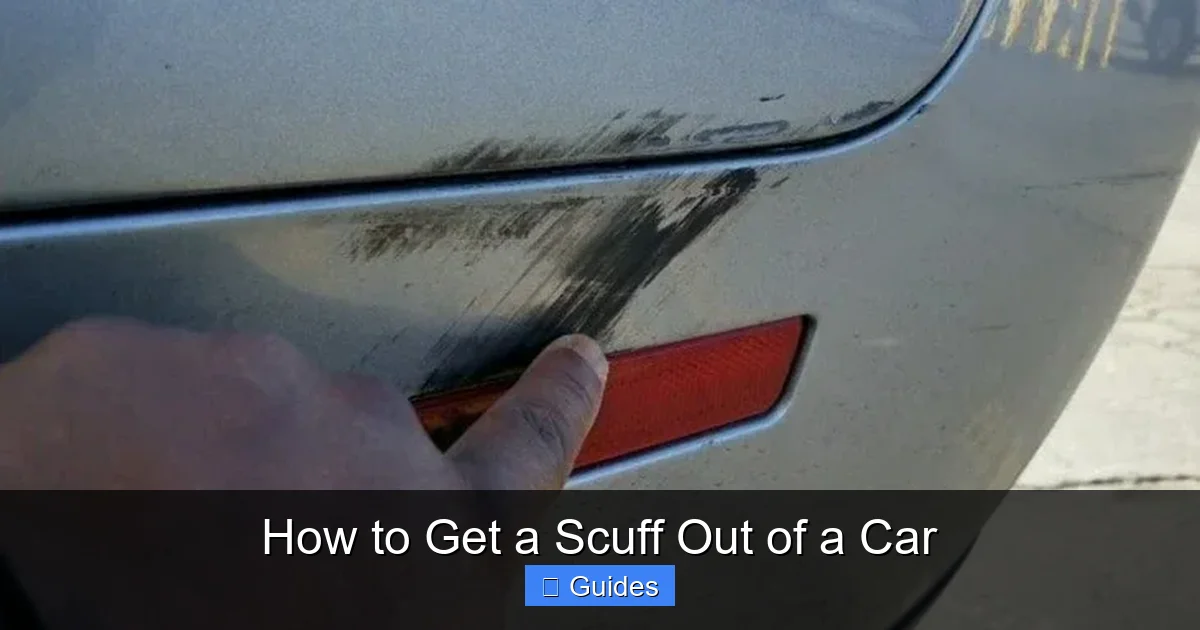
Visual guide about How to Get a Scuff Out of a Car
Image source: paintstrategies.com
Common Causes of Car Scuffs
Scuffs can happen in everyday situations. Some of the most common causes include:
- Parking lot mishaps: Shopping carts, other car doors, or curbs can rub against your vehicle.
- Road debris: Gravel, sand, or small rocks kicked up by other vehicles can create tiny scuff marks.
- Improper washing: Using dirty sponges, harsh brushes, or abrasive cloths during washing can leave micro-scratches.
- Weather and environmental factors: Tree sap, bird droppings, or acidic rain can degrade the clear coat and make scuffs more noticeable.
- Accidental contact: Brushing against fences, walls, or other vehicles while walking or driving.
Types of Scuffs: Paint vs. Plastic vs. Trim
Not all scuffs are the same. The material your scuff appears on determines the best removal method:
- Paint scuffs: These occur on the car’s painted body panels. They may be shallow or deeper, depending on the force of impact. Light paint scuffs often only affect the clear coat.
- Plastic scuffs: Found on bumpers, side mirrors, or trim pieces. Plastic is softer and more prone to scuffing, but also easier to repair with the right products.
- Rubber or vinyl trim scuffs: These appear on window seals, door edges, or interior panels. They’re usually cosmetic and can often be removed with mild cleaners.
Identifying the type of scuff and the material it’s on is the first step toward effective removal. Misdiagnosing a deep scratch as a simple scuff, for example, could lead to using the wrong method and potentially worsening the damage.
Tools and Materials You’ll Need
You don’t need a professional detailing kit to remove most scuffs. Many effective solutions use items you already have at home. However, having the right tools on hand makes the process faster, safer, and more effective.
Visual guide about How to Get a Scuff Out of a Car
Image source: carcareassist.com
Household Items That Work
Before buying specialty products, try these common household items:
- Baking soda: Mix with water to form a gentle paste for light scuffs on paint or plastic.
- Toothpaste (non-gel, non-whitening): Acts as a mild abrasive. Great for small scuffs on plastic or clear coat.
- Vinegar: Helps break down grime and can lift surface marks when used with a soft cloth.
- WD-40: Surprisingly effective for removing scuff marks from plastic and rubber. Spray, let sit, then wipe clean.
- Olive oil or coconut oil: Can temporarily hide light scuffs on dark plastic by filling in micro-abrasions and restoring shine.
Specialty Products for Better Results
For more stubborn scuffs or frequent maintenance, consider investing in these products:
- Rubbing compound: A mild abrasive used to buff out surface imperfections. Best for paint scuffs that don’t go through the clear coat.
- Polishing compound: Less abrasive than rubbing compound, ideal for finishing and restoring shine after scuff removal.
- Plastic polish or trim restorer: Specifically formulated for plastic and vinyl surfaces. Helps remove scuffs and prevent fading.
- Microfiber towels: Essential for safe wiping. They’re soft, absorbent, and won’t scratch surfaces.
- Dual-action polisher (optional): For larger areas or frequent use, a polisher can speed up the process and deliver professional results.
Safety Gear and Precautions
Even with gentle methods, it’s wise to take precautions:
- Work in a shaded area to prevent products from drying too quickly.
- Wear gloves to protect your hands from chemicals or abrasives.
- Use eye protection if working with sprays or polishes.
- Never apply pressure with hard tools like steel wool or rough sponges—these can cause permanent damage.
Having the right tools not only improves results but also reduces the risk of making the problem worse. Always start with the least aggressive method and work your way up if needed.
Step-by-Step Methods to Remove Scuffs
Now that you understand the basics, let’s walk through proven methods to get a scuff out of a car. These techniques are organized from mildest to most intensive, so you can choose the one that fits your situation.
Visual guide about How to Get a Scuff Out of a Car
Image source: images.squarespace-cdn.com
Method 1: Soap and Water (For Light Surface Marks)
Sometimes, what looks like a scuff is just dirt or grime embedded in the surface. Start here—it’s free, safe, and often effective.
Steps:
- Rinse the area with clean water to remove loose debris.
- Mix a few drops of mild dish soap with warm water.
- Dip a soft microfiber cloth into the solution and gently wipe the scuff.
- Rinse with clean water and dry with a second microfiber towel.
- Inspect the area. If the scuff remains, move to the next method.
Tip: Avoid using household cleaners like Windex or all-purpose sprays—they can strip wax and damage clear coat.
Method 2: Baking Soda Paste (For Paint and Plastic Scuffs)
Baking soda is a gentle abrasive that works well on light scuffs without damaging the surface.
Steps:
- Mix 2–3 tablespoons of baking soda with a small amount of water to form a thick paste.
- Apply the paste to the scuff using a soft cloth or your finger.
- Gently rub in circular motions for 30–60 seconds.
- Wipe away the paste with a damp cloth, then dry the area.
- Repeat if necessary, but avoid over-scrubbing.
Example: A black sedan with a white scuff mark on the door panel can often be cleared with baking soda. The mild abrasion lifts the mark without dulling the paint.
Method 3: Toothpaste (For Small Scuffs on Plastic or Clear Coat)
Non-gel, non-whitening toothpaste contains mild abrasives similar to those in commercial polishes. It’s ideal for small, shallow scuffs.
Steps:
- Squeeze a pea-sized amount of toothpaste onto a microfiber cloth.
- Rub the scuff gently in small circular motions.
- After 30–60 seconds, wipe off the toothpaste with a damp cloth.
- Dry the area and check the results.
- Apply wax or sealant if the area looks dull.
Caution: Avoid whitening toothpaste—it contains stronger abrasives that can damage paint over time.
Method 4: WD-40 (For Plastic and Rubber Trim)
WD-40 is a versatile lubricant that can also remove scuff marks from plastic and rubber surfaces. It works by breaking down the foreign material causing the mark.
Steps:
- Spray a small amount of WD-40 directly onto the scuff.
- Let it sit for 1–2 minutes to penetrate.
- Wipe the area with a clean microfiber cloth using gentle pressure.
- Repeat if the scuff persists.
- Wipe the area with a damp cloth to remove any oily residue.
Real-life use: A white scuff on a black plastic bumper from a shopping cart can often disappear completely with WD-40. It’s especially effective on textured surfaces where other methods struggle.
Method 5: Rubbing and Polishing Compounds (For Deeper Paint Scuffs)
When scuffs are more pronounced or have slightly penetrated the clear coat, a rubbing compound followed by polish can restore the finish.
Steps:
- Clean the area thoroughly and let it dry.
- Apply a small amount of rubbing compound to a foam applicator pad or microfiber cloth.
- Work the compound into the scuff using moderate pressure and circular motions.
- Continue for 1–2 minutes, checking progress frequently.
- Wipe off excess compound with a clean cloth.
- Follow up with a polishing compound to restore shine and smoothness.
- Apply wax or sealant to protect the repaired area.
Pro tip: Use a dual-action polisher for larger areas. It reduces effort and provides more consistent results than hand application.
Method 6: Plastic Trim Restorer (For Faded or Scuffed Trim)
Over time, plastic trim can fade and develop scuffs that make your car look older. A trim restorer can bring back the original color and smoothness.
Steps:
- Clean the trim with soap and water, then dry completely.
- Apply the trim restorer using a foam applicator or cloth.
- Work it into the scuffed areas using back-and-forth motions.
- Let it dry according to the product instructions (usually 5–10 minutes).
- Buff with a clean microfiber cloth for a deep, even finish.
Bonus: Many trim restorers contain UV protectants that help prevent future fading and scuffing.
When to Call a Professional
While most scuffs can be handled at home, some situations require professional attention. Knowing when to seek help can save you from costly mistakes.
Signs You Need a Pro
- Deep scratches: If the scuff has gone through the clear coat and into the paint or primer, DIY methods won’t be enough.
- Rust or corrosion: Exposed metal can lead to rust. A professional can apply touch-up paint and sealant properly.
- Large or complex areas: Scuffs on curved panels, headlights, or intricate trim may require specialized tools.
- Repeated scuffing: If the same area keeps getting damaged, there may be a structural or alignment issue.
- Lack of confidence: If you’re unsure about the material or depth of the scuff, it’s better to consult an expert.
What Professionals Can Do
Professional detailers and body shops have access to advanced tools and materials, including:
- High-speed polishers with variable speed control.
- Color-matched touch-up paint and clear coat.
- Paint correction systems that remove multiple layers of imperfections.
- Protective coatings like ceramic sealants.
They can also assess whether the scuff is part of a larger issue, such as paint oxidation or clear coat failure.
Preventing Future Scuffs
The best way to deal with scuffs is to avoid them in the first place. A few simple habits can go a long way in keeping your car looking pristine.
Parking Smart
- Choose wider parking spots when possible.
- Avoid tight spaces near shopping cart returns or high-traffic areas.
- Use parking aids like sensors or cameras to gauge distance.
- Park away from concrete pillars, curbs, and other vehicles.
Protective Measures
- Use a car cover: Especially useful for long-term parking or harsh weather.
- Apply wax or sealant regularly: A protective layer makes the surface more resistant to scuffs and easier to clean.
- Install paint protection film (PPF): Clear, durable film applied to high-risk areas like bumpers and hoods.
- Use door edge guards: Prevent paint chipping and scuffing from door impacts.
Safe Cleaning Practices
- Wash your car with a dedicated car shampoo, not dish soap.
- Use a two-bucket method (one for soap, one for rinsing) to avoid reintroducing dirt.
- Always use microfiber mitts and towels.
- Dry the car with a clean, soft chamois or microfiber drying towel.
By combining prevention with quick response, you can keep your car looking its best for years.
Conclusion
Learning how to get a scuff out of a car doesn’t require a degree in automotive repair. With a little knowledge and the right approach, most scuffs can be removed safely and effectively at home. Start by identifying the type of scuff and the material it’s on, then choose a method that matches the severity. Always begin with the gentlest option and work your way up.
Remember, patience and care are key. Rushing the process or using harsh tools can turn a simple scuff into a bigger problem. And when in doubt, don’t hesitate to consult a professional. With the tips and techniques in this guide, you’ll be equipped to handle scuffs like a pro—keeping your car looking clean, shiny, and well-maintained no matter what life throws at it.
Frequently Asked Questions
Can I use nail polish remover to remove a scuff from my car?
No, nail polish remover contains acetone, which can damage car paint and plastic. It’s too harsh and may strip wax or discolor surfaces. Stick to safer alternatives like baking soda or toothpaste.
Will toothpaste damage my car’s paint?
Non-gel, non-whitening toothpaste is generally safe for occasional use on light scuffs. However, avoid using it frequently, as the mild abrasives can dull the clear coat over time. Always follow up with wax to protect the area.
How do I remove a scuff from a black plastic bumper?
Try WD-40 first—spray it on, let it sit for a minute, then wipe with a microfiber cloth. For deeper scuffs, use a plastic polish or trim restorer. Avoid abrasive pads that can scratch the surface.
Can I use a magic eraser on my car?
Magic erasers are very abrasive and can remove paint or clear coat. They should not be used on car surfaces. Stick to softer materials like microfiber cloths and gentle cleaners.
Why do scuffs appear white on dark cars?
Scuffs often lift or displace the top layer of paint or clear coat, exposing lighter underlying material. This creates a white or gray mark that contrasts with the darker base color.
How often should I wax my car to prevent scuffs?
For optimal protection, wax your car every 3–6 months. If you live in a harsh climate or drive frequently, consider using a sealant or ceramic coating for longer-lasting defense against scuffs and UV damage.

At CarLegit, we believe information should be clear, factual, and genuinely helpful. That’s why every guide, review, and update on our website is created with care, research, and a strong focus on user experience.