
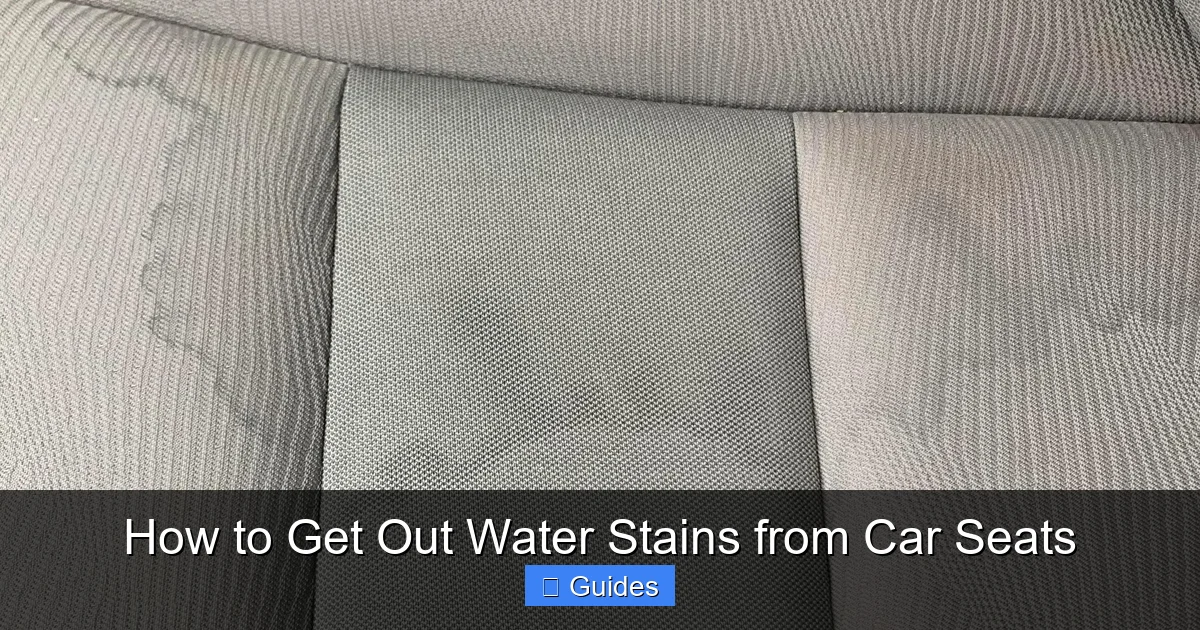
Water stains on car seats are common but fixable. Whether you’re dealing with fabric, leather, or vinyl, the right cleaning approach can restore your seats to like-new condition. This guide covers step-by-step methods, prevention tips, and expert advice to help you tackle stains safely and effectively.
In This Article
- 1 Key Takeaways
- 2 📑 Table of Contents
- 3 Why Water Stains Happen on Car Seats
- 4 How to Identify Your Car Seat Material
- 5 Step-by-Step Guide to Removing Water Stains from Fabric Seats
- 6 Cleaning Water Stains from Leather and Vinyl Seats
- 7 Preventing Water Stains in the Future
- 8 When to Call a Professional
- 9 Common Mistakes to Avoid
- 10 Conclusion
- 11 Frequently Asked Questions
- 11.1 Can I use bleach to remove water stains from car seats?
- 11.2 How long should I let the cleaning solution sit on the stain?
- 11.3 Will water stains cause mold in my car?
- 11.4 Can I use a steam cleaner on car seats?
- 11.5 Are commercial car seat cleaners better than homemade solutions?
- 11.6 How often should I clean my car seats?
Key Takeaways
- Act quickly: The sooner you treat water stains, the easier they are to remove and the less likely they are to cause long-term damage.
- Identify your seat material: Fabric, leather, and vinyl each require different cleaning products and techniques to avoid damage.
- Use the right cleaning solution: Homemade mixtures like vinegar and water or baking soda paste work well, but commercial cleaners are better for tough stains.
- Blot, don’t scrub: Scrubbing can push stains deeper or damage delicate materials—always blot gently with a clean cloth.
- Dry thoroughly: After cleaning, ensure seats are completely dry to prevent mold, mildew, and lingering odors.
- Prevent future stains: Use seat covers, fix leaks promptly, and avoid eating or drinking in the car when possible.
- Test cleaners first: Always do a spot test on a hidden area to make sure the cleaner won’t discolor or damage the material.
📑 Table of Contents
Why Water Stains Happen on Car Seats
Water stains on car seats might seem like a minor annoyance, but they’re actually a sign of something more serious—moisture intrusion. Whether it’s from spilled drinks, wet clothes, rain seeping through a cracked window, or a leaky sunroof, water can leave behind unsightly marks that are more than just cosmetic. Over time, these stains can lead to mold, mildew, and even structural damage if left untreated.
The type of stain you see often depends on what was in the water. For example, sugary drinks or coffee can leave sticky, dark residues, while plain water might leave behind mineral deposits or discoloration, especially on light-colored seats. Even clean water can cause problems if it soaks into the padding beneath the seat fabric or leather. That’s why it’s so important to treat water stains as soon as you notice them.
Understanding the source of the water is the first step in preventing future issues. A small drip from a door seal might seem harmless, but over weeks or months, it can create a breeding ground for bacteria and odors. Similarly, wet gym clothes tossed on the back seat after a workout can introduce moisture that lingers and sets in. By identifying and fixing the root cause, you not only remove the current stain but also protect your car’s interior in the long run.
How to Identify Your Car Seat Material
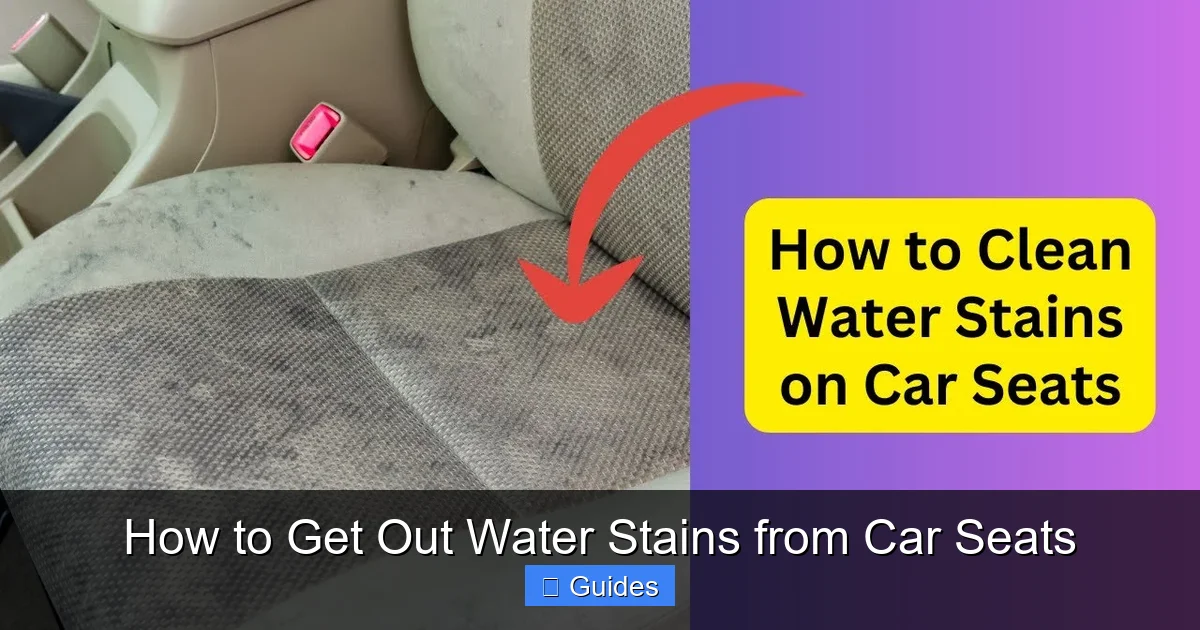
Visual guide about How to Get Out Water Stains from Car Seats
Image source: i.ytimg.com
Before you start scrubbing away at that water stain, it’s crucial to know what your car seats are made of. Using the wrong cleaning method can do more harm than good—like using a vinegar solution on leather, which can dry it out and cause cracking. Most car seats fall into one of three categories: fabric, leather (or synthetic leather), and vinyl. Each requires a tailored approach.
Fabric seats are the most common in economy and mid-range vehicles. They’re usually made from a blend of polyester, nylon, or cotton, and they’re prone to absorbing liquids quickly. Because fabric is porous, water stains can sink deep, making them harder to remove if not treated promptly. Look for a soft, textured surface that feels like upholstery—this is a clear sign you’re dealing with fabric.
Leather seats, often found in luxury or performance vehicles, have a smooth, glossy finish. Real leather feels soft and may have slight imperfections or natural grain patterns. Synthetic leather (also called faux leather or vegan leather) looks similar but often feels slightly plastic-like and may have a uniform texture. Both types are sensitive to harsh chemicals and excessive moisture, so gentle cleaning is key.
Vinyl seats are less common today but still appear in some trucks, vans, and older models. They’re durable and water-resistant, which makes them easier to clean, but they can still show water rings or cloudiness if liquids sit too long. Vinyl has a shiny, plastic-like appearance and doesn’t absorb liquids the way fabric does.
To confirm your seat type, check your vehicle’s owner’s manual or look for labels under the seat or in the door jamb. Some cars even have “Genuine Leather” or “Cloth” badges on the seatbacks. Once you know your material, you can choose the right cleaning strategy and avoid accidental damage.
Step-by-Step Guide to Removing Water Stains from Fabric Seats
Visual guide about How to Get Out Water Stains from Car Seats
Image source: mindofmechanic.com
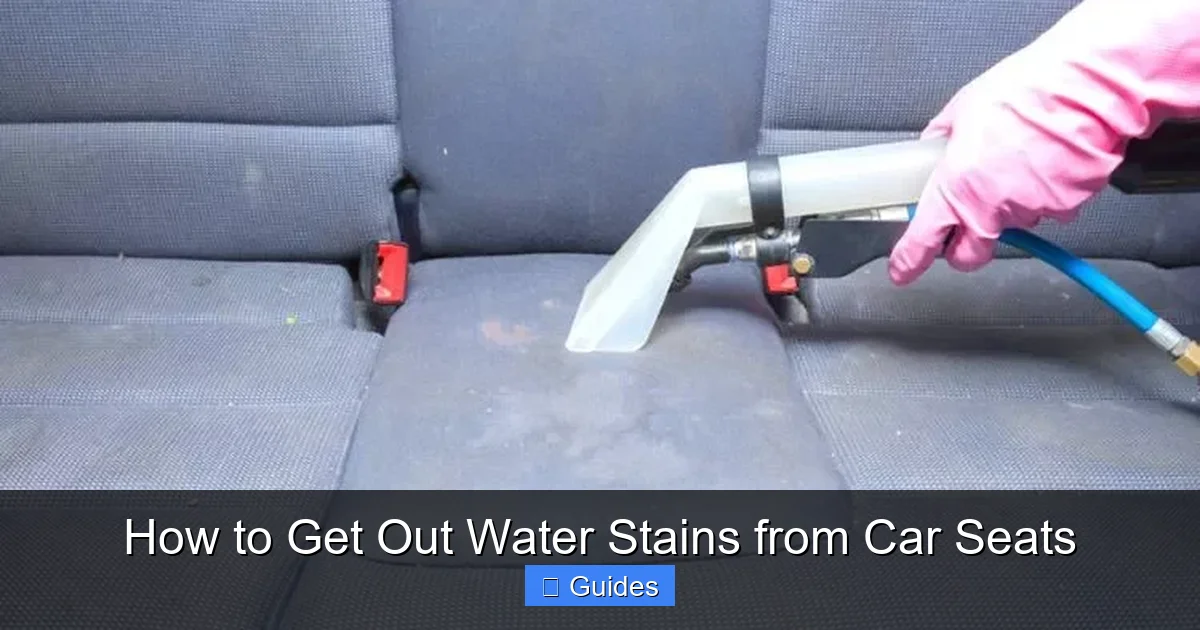
Fabric seats are the most forgiving when it comes to cleaning, but they also require the most care because of their absorbent nature. The key is to act fast—before the water has time to evaporate and leave behind minerals or residues. Here’s a simple, effective method to get rid of water stains on fabric car seats.
Gather Your Supplies
You’ll need a few basic items: a clean white cloth or microfiber towel, a spray bottle, distilled water, white vinegar, baking soda, and a soft-bristled brush (like an old toothbrush). Avoid colored cloths, as they can transfer dye onto your seats. Distilled water is preferred over tap water because it contains fewer minerals that could leave new stains.
Blot the Stain Immediately
If the spill is fresh, start by blotting—not rubbing—the area with a dry cloth. Press down gently to absorb as much liquid as possible. Rubbing can push the water deeper into the fabric fibers and spread the stain. Work from the outside of the stain toward the center to prevent it from growing.
Create a Cleaning Solution
Mix one part white vinegar with two parts distilled water in your spray bottle. Vinegar is a natural deodorizer and mild disinfectant that helps break down mineral deposits and odors. For tougher stains, you can add a teaspoon of mild dish soap to the mix. Shake gently to combine—don’t overdo it, as too much soap can leave a residue.
Apply and Let Sit
Spray the solution lightly onto the stained area. Don’t soak the fabric—just enough to dampen it. Let it sit for 5 to 10 minutes. This gives the vinegar time to penetrate the stain and loosen any buildup. If the stain is old or stubborn, you can gently agitate it with the soft-bristled brush using circular motions.
Rinse and Dry
After the solution has worked its magic, blot the area again with a clean, damp cloth to remove the cleaner. Then, use a dry towel to absorb excess moisture. For faster drying, park your car in the sun with the windows cracked, or use a fan to circulate air. Never use a hairdryer on high heat, as it can damage the fabric.
For Stubborn Stains: Use Baking Soda
If the stain persists, sprinkle a small amount of baking soda directly onto the damp area. Let it sit for 15 to 20 minutes—it will help absorb odors and lift remaining residue. Then, vacuum it up with a brush attachment. Repeat if necessary.
One real-life example: A friend once spilled a bottle of iced tea on her light gray fabric seats. She didn’t notice until the next day, and the stain had already set. Using the vinegar solution and baking soda method, she was able to remove 90% of the discoloration in one session. The key was blotting first and not giving up after the first try.
Cleaning Water Stains from Leather and Vinyl Seats
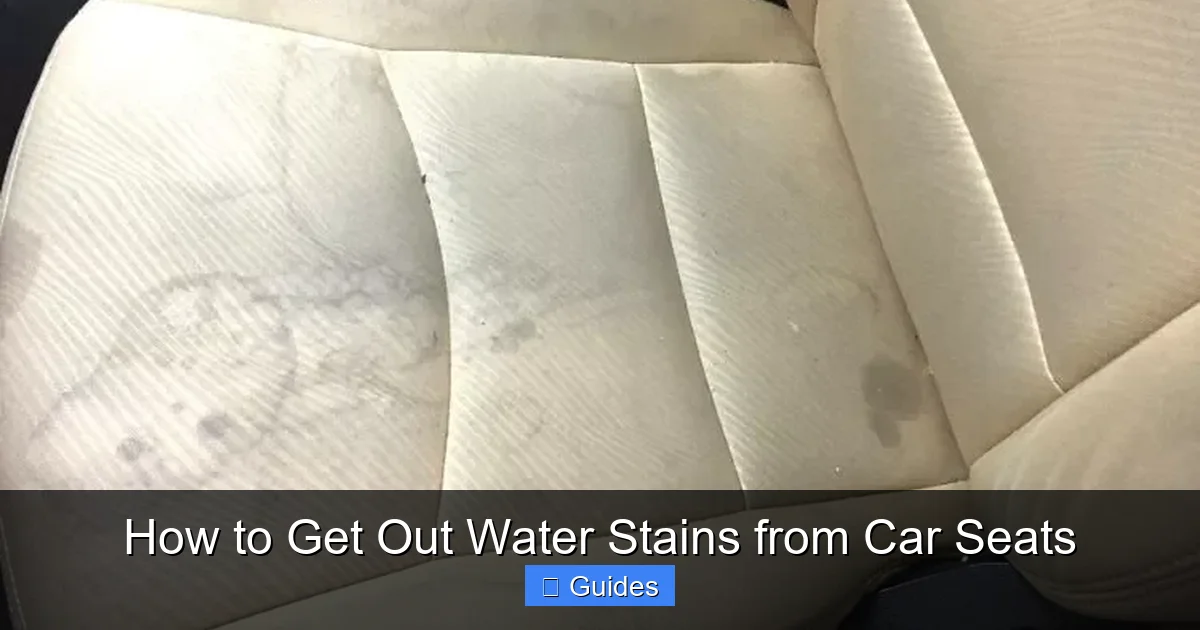
Visual guide about How to Get Out Water Stains from Car Seats
Image source: mindofmechanic.com
Leather and vinyl seats require a gentler touch than fabric. While they don’t absorb liquids as easily, they’re still vulnerable to water stains, especially if the water contains minerals, sugars, or acids. The goal is to clean without stripping natural oils (in real leather) or causing cloudiness (in vinyl).
Start with a Dry Cloth
Just like with fabric, begin by blotting the area with a dry, clean microfiber cloth. Remove any standing water or residue. If the stain is from a sugary drink, you may need to wipe away sticky patches first.
Use a Mild Cleaning Solution
For leather, mix one part distilled water with one part white vinegar. For vinyl, you can use the same mixture or a few drops of mild dish soap in water. Avoid ammonia-based cleaners or alcohol, as they can dry out leather and cause cracking. Always do a spot test on a hidden area—like under the seat or on the side—before applying to the stain.
Wipe Gently
Dampen a soft cloth with the cleaning solution and wipe the stained area using light, circular motions. Don’t soak the leather or vinyl—excess moisture can seep into seams and cause damage underneath. Focus on one small section at a time.
Rinse and Condition
After cleaning, wipe the area with a cloth dampened with plain distilled water to remove any cleaner residue. Then, dry thoroughly with a clean towel. For real leather, apply a leather conditioner after it’s completely dry. This restores moisture and prevents cracking. Vinyl doesn’t need conditioning, but a vinyl protectant can help maintain its shine and prevent future staining.
Dealing with Cloudiness on Vinyl
If your vinyl seats have a hazy or cloudy appearance after cleaning, it’s likely due to mineral buildup or residue from harsh cleaners. To fix this, use a dedicated vinyl cleaner or a paste made from baking soda and water. Apply the paste with a soft cloth, let it sit for a few minutes, then wipe off. Follow up with a vinyl protectant to restore clarity.
A practical tip: Keep a small bottle of leather or vinyl cleaner in your car’s glove compartment. That way, if you spill something, you can treat it immediately—before it has a chance to set.
Preventing Water Stains in the Future
The best way to deal with water stains is to stop them from happening in the first place. A little prevention goes a long way in keeping your car’s interior looking fresh and clean. Here are some simple, effective strategies to protect your seats.
Use Seat Covers
Seat covers are one of the easiest and most affordable ways to protect your car seats. They come in a variety of materials—from waterproof neoprene to breathable mesh—and can be easily removed and washed. Look for covers that are machine washable and fit your seat model precisely. They’re especially useful if you have kids, pets, or frequently transport wet gear.
Fix Leaks Promptly
A small drip from a door seal, window, or sunroof can lead to big problems over time. If you notice water inside your car after rain, inspect the weather stripping and seals. Replace any cracked or worn parts. You can also use a water leak test—spray water around the doors and windows with a hose and watch for leaks inside.
Be Mindful of What You Bring In
Avoid eating or drinking in the car whenever possible. If you must, use spill-proof containers and keep napkins or a small towel handy. Wet clothes, umbrellas, and gym bags should be placed on waterproof mats or in the trunk, not on the seats.
Use Moisture Absorbers
Place moisture-absorbing products like silica gel packs or activated charcoal bags in your car, especially during humid seasons. These help reduce overall moisture levels and prevent mold and mildew growth. Just remember to replace them regularly.
Regular Cleaning and Maintenance
Even if you don’t have stains, clean your seats every few months to remove dust, oils, and minor residues. This prevents buildup that can make future stains harder to remove. For leather, condition it every 3 to 6 months to keep it supple.
Park Smart
Whenever possible, park in a garage or under cover to protect your car from rain and humidity. If you must park outside, use a car cover, especially during stormy weather.
When to Call a Professional
Sometimes, despite your best efforts, water stains won’t budge—or worse, they’ve led to mold, mildew, or odors that won’t go away. In these cases, it’s time to call in a professional detailer. They have specialized tools and cleaning solutions that can tackle deep-set stains and sanitize your car’s interior safely.
Professional cleaners use steam extractors that penetrate deep into fabric and padding, removing moisture and contaminants that home methods can’t reach. They also have access to industrial-grade deodorizers and antimicrobial treatments that eliminate mold and bacteria at the source.
If your car has been flooded—even partially—professional help is essential. Water can seep into electrical components, airbags, and the vehicle’s frame, creating safety hazards and long-term damage. A certified detailer can assess the extent of the damage and recommend repairs.
Another reason to seek professional help is if you’re unsure about your seat material or cleaning method. Using the wrong product can void warranties or cause irreversible damage. A detailer can identify the material and use the safest, most effective treatment.
Finally, if you’re preparing to sell your car, a professional interior cleaning can significantly boost its resale value. Clean, stain-free seats make a strong first impression and show that the vehicle has been well cared for.
Common Mistakes to Avoid
Even with the best intentions, it’s easy to make mistakes when cleaning water stains from car seats. Avoiding these common pitfalls can save you time, money, and frustration.
Using Harsh Chemicals
Bleach, ammonia, and strong solvents might seem like quick fixes, but they can discolor fabric, dry out leather, and weaken vinyl. Stick to mild, pH-balanced cleaners or natural solutions like vinegar and baking soda.
Over-Wetting the Seats
Too much water can soak into the seat padding and create a breeding ground for mold. Always use minimal moisture and dry thoroughly afterward.
Scrubbing Too Hard
Aggressive scrubbing can damage fibers, scratch leather, or leave swirl marks on vinyl. Use gentle pressure and let the cleaning solution do the work.
Ignoring the Smell
If your car still smells musty after cleaning, the moisture may have reached the padding or floor mats. Remove the mats, clean them separately, and consider using an ozone treatment or enzymatic cleaner to eliminate odors at the source.
Skipping the Spot Test
Always test your cleaner on a small, hidden area first. What works on one material might ruin another.
Conclusion
Water stains on car seats are frustrating, but they don’t have to be permanent. With the right approach—based on your seat material and the type of stain—you can restore your car’s interior to its original condition. The key is to act quickly, use gentle, appropriate cleaning methods, and dry thoroughly to prevent future problems.
Remember, prevention is just as important as treatment. By using seat covers, fixing leaks, and being mindful of what you bring into your car, you can avoid most water stains altogether. And when in doubt, don’t hesitate to call a professional—they have the tools and expertise to handle even the toughest cases.
Your car is more than just a mode of transportation—it’s a space where memories are made. Keeping it clean and comfortable enhances every ride, whether it’s a quick trip to the store or a long road trip. So the next time you spot a water stain, don’t panic. Grab your supplies, follow this guide, and get back to enjoying a fresh, clean car.
Frequently Asked Questions
Can I use bleach to remove water stains from car seats?
No, bleach is too harsh and can damage fabric, discolor leather, and weaken vinyl. It’s best to avoid bleach and use milder, safer alternatives like vinegar or baking soda.
How long should I let the cleaning solution sit on the stain?
For most stains, 5 to 10 minutes is sufficient. Letting it sit too long can cause over-saturation, especially on fabric. Always blot and rinse afterward.
Will water stains cause mold in my car?
Yes, if moisture remains trapped in the seat padding or floor, it can lead to mold and mildew. That’s why thorough drying is essential after cleaning.
Can I use a steam cleaner on car seats?
Yes, but with caution. Steam cleaners are effective for deep cleaning fabric seats, but avoid using them on leather or vinyl unless the manufacturer approves. Always test on a small area first.
Are commercial car seat cleaners better than homemade solutions?
Commercial cleaners are formulated for specific materials and can be more effective for tough stains. However, homemade solutions like vinegar and baking soda work well for mild stains and are safer for regular use.
How often should I clean my car seats?
For maintenance, clean your seats every 3 to 6 months. If you have kids, pets, or frequently spill liquids, clean them more often—ideally once a month.

At CarLegit, we believe information should be clear, factual, and genuinely helpful. That’s why every guide, review, and update on our website is created with care, research, and a strong focus on user experience.