
Ants in the bathroom are more than a nuisance—they signal moisture and food sources nearby. This guide covers proven methods to eliminate them fast and prevent future infestations using natural remedies, cleaning hacks, and targeted treatments.
In This Article
- 1 Key Takeaways
- 2 📑 Table of Contents
- 3 Why Are Ants in Your Bathroom?
- 4 How to Get Rid of Ants in the Bathroom Naturally
- 5 Cleaning and Sanitizing to Eliminate Ant Attractants
- 6 Fixing Moisture and Entry Points
- 7 Using Ant Baits and Traps Effectively
- 8 When to Call a Professional Exterminator
- 9 Preventing Future Ant Infestations
- 10 Conclusion
- 11 Frequently Asked Questions
Key Takeaways
- Identify the ant species: Knowing whether you’re dealing with sugar ants, pharaoh ants, or moisture ants helps choose the right treatment.
- Eliminate water sources: Fix leaks, dry wet areas, and reduce humidity to make your bathroom less inviting.
- Seal entry points: Caulk cracks, gaps around pipes, and windows to block ant highways into your home.
- Use natural deterrents: Vinegar, lemon juice, cinnamon, and essential oils disrupt ant trails and repel them safely.
- Clean thoroughly: Wipe down surfaces, clean drains, and remove soap scum where ants feed and nest.
- Apply targeted treatments: Use bait stations or non-repellent sprays for long-term control without scattering the colony.
- Maintain prevention habits: Regular cleaning and moisture control stop ants from returning.
📑 Table of Contents
Why Are Ants in Your Bathroom?
Finding ants marching across your bathroom counter, sink, or shower floor can be unsettling. You might wonder, “Why here? Isn’t this supposed to be the cleanest room in the house?” The truth is, ants are drawn to bathrooms not because they’re dirty, but because they offer exactly what these tiny invaders need: water, food, and shelter.
Unlike kitchens, where food crumbs are obvious, bathroom ants often go unnoticed until there’s a full-blown trail. They’re typically searching for moisture—damp towels, leaky pipes, or condensation on windows provide the hydration they can’t find elsewhere. Some species, like sugar ants, are also attracted to sweet residues in soap, shampoo, or toothpaste. Others, such as pharaoh ants, thrive in warm, humid environments and may even nest inside walls near plumbing lines.
Understanding why ants choose your bathroom is the first step to getting rid of them for good. It’s not just about killing the ones you see—it’s about cutting off their access to resources and breaking their communication system. Ants leave pheromone trails to guide others to food and water, so even a small spill or damp spot can turn into a busy ant highway overnight.
Common Ant Species in Bathrooms
Not all ants are the same, and identifying the type invading your bathroom can make a big difference in how you handle them. Here are the most common culprits:
- Sugar ants (odorous house ants): These small, dark brown or black ants are attracted to sweet substances. They’re often found near sinks, countertops, or toothpaste tubes. When crushed, they emit a rotten coconut smell.
- Pharaoh ants: Tiny, light yellow to reddish ants that love warm, humid areas. They can nest inside walls, under floors, or behind baseboards—making them hard to eliminate without professional help.
- Moisture ants: As the name suggests, these ants seek out damp wood and standing water. They’re commonly found near leaky pipes, window sills, or shower pans.
- Carpenter ants: Larger and darker, these ants don’t eat wood but tunnel through it to build nests. If you see sawdust-like debris near wooden bathroom fixtures, you might have a carpenter ant problem.
Knowing which species you’re dealing with helps you choose the right bait, spray, or prevention method. For example, sugar ants respond well to sweet baits, while pharaoh ants require slow-acting poison that workers carry back to the colony.
Signs of an Ant Infestation
Ants don’t always arrive in swarms. Sometimes, you’ll spot just one or two—but that’s often a scout sent to find resources. Watch for these warning signs:
- A visible trail of ants leading from a crack or drain to a food or water source.
- Ants congregating around damp areas, such as under the sink or near the shower drain.
- Small piles of dirt or debris near baseboards or windows, indicating a nest nearby.
- Increased ant activity after rain or during humid weather.
- Ants inside light fixtures, medicine cabinets, or behind mirrors—places that retain moisture.
If you notice any of these signs, act quickly. Ant colonies can grow rapidly, and what starts as a few ants can become hundreds within days.
How to Get Rid of Ants in the Bathroom Naturally
Before reaching for chemical sprays, try these natural, non-toxic methods to get rid of ants in the bathroom. They’re safe for kids, pets, and the environment—and often just as effective as harsh chemicals.
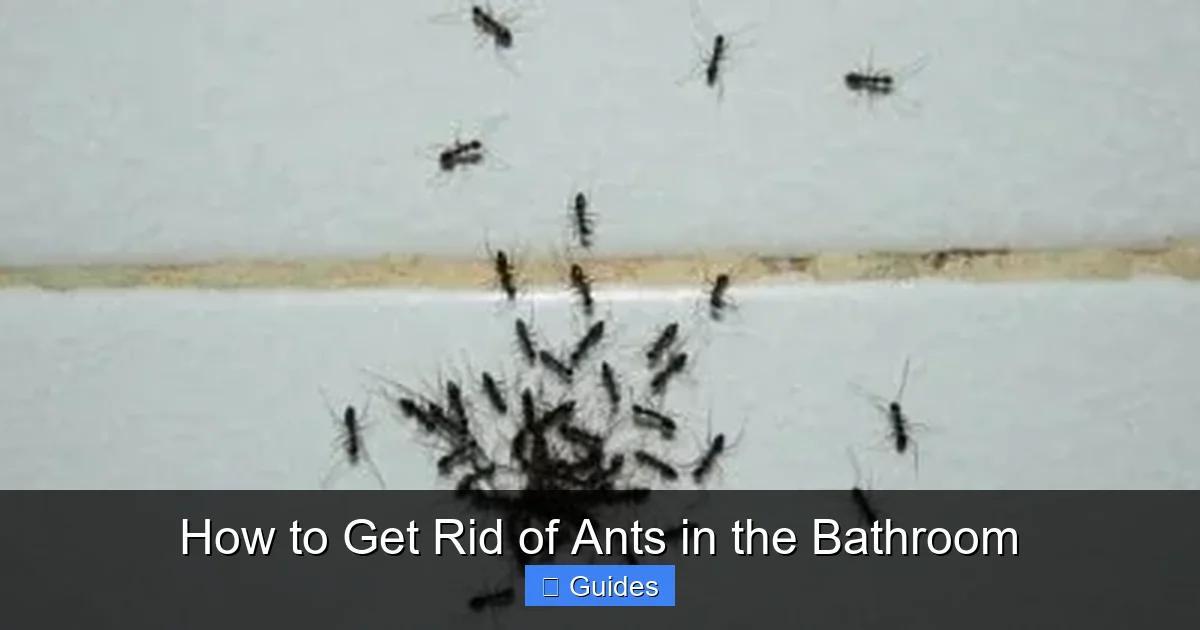
Visual guide about How to Get Rid of Ants in the Bathroom
Image source: pestpush.com
Use Vinegar to Disrupt Ant Trails
Vinegar is one of the best natural ant deterrents because it erases the pheromone trails ants use to navigate. Mix equal parts white vinegar and water in a spray bottle and spray it along baseboards, window sills, sink edges, and any areas where you’ve seen ants. Wipe the surface clean after a few minutes.
For extra power, add a few drops of dish soap to break down grease and oils that ants might be feeding on. Reapply daily for the first week, then weekly as a preventive measure. Avoid using vinegar on natural stone surfaces like marble, as it can cause etching.
Lemon Juice and Citrus Peels
Ants hate the scent of citrus. Squeeze fresh lemon or lime juice along entry points, or place citrus peels near windows and drains. You can also make a spray by boiling lemon peels in water, letting it cool, and transferring it to a spray bottle.
The citric acid in lemons disrupts ant communication and repels them on contact. Plus, it leaves your bathroom smelling fresh—no chemical perfumes needed.
Essential Oils as Natural Repellents
Certain essential oils are highly effective at repelling ants. Peppermint, tea tree, eucalyptus, and cinnamon oils are especially potent. Mix 10–15 drops of your chosen oil with a cup of water and a teaspoon of dish soap (to help the oil stick to surfaces) in a spray bottle.
Spray this mixture along ant trails, under the sink, around pipes, and near drains. Reapply every few days, especially after cleaning. You can also soak cotton balls in the oil and place them in corners or inside cabinets. Just keep them away from pets and children, as some oils can be toxic if ingested.
Diatomaceous Earth for Physical Elimination
Food-grade diatomaceous earth (DE) is a fine powder made from fossilized algae. It’s harmless to humans and pets but deadly to insects. When ants walk through DE, it damages their exoskeletons and causes dehydration.
Sprinkle a thin layer of DE along baseboards, behind the toilet, under the sink, and around pipe entries. Avoid creating dust clouds—apply it lightly with a small brush or spoon. Reapply after cleaning or if it gets wet. DE works slowly but effectively, so be patient.
Baking Soda and Sugar Bait
This homemade bait combines attractant and killer in one. Mix equal parts baking soda and powdered sugar and place small amounts on pieces of cardboard or bottle caps near ant trails.
The sugar attracts the ants, while the baking soda reacts with their digestive systems, causing gas buildup and death. It may take a few days to see results, but this method targets the entire colony as worker ants carry the bait back to the nest.
Cleaning and Sanitizing to Eliminate Ant Attractants
Ants don’t just come for water—they also feed on invisible residues left behind in the bathroom. Soap scum, toothpaste splatters, and shampoo drips can all serve as food sources. A deep clean is essential to remove these attractants and make your bathroom less appealing.
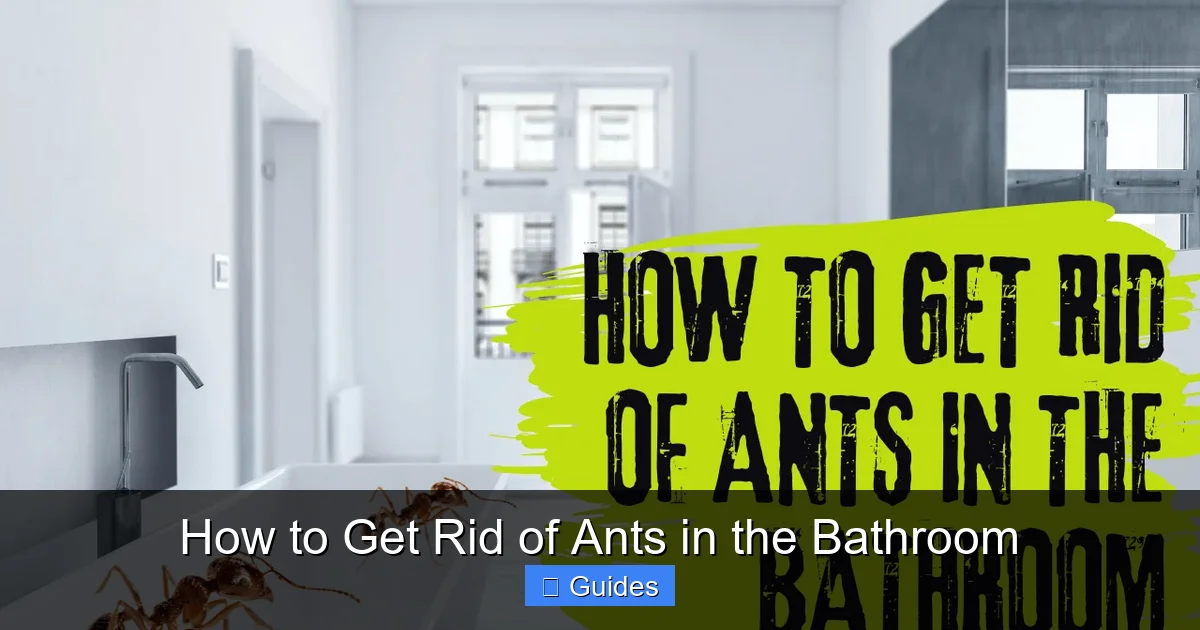
Visual guide about How to Get Rid of Ants in the Bathroom
Image source: constructionhow.com
Deep Clean Surfaces and Fixtures
Start by wiping down all surfaces with a mixture of warm water and mild dish soap. Pay special attention to the sink, countertop, shower ledge, and bathtub rim. Use a toothbrush to scrub around faucet bases and drain openings where gunk accumulates.
For soap scum buildup, use a paste of baking soda and water. Apply it with a sponge, let it sit for 10 minutes, then scrub and rinse. This not only removes residue but also deodorizes the area.
Clean the Drain
Drains are a common entry point and food source for bathroom ants. Organic matter like hair, soap, and skin cells can accumulate and attract pests. Pour boiling water down the drain weekly to flush out debris.
For a deeper clean, use a mixture of ½ cup baking soda followed by ½ cup white vinegar. Let it fizz for 15 minutes, then flush with hot water. You can also use a drain snake or brush to remove clogs manually.
Wipe Down Toothpaste and Soap Containers
Even small drips from toothpaste tubes or soap dispensers can attract sugar ants. After each use, wipe the nozzle and base with a damp cloth. Store toothpaste in a closed container or drawer when not in use.
Consider switching to solid soap bars in sealed dishes or pump dispensers with drip trays to minimize mess.
Launder Towels and Mats Regularly
Damp towels and bath mats are prime spots for moisture-loving ants. Wash them at least once a week in hot water and dry them completely. Hang towels to dry between uses and avoid leaving wet items on the floor.
If you have a bath mat, lift it daily to air out the floor underneath. This reduces humidity and eliminates hiding spots.
Fixing Moisture and Entry Points
Ants need water to survive, and bathrooms are naturally humid. To get rid of ants for good, you must address the root causes: moisture and access.
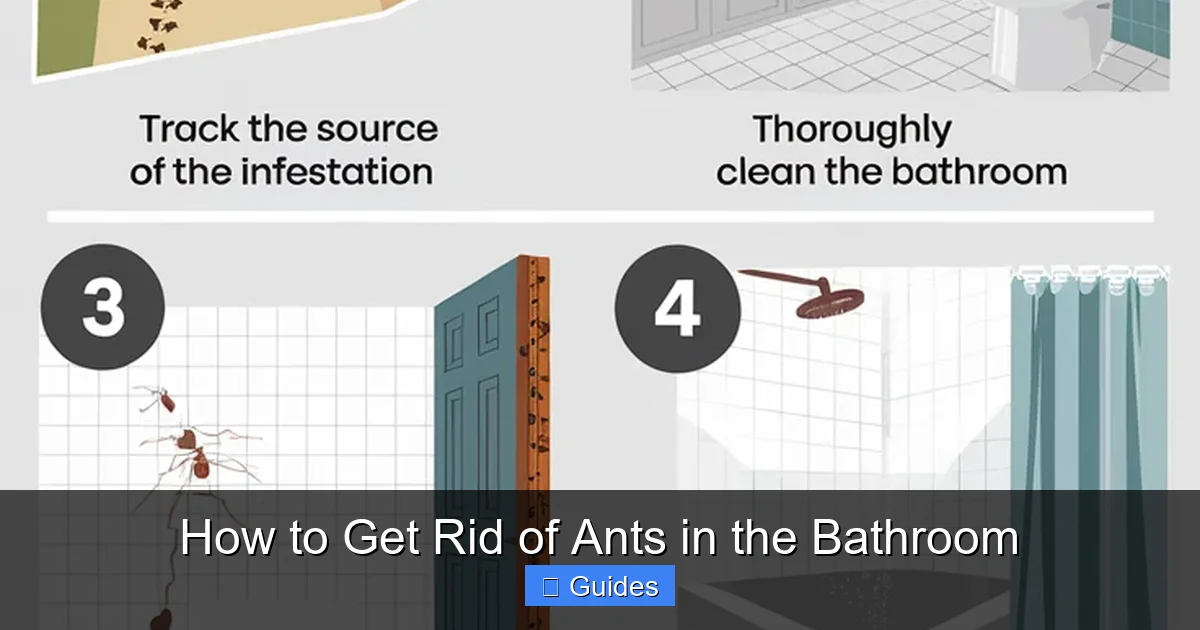
Visual guide about How to Get Rid of Ants in the Bathroom
Image source: my-inspo.com
Repair Leaks and Drips
Check under the sink, around the toilet base, and behind the shower for leaks. Even a slow drip from a faucet or pipe joint can provide enough water for an ant colony. Tighten connections, replace worn washers, or call a plumber if needed.
Use a flashlight to inspect hidden areas. Look for water stains, warped wood, or mold—these are signs of long-term moisture issues.
Improve Ventilation
Run the bathroom fan during and after showers to reduce humidity. If you don’t have a fan, open a window or use a dehumidifier. High moisture levels make your bathroom a five-star resort for ants.
Wipe down wet surfaces after use, especially shower walls and mirrors. Consider using a squeegee on glass doors to remove water quickly.
Seal Cracks and Gaps
Ants can squeeze through openings as small as 1/16 of an inch. Inspect the edges of windows, doors, baseboards, and where pipes enter walls. Use silicone caulk to seal gaps around plumbing, electrical outlets, and trim.
For larger holes, use steel wool or expandable foam. Ants can’t chew through steel wool, and foam fills voids completely. Paint over caulk once it dries for a clean finish.
Install Door Sweeps and Window Screens
If ants are entering under the bathroom door, install a door sweep to close the gap. For windows, ensure screens are intact and fit tightly. Repair any tears with patch kits or replace old screens.
These simple upgrades block common entry points and improve energy efficiency too.
Using Ant Baits and Traps Effectively
While natural methods work well for prevention, baits and traps are often necessary to eliminate large infestations. The key is using the right type of bait and placing it correctly.
Choose the Right Bait
Ant baits contain slow-acting poison mixed with an attractant. Worker ants carry the bait back to the nest, feeding it to the queen and larvae. This eventually wipes out the entire colony.
For sugar ants, use sweet baits with ingredients like boric acid or hydramethylnon. For protein-seeking ants, use grease-based baits. Place bait stations near trails but away from areas where you spray repellents—ants avoid crossing treated surfaces.
Placement Matters
Put bait stations along ant paths, under the sink, near drains, and behind the toilet. Avoid placing them on clean, dry surfaces—ants prefer to forage in hidden, undisturbed areas.
Use multiple stations if you see ants in different locations. Replace baits every few weeks or when they dry out.
Avoid Spray-and-Kill Mistakes
Killing ants with spray may seem satisfying, but it can backfire. Spraying disrupts pheromone trails and causes the colony to split into smaller groups, making the problem worse.
Instead, use non-repellent sprays that ants don’t detect. They walk through the treated area, pick up the chemical, and spread it to others. These sprays work slowly but provide long-term control.
When to Call a Professional Exterminator
Most bathroom ant problems can be solved with DIY methods. But if you’ve tried everything and ants keep returning, it’s time to call a professional.
Signs you need expert help include:
- Ants reappearing within days of treatment.
- Seeing winged ants (swarmers), which indicate a mature colony nearby.
- Finding ants inside walls or under flooring.
- Suspected pharaoh ant or carpenter ant infestation.
Exterminators use advanced tools like moisture meters, infrared cameras, and targeted injections to locate and eliminate hidden nests. They also provide ongoing prevention plans to keep your home ant-free.
Preventing Future Ant Infestations
Once you’ve gotten rid of ants, don’t let them come back. Prevention is easier than treatment.
Follow these habits:
- Wipe down surfaces daily to remove residues.
- Fix leaks immediately.
- Keep the bathroom dry and well-ventilated.
- Store toiletries in sealed containers.
- Inspect and reseal cracks every few months.
- Use natural repellents like essential oils weekly.
Consistency is key. A few minutes of maintenance each week can save you hours of dealing with ants later.
Conclusion
Ants in the bathroom are a common but solvable problem. By understanding why they’re there—water, food, and shelter—you can take targeted steps to eliminate them and prevent future visits. Start with natural remedies like vinegar, citrus, and essential oils, then deep clean and fix moisture issues. Use baits for long-term control, and don’t hesitate to call a professional if needed.
With the right approach, your bathroom can stay clean, dry, and ant-free. Remember, it’s not just about killing ants—it’s about making your home unattractive to them in the first place. Stay vigilant, stay clean, and say goodbye to unwanted bathroom guests for good.
Frequently Asked Questions
Why do ants keep coming back to my bathroom?
Ants return because they’ve found a reliable source of water, food, or shelter. Even after cleaning, hidden moisture or tiny food residues can attract them again. Consistent prevention and sealing entry points are key to keeping them away long-term.
Are bathroom ants dangerous?
Most bathroom ants, like sugar ants and pharaoh ants, are not dangerous but can contaminate surfaces and spread bacteria. Carpenter ants can damage wood structures if left unchecked. While they don’t bite often, their presence indicates moisture problems that need attention.
Can I use bleach to kill ants in the bathroom?
Bleach can kill ants on contact but doesn’t eliminate the colony. It also doesn’t erase pheromone trails effectively and can damage surfaces. Vinegar or soap-and-water solutions are safer and more effective for cleaning and repelling ants.
How long does it take to get rid of ants completely?
With proper treatment, you should see a reduction in ant activity within 3–5 days. Full elimination may take 1–2 weeks, especially if using baits that need time to reach the queen. Consistency in cleaning and prevention speeds up the process.
Do ants nest in bathroom drains?
Ants don’t typically nest inside drains, but they may forage there for food and water. Organic buildup in pipes can attract them. Regular drain cleaning with baking soda and vinegar helps remove attractants and deter ants from using drains as pathways.
Can essential oils really repel ants?
Yes, essential oils like peppermint, tea tree, and cinnamon disrupt ant communication and repel them naturally. They’re safe when used properly but should be reapplied regularly. Combine with other methods like sealing cracks for best results.

At CarLegit, we believe information should be clear, factual, and genuinely helpful. That’s why every guide, review, and update on our website is created with care, research, and a strong focus on user experience.