
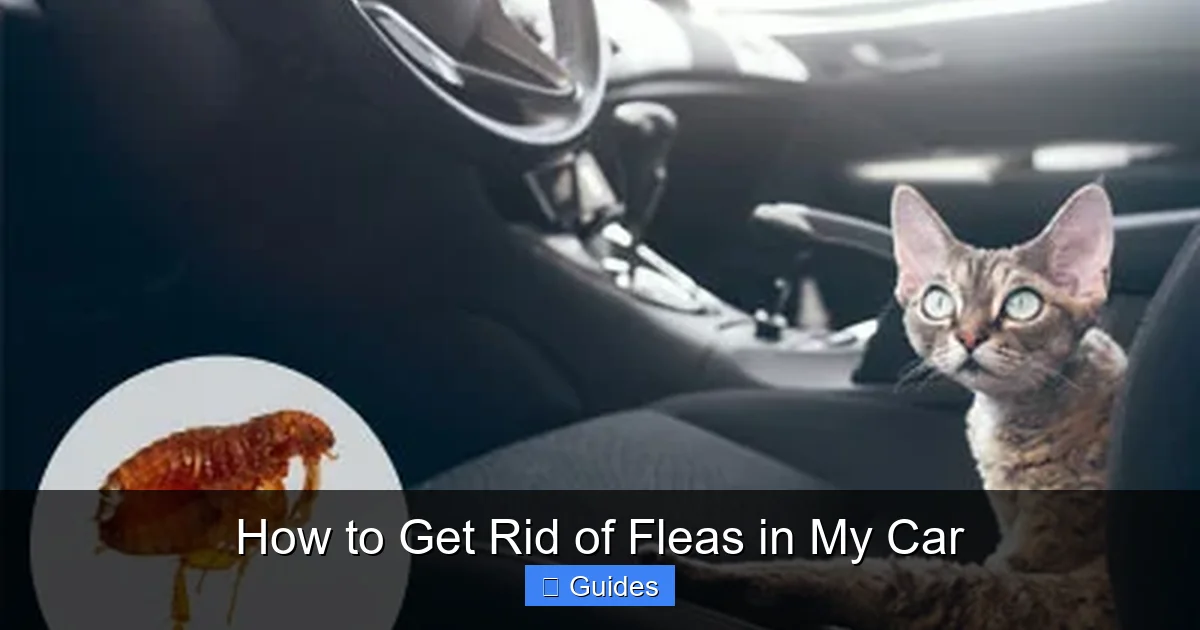
Fleas in your car can be a frustrating and persistent problem, but they’re not impossible to beat. With the right cleaning techniques, targeted treatments, and prevention strategies, you can reclaim your vehicle from these tiny pests. This guide walks you through everything you need to know—from vacuuming and steam cleaning to using natural remedies and professional help—so you can drive flea-free with confidence.
In This Article
- 1 Key Takeaways
- 2 📑 Table of Contents
- 3 Why Fleas Love Your Car (And How They Get There)
- 4 Step 1: Deep Clean and Vacuum Your Car Thoroughly
- 5 Step 2: Wash and Treat All Removable Fabrics
- 6 Step 3: Use Steam Cleaning for Deep Penetration
- 7 Step 4: Apply Targeted Flea Treatments
- 8 Step 5: Prevent Future Infestations
- 9 When to Call a Professional
- 10 Conclusion: Take Back Your Car from Fleas
- 11 Frequently Asked Questions
Key Takeaways
- Vacuum thoroughly and frequently: Fleas and their eggs hide in carpets, seats, and crevices—regular vacuuming removes up to 95% of fleas and larvae.
- Wash all removable fabrics: Seat covers, floor mats, and pet bedding should be washed in hot water to kill fleas at all life stages.
- Use steam cleaning for deep penetration: High-temperature steam kills fleas, eggs, and larvae without harsh chemicals, especially in hard-to-reach areas.
- Apply targeted flea treatments: Use pet-safe sprays or foggers designed for vehicles to eliminate remaining fleas and prevent reinfestation.
- Seal and protect after treatment: Use natural deterrents like diatomaceous earth or essential oils to keep fleas from returning.
- Check and treat pets regularly: Your pet is likely the source—ensure they’re on a vet-approved flea prevention program.
- Be patient and persistent: Flea elimination takes time—repeat treatments and cleaning for at least 2–3 weeks to break the life cycle.
📑 Table of Contents
- Why Fleas Love Your Car (And How They Get There)
- Step 1: Deep Clean and Vacuum Your Car Thoroughly
- Step 2: Wash and Treat All Removable Fabrics
- Step 3: Use Steam Cleaning for Deep Penetration
- Step 4: Apply Targeted Flea Treatments
- Step 5: Prevent Future Infestations
- When to Call a Professional
- Conclusion: Take Back Your Car from Fleas
Why Fleas Love Your Car (And How They Get There)
Fleas are tiny, wingless insects that thrive in warm, humid environments—and your car is practically a five-star flea resort. Whether you’ve got a pet that rides with you regularly or you’ve unknowingly picked up fleas from a park, yard, or even a friend’s house, these pests can quickly make themselves at home in your vehicle. Once inside, they hide in carpets, under seats, in seat cracks, and even in the trunk. And because cars trap heat, especially when parked in the sun, they create the perfect breeding ground for fleas to multiply.
But how do fleas actually get into your car in the first place? The most common culprit is your pet. Dogs and cats are natural carriers—they pick up fleas while playing outside, and those fleas hop onto your clothes, shoes, or directly into your car during rides. Even if your pet doesn’t go inside the car, you might bring fleas in on your shoes or clothing after walking through an infested area. Fleas can also hitch a ride on secondhand car seats, upholstery, or even from a previous owner if you bought a used vehicle. Once inside, a single female flea can lay up to 50 eggs per day, leading to a full-blown infestation in just a few weeks.
Understanding the flea life cycle is key to getting rid of them. Fleas go through four stages: egg, larva, pupa, and adult. The eggs and larvae are often found deep in carpet fibers or under seats, while adult fleas jump onto hosts (like you or your pet) to feed on blood. The pupa stage is especially tricky—these cocoon-like structures can remain dormant for months, waiting for the right conditions (like warmth or vibration from a car engine) to emerge. That’s why a one-time cleaning won’t cut it. You need a multi-step approach that targets all life stages to truly eliminate the problem.
Step 1: Deep Clean and Vacuum Your Car Thoroughly
Visual guide about How to Get Rid of Fleas in My Car
Image source: innovatecar.com
The first and most important step in getting rid of fleas in your car is a thorough deep clean—starting with vacuuming. Fleas and their eggs love to hide in soft surfaces, especially carpets and upholstery. A powerful vacuum with a HEPA filter is your best friend here, as it can trap tiny flea eggs and larvae that regular vacuums might miss.
Begin by removing all floor mats, seat covers, and any removable fabric items. Shake them out outside to avoid spreading fleas back into your car. Then, vacuum every inch of the interior—carpets, seats (both fabric and leather), seat cracks, under the seats, the trunk, and even the dashboard crevices. Pay special attention to areas where your pet usually sits or where you frequently place bags or shoes. Use the crevice tool attachment to get into tight spaces where fleas love to hide.
Don’t forget the hard surfaces! Fleas can lay eggs on plastic, vinyl, and metal surfaces too. Wipe down all non-fabric areas with a damp cloth, then vacuum again to pick up any debris or eggs. For best results, vacuum at least once a day for the first week, then every other day for the next two weeks. This frequent vacuuming disrupts the flea life cycle and removes a significant portion of the population.
After vacuuming, immediately empty the vacuum canister or replace the bag—outside, away from your home and car. Fleas can survive inside a vacuum bag and escape back into your environment if not disposed of properly. If your vacuum has a washable filter, rinse it thoroughly and let it dry completely before reusing.
Pro Tip: Use a Vacuum with a Beater Brush
For carpets and fabric seats, a vacuum with a rotating beater brush is ideal. The agitation helps loosen flea eggs and larvae from deep within the fibers, making them easier to suck up. If your vacuum doesn’t have one, consider renting a carpet cleaner or using a handheld upholstery brush attachment.
What to Do with Floor Mats and Seat Covers
Remove all floor mats and seat covers and wash them in hot water (at least 120°F or 49°C) if they’re machine washable. For non-washable items, spray them with a pet-safe flea spray, let it sit for 10–15 minutes, then vacuum thoroughly. You can also place them in direct sunlight for several hours—fleas hate heat and UV light, and the sun can help kill eggs and larvae.
Step 2: Wash and Treat All Removable Fabrics
Visual guide about How to Get Rid of Fleas in My Car
Image source: i.ytimg.com
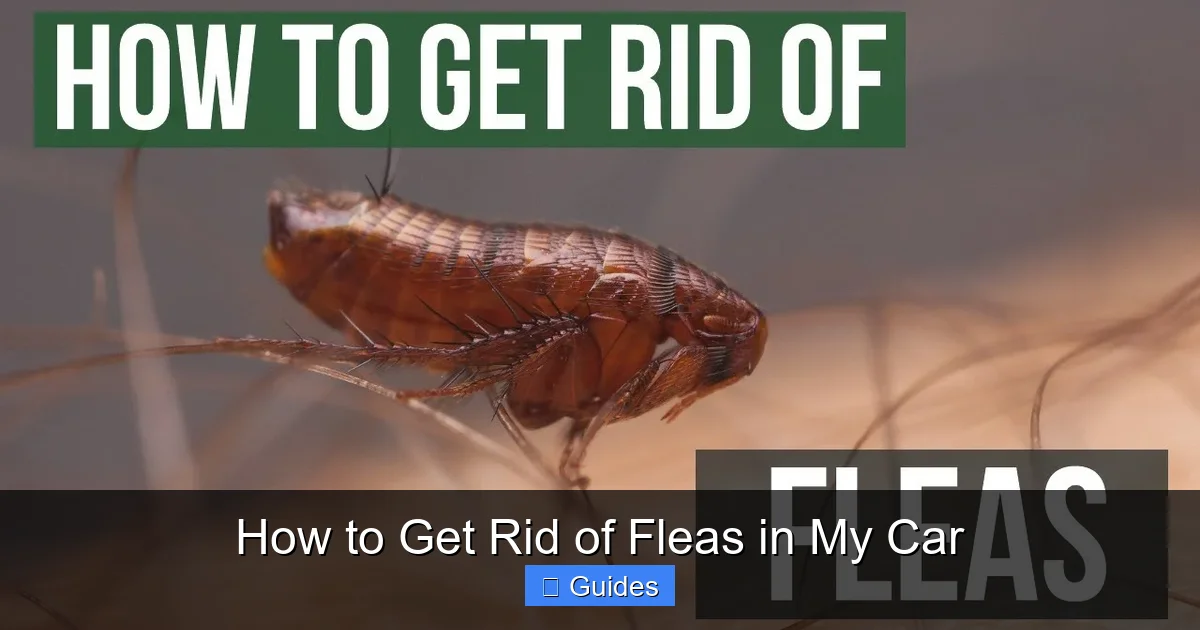
Fleas don’t just live on the surface—they burrow into fabrics where they can lay eggs and hide from light. That’s why washing all removable fabrics is a critical step in the flea elimination process. This includes seat covers, floor mats, pet blankets, and any other fabric items that have been in the car.
Start by checking the care labels on your seat covers and mats. If they’re machine washable, wash them in the hottest water safe for the fabric (ideally 120°F or higher) with a mild detergent. Hot water kills fleas at all life stages, including eggs and larvae. Add a cup of white vinegar to the rinse cycle—it helps break down flea waste and odors while boosting cleaning power.
For items that can’t go in the washing machine, like leather seat covers or non-removable upholstery, use a fabric-safe flea spray. Look for products labeled as safe for use around pets and children, and always test on a small, hidden area first to avoid discoloration. Spray evenly over the surface, focusing on seams, folds, and crevices where fleas hide. Let the spray sit for the recommended time (usually 10–15 minutes), then wipe or vacuum it away.
Don’t forget about your pet’s travel gear! If your dog or cat has a favorite blanket, bed, or harness that rides in the car, wash or treat those items too. Fleas can easily transfer from your pet’s belongings back into the car, undoing all your hard work.
DIY Fabric Treatment: Vinegar and Baking Soda Spray
If you prefer a natural approach, make your own flea-fighting spray. Mix equal parts white vinegar and water in a spray bottle, then add 1–2 tablespoons of baking soda and shake well. Spray this solution on fabric surfaces, let it sit for 15 minutes, then vacuum. The acidity of the vinegar disrupts flea biology, while baking soda helps absorb odors and moisture.
Sunlight: A Natural Flea Killer
After washing or spraying, place fabric items in direct sunlight for at least 4–6 hours. UV rays and heat are natural flea deterrents and can kill eggs and larvae that survived the wash. If possible, hang items on a clothesline or lay them flat on a driveway or patio.
Step 3: Use Steam Cleaning for Deep Penetration
Visual guide about How to Get Rid of Fleas in My Car
Image source: diyjoy.com
Vacuuming and washing are great, but they might not reach deep enough to eliminate all fleas—especially in thick carpets or padded seats. That’s where steam cleaning comes in. Steam cleaning uses high-temperature vapor (often over 200°F) to penetrate deep into fabrics, killing fleas, eggs, and larvae on contact.
You can rent a portable steam cleaner from most hardware or grocery stores, or hire a professional auto detailing service that offers steam cleaning. If you’re doing it yourself, start by vacuuming the car thoroughly (as described earlier), then go over every fabric surface with the steam cleaner. Move slowly and methodically, ensuring the steam reaches all areas—under seats, between cushions, in door panels, and even the headliner if it’s fabric-covered.
Steam cleaning is especially effective because it doesn’t rely on chemicals. The heat alone is enough to destroy fleas at all life stages, making it a safe option for households with pets and children. Plus, it helps sanitize your car by killing bacteria, mold, and allergens that may have built up over time.
Important Safety Tips for Steam Cleaning
Always wear gloves and eye protection when using a steam cleaner. The steam is extremely hot and can cause burns. Never point the nozzle at electrical components, airbags, or sensitive electronics. Allow the car to air out for at least 30 minutes after steaming to prevent moisture buildup, which could lead to mold.
Professional Steam Cleaning: When to Call in the Experts
If your car has a severe infestation or you’re short on time, consider hiring a professional. Many auto detailers offer flea removal services using industrial-grade steam cleaners and eco-friendly treatments. They’ll also inspect hard-to-reach areas like air vents and under the dashboard, ensuring no fleas are left behind.
Step 4: Apply Targeted Flea Treatments
Even after deep cleaning, some fleas may survive—especially pupae, which are protected by a cocoon and resistant to many treatments. That’s why applying a targeted flea treatment is essential. These products are designed to kill adult fleas and inhibit the development of eggs and larvae, helping break the life cycle.
There are several types of flea treatments you can use in your car:
– **Aerosol sprays**: Look for pet-safe flea sprays labeled for use in vehicles. These typically contain insect growth regulators (IGRs) like methoprene or pyriproxyfen, which prevent flea eggs from hatching. Spray under seats, in carpets, and around door panels, then let the car air out for 30–60 minutes before re-entering.
– **Foggers (bug bombs)**: These release a fine mist that fills the entire car, reaching hidden areas. However, foggers can leave behind chemical residues and may not be safe for all interiors. Use only if recommended by the manufacturer and always follow safety instructions carefully.
– **Diatomaceous earth (DE)**: This natural powder is made from fossilized algae and works by dehydrating fleas. Sprinkle food-grade DE lightly on carpets and under seats, let it sit for 12–24 hours, then vacuum thoroughly. DE is non-toxic to humans and pets but deadly to fleas.
– **Essential oil sprays**: Mix 10–15 drops of flea-repelling oils (like lavender, eucalyptus, or peppermint) with water in a spray bottle. Lightly mist fabric surfaces—avoid over-saturating, as oils can stain. Reapply every few days for ongoing protection.
Choosing the Right Product
Always read labels carefully. Avoid products containing permethrin or other chemicals toxic to pets. If you have cats, be especially cautious—many essential oils (like tea tree oil) are toxic to felines. When in doubt, consult your vet or choose a vet-recommended flea spray.
Application Tips
Treat your car in a well-ventilated area, preferably outdoors. Remove pets and children during application and allow the car to air out completely before re-entry. Repeat treatments every 7–10 days for at least three weeks to catch newly emerging fleas.
Step 5: Prevent Future Infestations
Once you’ve eliminated fleas from your car, the last thing you want is for them to come back. Prevention is just as important as treatment. Here’s how to keep your car flea-free long-term:
– **Treat your pets regularly**: Use vet-approved flea preventatives like topical treatments, oral medications, or flea collars. Even indoor pets can pick up fleas, so year-round prevention is key.
– **Wipe paws after walks**: Keep a towel or pet wipe in your car to clean your pet’s paws after outdoor adventures. This removes dirt, debris, and potential fleas before they enter the vehicle.
– **Use car seat covers or pet hammocks**: These create a barrier between your pet and the car’s upholstery, making it easier to clean and reducing the risk of flea transfer.
– **Vacuum weekly**: Make vacuuming your car a regular habit, especially if you have pets. Weekly cleaning helps catch any new fleas before they can lay eggs.
– **Keep your car cool and dry**: Fleas thrive in warm, humid environments. Park in the shade when possible, and use a sunshade to reduce interior heat.
– **Inspect secondhand items**: Before bringing used car seats, mats, or upholstery into your vehicle, inspect them carefully for signs of fleas or flea dirt (tiny black specks).
Natural Deterrents to Try
Place sachets of dried lavender, cedar chips, or eucalyptus leaves in your car. These natural scents repel fleas and leave your car smelling fresh. Replace them every few weeks for best results.
Monitor for Signs of Fleas
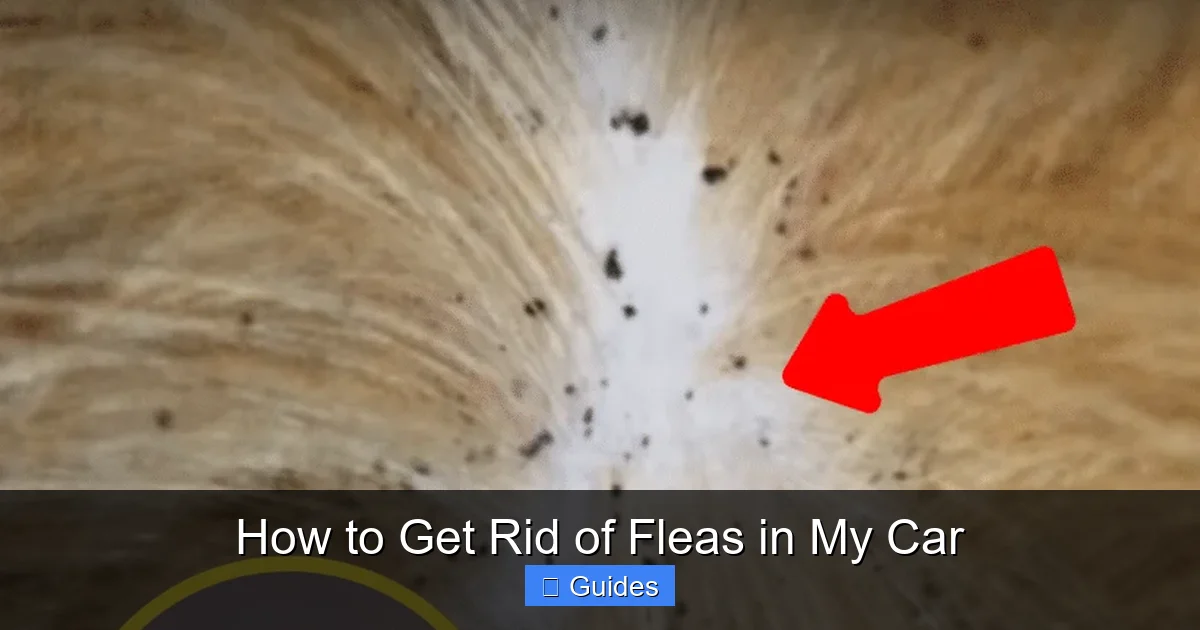
Keep an eye out for itching, red bites, or flea dirt (small black specks that turn red when wet). If you spot any, act quickly—early detection makes elimination much easier.
When to Call a Professional
Sometimes, despite your best efforts, fleas persist. If you’ve tried deep cleaning, steam cleaning, and multiple treatments but still see fleas or signs of infestation, it’s time to call in the experts. Professional pest control services can assess the situation and use stronger, targeted treatments that are safe for vehicles.
Auto detailing companies with flea removal experience are another great option. They have specialized equipment and knowledge to treat every nook and cranny of your car. Plus, they can often treat your home at the same time, ensuring fleas don’t just move from your car to your living room.
Signs You Need Professional Help
– Fleas return within a week of treatment
– You find flea dirt or live fleas in multiple areas
– Your pet continues to scratch or show signs of flea bites
– You’ve tried multiple DIY methods without success
What to Expect from a Professional Service
A professional will typically inspect your car, vacuum and steam clean the interior, apply a targeted flea treatment, and may recommend follow-up visits. They’ll also advise on pet treatment and home prevention to stop the cycle.
Conclusion: Take Back Your Car from Fleas
Getting rid of fleas in your car is no small task, but with persistence and the right approach, it’s absolutely achievable. Start with a thorough vacuum and wash, use steam cleaning for deep penetration, apply safe flea treatments, and stay vigilant with prevention. Remember, fleas have a life cycle—so consistency is key. Treat your car and your pets regularly, and don’t give up if you see a few stragglers.
Your car should be a place of comfort and convenience, not a breeding ground for pests. By following the steps in this guide, you’ll not only eliminate fleas but also create a cleaner, healthier environment for you and your furry passengers. So roll up your sleeves, grab your vacuum, and take back your ride—flea-free and fresh.
Frequently Asked Questions
Can fleas live in a car without pets?
Yes, fleas can survive in a car even without pets. They can hitch a ride on your clothes, shoes, or secondhand items, and lay eggs in carpets or upholstery. Without a host, adult fleas may die off, but eggs and larvae can remain dormant for weeks.
How long do fleas live in a car?
Fleas can survive in a car for several weeks to months, depending on conditions. Adult fleas live about 2–3 months, while eggs and larvae can remain in carpets until triggered by warmth or vibration to emerge.
Are flea bombs safe to use in cars?
Flea bombs can be used in cars but require caution. Ensure the product is labeled for vehicle use, remove all pets and people, and ventilate the car thoroughly afterward. Residues can be harmful if not cleaned properly.
Can I use essential oils to kill fleas in my car?
Essential oils like lavender, eucalyptus, and peppermint can repel fleas but may not kill them outright. Use them as a preventive measure, but combine with vacuuming and other treatments for full elimination. Avoid tea tree oil around cats.
How often should I vacuum my car to prevent fleas?
If you have pets, vacuum your car at least once a week. During an active infestation, vacuum daily for the first week, then every other day for 2–3 weeks to break the flea life cycle.
Will sunlight kill fleas in my car?
Yes, direct sunlight can help kill fleas and their eggs. The heat and UV rays are natural deterrents. Park in the sun when possible, and place infested items outside for several hours to boost effectiveness.

At CarLegit, we believe information should be clear, factual, and genuinely helpful. That’s why every guide, review, and update on our website is created with care, research, and a strong focus on user experience.