
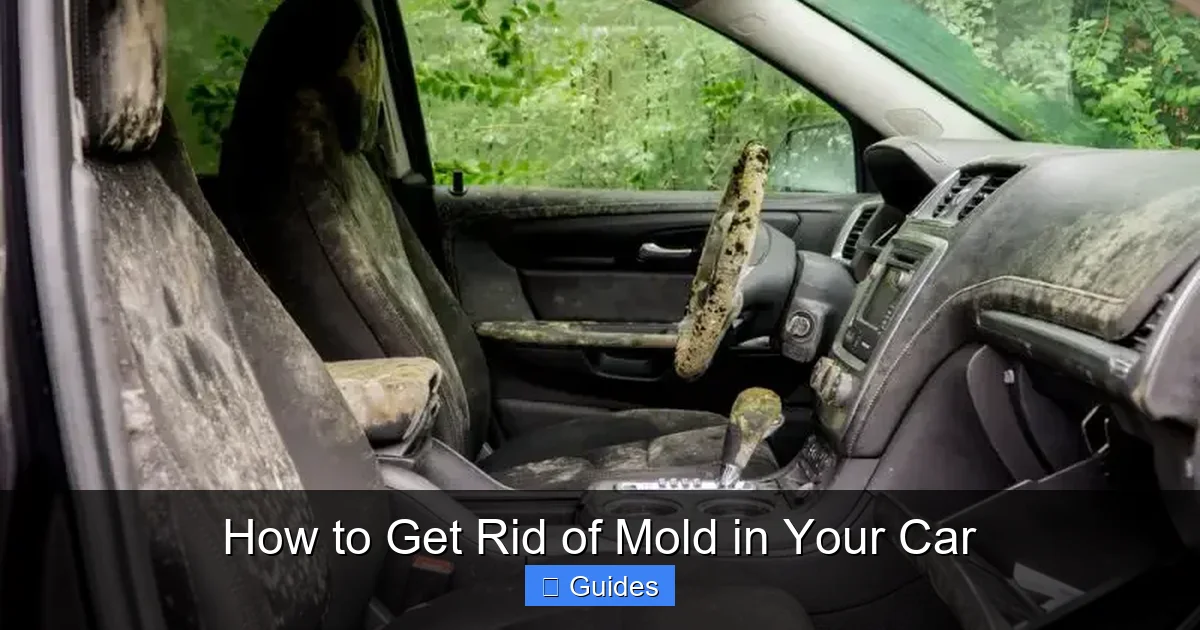
Mold in your car isn’t just unsightly—it’s a health hazard. This guide walks you through identifying, removing, and preventing mold with simple, proven techniques. From DIY cleaning solutions to professional help, you’ll learn how to restore your car’s interior and breathe easy again.
In This Article
- 1 Key Takeaways
- 2 📑 Table of Contents
- 3 How to Get Rid of Mold in Your Car
- 4 Why Mold Grows in Cars
- 5 How to Identify Mold in Your Car
- 6 Step-by-Step Guide to Removing Mold from Your Car
- 7 Special Cleaning Tips for Different Surfaces
- 8 How to Prevent Mold from Coming Back
- 9 When to Call a Professional
- 10 Final Thoughts
- 11 Frequently Asked Questions
Key Takeaways
- Act quickly: Mold spreads fast in damp, enclosed spaces like cars. The sooner you treat it, the easier it is to remove.
- Identify the source: Check for leaks, spills, or high humidity that may be causing moisture buildup.
- Use safe cleaning agents: Vinegar, hydrogen peroxide, and baking soda are effective, non-toxic options for mold removal.
- Protect yourself: Always wear gloves, a mask, and eye protection when handling mold to avoid health risks.
- Dry thoroughly: After cleaning, ensure all surfaces are completely dry to prevent regrowth.
- Prevent future mold: Keep your car ventilated, use moisture absorbers, and address spills immediately.
- Know when to call a pro: Severe or recurring mold may require professional detailing or upholstery cleaning.
📑 Table of Contents
How to Get Rid of Mold in Your Car
Finding mold in your car can be a real shock. One day your vehicle smells fresh, and the next, you catch a musty, earthy odor that won’t go away. You might even spot fuzzy green, black, or white patches on your seats, carpet, or dashboard. Mold in your car isn’t just unpleasant—it can trigger allergies, respiratory issues, and long-term damage to your vehicle’s interior. But don’t panic. With the right approach, you can eliminate mold and keep it from coming back.
This comprehensive guide will walk you through everything you need to know about how to get rid of mold in your car. Whether you’re dealing with a small patch on your floor mat or a full-blown infestation in your upholstery, we’ve got practical, step-by-step solutions. We’ll cover how to identify mold, what causes it, safe cleaning methods, and prevention tips to keep your car smelling fresh and mold-free. By the end, you’ll have the knowledge and tools to tackle mold like a pro—no matter how stubborn it seems.
Why Mold Grows in Cars
Mold is a type of fungus that thrives in warm, moist, and poorly ventilated environments. Unfortunately, cars are prime real estate for mold growth. Think about it: your car is a closed space that often traps moisture from rain, spills, wet clothes, or even your own breath. When that moisture lingers—especially in hidden areas like under floor mats or inside door panels—mold spores find the perfect conditions to grow.

Visual guide about How to Get Rid of Mold in Your Car
Image source: cdn.homedit.com
Common Causes of Car Mold
Understanding what leads to mold is the first step in preventing it. Here are the most common culprits:
- Spills and leaks: Coffee, soda, or water left in cups can seep into seats or carpets. Leaky windows, sunroofs, or door seals let rainwater in, creating damp spots.
- Wet items left inside: Towels, gym clothes, or umbrellas left in the car after a rainy day add moisture to the air and surfaces.
- Poor ventilation: Keeping windows closed for long periods, especially in humid climates, traps moisture inside.
- Air conditioning issues: A clogged AC drain can cause water to accumulate under the dashboard or in the footwells.
- Flood damage: Even minor flooding from a storm or burst pipe can soak carpets and padding, creating a mold hotspot.
The Dangers of Ignoring Car Mold
Mold isn’t just a cosmetic issue. It can seriously affect your health and your car’s value. Mold spores become airborne and can be inhaled, leading to coughing, sneezing, headaches, and worsened asthma or allergies. In severe cases, prolonged exposure to certain molds (like black mold) can cause more serious respiratory problems.
Beyond health risks, mold can ruin your car’s interior. It eats away at fabrics, leaves stubborn stains, and causes permanent odors. If you plan to sell your car, mold can drastically reduce its resale value. The longer you wait, the harder and more expensive it becomes to fix.
How to Identify Mold in Your Car
Before you start cleaning, you need to know where the mold is hiding. Mold can grow in plain sight or in hard-to-reach places. Early detection makes removal much easier.

Visual guide about How to Get Rid of Mold in Your Car
Image source: automadesimply.com
Visual Signs of Mold
Look for discolored patches on surfaces. Mold can appear black, green, white, or even orange. It often looks fuzzy or slimy. Common spots include:
- Floor mats and carpets, especially near the doors
- Seat upholstery, particularly in crevices or under cushions
- Headliner (the fabric on the roof of your car)
- Door panels and side trim
- Under the dashboard or near the glove compartment
Odor as a Clue
Even if you don’t see mold, a musty or earthy smell is a strong indicator. This odor comes from microbial volatile organic compounds (MVOCs) released by mold as it grows. If your car smells damp or like wet socks, it’s time to investigate.
Hidden Mold: Where to Check
Mold loves dark, damp corners. Don’t forget to check:
- Under floor mats and seat covers
- Inside door pockets and cup holders
- Behind the rear seats or in the trunk
- Inside the air vents (use a flashlight)
- The AC evaporator (requires professional inspection)
If you suspect mold but can’t find it, consider using a moisture meter or hiring a professional to inspect your car’s interior.
Step-by-Step Guide to Removing Mold from Your Car
Now that you’ve identified the problem, it’s time to take action. Removing mold from your car requires patience, the right tools, and safety precautions. Follow these steps to clean thoroughly and safely.

Visual guide about How to Get Rid of Mold in Your Car
Image source: cdn.homedit.com
Step 1: Gather Your Supplies
Before you start, make sure you have everything you need:
- Rubber gloves
- N95 mask or respirator
- Safety goggles
- Microfiber cloths
- Soft-bristle brush or old toothbrush
- Spray bottles
- White vinegar or hydrogen peroxide
- Baking soda
- Vacuum with a HEPA filter
- Plastic bags (for disposal)
- Fan or dehumidifier (optional)
Never use bleach on mold in your car. While it kills surface mold, it doesn’t penetrate porous materials and can damage fabrics and plastics. Plus, it releases toxic fumes in enclosed spaces.
Step 2: Ventilate the Area
Open all doors and windows to let fresh air circulate. If possible, park your car in a well-ventilated area or use fans to improve airflow. This helps reduce mold spores in the air and speeds up drying.
Step 3: Remove and Clean Removable Items
Take out floor mats, seat covers, and any removable fabric items. Shake them outside to remove loose mold spores. Then, clean them separately using one of the methods below.
Step 4: Vacuum the Interior
Use a vacuum with a HEPA filter to suck up loose mold spores from carpets, seats, and crevices. HEPA filters trap tiny particles, preventing them from being released back into the air. Vacuum thoroughly, especially in corners and under seats.
Step 5: Choose a Cleaning Solution
There are several effective, non-toxic options for killing mold. Here are the best ones:
Vinegar Solution
White vinegar is a natural mold killer. Mix equal parts white vinegar and water in a spray bottle. Spray it directly on moldy areas and let it sit for at least one hour. The acidity breaks down mold and neutralizes odors. Wipe clean with a damp cloth.
Hydrogen Peroxide
Hydrogen peroxide (3% solution) is another powerful mold remover. Pour it into a spray bottle and apply to affected areas. Let it sit for 10–15 minutes, then scrub gently with a brush and wipe away. It’s safe for most fabrics and won’t leave a residue.
Baking Soda Paste
For tougher stains or odors, make a paste with baking soda and water. Apply it to moldy spots, let it dry, then scrub and wipe clean. Baking soda also helps absorb moisture and neutralize smells.
Step 6: Scrub and Wipe
Use a soft-bristle brush or toothbrush to gently scrub moldy areas. Be careful not to damage fabrics or surfaces. For carpets, work the solution into the fibers. For hard surfaces like plastic or vinyl, a cloth is usually enough.
After scrubbing, wipe the area with a clean, damp cloth to remove residue. Repeat if necessary.
Step 7: Dry Completely
This step is crucial. Mold returns if moisture remains. Use fans, open windows, or a dehumidifier to dry the car thoroughly. If possible, leave doors open for several hours or overnight. For carpets, you may need to use a wet/dry vacuum to extract excess moisture.
Step 8: Deodorize
Even after mold is gone, odors may linger. Sprinkle baking soda on carpets and seats, let it sit for a few hours, then vacuum. You can also use a car-safe odor eliminator or place activated charcoal bags inside to absorb smells.
Special Cleaning Tips for Different Surfaces
Not all car interiors are the same. Different materials require different care to avoid damage while removing mold.
Fabric and Upholstery
For cloth seats and carpets, use vinegar or hydrogen peroxide solutions. Test on a small, hidden area first to ensure it doesn’t discolor the fabric. Avoid soaking—too much liquid can trap moisture underneath.
Leather Seats
Leather is sensitive to harsh chemicals. Use a mild soap and water solution or a leather-safe cleaner. After cleaning, condition the leather to prevent cracking. Never use vinegar or hydrogen peroxide on untreated leather—it can dry it out.
Plastic and Vinyl Surfaces
Dashboards, door panels, and trim can be cleaned with vinegar or a mild all-purpose cleaner. Wipe with a microfiber cloth to avoid scratching. For textured surfaces, use a soft brush to get into grooves.
Headliner
The headliner is delicate and hard to clean. If mold is present, blot gently with a damp cloth and mild soap. Avoid rubbing, which can tear the fabric. For severe mold, consider professional cleaning or replacement.
Air Vents and AC System
Mold in the AC system causes persistent odors. Spray an HVAC-safe mold cleaner into the vents or have a professional clean the evaporator and ducts. Replace the cabin air filter regularly to improve airflow and reduce moisture.
How to Prevent Mold from Coming Back
Cleaning mold is only half the battle. To keep your car mold-free, you need to stop moisture from building up in the first place.
Keep Your Car Dry
Always dry wet items before placing them in your car. If you’ve been in the rain, leave windows slightly open when parked (if safe) to let moisture escape. Use absorbent mats in the footwells to catch drips.
Use Moisture Absorbers
Place silica gel packs, activated charcoal, or commercial moisture absorbers (like DampRid) in your car. These products pull excess humidity from the air and can be reused or replaced as needed.
Run the AC and Heater Regularly
Even in mild weather, run your AC for a few minutes to remove moisture from the air. In winter, use the heater to dry out cold, damp interiors. This helps prevent condensation buildup.
Check for Leaks
Inspect your car for leaks regularly. Look around windows, sunroofs, door seals, and the trunk. Repair any cracks or worn seals promptly. A small leak can lead to big mold problems over time.
Clean Spills Immediately
Accidents happen. If you spill liquid, clean it up right away. Blot, don’t rub, and use a fan to dry the area. For sugary drinks, rinse with water first to prevent sticky residue that attracts mold.
Park Smart
Whenever possible, park in a garage or covered area. If you must park outside, choose a spot with good airflow and avoid low-lying areas where water collects.
When to Call a Professional
Sometimes, mold is too deep or widespread to handle on your own. Here’s when it’s time to call in the experts.
Severe Mold Infestation
If mold covers large areas—like entire seats or the headliner—or has penetrated deep into padding, professional cleaning may be necessary. Detailers have specialized equipment like steam cleaners and ozone generators to remove mold and odors.
Recurring Mold
If mold keeps coming back despite your efforts, there may be a hidden water source. A professional can inspect your car’s drainage system, AC unit, and seals to find and fix the root cause.
Health Concerns
If you or a passenger has asthma, allergies, or a weakened immune system, avoid handling mold yourself. Professionals have the training and gear to clean safely without exposing you to spores.
Flood-Damaged Vehicles
Cars that have been flooded often have mold growing inside door panels, under the dashboard, or in the electrical system. These require thorough inspection and cleaning by a certified technician.
Professional cleaning can cost anywhere from $100 to $500, depending on the severity. But it’s a worthwhile investment for your health and your car’s longevity.
Final Thoughts
Getting rid of mold in your car might seem overwhelming, but it’s entirely doable with the right approach. The key is to act fast, clean thoroughly, and prevent future growth. Mold thrives on neglect, but with regular maintenance and attention to moisture, you can keep your car fresh, clean, and healthy.
Remember, mold isn’t just a cosmetic issue—it’s a sign that your car’s environment is out of balance. By addressing the root cause and staying proactive, you’ll not only eliminate mold but also extend the life of your vehicle’s interior. Whether you’re using vinegar, hydrogen peroxide, or calling in a pro, the most important thing is to take action. Your car—and your lungs—will thank you.
Frequently Asked Questions
Can I use bleach to kill mold in my car?
No, avoid using bleach in your car. It doesn’t penetrate porous materials and can damage fabrics, plastics, and electronics. It also releases harmful fumes in enclosed spaces.
How long does it take to remove mold from a car?
Light mold can be removed in a few hours. Severe cases may take a day or more, especially if drying time is needed. Always ensure the car is completely dry before closing it up.
Will airing out my car get rid of mold?
Airing out helps reduce moisture and odors, but it won’t kill mold or remove visible growth. You still need to clean affected areas with a mold-killing solution.
Can mold in my car make me sick?
Yes, mold spores can trigger allergies, asthma, and respiratory issues. People with sensitivities or weakened immune systems are at higher risk.
How often should I check my car for mold?
Inspect your car monthly, especially after rainy seasons or spills. Pay attention to smells and damp areas. Early detection makes removal much easier.
Is it safe to drive with mold in my car?
It’s not recommended. Mold spores can affect your health, and the problem will only get worse. Clean it as soon as possible or consult a professional.

At CarLegit, we believe information should be clear, factual, and genuinely helpful. That’s why every guide, review, and update on our website is created with care, research, and a strong focus on user experience.