
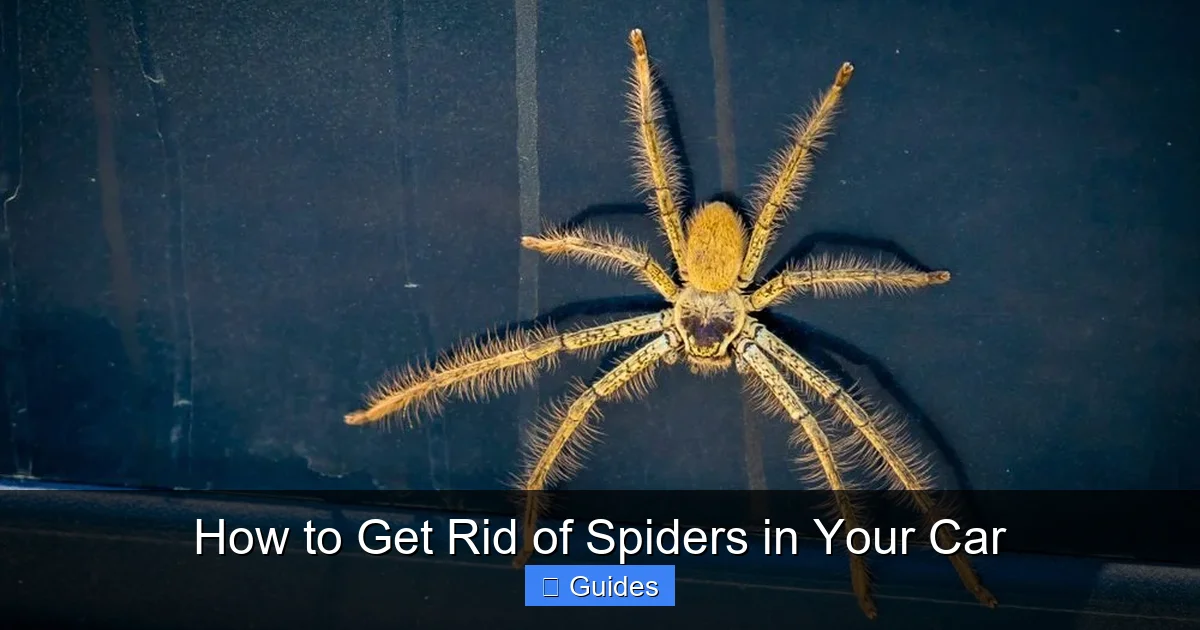
Finding spiders in your car can be unsettling, but it’s more common than you think. With the right cleaning habits, natural deterrents, and preventive measures, you can keep your vehicle spider-free and comfortable.
In This Article
- 1 Key Takeaways
- 2 📑 Table of Contents
- 3 Why Spiders Love Your Car (And How to Stop Them)
- 4 Why Spiders Are Attracted to Cars
- 5 How to Get Rid of Spiders in Your Car: Step-by-Step
- 6 Prevention Tips to Keep Spiders Out for Good
- 7 Natural vs. Chemical Solutions: What Works Best?
- 8 Myths and Facts About Spiders in Cars
- 9 Conclusion: Stay Spider-Free with Smart Habits
- 10 Frequently Asked Questions
Key Takeaways
- Regular cleaning is essential: Vacuuming and wiping down surfaces removes webs, eggs, and food crumbs that attract spiders.
- Seal entry points: Cracks in windows, door seals, and under the hood can let spiders in—inspect and repair them.
- Use natural repellents: Peppermint oil, vinegar, and citrus sprays deter spiders without harsh chemicals.
- Park smart: Avoid wooded areas, tall grass, and dark garages where spiders thrive.
- Check hidden spots: Spiders love glove compartments, under seats, and trunk corners—inspect these regularly.
- Act fast if you find webs: Removing webs early prevents spiders from nesting and laying eggs.
- Professional help may be needed: If infestations persist, consult a pest control expert for safe removal.
📑 Table of Contents
- Why Spiders Love Your Car (And How to Stop Them)
- Why Spiders Are Attracted to Cars
- How to Get Rid of Spiders in Your Car: Step-by-Step
- Prevention Tips to Keep Spiders Out for Good
- Natural vs. Chemical Solutions: What Works Best?
- Myths and Facts About Spiders in Cars
- Conclusion: Stay Spider-Free with Smart Habits
Why Spiders Love Your Car (And How to Stop Them)
You’re driving down the road, windows down, enjoying the breeze—then you spot it: a spider dangling from the rearview mirror. Your heart skips a beat. How did it get there? And more importantly, how do you get rid of spiders in your car for good?
Spiders in cars are more common than most people realize. These eight-legged visitors aren’t trying to take over your vehicle—they’re just looking for shelter, warmth, and food. Cars, especially when parked for long periods, offer dark, quiet spaces perfect for spinning webs and hiding from predators. Garages, driveways near trees, and rural areas increase the chances of spider encounters. But don’t panic. With a few smart habits and natural solutions, you can keep your car spider-free and your drives stress-free.
In this guide, we’ll walk you through everything you need to know about how to get rid of spiders in your car—from identifying problem areas to using safe, effective removal methods. Whether you’ve spotted a single spider or noticed multiple webs, these tips will help you reclaim your vehicle and prevent future invasions.
Why Spiders Are Attracted to Cars
Before you can effectively get rid of spiders in your car, it helps to understand why they’re there in the first place. Spiders aren’t after your snacks or trying to hitch a ride to work—they’re simply seeking the ideal conditions for survival. And unfortunately, your car can provide just that.

Visual guide about How to Get Rid of Spiders in Your Car
Image source: carcareassist.com
Dark, Quiet, and Protected Spaces
Spiders love dark, undisturbed areas where they can build webs without being disturbed. Your car’s interior—especially under seats, in glove compartments, and behind sun visors—offers perfect hiding spots. These areas are rarely cleaned thoroughly, making them attractive to spiders looking for a safe place to lay eggs or catch prey.
Food Sources Attract Spiders Indirectly
While spiders don’t eat crumbs or leftover coffee, they do hunt insects that are drawn to food debris. Ants, flies, and silverfish are common in cars with spilled drinks, snack wrappers, or pet hair. These pests become spider prey, creating a mini food chain right in your vehicle. So, even if you don’t see spiders, the presence of other bugs can signal a future spider problem.
Warmth and Shelter During Cold Months
In colder seasons, spiders seek warmth to survive. Your car, especially if parked in a garage or near a heat source, can feel like a cozy retreat. Engine compartments and wheel wells are particularly appealing because they retain heat longer than the outside environment.
Outdoor Parking Increases Risk
Cars parked near trees, shrubs, tall grass, or woodpiles are more likely to host spiders. These environments are natural habitats for many spider species. When you park close to vegetation, spiders can easily crawl onto your car and find their way inside through open windows, vents, or gaps in door seals.
Long-Term Parking Invites Infestations
If your car sits unused for days or weeks, it becomes a prime target. Spiders prefer quiet, undisturbed spaces, and an idle car is essentially a vacant apartment. Over time, one spider can lay hundreds of eggs, leading to a full-blown infestation if not addressed.
Understanding these factors is the first step in prevention. By removing the conditions that attract spiders, you can drastically reduce the chances of them moving in.
How to Get Rid of Spiders in Your Car: Step-by-Step
Now that you know why spiders are drawn to your car, let’s talk about how to get rid of them—safely and effectively. Whether you’ve found a single web or multiple spiders, these steps will help you clean, remove, and prevent future visitors.

Visual guide about How to Get Rid of Spiders in Your Car
Image source: pestsamurai.com
Step 1: Inspect Your Car Thoroughly
Start by giving your car a detailed inspection. Turn on the interior lights and look in every nook and cranny. Check under the seats, inside the glove box, behind the sun visors, in the trunk, and around the door panels. Use a flashlight to spot webs in dark corners. Don’t forget the engine bay—spiders often build webs near the battery or air filter.
Pro tip: If you’re squeamish about touching spiders, wear gloves and use a long-handled tool like a broom or dustpan to gently remove webs from a distance.
Step 2: Remove Webs and Egg Sacs
Once you’ve located the webs, it’s time to remove them. Use a vacuum cleaner with a crevice tool to suck up webs, spiders, and egg sacs. Focus on corners, vents, and under seats. Be thorough—egg sacs can contain dozens of baby spiders that will hatch if left behind.
If you prefer not to vacuum, use a damp cloth or paper towel to wipe away webs. Dispose of the cloth immediately in a sealed trash bag to prevent spiders from escaping.
Step 3: Clean and Deodorize the Interior
After removing the webs, deep clean your car’s interior. Vacuum the seats, floor mats, and trunk. Wipe down all surfaces—dashboard, steering wheel, door handles—with a mild cleaner. This removes not only spider debris but also food crumbs and insect trails that attract pests.
For a fresh scent and natural spider deterrent, add a few drops of peppermint oil to your cleaning solution. Spiders hate the smell of peppermint, and it leaves your car smelling great.
Step 4: Check and Clean the Exterior and Engine Bay
Spiders don’t just live inside your car—they can also hide in the engine compartment, wheel wells, and under the chassis. Pop the hood and inspect for webs around the battery, air intake, and belts. Use a soft brush or compressed air to remove debris.
Wash the exterior of your car, especially the wheel wells and undercarriage. This removes spider habitats and makes your car less appealing to pests.
Step 5: Use Natural Repellents
After cleaning, apply natural spider repellents to keep them from returning. Here are a few effective options:
- Peppermint oil spray: Mix 10–15 drops of peppermint essential oil with water in a spray bottle. Spray around windows, door seals, and vents. Reapply every few days.
- Vinegar solution: Combine equal parts white vinegar and water. Spray on surfaces spiders frequent. The strong smell deters them.
- Citrus peels: Place lemon, orange, or lime peels in the glove compartment or under seats. The citrus scent repels spiders naturally.
Avoid using chemical pesticides inside your car. They can leave harmful residues and pose health risks, especially in enclosed spaces.
Step 6: Seal Entry Points
Spiders can squeeze through tiny gaps. Inspect your car for cracks in window seals, damaged weather stripping, or holes near cables and hoses. Use silicone sealant or weather stripping to close these gaps. Pay special attention to the doors, trunk, and hood.
Also, keep windows and sunroofs closed when parked, especially at night. Open windows are an open invitation for spiders and other insects.
Prevention Tips to Keep Spiders Out for Good
Getting rid of spiders is one thing—keeping them away is another. Prevention is key to maintaining a spider-free car. These habits will help you avoid future infestations.

Visual guide about How to Get Rid of Spiders in Your Car
Image source: howtomurderpests.com
Park in Well-Lit, Open Areas
Whenever possible, park your car in a well-lit, open area away from trees, shrubs, and tall grass. Spiders are less likely to venture into bright, exposed spaces. If you park in a garage, keep the door closed and consider using a dehumidifier to reduce moisture, which attracts insects—and therefore spiders.
Keep Your Car Clean and Clutter-Free
A clean car is a spider-free car. Regularly remove trash, food wrappers, and pet hair. Vacuum at least once a week, especially if you eat in your car. Store snacks in sealed containers and avoid leaving drinks uncovered.
Clutter provides hiding spots for spiders. Keep your glove compartment organized and avoid stacking papers or bags in the back seat.
Use Spider-Repellent Plants Near Parking Areas
If you park at home, consider planting spider-repellent plants like lavender, eucalyptus, or mint near your driveway or garage. These plants emit scents that spiders dislike, creating a natural barrier.
Install Window Screens or Mesh Covers
For long-term parking, especially in rural areas, consider using mesh covers over windows or vents. These allow airflow while keeping spiders and insects out. You can find custom-fit covers online or at auto shops.
Run the Engine Occasionally
If your car sits unused for long periods, start it up and let it run for 10–15 minutes every few days. The vibration and noise deter spiders from nesting. Also, the heat from the engine makes the area less appealing.
Check Your Car After Long Trips
After road trips or camping, inspect your car for stowaways. Spiders can hitch a ride in luggage, coolers, or camping gear. Shake out bags and check corners before loading them into your vehicle.
Natural vs. Chemical Solutions: What Works Best?
When it comes to how to get rid of spiders in your car, you have two main options: natural remedies or chemical sprays. Let’s compare them to help you choose the safest, most effective approach.
Natural Remedies: Safe and Eco-Friendly
Natural solutions are ideal for car use because they’re non-toxic and won’t damage interiors. Peppermint oil, vinegar, and citrus are all proven spider deterrents. They’re easy to make at home and cost just a few dollars.
For example, a peppermint oil spray can be reapplied weekly and leaves a fresh scent. Vinegar is especially effective for cleaning and repelling at the same time. These methods are safe for children, pets, and the environment.
Chemical Sprays: Effective but Risky
Chemical insecticides can kill spiders quickly, but they come with risks. Many contain pyrethroids or other toxins that can linger in your car’s cabin air. Inhaling these chemicals can cause headaches, dizziness, or respiratory issues, especially in enclosed spaces.
Additionally, chemical sprays can damage upholstery, plastic, and electronics if not used properly. They also don’t address the root cause—why spiders are there in the first place.
When to Call a Professional
In rare cases, you may face a severe infestation—multiple spiders, egg sacs, and recurring webs despite cleaning. This could indicate a larger pest problem, such as a nest near your parking area. In these situations, contact a licensed pest control expert. They can safely remove spiders and treat the surrounding environment to prevent reinfestation.
Professionals may use targeted treatments that are safer for indoor use, but they should only be a last resort. Most spider problems in cars can be solved with regular cleaning and natural deterrents.
Myths and Facts About Spiders in Cars
There’s a lot of misinformation about spiders and cars. Let’s clear up some common myths so you can tackle the problem with confidence.
Myth: All Spiders in Cars Are Dangerous
Fact: Most spiders found in cars are harmless house spiders or cellar spiders. They’re not aggressive and prefer to avoid humans. While some species like black widows or brown recluses can be venomous, they’re rare and usually only found in specific regions. Simply seeing a spider doesn’t mean you’re in danger.
Myth: Spiders Lay Eggs in Car Engines
Fact: While spiders may build webs in engine bays, they don’t lay eggs directly in engine parts. Egg sacs are usually placed in protected corners or under hood insulation. Regular cleaning and inspection prevent this.
Myth: You Can’t Get Rid of Spiders Without Pesticides
Fact: Natural methods like cleaning, vacuuming, and repellents are highly effective. Pesticides are unnecessary for most car spider problems and can do more harm than good.
Myth: Spiders Will Eat Your Car’s Wiring
Fact: Spiders don’t eat wiring. However, their webs can accumulate dust and debris, potentially affecting sensors or airflow. This is rare but worth monitoring during inspections.
Myth: Leaving Lights On Deters Spiders
Fact: Spiders aren’t strongly affected by light. In fact, lights can attract insects, which in turn attract spiders. It’s better to keep lights off and use natural repellents.
Understanding these facts helps you respond calmly and effectively. Most spider encounters are harmless and easily managed with the right approach.
Conclusion: Stay Spider-Free with Smart Habits
Finding a spider in your car can be startling, but it doesn’t have to be a recurring nightmare. By understanding why spiders are attracted to vehicles and taking proactive steps, you can keep your car clean, safe, and spider-free.
Start with a thorough cleaning—vacuum webs, wipe surfaces, and check hidden areas. Use natural repellents like peppermint oil or vinegar to deter future visitors. Seal entry points, park wisely, and maintain a clutter-free interior. These simple habits make a big difference.
Remember, most spiders are harmless and play a role in controlling other pests. But that doesn’t mean you have to share your ride. With consistency and the right tools, you can enjoy a comfortable, pest-free driving experience.
So the next time you spot a web in your rearview mirror, don’t panic. Grab your vacuum, mix up a peppermint spray, and take back your car. You’ve got this.
Frequently Asked Questions
Can spiders damage my car?
Spiders themselves won’t damage your car, but their webs can collect dust and debris, potentially affecting airflow or sensors. Regular cleaning prevents this issue.
Are spider repellents safe to use inside a car?
Natural repellents like peppermint oil and vinegar are safe for car interiors. Avoid chemical sprays, as they can leave harmful residues in enclosed spaces.
How often should I clean my car to prevent spiders?
Vacuum and wipe down surfaces at least once a week. Deep clean monthly, especially if you park outdoors or in wooded areas.
What should I do if I find a spider egg sac?
Use a vacuum or damp cloth to remove the egg sac immediately. Dispose of it in a sealed bag to prevent hatching.
Can I use essential oils to repel spiders?
Yes, peppermint, eucalyptus, and citrus oils are effective natural repellents. Mix with water and spray around windows and vents.
Should I be worried about venomous spiders in my car?
Venomous spiders like black widows are rare and usually only found in specific regions. Most car spiders are harmless, but it’s wise to inspect and remove any you find.

At CarLegit, we believe information should be clear, factual, and genuinely helpful. That’s why every guide, review, and update on our website is created with care, research, and a strong focus on user experience.