
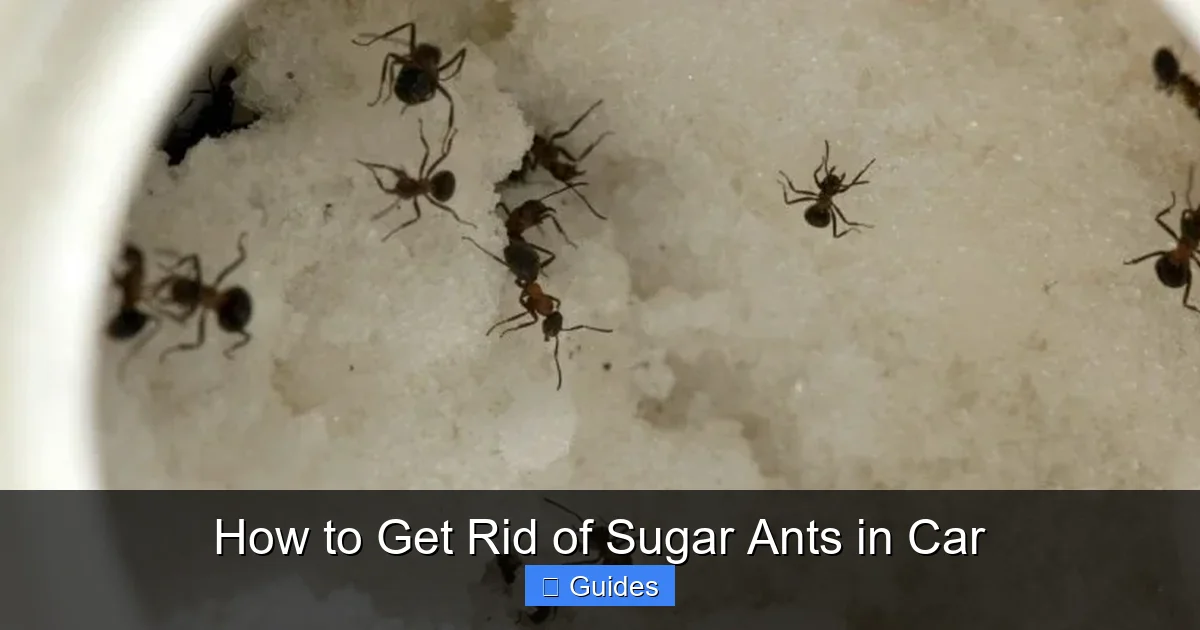
Finding sugar ants in your car can be frustrating and unhygienic. These tiny pests are drawn to food crumbs, spills, and sweet residues, turning your vehicle into their personal buffet. With the right cleaning strategies and preventive measures, you can eliminate sugar ants and keep them from returning for good.
In This Article
- 1 Key Takeaways
- 2 📑 Table of Contents
- 3 Why Are Sugar Ants in Your Car?
- 4 Immediate Steps to Take When You Spot Sugar Ants
- 5 Natural and Chemical-Free Remedies to Eliminate Sugar Ants
- 6 Using Ant Baits and Traps Safely in Your Car
- 7 Preventing Sugar Ants from Returning
- 8 When to Call a Professional
- 9 Conclusion
- 10 Frequently Asked Questions
Key Takeaways
- Identify the source of attraction: Sugar ants are primarily drawn to food residue, sugary spills, and moisture. Locating and removing these sources is the first step in eliminating them.
- Deep clean your car regularly: Vacuum seats, floor mats, and crevices thoroughly. Use a damp cloth to wipe down surfaces where food particles may linger.
- Use natural deterrents: Vinegar, lemon juice, and essential oils like peppermint or tea tree oil disrupt ant trails and repel them without harsh chemicals.
- Seal entry points: Check for cracks around windows, doors, and vents. Use silicone caulk or weather stripping to block potential access routes.
- Avoid leaving food in the car: Never store snacks, drinks, or open food containers in your vehicle—even for short periods.
- Use ant baits strategically: Place non-toxic ant baits near entry points to eliminate the entire colony, not just visible ants.
- Monitor and maintain cleanliness: Regular inspections and consistent cleaning prevent future infestations and keep your car smelling fresh.
📑 Table of Contents
Why Are Sugar Ants in Your Car?
You’re driving to work, sipping your morning coffee, when you notice a tiny line of ants crawling along the dashboard. Your first thought? “How did sugar ants get in my car?” It’s a common—and annoying—problem many drivers face. Sugar ants, also known as odorous house ants, are small, dark-colored insects that are especially attracted to sweet substances. They’re not just a nuisance; they can contaminate surfaces, leave behind pheromone trails, and even damage electronic components over time.
These ants are incredibly persistent. Once they discover a food source—like a forgotten candy wrapper, spilled soda, or crumbs from your lunch—they send signals to the rest of the colony. Within hours, dozens or even hundreds of ants can invade your vehicle. And because cars are enclosed spaces with limited airflow, the scent of food lingers longer, making your car an ideal feeding ground. Unlike outdoor environments where ants have many options, your car becomes a prime target once it’s marked as a food source.
Common Attractants in Vehicles
Sugar ants are opportunistic feeders. They’re not picky—they’ll eat anything from chocolate crumbs to sticky fingerprints on the steering wheel. Here are some of the most common culprits that draw them in:
- Food crumbs: Chips, cookies, bread, and cereal bits left under seats or in cup holders.
- Spilled drinks: Soda, juice, or coffee that seeps into crevices and dries into a sticky residue.
- Open food containers: Half-eaten snacks, candy wrappers, or protein bar packaging left in the car.
- Pet food: If you travel with your dog or cat, leftover kibble or treats can attract ants.
- Moisture: Damp floor mats, wet clothes, or condensation from cold drinks create a humid environment ants love.
Even something as small as a single drop of soda on the gear shift can be enough to start an infestation. Ants have an incredible sense of smell and can detect food particles invisible to the human eye. Once they find a trail, they’ll keep coming back—and bringing friends.
How Sugar Ants Get Inside
You might be wondering, “But my car is closed! How do they get in?” The truth is, cars are full of tiny openings that ants can exploit. They don’t need a wide gap—just a crack the width of a pencil lead is enough. Common entry points include:
- Door seals and weather stripping
- Window edges, especially if windows are left slightly open
- Vents and air intake systems
- Gaps around the trunk or hood
- Under the dashboard near wiring harnesses
Ants are also excellent climbers. They can scale tires, climb up door frames, or even hitch a ride on your clothes or groceries. Once inside, they explore every nook and cranny, searching for food and water. And because cars are often parked in garages, driveways, or near trees and gardens, they’re easily accessible to foraging ants.
Immediate Steps to Take When You Spot Sugar Ants
If you notice ants in your car, don’t panic—but don’t ignore it either. The sooner you act, the easier it will be to eliminate them and prevent a full-blown infestation. Here’s what to do right away:
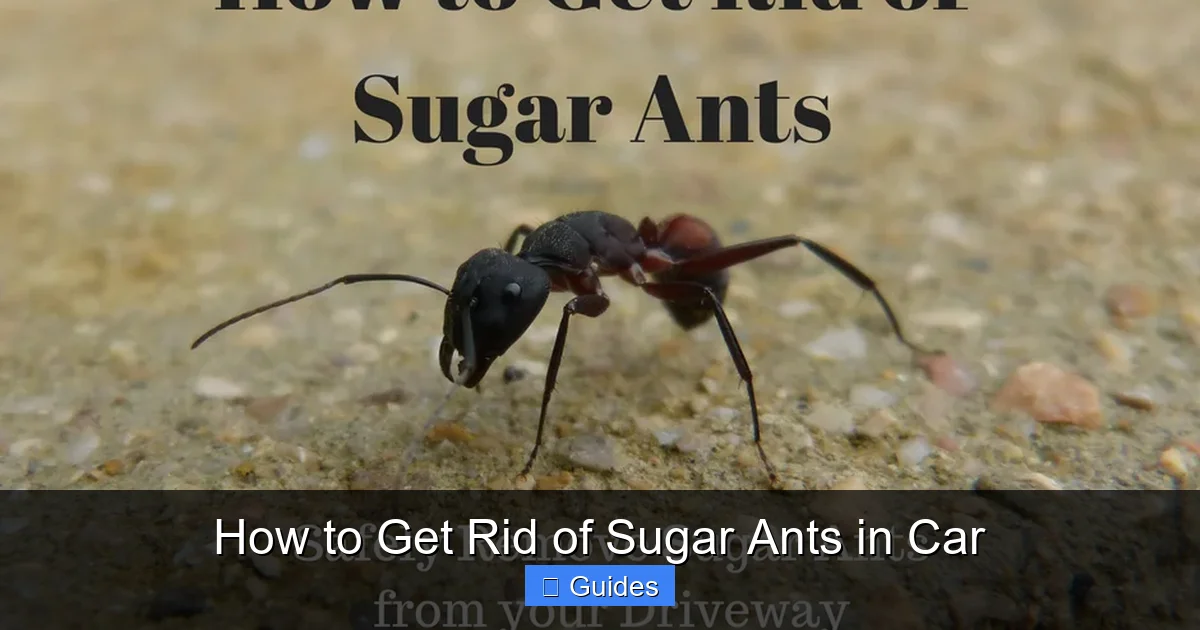
Visual guide about How to Get Rid of Sugar Ants in Car
Image source: ghgateproducts.com
Step 1: Remove All Food Sources
The first and most important step is to eliminate what’s attracting the ants. Take everything out of your car—bags, jackets, floor mats, and any items that might contain food residue. Check under seats, in the glove compartment, and in the trunk. Dispose of any open food containers, even if they seem clean. Wipe down all surfaces with a damp cloth to remove sticky residues.
Step 2: Vacuum Thoroughly
Use a handheld vacuum or a car vacuum attachment to clean every inch of your vehicle. Focus on areas where crumbs tend to accumulate: between seats, under the pedals, in cup holders, and along the edges of floor mats. Don’t forget the backseat and trunk—ants love hidden spots. If you don’t have a vacuum, a damp cloth and a toothbrush can help dislodge stubborn debris.
Step 3: Wipe Down Surfaces with Soapy Water
After vacuuming, wipe down all hard surfaces—dashboard, steering wheel, gear shift, door panels—with a mixture of warm water and mild dish soap. This removes any remaining food particles and disrupts the pheromone trails ants use to navigate. Rinse with a clean, damp cloth and dry thoroughly to prevent moisture buildup.
Step 4: Check for Moisture
Ants need water to survive. If your car has damp floor mats, wet clothes, or condensation, dry everything completely. Use a fan or leave the windows slightly open (in a secure location) to improve airflow. Consider using moisture-absorbing products like silica gel packs or activated charcoal to keep the interior dry.
Step 5: Inspect for Entry Points
While cleaning, take a close look at potential entry points. Are the door seals cracked? Are the windows closing tightly? Use a flashlight to check around vents, under the dashboard, and near the trunk. If you find gaps, note them for later sealing.
Natural and Chemical-Free Remedies to Eliminate Sugar Ants
Many people prefer to avoid harsh chemicals, especially in enclosed spaces like cars. Fortunately, there are several natural, non-toxic methods that are highly effective at repelling and eliminating sugar ants.
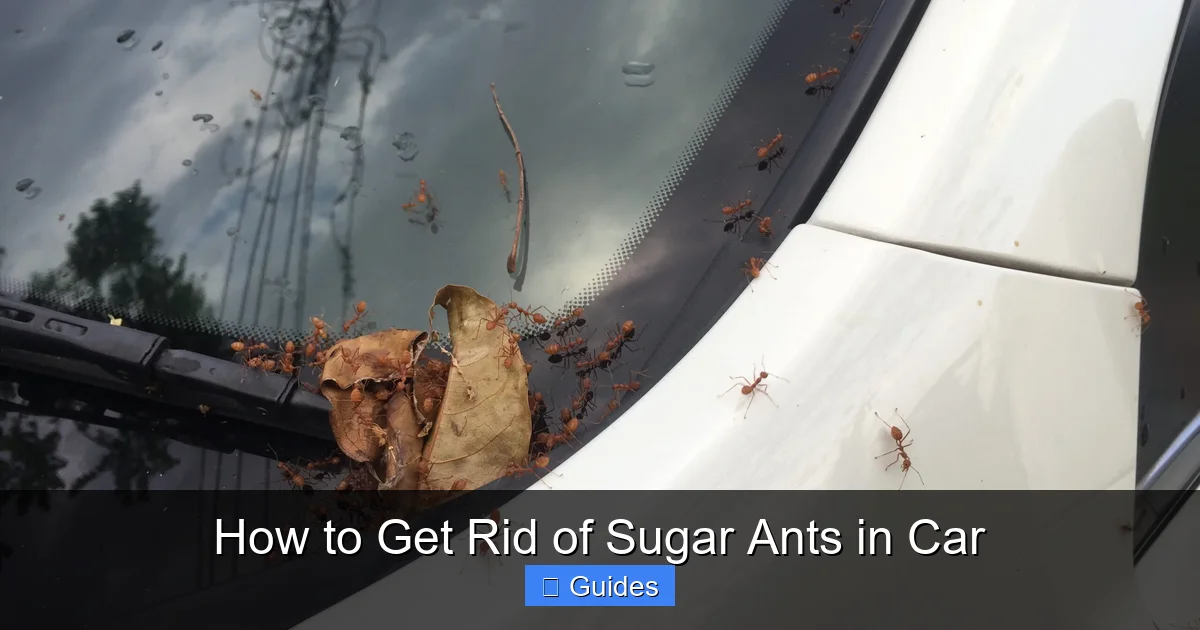
Visual guide about How to Get Rid of Sugar Ants in Car
Image source: countrydiaries.com
Vinegar Solution: The Ultimate Ant Deterrent
Vinegar is a powerhouse when it comes to ant control. Its strong smell masks pheromone trails and confuses ants, making it harder for them to navigate. To use vinegar:
- Mix equal parts white vinegar and water in a spray bottle.
- Spray the solution on windowsills, door frames, cup holders, and other areas where ants have been seen.
- Wipe down surfaces with a cloth—don’t rinse, as the lingering smell is what repels ants.
- Repeat daily for a week, then weekly for maintenance.
For extra effectiveness, add a few drops of dish soap to break down the ants’ exoskeletons and disrupt their movement.
Lemon Juice and Citrus Peels
Lemons and other citrus fruits contain d-limonene, a natural compound that repels ants. Squeeze fresh lemon juice onto a cloth and wipe down surfaces. You can also place lemon peels in the corners of your car or near entry points. The strong citrus scent acts as a natural barrier. Replace the peels every few days to maintain effectiveness.
Essential Oils: Peppermint, Tea Tree, and Eucalyptus
Essential oils are another excellent natural option. Peppermint oil, in particular, is known for its strong ant-repelling properties. Here’s how to use them:
- Add 10–15 drops of peppermint, tea tree, or eucalyptus oil to a spray bottle filled with water.
- Shake well and spray around windows, doors, and vents.
- You can also soak cotton balls in the oil and place them in strategic locations—under the seat, in the glove box, or near the trunk.
- Reapply every 3–5 days, as the scent fades over time.
These oils not only repel ants but also leave your car smelling fresh and clean. Just be sure to test a small area first to avoid damaging surfaces.
Diatomaceous Earth: A Non-Toxic Powder
Food-grade diatomaceous earth (DE) is a fine powder made from fossilized algae. It’s completely safe for humans and pets but deadly to ants. When ants walk through DE, it damages their exoskeletons, causing them to dehydrate and die. To use:
- Sprinkle a thin layer of DE along baseboards, under seats, and near entry points.
- Use a small brush or makeup applicator to reach tight spaces.
- Leave it in place for a few days, then vacuum it up.
- Reapply after cleaning or if you notice new ant activity.
Be sure to wear a mask when applying DE to avoid inhaling the fine particles. It’s most effective in dry conditions, so avoid using it in damp areas.
Using Ant Baits and Traps Safely in Your Car
While natural remedies work well for prevention and light infestations, sometimes you need a more targeted approach. Ant baits are designed to attract ants, who then carry the poison back to the colony, eliminating the entire nest. However, using baits in a car requires caution—especially if you have children or pets.
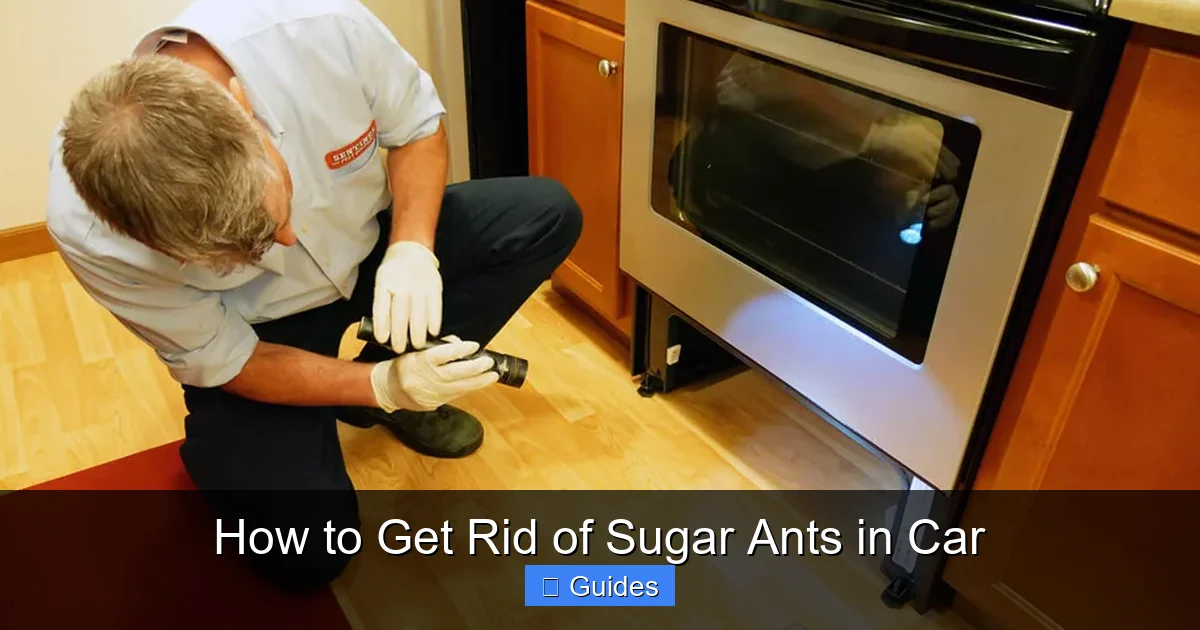
Visual guide about How to Get Rid of Sugar Ants in Car
Image source: sentinelpest.com
Choosing the Right Ant Bait
Look for baits labeled as “low toxicity” or “pet-safe.” Gel baits are often the best choice for cars because they’re easy to apply and less likely to spill. Popular options include borax-based gels or sugar-based liquid baits. Avoid aerosol sprays, which can leave harmful residues and are less effective at reaching the colony.
Where to Place Ant Baits in Your Car
Place baits in areas where ants are active but out of reach of children and pets. Good locations include:
- Inside the glove compartment (if it’s sealed)
- Under the seat, near the floor
- In the trunk, away from luggage
- Near door frames or window edges
Use a small dab—no larger than a pea—on a piece of cardboard or plastic. This prevents the bait from spreading and makes it easier to remove later.
Monitoring and Replacing Baits
Check the baits every 2–3 days. If they’re gone or dried out, replace them. It may take several days to a week for the bait to work, as it relies on ants carrying it back to the nest. Avoid cleaning the area around the bait until the ants are gone, as this can remove the pheromone trail.
Safety Tips for Using Baits in Vehicles
- Never place baits on surfaces that come into contact with food or drinks.
- Keep your car well-ventilated while using baits.
- Wash your hands after handling bait products.
- Store unused bait in a sealed container away from children and pets.
If you’re concerned about chemical exposure, stick to natural remedies or consult a pest control professional who specializes in vehicle treatments.
Preventing Sugar Ants from Returning
Getting rid of sugar ants is one thing—keeping them away is another. Prevention is key to ensuring your car stays ant-free in the long run. Here are some practical tips to maintain a clean, unattractive environment for ants.
Adopt a “No Food” Policy in Your Car
The most effective way to prevent ants is to stop bringing food into your vehicle altogether. Make it a rule: no eating while driving, no storing snacks in the glove box, and no leaving drinks unattended. If you must eat in the car, do it over a napkin or tray, and clean up immediately.
Clean Your Car Weekly
Set a reminder to deep clean your car at least once a week. Vacuum the interior, wipe down surfaces, and check for spills or crumbs. Pay special attention to high-risk areas like cup holders, seat crevices, and the trunk. A clean car is a less inviting one.
Use Air Fresheners with Ant-Repelling Scents
Choose air fresheners that contain natural repellents like peppermint, citrus, or eucalyptus. These scents not only keep your car smelling great but also deter ants. Avoid overly sweet or fruity fragrances, which can attract them instead.
Seal Cracks and Gaps
Inspect your car regularly for cracks, gaps, or worn weather stripping. Use silicone caulk to seal small openings around windows and doors. Replace damaged seals to ensure a tight closure. This not only keeps ants out but also improves insulation and reduces noise.
Park Smart
Where you park can make a big difference. Avoid parking near trash cans, compost bins, or areas with heavy ant activity. If possible, park in a garage or covered area. If you must park outside, try to choose a spot away from trees, shrubs, and garden beds where ants are common.
Use Natural Repellents Regularly
Even after the ants are gone, continue using natural repellents as a preventive measure. Spray vinegar solution or essential oil mixtures around entry points once a week. Place citrus peels or cotton balls with peppermint oil in the car during long trips or storage.
When to Call a Professional
Most sugar ant infestations in cars can be handled with DIY methods. However, there are times when professional help is necessary. Consider calling a pest control expert if:
- Ants keep returning despite thorough cleaning and treatments.
- You suspect a large colony is nesting inside the car (e.g., behind panels or under the dashboard).
- You notice damage to wiring, insulation, or electronic components.
- You have allergies or sensitivities to ant bites or stings.
- You’re unable to locate the source of the infestation.
Professionals have access to specialized tools and treatments that can safely eliminate ants without damaging your vehicle. They can also identify hidden nests and provide long-term prevention strategies.
Conclusion
Finding sugar ants in your car is more than just a minor annoyance—it’s a sign that your vehicle has become an attractive feeding ground. These tiny pests are drawn to food, moisture, and easy access, and once they establish a trail, they can be difficult to eliminate. But with the right approach, you can get rid of sugar ants and keep them from coming back.
The key is a combination of immediate action, thorough cleaning, natural deterrents, and consistent prevention. Start by removing all food sources, vacuuming every corner, and wiping down surfaces with vinegar or soapy water. Use natural repellents like essential oils and diatomaceous earth to disrupt ant trails. For persistent infestations, consider safe ant baits placed strategically in your car. And most importantly, adopt habits that make your vehicle unappealing to ants—no food, regular cleaning, and sealed entry points.
Remember, ants are persistent, but so are you. With patience and persistence, you can reclaim your car from these unwelcome guests and enjoy a clean, ant-free ride. Whether you’re commuting to work, taking a road trip, or just running errands, your car should be a place of comfort—not a buffet for sugar ants.
Frequently Asked Questions
Can sugar ants damage my car?
While sugar ants don’t typically chew through metal or wiring like carpenter ants, they can still cause problems. Their presence can lead to contamination of surfaces, and in rare cases, they may nest in insulation or behind panels, potentially affecting airflow or electronics.
How long does it take to get rid of sugar ants in a car?
With consistent cleaning and treatment, most infestations can be resolved within 3–7 days. However, it may take longer if the colony is large or if ants have nested inside the vehicle. Patience and repetition are key.
Are ant sprays safe to use inside a car?
Most aerosol ant sprays are not recommended for use in enclosed spaces like cars due to strong fumes and potential residue. Opt for natural remedies or gel baits instead, and always ensure proper ventilation.
Can I use bleach to kill sugar ants in my car?
Bleach is not recommended. It can damage interior surfaces, leave harmful fumes, and is less effective than targeted ant treatments. Vinegar or soapy water are safer and more effective alternatives.
Do sugar ants bite?
Sugar ants do not bite or sting. They are primarily a nuisance pest, though their presence can indicate unsanitary conditions. However, some people may experience mild skin irritation from contact with ant trails or residues.
How can I prevent ants from getting in my car during summer?
Summer is peak ant season, so extra precautions are needed. Avoid leaving food or drinks in the car, park away from vegetation, and use natural repellents like peppermint oil or citrus peels regularly to deter ants.

At CarLegit, we believe information should be clear, factual, and genuinely helpful. That’s why every guide, review, and update on our website is created with care, research, and a strong focus on user experience.