
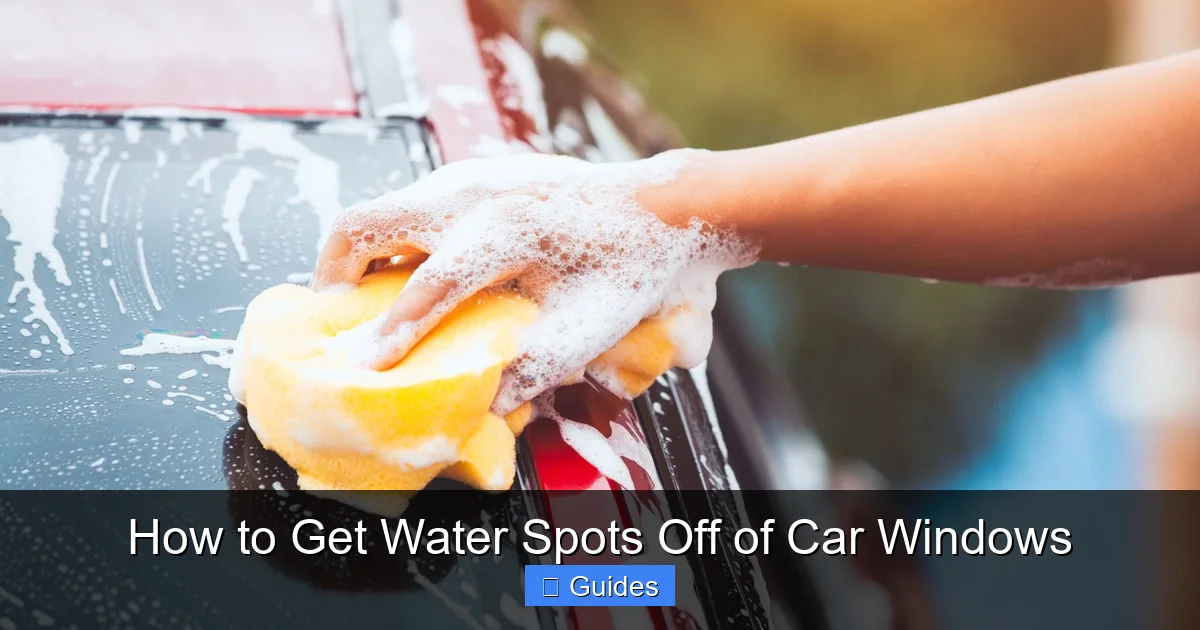
Water spots on car windows are more than just an eyesore—they can reduce visibility and damage glass over time. This guide walks you through easy, effective methods to remove stubborn mineral deposits using household items or professional products, so you can restore clarity and protect your vehicle’s glass.
In This Article
- 1 Key Takeaways
- 2 📑 Table of Contents
- 3 Why Water Spots Are More Than Just a Nuisance
- 4 Understanding the Science Behind Water Spots
- 5 DIY Methods to Remove Water Spots
- 6 Professional Techniques and Tools
- 7 Preventing Water Spots from Returning
- 8 Common Mistakes to Avoid
- 9 Conclusion
- 10 Frequently Asked Questions
- 10.1 Can water spots permanently damage car windows?
- 10.2 Is vinegar safe to use on car windows?
- 10.3 How often should I clean my car windows to prevent water spots?
- 10.4 Can I use a pressure washer to remove water spots?
- 10.5 Do ceramic coatings really prevent water spots?
- 10.6 What’s the difference between water spots and hard water stains?
Key Takeaways
- Water spots form when mineral-rich water evaporates on glass: Hard water contains calcium, magnesium, and lime that leave behind white, cloudy residues.
- Act quickly to prevent permanent etching: The longer water spots sit, the harder they are to remove and the more likely they are to damage the glass surface.
- White vinegar is a powerful, affordable DIY solution: Its acidity breaks down mineral deposits without scratching the glass.
- Use soft, lint-free cloths and non-abrasive tools: Avoid paper towels or rough sponges that can leave scratches or swirl marks.
- Prevention is easier than removal: Dry windows immediately after washing and use a water softener or deionized water for rinsing.
- Professional ceramic coatings offer long-term protection: They repel water and reduce future spotting while enhancing shine.
- Know when to seek professional help: Deep etching or widespread damage may require glass restoration by a detailer.
📑 Table of Contents
Why Water Spots Are More Than Just a Nuisance
Have you ever pulled up to a stoplight and noticed those annoying white, chalky marks on your car windows? They seem harmless at first—just a little haze that might clear up after the next rain. But here’s the truth: water spots on car windows are more than just a cosmetic issue. They can actually compromise your safety, reduce visibility, and, over time, permanently damage the glass.
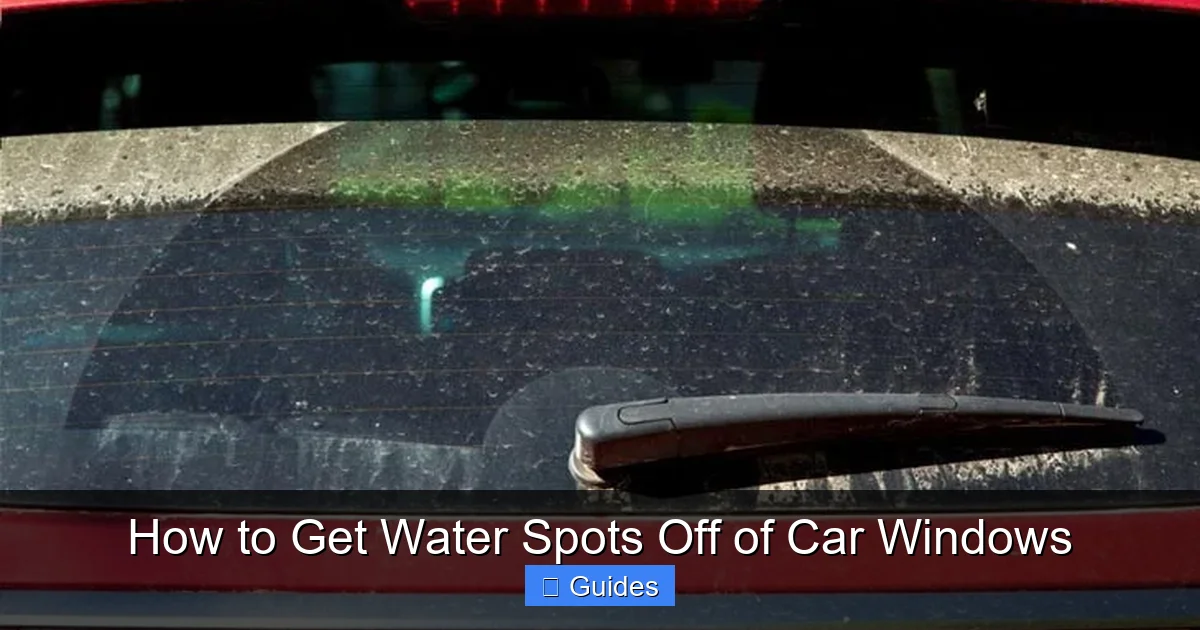
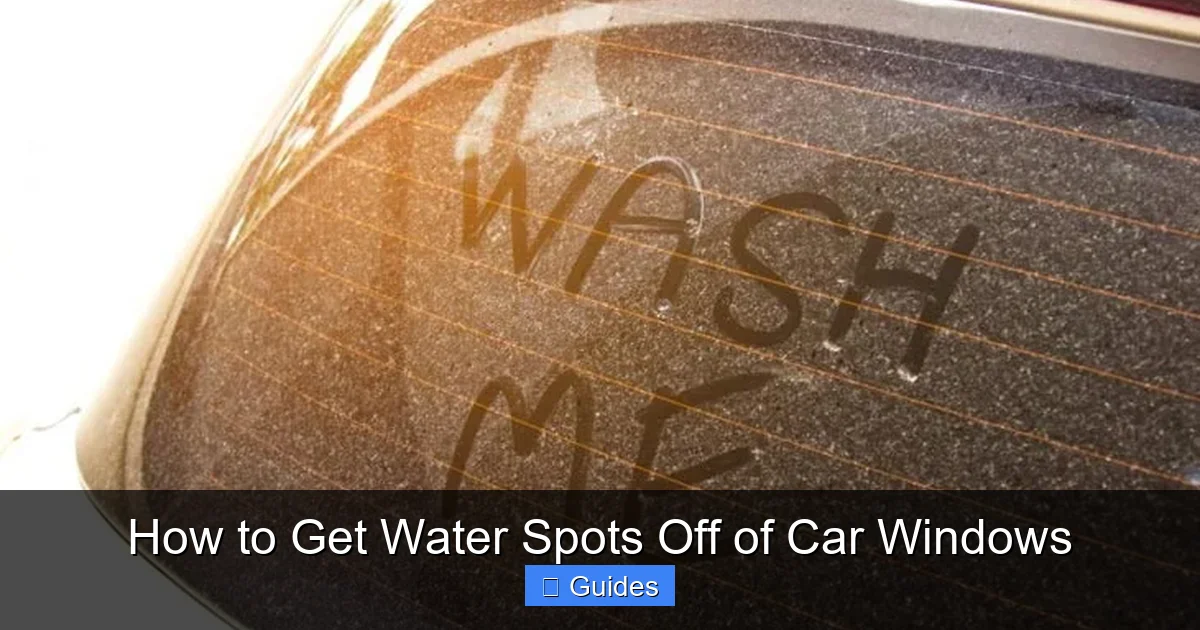
Water spots form when water—especially hard water—evaporates from the surface of your car windows. As the water dries, it leaves behind dissolved minerals like calcium, magnesium, and lime. These minerals cling to the glass, creating a dull, cloudy film that’s tough to ignore. If you live in an area with hard water or frequently wash your car with untreated tap water, you’re especially prone to this problem.
But why should you care beyond aesthetics? For starters, water spots scatter light, making it harder to see clearly through your windshield, side windows, and rear glass—especially at night or in bright sunlight. That’s not just annoying; it’s a safety hazard. Over time, these mineral deposits can etch into the glass, creating microscopic scratches that weaken the surface and may require costly repairs or even full glass replacement.
The good news? You don’t need to live with cloudy windows. With the right tools and techniques, you can remove water spots effectively—and even prevent them from coming back. Whether you’re dealing with light surface residue or years of buildup, this guide will walk you through everything you need to know to get your car windows sparkling clean.
Understanding the Science Behind Water Spots
Visual guide about How to Get Water Spots Off of Car Windows
Image source: bryansgarage.com
Before diving into removal methods, it helps to understand exactly what water spots are and how they form. This knowledge will help you choose the best approach and avoid common mistakes.
What Causes Water Spots?
Water spots are the result of mineral deposits left behind when water evaporates. When you wash your car or it rains, water sits on the glass. As it dries—especially in direct sunlight or warm weather—the water molecules disappear, but the minerals don’t. Instead, they remain on the surface, forming a thin, crusty layer.
Hard water is the main culprit. It contains high levels of dissolved minerals, particularly calcium and magnesium. These minerals are harmless in your drinking water, but they’re a nightmare for your car’s exterior. When hard water dries on glass, it leaves behind a white, filmy residue that’s difficult to remove with regular washing.
Even if you use a hose or pressure washer, if the water isn’t soft or filtered, you’re likely contributing to the problem. That’s why many car enthusiasts and professional detailers recommend using deionized or reverse osmosis water for the final rinse.
Types of Water Spots: Surface vs. Etched
Not all water spots are created equal. Understanding the difference between surface spots and etched spots is crucial for effective removal.
Surface water spots are the most common. They sit on top of the glass and haven’t yet bonded deeply with the surface. These are usually easy to remove with household cleaners or mild abrasives. You’ll notice them as a light haze or cloudy film that appears after washing or rain.
Etched water spots, on the other hand, have penetrated the glass. Over time, the minerals in hard water can react with the silica in glass, creating microscopic pits or scratches. These spots feel rough to the touch and may appear as faint lines or swirls. Once etching occurs, it’s much harder to fix—and in severe cases, may require professional glass polishing or replacement.
The key takeaway? The sooner you address water spots, the better. Surface spots are manageable with DIY methods, but etched spots often require professional intervention.
How Environmental Factors Play a Role
Your local environment can significantly impact how quickly water spots form and how severe they become. For example:
– Hard water areas: Regions with high mineral content in tap water (like the Midwest or Southwest in the U.S.) see faster spot formation.
– High humidity: Slow drying in humid climates gives minerals more time to settle and bond with glass.
– Sun exposure: Direct sunlight speeds up evaporation, increasing the concentration of minerals left behind.
– Frequent rain: While rainwater is naturally soft, it can pick up pollutants and minerals from the air, especially in urban areas.
Even if you don’t live in a hard water zone, factors like bird droppings, tree sap, or road salt can mix with water and accelerate spotting. That’s why regular maintenance and prompt drying are essential.
DIY Methods to Remove Water Spots
Visual guide about How to Get Water Spots Off of Car Windows
Image source: bryansgarage.com
The best part about removing water spots? You don’t need expensive equipment or professional tools. Many effective solutions use items you already have at home. Here are some of the most reliable DIY methods.
Vinegar and Water Solution: The Classic Fix
White vinegar is one of the most popular and effective household remedies for water spots. Its acetic acid content naturally dissolves mineral deposits without damaging glass.
To use this method:
1. Mix equal parts white vinegar and distilled water in a spray bottle. (Distilled water prevents new spots from forming during the process.)
2. Spray the solution generously onto the affected windows.
3. Let it sit for 2–5 minutes—don’t let it dry completely.
4. Scrub gently with a soft microfiber cloth or a non-abrasive sponge.
5. Rinse thoroughly with clean water and dry with a second microfiber cloth.
For tougher spots, you can increase the vinegar concentration to a 2:1 ratio (two parts vinegar to one part water). Avoid using vinegar on tinted windows or rubber seals, as it can degrade adhesives over time.
Pro tip: Add a few drops of dish soap to the mix to help the solution cling to vertical surfaces and improve cleaning power.
Baking Soda Paste for Stubborn Buildup
When vinegar alone isn’t enough, baking soda can provide the gentle abrasion needed to lift embedded minerals.
Make a paste by mixing 3 parts baking soda with 1 part water. Apply it to the glass using a soft cloth or sponge, working in small circular motions. Focus on heavily spotted areas, but avoid pressing too hard—glass can scratch.
After scrubbing, rinse thoroughly and dry. This method works best on surface-level spots and is safe for most automotive glass.
Lemon Juice: A Natural Alternative
Like vinegar, lemon juice is acidic and effective at breaking down mineral deposits. It also leaves a fresh scent—perfect if you’re sensitive to vinegar’s smell.
Cut a lemon in half and rub it directly onto the water spots. Let it sit for a few minutes, then wipe with a damp cloth. For larger areas, mix lemon juice with water (1:1 ratio) and spray it on.
Lemon juice is especially useful for spot treatment on side or rear windows. Just be cautious around paint or trim, as citric acid can dull finishes over time.
Commercial Water Spot Removers: When DIY Isn’t Enough
If household remedies don’t do the trick, it’s time to try a dedicated water spot remover. These products are formulated specifically for automotive glass and often contain mild acids or chelating agents that target mineral deposits.
Popular brands include:
– Chemical Guys Water Spot Remover: A gel-based formula that clings to vertical surfaces and dissolves tough spots.
– Meguiar’s Water Spot Remover: A spray-and-wipe solution that’s safe for all glass types.
– Rain-X Water Spot Remover: Designed to restore clarity and improve water beading.
Always follow the manufacturer’s instructions and test on a small area first. Most removers require rinsing and drying after application.
Professional Techniques and Tools

Visual guide about How to Get Water Spots Off of Car Windows
Image source: bryansgarage.com
For severe or widespread water spots, especially those that have etched into the glass, DIY methods may not be enough. That’s when professional techniques come into play.
Glass Polishing with a Dual-Action Polisher
Professional detailers often use a dual-action (DA) polisher with specialized glass polishing pads and compounds. This method removes a microscopic layer of glass to eliminate etching and restore clarity.
The process involves:
1. Cleaning the glass thoroughly.
2. Applying a glass polishing compound (like Cerium Oxide or a commercial glass polish).
3. Using a foam or microfiber pad on the polisher at low speed.
4. Working in small sections with overlapping passes.
5. Wiping away residue and inspecting for improvement.
This method requires practice and the right tools, so it’s best left to experienced detailers unless you’re comfortable with power tools.
Cerium Oxide: The Gold Standard for Glass Restoration
Cerium oxide is a rare earth compound widely regarded as the most effective material for polishing glass. It’s used in professional glass restoration to remove deep etching, scratches, and stubborn water spots.
It works by gently abrading the surface of the glass, leveling out imperfections. Because it’s so fine, it doesn’t leave swirl marks when used correctly.
To use cerium oxide:
– Mix it with water to form a paste.
– Apply with a polishing pad or rotary buffer.
– Work in small, controlled motions.
– Rinse and inspect frequently.
This method is time-consuming and requires patience, but it can restore even heavily damaged glass to near-new condition.
When to Call a Professional
If your windows have deep etching, widespread cloudiness, or you’re unsure about using power tools, it’s wise to consult a professional detailer or glass specialist. They have the experience, equipment, and products to safely restore your glass without risking further damage.
Many mobile detailing services now offer water spot removal as part of their package, making it convenient and affordable.
Preventing Water Spots from Returning
Removing water spots is one thing—keeping them away is another. Prevention is always easier (and cheaper) than correction. Here’s how to stop water spots before they start.
Dry Your Windows Immediately After Washing
The simplest and most effective prevention method? Dry your car windows right after washing. Use a clean, soft microfiber towel to wipe away water before it has a chance to evaporate and leave minerals behind.
Pay special attention to the edges and corners where water tends to pool. A squeegee can also help, especially on windshields.
Use Deionized or Reverse Osmosis Water for Rinsing
If you have the means, consider investing in a deionized (DI) water system or a reverse osmosis (RO) filter for your wash setup. These systems remove nearly all minerals from water, ensuring a spot-free rinse.
Many car washes and detail shops use DI water for this reason. You can purchase portable DI units or attach an RO filter to your garden hose.
Apply a Glass Sealant or Ceramic Coating
Glass sealants and ceramic coatings create a hydrophobic (water-repelling) barrier that prevents water from sticking to the surface. This not only reduces spotting but also makes cleaning easier.
Popular options include:
– Rain-X Anti-Fog and Water Repellent: Easy to apply and lasts several weeks.
– Gtechniq G4 Pure Glass: A professional-grade coating that bonds with glass for long-lasting protection.
– CarPro Hydro2 Touch: A spray-on sealant that enhances clarity and repels water.
These products are applied after cleaning and cured with a microfiber cloth. Most last 3–6 months, depending on weather and washing frequency.
Wash Your Car in the Shade
Washing in direct sunlight causes water to evaporate quickly, increasing the chance of spotting. Whenever possible, wash your car in the shade or during cooler parts of the day.
This gives you more time to rinse and dry thoroughly before water dries on its own.
Regular Maintenance and Inspection
Make it a habit to inspect your windows weekly for early signs of water spots. The sooner you catch them, the easier they are to remove.
Incorporate glass cleaning into your regular car care routine—just like waxing or tire cleaning. A quick wipe-down with a vinegar solution once a month can prevent buildup.
Common Mistakes to Avoid
Even with the best intentions, it’s easy to make mistakes that can worsen water spots or damage your glass. Here are some common pitfalls to watch out for.
Using Abrasive Materials
Avoid steel wool, scouring pads, or rough sponges. These can scratch glass and create permanent swirl marks. Stick to soft microfiber cloths, foam applicators, or non-abrasive sponges.
Letting Cleaners Dry on the Glass
Whether it’s vinegar, lemon juice, or a commercial cleaner, never let it dry on the surface. Always rinse and wipe it off promptly to prevent residue or new spotting.
Skipping the Rinse Step
After applying any cleaning solution, rinsing is essential. Residual cleaner can attract dirt or leave streaks, especially in sunlight.
Using Tap Water for Final Rinsing
Even if you use a spot remover, rinsing with hard tap water can reintroduce minerals. Always use distilled, deionized, or filtered water for the final rinse.
Ignoring Safety Precautions
When working with acids like vinegar or lemon juice, wear gloves and avoid contact with eyes. Work in a well-ventilated area, especially when using commercial chemicals.
Conclusion
Water spots on car windows might seem like a minor annoyance, but they’re a sign of a bigger issue—mineral buildup that can compromise visibility and damage glass over time. The good news is that with the right knowledge and tools, you can remove them effectively and prevent them from returning.
From simple vinegar solutions to professional polishing techniques, there’s a method for every level of severity. The key is to act quickly, use the right products, and adopt preventive habits like drying windows immediately and using soft water for rinsing.
By taking care of your car’s glass, you’re not just improving its appearance—you’re enhancing safety, longevity, and driving enjoyment. So the next time you spot those cloudy marks, don’t ignore them. Grab a microfiber cloth, mix up a vinegar solution, and give your windows the clarity they deserve.
Your car—and your eyes—will thank you.
Frequently Asked Questions
Can water spots permanently damage car windows?
Yes, if left untreated, water spots can etch into the glass, creating permanent scratches or cloudiness. The minerals in hard water react with the glass surface over time, leading to irreversible damage that may require professional restoration.
Is vinegar safe to use on car windows?
Yes, white vinegar is safe for most automotive glass and effectively dissolves mineral deposits. However, avoid using it on tinted windows or rubber seals, as the acidity can degrade adhesives and cause discoloration over time.
How often should I clean my car windows to prevent water spots?
Ideally, clean your windows every time you wash your car—about once a week. For added protection, do a quick wipe-down with a vinegar solution once a month to prevent buildup.
Can I use a pressure washer to remove water spots?
A pressure washer can help rinse away loose debris, but it won’t remove mineral deposits. You’ll still need a cleaning solution like vinegar or a dedicated water spot remover to dissolve the spots.
Do ceramic coatings really prevent water spots?
Yes, ceramic coatings create a hydrophobic layer that repels water and reduces mineral adhesion. This makes it much harder for water spots to form and easier to clean your windows in the future.
What’s the difference between water spots and hard water stains?
They’re essentially the same thing. “Water spots” and “hard water stains” both refer to mineral deposits left behind when hard water evaporates. The terms are often used interchangeably in car care.

At CarLegit, we believe information should be clear, factual, and genuinely helpful. That’s why every guide, review, and update on our website is created with care, research, and a strong focus on user experience.