
Installing a cargo net in your 2023 Toyota RAV4 is simple, quick, and essential for keeping your belongings secure. This guide walks you through every step—from choosing the right net to final installation—so you can drive with confidence.
If you’ve ever driven with groceries, gym bags, or luggage rolling around in the back of your Toyota RAV4, you know how frustrating—and potentially dangerous—it can be. Loose items can shift during turns, block your view, or even become hazardous in sudden stops. That’s where a cargo net comes in. It’s a simple, affordable solution that keeps your belongings secure, organized, and out of the way.
The 2023 Toyota RAV4 is a popular compact SUV known for its reliability, spacious interior, and practical design. But even with its generous cargo space, it doesn’t come with a built-in cargo net in most trim levels. That means it’s up to you to add this essential accessory. The good news? Installing a cargo net in your 2023 RAV4 is easier than you might think. Whether you’re hauling sports gear, road trip supplies, or everyday essentials, a properly installed cargo net gives you peace of mind and a cleaner, safer cabin.
In this guide, we’ll walk you through everything you need to know—from choosing the right net to installing it step by step. We’ll also share tips for maintaining it and making the most of your RAV4’s cargo area. By the end, you’ll be ready to install your cargo net like a pro and enjoy a more organized, secure ride.
In This Article
- 1 Key Takeaways
- 2 📑 Table of Contents
- 3 Why You Need a Cargo Net in Your 2023 Toyota RAV4
- 4 Types of Cargo Nets for the 2023 Toyota RAV4
- 5 Tools and Materials You’ll Need
- 6 Step-by-Step Installation Guide
- 7 Tips for Maintaining Your Cargo Net
- 8 Common Mistakes to Avoid
- 9 Conclusion
- 10 Frequently Asked Questions
- 10.1 Can I install a cargo net in a 2023 Toyota RAV4 without drilling holes?
- 10.2 Will a cargo net fit in all 2023 RAV4 trim levels?
- 10.3 Can I use a cargo net with the rear seats folded down?
- 10.4 How much weight can a cargo net hold?
- 10.5 Can I wash my cargo net in a washing machine?
- 10.6 Do I need a cargo net if I have a cargo tray?
Key Takeaways
- Choose the right cargo net: Opt for OEM or compatible aftermarket nets designed specifically for the 2023 RAV4 to ensure a perfect fit and secure attachment.
- Locate anchor points: The 2023 RAV4 has built-in D-rings and hooks in the cargo area—knowing where they are is key to proper installation.
- Use proper tension: A well-tensioned net prevents sagging and keeps items from shifting, especially during sudden stops or turns.
- Install in under 10 minutes: With the right tools and steps, most users can install the net quickly without professional help.
- Maintain regularly: Check hooks, straps, and mesh for wear and tear every few months to ensure long-term safety and performance.
- Enhance safety and organization: A cargo net reduces clutter, protects passengers, and keeps loose items from becoming projectiles in an accident.
- Compatible with other accessories: The net works seamlessly with cargo trays, dividers, and roof racks for a fully organized cargo space.
📑 Table of Contents
Why You Need a Cargo Net in Your 2023 Toyota RAV4
Let’s start with the basics: why should you even bother with a cargo net? After all, your RAV4 has plenty of space, and you can just pile things in the back, right? Not so fast. While the 2023 RAV4 offers up to 37.5 cubic feet of cargo space behind the rear seats (and 69.8 cubic feet with the seats folded), that space is only useful if your items stay put.
Without a cargo net, loose items can slide around, especially during sharp turns or sudden braking. Imagine driving down the highway when a water bottle suddenly rolls into the footwell, or a backpack shifts and blocks your rearview mirror. Not only is this annoying, but it can also be dangerous. In the event of a collision, unsecured items can become projectiles, increasing the risk of injury to passengers.
A cargo net solves these problems by creating a flexible barrier that holds items in place. It’s lightweight, easy to install, and doesn’t take up much space when not in use. Plus, it helps you stay organized. Instead of digging through a jumble of bags and boxes, you can see what you have and access it quickly.
Another benefit? Protection for your cargo area. The 2023 RAV4’s interior is stylish and durable, but it’s not immune to scratches, spills, or wear from heavy or sharp objects. A cargo net helps cushion and contain items, reducing the risk of damage to your upholstery or carpet.
And let’s not forget about pets. If you travel with a dog or other small animal, a cargo net can help keep them safe and contained in the back. While it’s not a substitute for a proper pet barrier, it can prevent them from wandering into the passenger area.
In short, a cargo net is a small investment that pays big dividends in safety, organization, and peace of mind. Whether you’re a daily commuter, weekend adventurer, or family driver, it’s a must-have accessory for your 2023 RAV4.
Types of Cargo Nets for the 2023 Toyota RAV4

Visual guide about How to Install Cargo Net in Toyota Rav4 2023
Image source: paultan.org
Not all cargo nets are created equal. When shopping for a cargo net for your 2023 RAV4, you’ll come across several types, each with its own pros and cons. Choosing the right one depends on your needs, budget, and how you use your vehicle.
The first option is an OEM (Original Equipment Manufacturer) cargo net. Toyota offers a genuine cargo net designed specifically for the 2023 RAV4. This net is made to fit perfectly, with hooks and straps that align with the vehicle’s built-in anchor points. It’s typically made from durable nylon or polyester mesh and comes with a storage bag. The main advantage of an OEM net is reliability—it’s tested and approved by Toyota, so you know it will work seamlessly with your vehicle.
However, OEM parts can be pricey. If you’re looking for a more budget-friendly option, consider an aftermarket cargo net. Many third-party brands make high-quality nets that are compatible with the 2023 RAV4. Look for nets that mention “RAV4 2023” in the product description and have positive customer reviews. These nets often come with extra features like adjustable straps, reinforced hooks, or expandable mesh.
Another type is the elastic cargo net. These nets are made from stretchy material that conforms to the shape of your cargo. They’re great for irregularly shaped items or when you need a snug fit. Elastic nets are usually easier to install and remove, but they may not be as durable as woven mesh nets over time.
You’ll also find cargo nets with bungee cords or drawstrings. These are typically less secure than hook-and-loop or strap-based systems, so they’re better suited for light loads. For heavier items or frequent use, a sturdier net with metal hooks and reinforced straps is a better choice.
When comparing options, pay attention to the material. Nylon and polyester are common because they’re strong, lightweight, and resistant to mildew and UV damage. Avoid cheap plastic nets—they can tear easily and may not hold up in extreme temperatures.
Finally, consider the size. The 2023 RAV4’s cargo area is about 40 inches wide and 30 inches deep. Most standard cargo nets are designed to fit this space, but double-check the dimensions before buying. Some nets are adjustable, allowing you to customize the fit based on how much space you’re using.
Tools and Materials You’ll Need
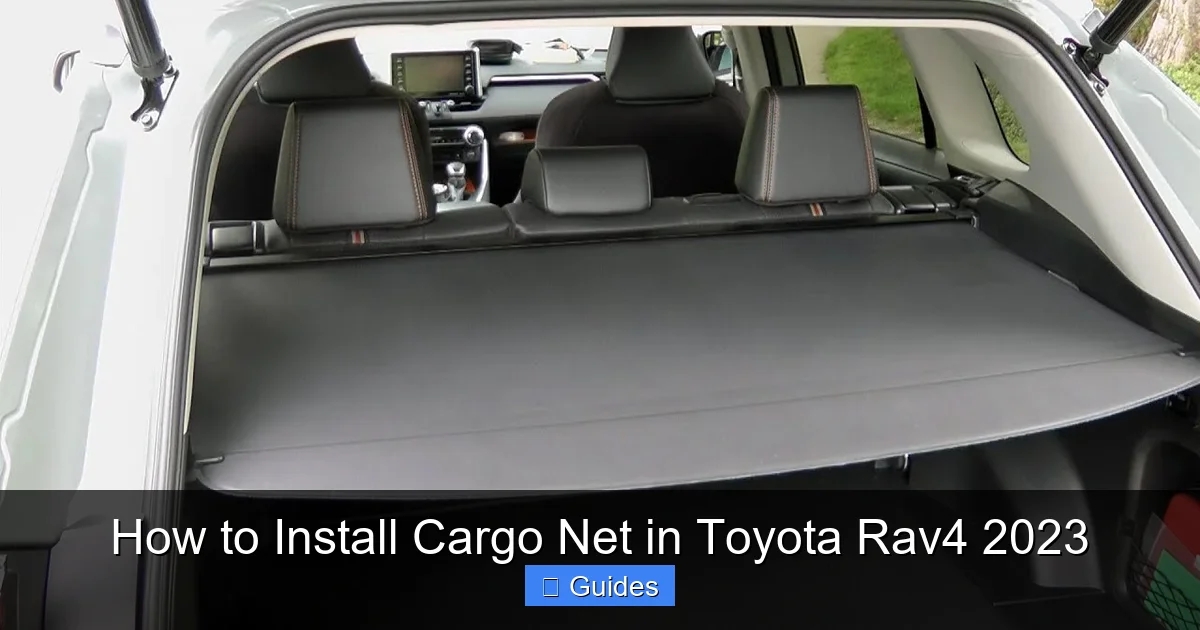
Visual guide about How to Install Cargo Net in Toyota Rav4 2023
Image source: i.ytimg.com
One of the best things about installing a cargo net in your 2023 RAV4 is that you don’t need a lot of tools. In fact, most installations can be done with just your hands—no wrench or screwdriver required. But having the right materials on hand will make the process smoother and ensure a secure fit.
First, you’ll need the cargo net itself. As discussed earlier, choose one that’s compatible with the 2023 RAV4. Whether it’s OEM or aftermarket, make sure it includes all necessary hooks, straps, and attachment points.
Next, familiarize yourself with your RAV4’s cargo area. The 2023 model has several built-in anchor points designed for securing cargo. These include:
– **D-rings on the floor:** Located near the rear seats, these metal loops are used to secure heavy items with straps.
– **Hooks on the sides:** Found on the sidewalls of the cargo area, these are perfect for attaching cargo nets.
– **Latch points near the tailgate:** These are often used for cargo dividers or nets that stretch across the opening.
You don’t need any special tools to access these points—they’re designed for easy use. However, it’s a good idea to have a clean cloth or towel on hand to wipe down the hooks and D-rings if they’re dusty or dirty. This ensures a secure grip and prevents slippage.
If your cargo net comes with a storage bag, keep it nearby. After installation, you can store the bag in the glove compartment or under a seat for future use.
For added convenience, consider using a cargo tray or mat underneath the net. This protects your carpet from spills and makes cleanup easier. It also provides a flat, stable surface for your items.
Finally, if you’re installing the net for the first time, it helps to have a second person. One person can hold the net in place while the other attaches the hooks. This is especially helpful if the net is large or if you’re working in a tight space.
Step-by-Step Installation Guide
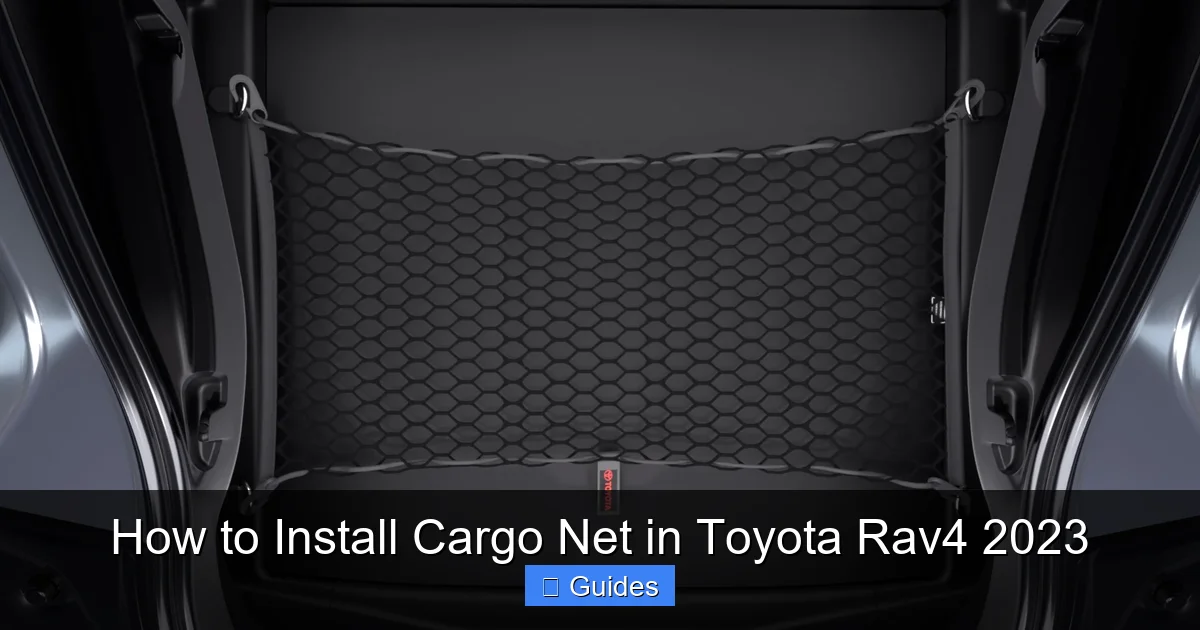
Visual guide about How to Install Cargo Net in Toyota Rav4 2023
Image source: shop.pattersoncheneytoyota.com.au
Now that you’ve chosen the right cargo net and gathered your materials, it’s time to install it. The process is straightforward and should take less than 10 minutes. Follow these steps to ensure a secure, professional-looking installation.
Step 1: Prepare the Cargo Area
Start by clearing out the cargo area. Remove any bags, boxes, or other items so you have a clean, open space to work with. This makes it easier to access the anchor points and ensures the net lies flat.
Next, inspect the hooks and D-rings. Wipe them down with a cloth if needed. Make sure they’re not bent, rusted, or obstructed. If you notice any damage, contact a Toyota dealer for replacement parts.
Step 2: Unpack and Inspect the Cargo Net
Take the cargo net out of its packaging and lay it flat on the cargo floor. Check that all hooks, straps, and attachment points are present and undamaged. If anything is missing or broken, contact the manufacturer or retailer for a replacement.
Step 3: Position the Net
Decide where you want to install the net. Most people place it vertically, stretching from the floor to the top of the cargo area, just behind the rear seats. This creates a barrier that prevents items from sliding forward.
Alternatively, you can install it horizontally across the opening of the cargo area, near the tailgate. This is useful if you frequently load and unload items and want to keep them contained while the tailgate is open.
For this guide, we’ll focus on the vertical installation, which is the most common and effective setup.
Step 4: Attach the Top Hooks
Start at the top of the cargo area. Locate the hooks on the upper corners of the net. These should align with the latch points near the tailgate or the upper sidewalls.
Gently stretch the net upward and hook the top corners into place. Make sure the hooks are fully seated and secure. If the net feels loose, adjust the tension by pulling the straps or elastic bands.
Step 5: Secure the Bottom Hooks
Next, move to the bottom of the net. Attach the lower hooks to the D-rings on the cargo floor. These are usually located about 6–8 inches from the rear seats.
Pull the net taut as you attach the hooks. A tight net is less likely to sag or allow items to slip through. If your net has adjustable straps, tighten them until the mesh is firm but not overly stretched.
Step 6: Check Side Attachments
If your net has side hooks or straps, attach them to the sidewall hooks. This helps stabilize the net and prevents it from shifting side to side.
Make sure all hooks are secure and the net is evenly tensioned. Step back and look at the installation from different angles to ensure it’s straight and properly aligned.
Step 7: Test the Installation
Once the net is installed, give it a gentle tug to test its stability. It should feel firm and not wobble or come loose.
Load a few items into the cargo area—like a backpack, grocery bag, or small box—and see how they behave. Do they stay in place? Does the net hold them securely? If everything looks good, you’re all set.
If the net sags or items slip through, adjust the tension or reposition the hooks. Sometimes a small tweak makes a big difference.
Tips for Maintaining Your Cargo Net
Installing your cargo net is just the first step. To keep it in top condition and ensure long-term performance, regular maintenance is key. Here are some tips to help you get the most out of your net.
First, inspect the net every few months. Look for signs of wear, such as frayed edges, loose threads, or stretched elastic. If you notice any damage, replace the net or repair it if possible. A damaged net won’t provide the same level of protection.
Clean the net as needed. Over time, dirt, dust, and spills can build up on the mesh. Most cargo nets can be hand-washed with mild soap and water. Rinse thoroughly and let it air dry completely before reinstalling. Avoid using harsh chemicals or bleach, as they can weaken the fibers.
Store the net properly when not in use. If you remove it frequently, keep it in its original storage bag or a breathable cloth bag. Avoid folding it tightly or leaving it in direct sunlight for long periods, as this can cause fading or brittleness.
If you live in a cold climate, be aware that extreme cold can make elastic materials stiff and less effective. In winter, check the net’s flexibility and replace it if it becomes brittle.
Finally, don’t overload the net. While cargo nets are strong, they’re not designed to hold extremely heavy items. Follow the manufacturer’s weight recommendations to avoid tearing or breaking.
Common Mistakes to Avoid
Even with a simple installation, it’s easy to make mistakes that can reduce the effectiveness of your cargo net. Here are some common pitfalls and how to avoid them.
One mistake is choosing the wrong size net. A net that’s too small won’t cover the entire cargo area, while one that’s too large may sag or bunch up. Always measure your cargo space and check the net’s dimensions before buying.
Another error is installing the net too loosely. A slack net won’t hold items securely and may allow them to shift or fall through. Always pull the net taut when attaching the hooks.
Avoid using the net for items that are too heavy or sharp. Heavy objects can strain the hooks and straps, while sharp edges can tear the mesh. Use a cargo barrier or box for such items instead.
Don’t ignore the anchor points. Make sure the hooks are fully seated in the D-rings and sidewall hooks. A partially attached hook can come loose while driving.
Finally, don’t forget to remove the net when transporting large or bulky items. Trying to force items through a tight net can damage both the net and your belongings.
Conclusion
Installing a cargo net in your 2023 Toyota RAV4 is a smart, simple upgrade that enhances safety, organization, and convenience. With the right net and a few minutes of your time, you can keep your belongings secure and your cargo area tidy.
Whether you choose an OEM net for perfect compatibility or a high-quality aftermarket option for better value, the installation process is quick and easy. Just follow the steps outlined in this guide, and you’ll be ready to hit the road with confidence.
Remember to maintain your net regularly, avoid common mistakes, and use it appropriately for the best results. A well-installed cargo net not only protects your items but also contributes to a safer, more enjoyable driving experience.
So don’t wait—get your cargo net today and make the most of your 2023 RAV4’s versatile cargo space. Your future self (and your passengers) will thank you.
Frequently Asked Questions
Can I install a cargo net in a 2023 Toyota RAV4 without drilling holes?
Yes, absolutely. The 2023 RAV4 comes with built-in anchor points—D-rings on the floor and hooks on the sidewalls—so no drilling or modification is needed. Simply attach the net’s hooks to these points.
Will a cargo net fit in all 2023 RAV4 trim levels?
Yes, the cargo area dimensions are consistent across all 2023 RAV4 trims, so a standard cargo net will fit whether you have the LE, XLE, Limited, or TRD Off-Road model.
Can I use a cargo net with the rear seats folded down?
It depends on the net design. Most vertical cargo nets are meant to be used with the seats up. If you fold the seats down, you may need a longer or adjustable net, or consider a horizontal installation near the tailgate.
How much weight can a cargo net hold?
Most cargo nets are rated for 50–100 pounds, but check the manufacturer’s specifications. Avoid overloading the net, as this can cause it to tear or the hooks to fail.
Can I wash my cargo net in a washing machine?
It’s not recommended. Hand-washing with mild soap and water is safer and helps preserve the net’s elasticity and strength. Always air dry completely.
Do I need a cargo net if I have a cargo tray?
Yes, a cargo tray protects the floor, but a net secures items from shifting. Using both together provides the best protection and organization for your cargo area.

At CarLegit, we believe information should be clear, factual, and genuinely helpful. That’s why every guide, review, and update on our website is created with care, research, and a strong focus on user experience.