
Camper rocking can ruin your camping experience, but it’s completely avoidable with the right techniques and tools. From using stabilizer jacks and wheel chocks to proper leveling and weight distribution, this guide covers everything you need to keep your camper steady and comfortable.
In This Article
- 1 Key Takeaways
- 2 📑 Table of Contents
- 3 Why Camper Rocking Happens—And Why It Matters
- 4 Essential Tools to Stop Camper Rocking
- 5 Proper Setup: The Foundation of a Stable Camper
- 6 Weight Distribution and Interior Tips
- 7 Advanced Stabilization Upgrades
- 8 Common Mistakes to Avoid
- 9 Conclusion: Enjoy a Rock-Solid Camping Experience
- 10 Frequently Asked Questions
- 10.1 Do I really need stabilizer jacks if my camper feels stable?
- 10.2 Can I use bricks or cinder blocks instead of leveling blocks?
- 10.3 How often should I check my stabilizer jacks?
- 10.4 Will anti-sway bars eliminate all rocking?
- 10.5 Can I stabilize a camper on a slope?
- 10.6 Is it safe to sleep in a rocking camper?
Key Takeaways
- Use stabilizer jacks: These are essential for reducing side-to-side and front-to-back movement once your camper is parked.
- Install wheel chocks: Prevent rolling by securing your tires with high-quality chocks on both sides.
- Level your camper properly: An unlevel camper shifts weight unevenly, increasing rocking—use a level and adjust with ramps or blocks.
- Distribute weight evenly: Overloading one side or placing heavy items incorrectly can cause imbalance and sway.
- Upgrade to scissor jacks or hydraulic stabilizers: For heavy travel trailers or fifth wheels, stronger stabilization systems offer better support.
- Consider anti-sway bars: Especially useful for towable campers, these reduce movement while driving and when parked.
- Check ground conditions: Soft or uneven terrain increases rocking—always park on firm, level ground when possible.
📑 Table of Contents
Why Camper Rocking Happens—And Why It Matters
If you’ve ever been inside a camper when someone walks across the floor, you know how annoying—and sometimes alarming—the rocking can be. One step can send a wave of motion through the entire rig, making dishes rattle, coffee spill, and sleep nearly impossible. But it’s not just about comfort. Excessive rocking can also lead to structural stress over time, loosen connections, and even affect the performance of appliances like refrigerators that rely on level operation.
So why does this happen? At its core, camper rocking is caused by instability. Unlike a house built on a solid foundation, your camper sits on wheels and lightweight frames designed for mobility, not rigidity. When weight shifts—whether from people moving inside, wind outside, or an uneven surface—the entire unit can sway. The problem gets worse if the camper isn’t properly supported or leveled. Think of it like standing on a skateboard: even a small shift in balance sends you wobbling. The same principle applies to your camper.
The good news? You don’t have to live with constant motion. With the right setup and a few smart upgrades, you can dramatically reduce—or even eliminate—camper rocking. Whether you’re a weekend warrior or a full-time RVer, stability should be a top priority. Not only does it make life inside more pleasant, but it also protects your investment and extends the life of your camper’s components.
Essential Tools to Stop Camper Rocking
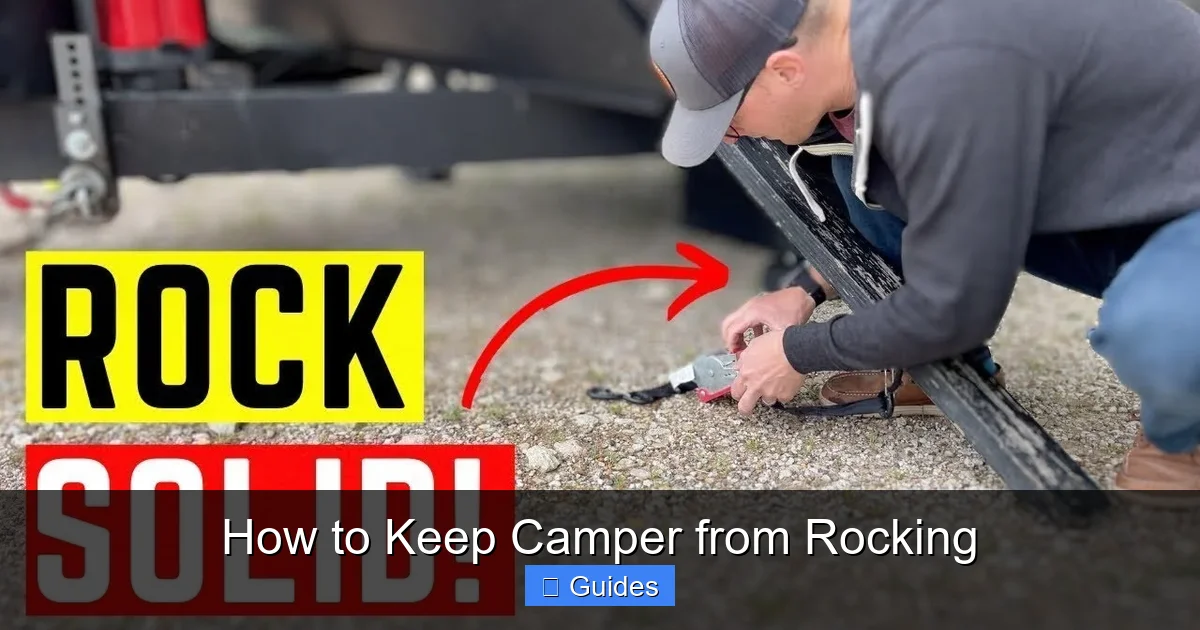
Visual guide about How to Keep Camper from Rocking
Image source: i.ytimg.com
Before diving into techniques, it’s important to know what tools are available to help you stabilize your camper. You don’t need to break the bank, but investing in a few key items can make a world of difference. Let’s look at the most effective and widely used stabilization tools.
Stabilizer Jacks
Most campers come equipped with built-in stabilizer jacks—usually located near the front and rear corners. These aren’t meant to support the full weight of the camper (that’s what the tires and suspension are for), but they do help reduce movement. When deployed, they press against the ground and create resistance against side-to-side and front-to-back rocking.
To use them effectively, lower each jack until it makes firm contact with the ground. You should feel slight resistance when turning the handle, but don’t over-tighten—this can damage the jack or lift the camper off its suspension, which defeats the purpose. Some RVers use rubber pads or plywood under the jacks to prevent sinking into soft ground.
If your camper didn’t come with stabilizer jacks, or if the ones you have feel flimsy, consider upgrading to heavy-duty scissor jacks or hydraulic stabilizers. These offer more lifting power and stability, especially for larger travel trailers and fifth wheels.
Wheel Chocks
Wheel chocks are simple but essential. These wedge-shaped blocks fit snugly against your tires to prevent rolling. Even when parked, campers can shift slightly due to wind, slope, or people moving inside. Chocks eliminate that micro-movement at the source.
Look for chocks made from durable rubber or heavy-duty plastic. Some popular brands include Camco, BAL, and Andersen. Avoid cheap foam chocks—they compress over time and lose effectiveness. For extra security, use chocks on both sides of the tire, especially if you’re on a slight incline.
Pro tip: If you’re parking on gravel or dirt, dig a small trench behind the tire and place the chock in it. This prevents the chock from sliding out under pressure.
Leveling Blocks and Ramps
An unlevel camper is a rocking camper. When one side is higher than the other, weight shifts unevenly, creating stress points and increasing movement. Leveling your camper not only reduces rocking but also ensures your fridge, stove, and plumbing work correctly.
Use a bubble level (placed on the floor or countertop) to check both side-to-side and front-to-back level. If you’re off, use leveling blocks or ramps under the low-side tires. Many RVers use stackable plastic leveling blocks like the Lynx Levelers, which can be adjusted in small increments.
For front-to-back leveling, you may need to adjust your hitch height or use a tongue jack. Some campers have automatic leveling systems, but if yours doesn’t, take your time to get it right—it makes a huge difference in comfort and stability.
Scissor Jacks and Hydraulic Stabilizers
For heavier campers, standard stabilizer jacks might not be enough. That’s where scissor jacks or hydraulic stabilizers come in. These systems provide more lifting power and better resistance to movement.
Scissor jacks are manually operated and typically installed at the four corners of the camper. They’re stronger than basic stabilizers and can handle more weight. Hydraulic stabilizers, on the other hand, use fluid pressure to extend and retract, offering smoother operation and greater precision. Some high-end models even come with remote controls.
While these upgrades cost more, they’re worth it if you frequently camp on uneven terrain or have a large fifth wheel. They significantly reduce rocking and give you peace of mind.
Proper Setup: The Foundation of a Stable Camper
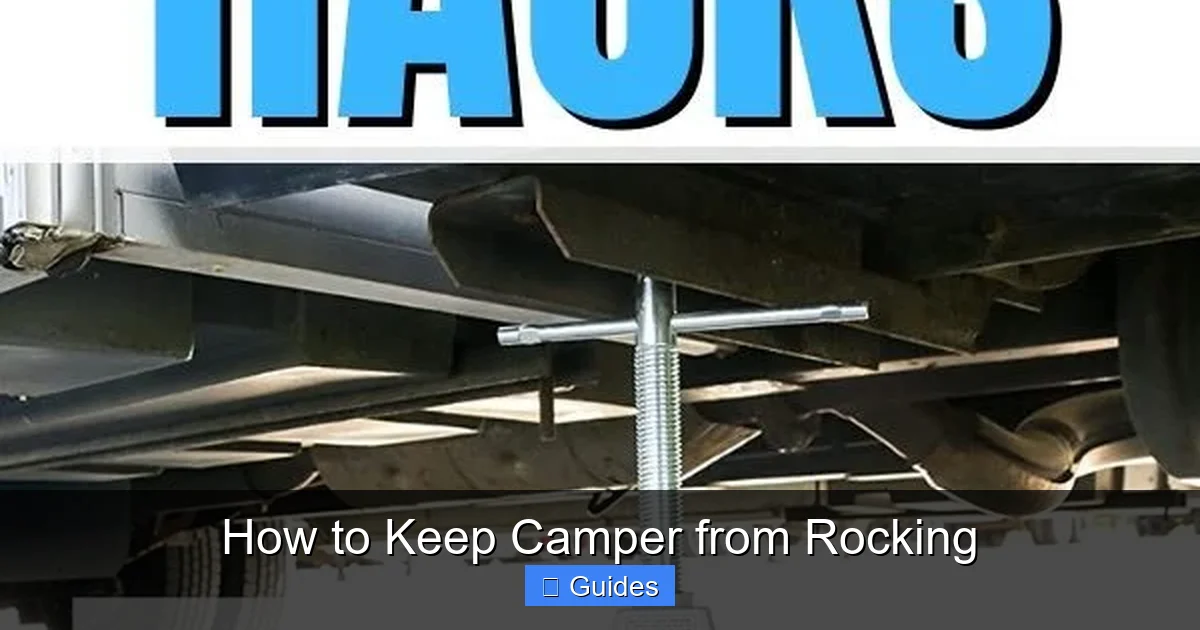
Visual guide about How to Keep Camper from Rocking
Image source: i.pinimg.com
Even the best tools won’t help if your camper isn’t set up correctly. Stability starts the moment you pull into your campsite. Follow these steps to ensure a solid, rock-free foundation.
Choose the Right Campsite
Not all campsites are created equal. Before you even unhitch, take a good look at the ground. Is it level? Is it firm? Avoid soft soil, sand, or muddy areas—these can cause your camper to sink or shift over time. Gravel or packed dirt is ideal.
If you’re boondocking or dry camping, you may not have the luxury of a perfectly level site. In that case, look for the flattest spot available and use your leveling tools to compensate. Even a small slope can cause rocking, so don’t skip this step.
Hitch and Unhitch Carefully
How you unhitch your camper can affect its stability. Always use wheel chocks before disconnecting from your tow vehicle. Once unhitched, lower the tongue jack slowly and evenly. If your camper starts to tilt or sway during this process, stop and reposition.
For fifth wheels, make sure the kingpin is fully seated in the hitch and the landing gear is extended properly. Rushing this step can lead to imbalance and increased rocking later.
Deploy Stabilizers in the Right Order
Once your camper is unhitched and level, it’s time to deploy the stabilizers. Start with the corner that feels least stable—usually the one opposite the door or where most movement occurs. Lower each jack until it touches the ground, then give it a few more turns to create firm contact.
Don’t crank them down too hard. Over-tightening can lift the camper off its suspension, creating a false sense of stability. You want the jacks to resist movement, not support the entire weight.
After all four jacks are down, walk around the camper and test for movement. If it still rocks, adjust the jacks slightly or add support under any weak spots.
Use Support Pads or Plywood
On soft ground, stabilizer jacks can sink, reducing their effectiveness. To prevent this, place support pads or pieces of plywood under each jack. These distribute the weight over a larger area, keeping the jacks from digging in.
You can buy specialized jack pads made from recycled plastic or composite materials, or simply use a scrap piece of ½-inch plywood. Just make sure it’s large enough—at least 12×12 inches—to provide adequate support.
Weight Distribution and Interior Tips
Visual guide about How to Keep Camper from Rocking
Image source: gocarlife.com
Stability isn’t just about what’s under your camper—it’s also about what’s inside. How you load and arrange your gear can have a big impact on how much your camper rocks.
Balance Your Load
An unevenly loaded camper is more prone to rocking. Heavy items like water tanks, generators, and furniture should be placed low and centered. Avoid stacking heavy gear on one side or in the back, as this can create a pendulum effect when people move around.
If you’re towing a travel trailer, make sure the tongue weight is within the recommended range—usually 10–15% of the total trailer weight. Too little tongue weight can cause sway; too much can overload your vehicle’s rear axle.
Use a bathroom scale to check individual weights if needed. Many RVers keep a log of where items are stored to maintain balance trip after trip.
Secure Loose Items
Loose gear inside the camper can shift during travel or when someone walks by, adding to the rocking motion. Use bungee cords, non-slip mats, or storage bins with lids to keep everything in place.
Pay special attention to the kitchen and bathroom. Cabinets should have latches, and appliances like microwaves and coffee makers should be secured when not in use. Even small movements can amplify over time.
Minimize Movement Inside
Sometimes, the simplest solution is to change your behavior. Walking softly, avoiding sudden movements, and using handrails can reduce the amount of motion transferred to the camper’s frame.
If you have kids or pets, teach them to move carefully inside. Consider using area rugs with non-slip backing to dampen footstep vibrations.
For overnight stays, try to minimize activity during quiet hours. The less movement, the less rocking.
Advanced Stabilization Upgrades
If you’ve tried the basics and still experience rocking, it might be time to consider advanced stabilization systems. These aren’t necessary for every camper, but they can make a dramatic difference for full-timers or those with larger rigs.
Anti-Sway Bars
Anti-sway bars are typically used while towing to reduce trailer sway, but some models can also help when parked. They work by connecting the trailer frame to the tow vehicle or ground, limiting side-to-side movement.
While not a replacement for stabilizer jacks, anti-sway bars add an extra layer of stability, especially in windy conditions. Look for models that can be engaged when parked, or consider a dual-purpose system.
Automatic Leveling Systems
High-end campers often come with automatic leveling systems that use hydraulic or electric legs to level and stabilize the unit with the push of a button. These systems are incredibly convenient and highly effective at eliminating rocking.
If your camper doesn’t have one, aftermarket kits are available for many models. They’re a significant investment—often costing $2,000 or more—but for full-time RVers or those who frequently camp on uneven terrain, they’re worth considering.
Frame Stiffening Modifications
In extreme cases, the camper’s frame itself may be too flexible. Some owners reinforce the frame with steel braces or cross-members to reduce flex. This is a more advanced modification and should only be done by a professional or experienced DIYer.
Another option is to install a rigid underbelly cover or skid plates, which can add rigidity and protect against road debris.
Common Mistakes to Avoid
Even with the best tools and techniques, it’s easy to make mistakes that undermine your efforts. Here are some common pitfalls to watch out for.
Over-Tightening Stabilizer Jacks
As mentioned earlier, cranking stabilizer jacks too tight can lift the camper off its suspension, creating a false sense of stability. The suspension is designed to absorb shocks and movement—bypassing it can actually increase rocking.
Only tighten the jacks until they make firm contact. You should still be able to see a slight flex in the camper’s frame when someone walks inside.
Ignoring Tire Pressure
Underinflated tires can cause your camper to sit unevenly and increase movement. Always check tire pressure before and during your trip. Use a quality tire pressure gauge and follow the manufacturer’s recommendations.
Using the Wrong Chocks
Foam or lightweight plastic chocks may seem convenient, but they compress and degrade over time. Invest in durable rubber or composite chocks that won’t fail under pressure.
Skipping Regular Maintenance
Stabilizer jacks, leveling systems, and suspension components need regular inspection. Check for rust, loose bolts, and worn parts. A broken jack or worn-out shock absorber can compromise your entire setup.
Conclusion: Enjoy a Rock-Solid Camping Experience
Camper rocking doesn’t have to be a fact of life. With the right tools, proper setup, and a few smart habits, you can enjoy a stable, comfortable, and peaceful camping experience. Start with the basics—stabilizer jacks, wheel chocks, and leveling—and build from there based on your needs and camper size.
Remember, stability isn’t just about comfort. It’s about safety, longevity, and getting the most out of your adventures. Whether you’re parked in a national park or your own backyard, a steady camper makes all the difference.
So the next time you pull into a campsite, take the extra few minutes to set up properly. Your back, your nerves, and your coffee cup will thank you.
Frequently Asked Questions
Do I really need stabilizer jacks if my camper feels stable?
Yes, even if your camper feels stable, stabilizer jacks help reduce subtle movement that can grow over time. They’re especially important for comfort and protecting your camper’s structure.
Can I use bricks or cinder blocks instead of leveling blocks?
It’s not recommended. Bricks can crack under pressure, and cinder blocks are uneven and unstable. Use purpose-built leveling blocks designed for RVs.
How often should I check my stabilizer jacks?
Inspect them before every trip and after long stays. Look for rust, loose bolts, or signs of wear. Replace any damaged parts immediately.
Will anti-sway bars eliminate all rocking?
Anti-sway bars reduce movement but won’t eliminate it completely. They work best when combined with stabilizer jacks and proper leveling.
Can I stabilize a camper on a slope?
Yes, but it requires extra care. Use leveling blocks to raise the low side and ensure all stabilizers make firm contact. Avoid extreme slopes whenever possible.
Is it safe to sleep in a rocking camper?
While it’s not immediately dangerous, constant rocking can disrupt sleep and stress the camper’s frame over time. Stabilizing your camper improves safety and comfort.

At CarLegit, we believe information should be clear, factual, and genuinely helpful. That’s why every guide, review, and update on our website is created with care, research, and a strong focus on user experience.