
Keeping the inside of your car cool isn’t just about comfort—it’s about safety, health, and protecting your vehicle’s interior. With simple habits, smart accessories, and a few clever tricks, you can drastically reduce cabin temperature and enjoy a more pleasant drive, even on the hottest days.
In This Article
- 1 Key Takeaways
- 2 📑 Table of Contents
- 3 Why Keeping Your Car Cool Matters
- 4 Smart Parking Strategies to Reduce Heat Buildup
- 5 Maximize Airflow with Ventilation Techniques
- 6 Upgrade Your Windows for Better Heat Control
- 7 Optimize Your Air Conditioning System
- 8 Lifestyle Habits That Help Keep Your Car Cool
- 9 Emergency Cooling Tips for Extreme Heat
- 10 Conclusion
- 11 Frequently Asked Questions
Key Takeaways
- Use sunshades and window visors: These block direct sunlight and can lower interior temps by up to 40°F, protecting dashboards and seats from UV damage.
- Park in the shade or use a car cover: Strategic parking reduces heat buildup. If shade isn’t available, a reflective car cover acts as a barrier against solar radiation.
- Crack windows slightly when parked: Allowing airflow prevents the greenhouse effect and helps hot air escape, reducing overall cabin temperature.
- Upgrade to tinted windows (legally): High-quality window tint blocks infrared and UV rays, keeping the interior cooler and reducing glare.
- Use a portable car cooler or ventilator: Battery-powered fans or solar-powered vent fans help circulate air and expel hot air when the car is off.
- Pre-cool your car before driving: Start the AC early, use remote start features, or roll down windows initially to flush out hot air.
- Maintain your AC system regularly: Clean filters, check refrigerant levels, and service the system annually to ensure peak cooling performance.
📑 Table of Contents
- Why Keeping Your Car Cool Matters
- Smart Parking Strategies to Reduce Heat Buildup
- Maximize Airflow with Ventilation Techniques
- Upgrade Your Windows for Better Heat Control
- Optimize Your Air Conditioning System
- Lifestyle Habits That Help Keep Your Car Cool
- Emergency Cooling Tips for Extreme Heat
- Conclusion
Why Keeping Your Car Cool Matters
On a scorching summer day, the inside of your parked car can feel like an oven—sometimes reaching temperatures over 120°F (49°C) within minutes. That’s not just uncomfortable; it’s dangerous. Prolonged exposure to extreme heat can cause heatstroke, dehydration, and even damage to electronics, leather seats, and plastic components inside your vehicle. Children, pets, and seniors are especially vulnerable, making it critical to take proactive steps to keep the inside of your car cool.
Beyond health and safety, a cooler cabin also protects your car’s interior. UV rays and high heat can fade upholstery, crack dashboards, warp trim, and degrade electronics over time. Plus, a hot car means your air conditioning has to work harder, which can reduce fuel efficiency and strain the engine. By learning how to keep the inside of your car cool, you’re not only improving your driving experience—you’re also extending the life of your vehicle and saving money on repairs and fuel.
Smart Parking Strategies to Reduce Heat Buildup
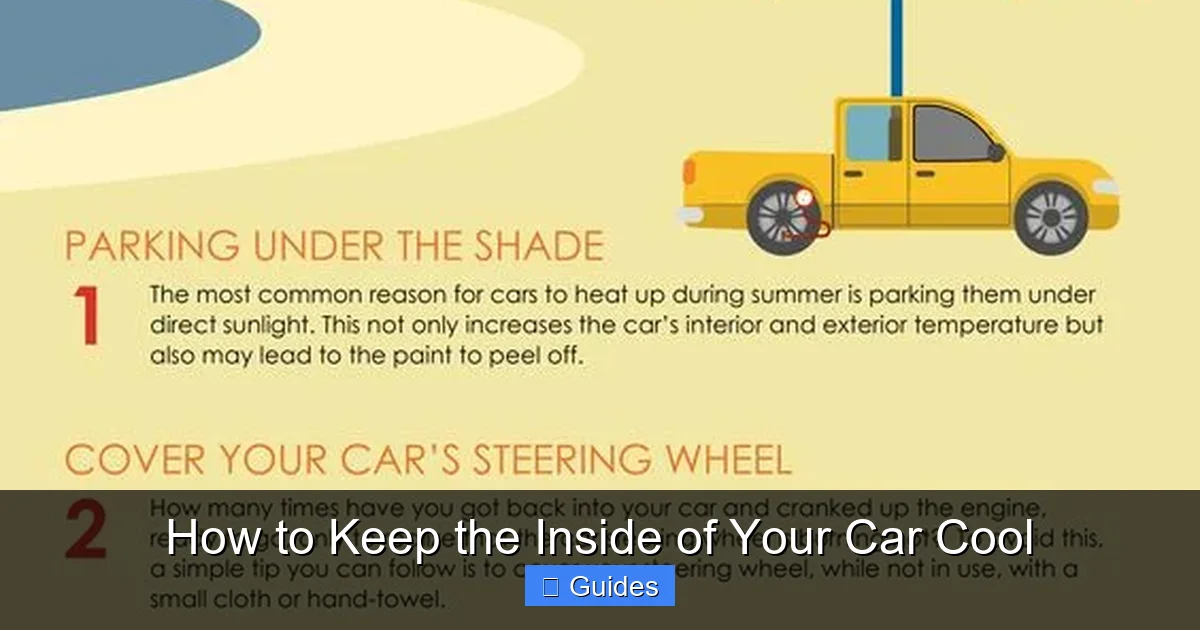
One of the most effective ways to keep your car cool starts before you even get behind the wheel: where and how you park. The goal is to minimize direct sunlight exposure, especially during peak hours between 10 a.m. and 4 p.m. when the sun is strongest.
Visual guide about How to Keep the Inside of Your Car Cool
Image source: i.pinimg.com
Park in the Shade Whenever Possible
The simplest and most effective method is to park under a tree, awning, or covered structure. Even partial shade can make a noticeable difference. If you’re at work or running errands, scout ahead for shaded spots—especially on the north side of buildings, which receive less direct sun. If you’re parking for an extended period, consider rotating your vehicle so that the sun hits the rear windshield instead of the front, as the front typically absorbs more heat.
Use a Reflective Car Cover
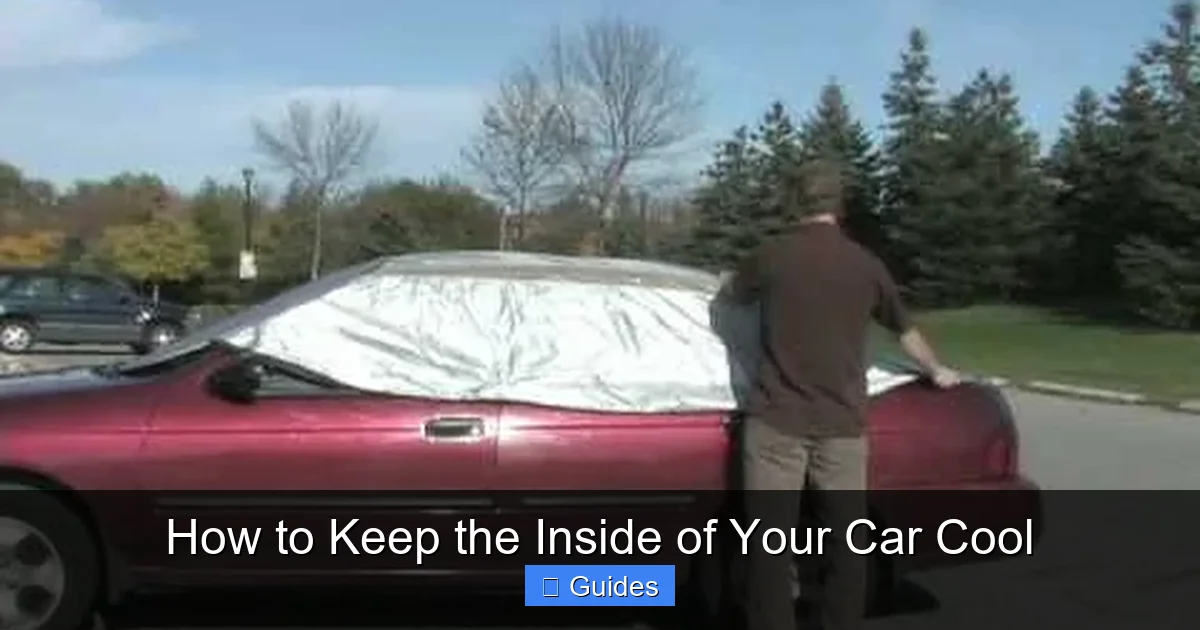
When shade isn’t available, a reflective car cover is your next best option. These covers are made from aluminized or silver-coated materials that reflect sunlight and prevent heat from penetrating the car’s exterior. They’re lightweight, easy to fold, and can reduce interior temperatures by up to 30°F (17°C). Look for covers with UV protection and breathable fabric to avoid trapping moisture underneath.
Face the Front Windshield Away from the Sun
Believe it or not, the direction your car faces matters. Parking with the front windshield facing away from the sun reduces the amount of direct sunlight entering the cabin. This small adjustment can significantly cut down on heat absorption, especially during morning and afternoon sun angles.
Use Window Visors or Sunshades
Even when parked in the shade, sunlight can still sneak in through side windows. Installing window visors (also called vent visors or deflectors) allows you to crack your windows slightly without letting in rain or debris. This promotes airflow and prevents the greenhouse effect. For the front windshield, a high-quality foldable sunshade is a must. Look for ones with reflective surfaces and a snug fit—some even come with suction cups or magnetic attachments for extra stability.
Maximize Airflow with Ventilation Techniques
Heat builds up in a parked car because hot air gets trapped inside—a phenomenon known as the greenhouse effect. To combat this, you need to encourage airflow and allow hot air to escape before it has a chance to accumulate.

Visual guide about How to Keep the Inside of Your Car Cool
Image source: tvcrazy.net
Crack Your Windows Slightly
One of the easiest and most effective ways to keep the inside of your car cool is to leave your windows cracked open by about an inch when parked. This small gap allows hot air to rise and escape while cooler air from outside flows in. Just be sure your car is secure—use child locks or window stops to prevent full opening, and never leave valuables in plain sight.
Use Solar-Powered Vent Fans
For a more high-tech solution, consider a solar-powered vent fan. These devices attach to your window or sunroof and use solar energy to pull hot air out of the cabin. Some models even have built-in thermostats that activate automatically when the interior temperature rises above a certain level. They’re eco-friendly, require no wiring, and can reduce cabin temperature by 10–20°F (5–11°C).
Install a Portable Car Cooler
If you’re looking for a budget-friendly option, a portable car cooler or 12V fan can make a big difference. These plug into your cigarette lighter or USB port and help circulate air inside the cabin. While they don’t cool the air like an AC unit, they do prevent stagnant heat and improve comfort when you return to your car. Some models even come with misting features for added cooling.
Upgrade Your Windows for Better Heat Control
Your car’s windows are the primary entry point for solar heat. Upgrading them with the right materials can dramatically improve your ability to keep the inside of your car cool.
Visual guide about How to Keep the Inside of Your Car Cool
Image source: wonderfulengineering.com
Install High-Quality Window Tint
Window tinting is one of the most effective long-term solutions for heat reduction. Modern ceramic and carbon-based tints block up to 99% of UV rays and reject a significant amount of infrared radiation—the type of heat you feel from the sun. Unlike older dyed films, high-performance tints don’t fade or bubble and can reduce interior temperatures by 30–50%. Just make sure to check your local laws, as tint darkness and reflectivity are regulated in most states.
Consider Infrared-Blocking Films
For even better performance, look for infrared-blocking window films. These advanced coatings are designed specifically to reject heat without darkening the glass too much. They’re ideal for drivers who want maximum cooling without compromising visibility or legality. Some premium films even come with lifetime warranties and can improve fuel efficiency by reducing AC load.
Use Sun-Reflective Windshield Films
Your windshield is the largest surface area exposed to the sun, so it’s a prime target for heat absorption. Applying a clear, heat-rejecting windshield film can block up to 60% of solar energy while remaining nearly invisible. These films are often used in combination with sunshades for maximum effect.
Optimize Your Air Conditioning System
Once you’re ready to drive, your AC system becomes your best friend. But to keep the inside of your car cool efficiently, you need to use it wisely and keep it in top condition.
Pre-Cool Your Car Before Driving
Don’t wait until you’re already sweating to turn on the AC. Start cooling your car as soon as you get in. Roll down all the windows for the first minute or two to let the hottest air escape, then close them and turn on the AC at full blast. This “flush and cool” method helps the system work more efficiently and brings the cabin temperature down faster.
Use Recirculation Mode
Once the car starts cooling, switch your AC to recirculation mode. This setting recirculates the already-cooled air inside the cabin instead of pulling in hot outside air. It’s much more effective at maintaining a comfortable temperature, especially in stop-and-go traffic or during heatwaves.
Maintain Your AC System Regularly
A poorly maintained AC system won’t cool effectively, no matter how high you set it. Have your system inspected annually by a certified technician. They’ll check refrigerant levels, clean or replace filters, inspect belts and hoses, and ensure the compressor is functioning properly. A well-maintained AC can cool your car up to 30% faster and use less fuel.
Upgrade to a High-Efficiency AC System
If your car is older or you live in an extremely hot climate, consider upgrading to a high-efficiency AC system. Newer systems use eco-friendly refrigerants and advanced compressors that cool faster and use less energy. Some luxury vehicles even come with dual-zone or tri-zone climate control, allowing you to customize temperature settings for different areas of the cabin.
Lifestyle Habits That Help Keep Your Car Cool
Beyond gadgets and upgrades, simple daily habits can make a big difference in how cool your car stays.
Avoid Heat-Absorbing Materials
Dark-colored interiors absorb more heat than light ones. If you’re shopping for a new car or considering reupholstering, opt for light-colored seats, dashboards, and carpets. Similarly, avoid placing dark objects like laptops, bags, or blankets on seats—they can act as heat sinks and radiate warmth back into the cabin.
Use Seat Covers and Dash Mats
Invest in light-colored, breathable seat covers made from materials like mesh or neoprene. These reflect sunlight and prevent seats from becoming scorching hot. For the dashboard, use a dashboard cover or mat to reduce glare and heat absorption. Some covers even have reflective backing for added protection.
Keep Your Car Clean
Dirt, dust, and debris on your car’s exterior can trap heat and reduce the effectiveness of reflective surfaces. Regularly wash and wax your car to maintain its shine and reflectivity. A clean car not only looks better—it also stays cooler in the sun.
Plan Your Trips Wisely
If possible, avoid parking in direct sunlight during the hottest part of the day. Schedule errands for early morning or late afternoon when temperatures are lower. If you must park in the sun, try to minimize the time your car sits idle. The longer a car is parked in the heat, the hotter it gets.
Emergency Cooling Tips for Extreme Heat
Even with all the precautions, sometimes the heat is just overwhelming. Here are a few emergency tips to help you cool down quickly when you return to a hot car.
Use a Cooling Towel or Spray Bottle
Keep a cooling towel or a spray bottle filled with water in your car. Dampen the towel and place it on your neck or forehead for instant relief. You can also mist your face and arms with water to help lower your body temperature while the AC kicks in.
Open All Doors Before Sitting In
Before you get in, open all four doors and let the hot air escape for 30–60 seconds. This simple step can reduce cabin temperature by several degrees and make the interior more bearable.
Use a Portable Evaporative Cooler
In dry climates, a portable evaporative cooler (also called a swamp cooler) can provide instant relief. These devices use water evaporation to cool the air and can lower the temperature around you by 10–15°F (5–8°C). They’re lightweight, battery-powered, and perfect for short-term use.
Conclusion
Keeping the inside of your car cool doesn’t require expensive modifications or complicated systems. With a combination of smart parking, proper ventilation, window upgrades, and good habits, you can significantly reduce cabin temperature and enjoy a safer, more comfortable ride—even in the hottest weather. Start with the basics like sunshades and cracked windows, then consider investing in tinting or solar fans for long-term benefits. Remember, a cooler car is not only more pleasant—it’s also healthier for you and your passengers, and it helps preserve your vehicle’s interior for years to come. So the next time you step into your car on a sweltering day, you’ll be glad you took the time to learn how to keep the inside of your car cool.
Frequently Asked Questions
How hot can a car get inside on a sunny day?
On an 80°F (27°C) day, the inside of a parked car can reach over 120°F (49°C) within an hour. Dark interiors and direct sunlight can make it even hotter, posing serious health risks.
Do sunshades really work to keep cars cool?
Yes, high-quality sunshades can reduce interior temperatures by up to 40°F (22°C). They block direct sunlight and prevent UV damage to dashboards and seats.
Is it safe to leave windows cracked when parked?
Yes, as long as you only crack them slightly (about an inch) and ensure your car is secure. Use child locks or window stops to prevent full opening and avoid leaving valuables visible.
Can window tint reduce heat inside a car?
Absolutely. Modern ceramic and carbon tints block infrared and UV rays, reducing heat buildup by 30–50%. They also improve privacy and reduce glare.
How often should I service my car’s AC system?
It’s recommended to have your AC system inspected and serviced at least once a year, preferably before summer. This ensures optimal performance and fuel efficiency.
Are solar-powered car fans worth it?
Yes, especially if you park in the sun frequently. Solar fans are eco-friendly, require no wiring, and can lower cabin temperature by 10–20°F (5–11°C) by expelling hot air.

At CarLegit, we believe information should be clear, factual, and genuinely helpful. That’s why every guide, review, and update on our website is created with care, research, and a strong focus on user experience.