
Want to give your car a fresh new look without breaking the bank? Painting a car with spray cans is a budget-friendly DIY project that anyone can tackle with the right prep, tools, and technique. While it won’t match a professional spray booth job, with patience and attention to detail, you can achieve a surprisingly smooth and durable finish using aerosol paint.
In This Article
- 1 Key Takeaways
- 2 📑 Table of Contents
- 3 Introduction: Can You Really Paint a Car with Spray Cans?
- 4 Why Choose Spray Cans Over Professional Painting?
- 5 Tools and Materials You’ll Need
- 6 Step-by-Step Guide to Painting Your Car
- 7 Safety Tips and Best Practices
- 8 Common Mistakes to Avoid
- 9 Conclusion: Is Spray Can Painting Worth It?
- 10 Frequently Asked Questions
Key Takeaways
- Proper surface prep is 80% of the job: Sanding, cleaning, and priming the car surface ensures the paint adheres well and lasts longer.
- Use high-quality spray paint designed for automotive use: Look for brands like Dupli-Color, Rust-Oleum, or Krylon that offer UV protection and durability.
- Work in a clean, dust-free environment: Even tiny particles can ruin a finish—choose a garage or tent with minimal airflow.
- Apply multiple thin coats instead of one thick coat: This prevents runs, drips, and uneven texture while building up a smooth, professional look.
- Allow proper drying and curing time between coats: Rushing the process leads to bubbling, peeling, or poor adhesion.
- Wet sanding and polishing can elevate the finish: Light sanding between coats and final buffing gives a glossy, showroom-like shine.
- Protect your health and workspace: Always wear a respirator, gloves, and work in a well-ventilated area to avoid fumes and overspray.
📑 Table of Contents
Introduction: Can You Really Paint a Car with Spray Cans?
You’ve seen the videos—someone grabs a few cans of spray paint, gives their beat-up sedan a quick once-over, and boom, it looks brand new. But is painting a car with spray cans actually doable? The short answer is yes, but with a big caveat: it takes more than just shaking a can and spraying wildly.
This isn’t a weekend hack you can rush through in an afternoon. Painting a car with spray cans is a serious DIY project that requires time, patience, and attention to detail. It’s perfect for restoring an old beater, customizing a project car, or giving your daily driver a fresh coat without the $3,000+ price tag of a professional paint job. But if you’re expecting a flawless, mirror-like finish right out of the can, you might be disappointed. That said, with the right approach, you can achieve a solid, durable, and surprisingly attractive paint job using nothing but aerosol cans and some elbow grease.
In this guide, we’ll walk you through every step—from prepping your car to applying the final clear coat—so you can paint your car with spray cans like a seasoned DIYer. We’ll cover the tools you need, the best paints to use, safety tips, and pro tricks to avoid common mistakes. Whether you’re painting a whole car or just touching up a fender, this guide will help you get the best possible results.
Why Choose Spray Cans Over Professional Painting?
Let’s be real—most of us can’t afford to drop $3,000 to $5,000 on a professional paint job. That’s where spray cans come in. They’re affordable, accessible, and surprisingly effective when used correctly. A full car paint job with spray cans can cost between $100 and $300, depending on the size of the vehicle and the quality of paint you choose. Compare that to the cost of a pro job, and it’s a no-brainer for budget-conscious car enthusiasts.

Visual guide about How to Paint a Car with Spray Cans
Image source: i.ytimg.com
Another advantage? You can do it yourself, on your own schedule. No waiting weeks for a shop appointment or worrying about your car being in someone else’s hands. Plus, spray cans give you full control over the color, finish, and application process. Want a matte black hood? A metallic blue body? A custom two-tone design? You can mix and match colors and finishes to create a look that’s uniquely yours.
Of course, there are trade-offs. Spray cans don’t offer the same level of durability or finish quality as a professional spray gun and booth setup. The paint is thinner, the coverage is less even, and the risk of imperfections like orange peel or dust nibs is higher. But for many DIYers, the cost savings and personal satisfaction outweigh these limitations. And with proper technique, you can minimize these issues and still end up with a paint job that turns heads.
When Spray Cans Make Sense
Spray cans are ideal for certain situations. If you’re working on a project car, a beater, or a vehicle you don’t plan to keep long-term, spray paint is a great option. It’s also perfect for touch-ups, spot repairs, or painting individual panels like hoods, doors, or bumpers. Even if you’re not painting the entire car, using spray cans for small repairs can save you money and extend the life of your existing paint.
Another scenario where spray cans shine is customization. Want to add racing stripes, a custom logo, or a unique color scheme? Spray cans give you the flexibility to experiment without committing to a full repaint. You can test colors, layer effects, and even create gradients or fades that would be difficult (and expensive) to achieve with traditional methods.
Tools and Materials You’ll Need
Before you even think about picking up a spray can, you need to gather the right tools and materials. This isn’t a project you can wing with whatever’s lying around the garage. Here’s a complete checklist to get you started:

Visual guide about How to Paint a Car with Spray Cans
Image source: m.media-amazon.com
- High-quality automotive spray paint: Look for brands like Dupli-Color, Rust-Oleum Automotive, or Krylon Fusion. These are formulated for cars and offer better adhesion, UV resistance, and durability.
- Primer: A good primer is essential for adhesion and smoothing out imperfections. Use an automotive-grade spray primer in gray or white.
- Clear coat: This protects the color and gives the paint its shine. Use a high-gloss automotive clear coat for best results.
- Sandpaper: You’ll need a range of grits—80, 120, 220, 400, 600, and 1000. Start coarse and work your way up for a smooth finish.
- Sanding blocks or orbital sander: For even sanding, especially on flat panels.
- Tack cloths: These sticky cloths remove dust and debris before painting.
- Masking tape and plastic sheeting: To protect areas you don’t want painted, like windows, trim, and lights.
- Respirator mask: Not optional. Spray paint fumes are toxic. Use a NIOSH-approved respirator with organic vapor cartridges.
- Nitrile gloves and safety goggles: Protect your skin and eyes from chemicals and overspray.
- Drop cloths or cardboard: To protect the ground and catch overspray.
- Air compressor and paint gun (optional): Some DIYers use a small compressor with a touch-up gun for better control, but it’s not required.
- Polishing compound and buffer (optional): For final finishing and shine.
Choosing the Right Paint
Not all spray paints are created equal. For car painting, you need paint specifically designed for automotive use. These paints are formulated to withstand sun, rain, heat, and chemicals. They also have better flexibility and adhesion than regular household spray paint.
Look for paints labeled “automotive,” “high-heat,” or “UV-resistant.” Dupli-Color’s Perfect Match line is a popular choice because it’s designed to match factory colors. Rust-Oleum’s Automotive Enamel is another solid option, offering good coverage and durability. Avoid cheap hardware store brands—they may look fine at first but will fade, chip, or peel quickly.
Also consider the finish. Most automotive spray paints come in gloss, semi-gloss, or matte. Gloss is the most common and easiest to maintain, while matte gives a modern, aggressive look. Keep in mind that matte finishes are harder to repair and show scratches more easily.
Step-by-Step Guide to Painting Your Car
Now that you’ve got your tools and materials, it’s time to get to work. Follow these steps carefully to ensure a smooth, professional-looking finish.
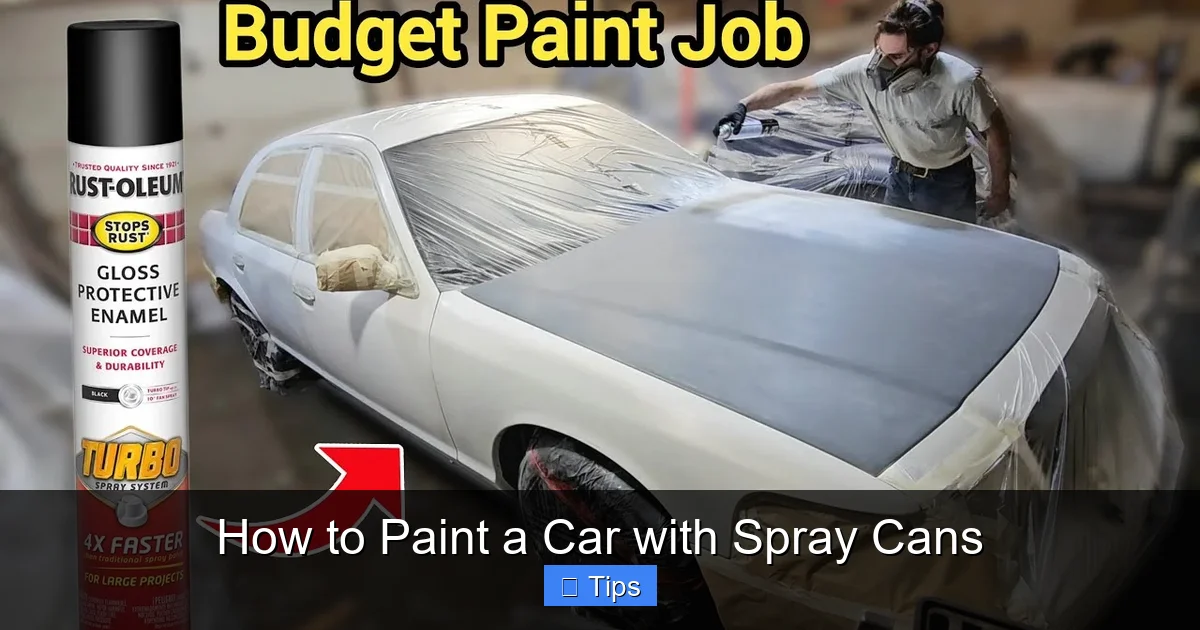
Visual guide about How to Paint a Car with Spray Cans
Image source: bangshift.com
Step 1: Prep the Surface
This is the most important step—don’t skip it! A clean, smooth surface is essential for good paint adhesion. Start by washing the car thoroughly with car soap and water. Remove all dirt, grease, and wax. Let it dry completely.
Next, sand the entire surface. If the car has old paint, use 80- or 120-grit sandpaper to scuff it up. This helps the new paint stick. For bare metal or rust, sand down to clean metal. Then switch to 220-grit to smooth out the surface. Wipe down the car with a tack cloth to remove dust.
Now apply a coat of primer. Shake the can well and spray in even, overlapping strokes. Hold the can about 8–12 inches from the surface. Apply 2–3 thin coats, allowing 10–15 minutes between coats. Let the primer dry for at least 2 hours, then sand it lightly with 400-grit sandpaper to remove any bumps or imperfections. Wipe clean with a tack cloth.
Step 2: Mask Off Areas
Use masking tape and plastic sheeting to cover windows, lights, trim, mirrors, and any other areas you don’t want painted. Be precise—overspray can be a nightmare to remove. Use painter’s tape for clean lines and avoid regular duct tape, which can leave residue.
For complex areas like door handles or emblems, use small pieces of tape to create a tight seal. If you’re painting the whole car, consider removing parts like mirrors, door handles, and trim for easier access and cleaner edges.
Step 3: Apply the Base Coat
Now for the fun part—painting! Shake the spray can for at least 2 minutes to mix the paint thoroughly. Test the spray pattern on a piece of cardboard to make sure it’s even.
Start with the first coat. Hold the can 8–12 inches away and spray in smooth, overlapping passes. Move your arm steadily—don’t stop in one spot. Apply light coats to avoid runs. Let the first coat dry for 10–15 minutes, then apply a second coat. Repeat until you have full, even coverage—usually 3–4 coats.
Tip: Work in sections. Paint one panel at a time (e.g., front fender, then door, then rear quarter panel). This helps maintain wet edges and prevents lap marks.
Step 4: Apply Clear Coat
Once the base coat is dry (wait at least 1–2 hours), it’s time for the clear coat. This protects the paint and gives it a glossy finish. Use the same technique as the base coat—thin, even layers with 10–15 minutes between coats.
Apply 2–3 coats of clear coat. The final coat should be slightly heavier to build up shine, but still avoid thick application. Let the clear coat dry for at least 24 hours before handling.
Step 5: Wet Sanding and Polishing (Optional but Recommended)
For a truly professional look, wet sand the paint once it’s fully cured (usually 48–72 hours). Start with 1000-grit wet sandpaper and water to smooth out orange peel or minor imperfections. Work in small sections, keeping the surface wet to avoid scratching.
After sanding, use a polishing compound and a buffer to bring out the shine. Finish with a wax or sealant to protect the paint and add depth.
Safety Tips and Best Practices
Painting a car with spray cans involves chemicals, fumes, and fine particles—so safety is non-negotiable. Always wear a respirator mask rated for organic vapors. A simple dust mask won’t cut it. Work in a well-ventilated area, like a garage with doors open or a paint booth.
Wear nitrile gloves to protect your hands from paint and solvents. Safety goggles will keep overspray out of your eyes. And never smoke or use open flames near spray paint—it’s highly flammable.
Dispose of empty cans and rags properly. Rags soaked in paint thinner can spontaneously combust, so store them in a metal container with a lid until disposal.
Common Mistakes to Avoid
Even with the best intentions, DIYers often make the same mistakes. Here’s what to watch out for:
- Skipping prep work: Rushing through sanding and cleaning leads to poor adhesion and peeling.
- Spraying too close or too fast: This causes runs and uneven texture. Keep the can moving and at the right distance.
- Applying thick coats: Thin coats dry faster and look smoother. Thick coats sag and take forever to dry.
- Painting in humid or dusty conditions: Moisture causes bubbling; dust creates bumps. Choose a dry, clean day.
- Not shaking the can enough: Unmixed paint leads to color inconsistencies and clogged nozzles.
- Rushing the drying time: Let each coat dry fully before applying the next. Patience pays off.
Conclusion: Is Spray Can Painting Worth It?
Painting a car with spray cans isn’t for everyone, but for the right person, it’s a rewarding and cost-effective way to refresh their ride. It won’t win any concours awards, but with careful prep and technique, you can achieve a finish that’s smooth, durable, and visually appealing.
The key is to treat it like a real project—not a quick fix. Take your time, follow the steps, and don’t cut corners. Invest in quality materials, protect yourself, and be patient. The result? A car that looks better, feels more personal, and didn’t cost you an arm and a leg.
So grab those cans, roll up your sleeves, and give your car the makeover it deserves. With a little effort, you’ll be cruising in style—and saving thousands in the process.
Frequently Asked Questions
Can you really paint a whole car with spray cans?
Yes, you can paint an entire car with spray cans, but it requires careful preparation, multiple thin coats, and patience. While the finish may not match a professional job, it’s possible to achieve a smooth, durable result with the right technique.
How long does spray can paint last on a car?
With proper prep and a quality clear coat, spray can paint can last 3–5 years or more. It’s more prone to fading and chipping than professional paint, but regular waxing and care can extend its life.
Do I need to sand between coats?
Light sanding between coats isn’t always necessary, but it helps remove dust nibs and improves adhesion. Use 600- or 800-grit wet sandpaper between clear coats for a smoother finish.
Can I paint over existing clear coat?
Yes, but you must sand the old clear coat thoroughly with 220-grit sandpaper to create a surface the new paint can adhere to. Clean and prime before applying new paint.
What’s the best environment to paint a car?
Paint in a clean, dry, dust-free area with low humidity—like a garage with doors open or a paint tent. Avoid windy or rainy days to prevent dust and moisture from ruining the finish.
How many cans of spray paint do I need for a car?
For a full-size sedan, you’ll need about 8–12 cans of base color, 4–6 cans of primer, and 4–6 cans of clear coat. Smaller cars may need fewer; larger vehicles like SUVs may require more.

At CarLegit, we believe information should be clear, factual, and genuinely helpful. That’s why every guide, review, and update on our website is created with care, research, and a strong focus on user experience.