
Putting a Maserati Levante in neutral is simple once you understand the gear selector layout and safety steps. Whether you’re towing, stuck in traffic, or handling an emergency, knowing how to shift into neutral ensures smoother operation and protects your luxury SUV’s transmission.
In This Article
- 1 Key Takeaways
- 2 📑 Table of Contents
- 3 Introduction: Why Knowing How to Put Your Maserati Levante in Neutral Matters
- 4 Understanding the Maserati Levante’s Gear Selector System
- 5 Step-by-Step Guide: How to Put Your Maserati Levante in Neutral
- 6 Emergency Neutral Mode: What to Do If the Gear Selector Fails
- 7 Common Mistakes to Avoid When Shifting into Neutral
- 8 When and Why You Should Use Neutral in Your Maserati Levante
- 9 Maintenance Tips to Keep Your Gear Selector Working Smoothly
- 10 Conclusion: Mastering Neutral for a Smoother, Safer Drive
- 11 Frequently Asked Questions
- 11.1 Can I shift my Maserati Levante into neutral while driving?
- 11.2 Why won’t my gear selector move to neutral?
- 11.3 Is it safe to leave my Levante in neutral overnight?
- 11.4 How do I know if neutral is engaged?
- 11.5 What should I do if the gear selector is stuck?
- 11.6 Can I flat-tow my Maserati Levante?
Key Takeaways
- Use the gear selector lever correctly: The Maserati Levante uses an electronic gear selector with a dedicated neutral position. Press the brake and move the lever to “N” to engage neutral.
- Emergency neutral mode is available: If the gear selector fails, use the manual override button near the shifter to manually shift into neutral.
- Always press the brake pedal: The vehicle requires the brake to be pressed before shifting out of Park or into Neutral for safety.
- Neutral is ideal for towing or diagnostics: Use neutral when flat-towing or when the vehicle needs to be moved without engine power.
- Avoid coasting in neutral on hills: Modern vehicles like the Levante are designed for fuel-efficient driving in Drive; coasting in neutral can reduce control and safety.
- Check the dashboard indicators: The gear display on the instrument cluster confirms when Neutral is engaged.
- Consult the owner’s manual: For model-specific details, always refer to your Maserati Levante’s official manual.
📑 Table of Contents
- Introduction: Why Knowing How to Put Your Maserati Levante in Neutral Matters
- Understanding the Maserati Levante’s Gear Selector System
- Step-by-Step Guide: How to Put Your Maserati Levante in Neutral
- Emergency Neutral Mode: What to Do If the Gear Selector Fails
- Common Mistakes to Avoid When Shifting into Neutral
- When and Why You Should Use Neutral in Your Maserati Levante
- Maintenance Tips to Keep Your Gear Selector Working Smoothly
- Conclusion: Mastering Neutral for a Smoother, Safer Drive
Introduction: Why Knowing How to Put Your Maserati Levante in Neutral Matters
Owning a Maserati Levante is about more than just luxury—it’s about performance, precision, and control. This high-end SUV blends Italian craftsmanship with advanced engineering, delivering a driving experience that’s both thrilling and refined. But even the most sophisticated vehicles require basic operational knowledge, especially when it comes to something as fundamental as shifting gears. One question that often comes up among new and even experienced Levante owners is: How do I put my Maserati Levante in neutral?
It might seem like a simple task, but the Levante’s electronic gear selector system is different from traditional automatic shifters. Unlike older cars with mechanical linkages, the Levante uses a drive-by-wire system that relies on electronic signals. This means the process isn’t always intuitive, especially if you’re used to older vehicles or renting different cars frequently. Whether you’re preparing to tow your Levante, need to move it in an emergency, or simply want to understand your vehicle better, knowing how to shift into neutral is essential.
In this guide, we’ll walk you through every step of putting your Maserati Levante in neutral—safely, correctly, and with confidence. We’ll cover normal operation, emergency procedures, common mistakes to avoid, and tips for maintaining your vehicle’s transmission health. By the end, you’ll not only know how to shift into neutral, but you’ll also understand why it matters and when to use it.
Understanding the Maserati Levante’s Gear Selector System
Visual guide about How to Put a Maserati Levante in Neutral
Image source: mir-s3-cdn-cf.behance.net
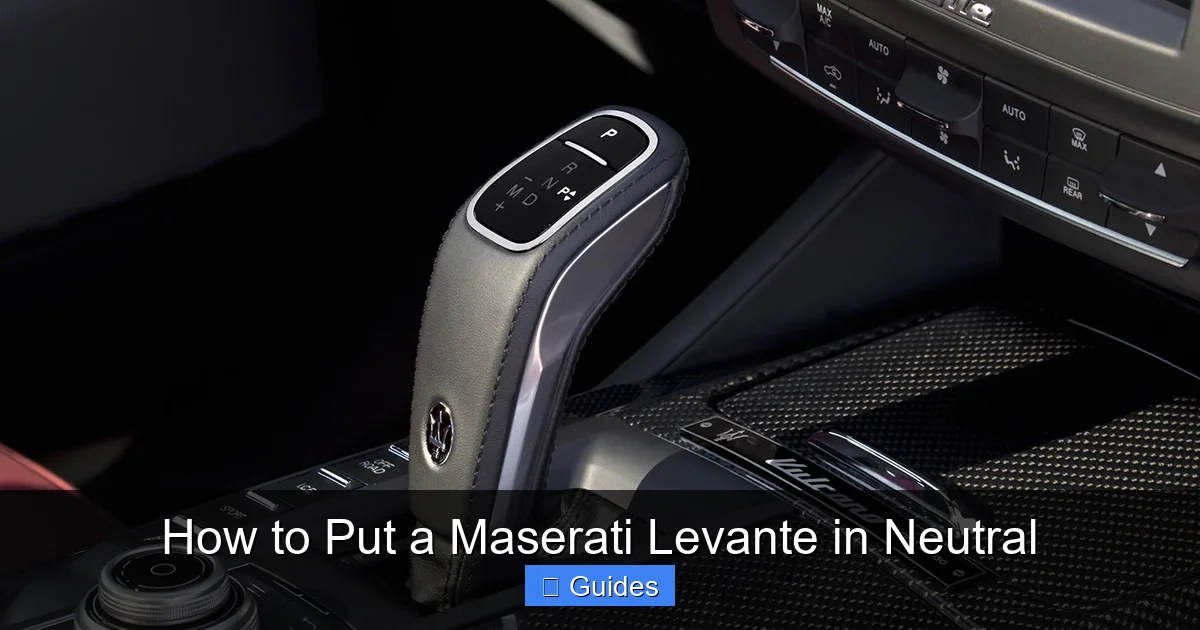
Before diving into the steps, it’s important to understand how the Maserati Levante’s gear selector works. Unlike conventional gear shifters that physically move a lever connected to the transmission, the Levante uses an electronic gear selector located on the center console. This system is part of Maserati’s commitment to blending performance with modern technology.
How the Electronic Gear Selector Works
The gear selector in the Levante is a sleek, chrome-finished lever that doesn’t move in the traditional up-and-down or side-to-side motion. Instead, it pivots slightly when you move it between positions. The available gears are: Park (P), Reverse (R), Neutral (N), and Drive (D). There’s also a manual mode (+ and –) for sportier driving, but for our purposes, we’re focusing on Neutral.
When you move the lever, it sends an electronic signal to the transmission control unit (TCU), which then engages the appropriate gear. This system allows for smoother shifts, better integration with driver-assist features, and a cleaner interior design. However, it also means that the process of shifting into neutral requires a specific sequence to ensure safety and prevent accidental gear changes.
Key Components of the Shifter
The gear selector has several important features:
– Park (P): Locks the transmission and should be used when the vehicle is stationary.
– Reverse (R): Engages reverse gear—only use when the vehicle is stopped.
– Neutral (N): Disengages the transmission from the engine, allowing the vehicle to roll freely.
– Drive (D): Engages forward gears for normal driving.
– Manual Mode (+/–): Allows manual gear selection using paddle shifters or the lever.
– Shift Lock Button: A small button on the side of the lever that must be pressed to move out of Park.
Understanding these components is crucial because each plays a role in safely shifting into neutral. For example, you can’t move the lever out of Park without pressing the brake pedal and the shift lock button. The same logic applies when shifting into neutral—safety interlocks prevent unintended movements.
Step-by-Step Guide: How to Put Your Maserati Levante in Neutral
Visual guide about How to Put a Maserati Levante in Neutral
Image source: maserati.scene7.com
Now that you understand the system, let’s walk through the exact steps to put your Maserati Levante in neutral. Whether you’re parked, driving slowly, or need to shift for towing, these instructions will work across most Levante models (2017–present).
Step 1: Ensure the Vehicle Is Stationary or Moving Slowly
If your vehicle is in motion, you should only shift into neutral at low speeds—ideally under 5 mph (8 km/h). Shifting into neutral at high speeds can cause instability, especially in a heavy SUV like the Levante. If you’re driving on the highway, it’s safer to slow down first or wait until you’ve come to a complete stop.
Pro Tip: Avoid shifting into neutral while descending steep hills. Modern vehicles like the Levante use engine braking in Drive to help control speed. Coasting in neutral reduces this effect and can make braking less effective.
Step 2: Press the Brake Pedal
This is a critical safety step. The Maserati Levante’s electronic system requires the brake pedal to be pressed before any gear change can occur. This prevents accidental shifts that could lead to unintended movement.
Press the brake pedal firmly with your right foot. You don’t need to hold it down the entire time, but it must be depressed at the moment you move the gear selector.
Step 3: Locate the Gear Selector Lever
The gear selector is located on the center console, just behind the cup holders and climate controls. It’s a sleek, upright lever with a chrome finish and illuminated markings. The positions are clearly labeled: P, R, N, D.
Step 4: Move the Lever to Neutral (N)
With your foot on the brake, gently push the lever forward (toward the front of the vehicle) until it clicks into the Neutral (N) position. You don’t need to press the shift lock button here—only when moving out of Park.
You’ll feel a slight resistance, then a smooth engagement as the lever settles into Neutral. The dashboard will display “N” on the gear indicator, confirming the shift.
Step 5: Confirm Neutral Is Engaged
Check the instrument cluster behind the steering wheel. A digital display will show the current gear. If it reads “N,” you’ve successfully shifted into neutral. You may also notice that the engine revs slightly higher than in Drive, since the transmission is no longer under load.
At this point, the vehicle can roll freely if on a slope or if pushed. The engine will continue to run, but no power is sent to the wheels.
Step 6: Shift Back to Drive or Park When Ready
To return to normal driving, simply press the brake again and move the lever to Drive (D). For parking, move it to Park (P)—remember to press the shift lock button this time.
Example: Imagine you’re at a car wash and need to shift into neutral so the conveyor can move your vehicle. You’d press the brake, shift to N, and the car wash operator can then guide your Levante through the system safely.
Emergency Neutral Mode: What to Do If the Gear Selector Fails
Visual guide about How to Put a Maserati Levante in Neutral
Image source: maserati.scene7.com
Even the most reliable systems can fail. If your Maserati Levante’s gear selector becomes unresponsive—perhaps due to a power loss, software glitch, or mechanical issue—you’ll need a backup method to shift into neutral. This is especially important if you need to move the vehicle in an emergency, such as after an accident or when towing.
Locating the Manual Override Button
Maserati has designed the Levante with a manual override feature for exactly this scenario. The override button is a small, recessed button located near the base of the gear selector, often marked with a “N” or “Neutral” label. It’s typically hidden under a small cover or requires a tool (like a key or paperclip) to press.
To access it:
1. Turn off the ignition (if safe to do so).
2. Locate the small slot or button near the shifter.
3. Insert a key, screwdriver, or similar tool and press firmly.
4. While holding the button, gently move the gear selector to Neutral.
This bypasses the electronic system and manually engages neutral using a mechanical linkage.
When to Use Emergency Neutral Mode
This feature should only be used in emergencies, such as:
– The gear selector is stuck and won’t respond.
– The vehicle has lost power and can’t shift electronically.
– You need to tow the vehicle and the electronic system is non-functional.
Important: After using the manual override, have your vehicle inspected by a certified Maserati technician as soon as possible. The override is a temporary fix and doesn’t address the root cause of the failure.
Safety Precautions During Emergency Shifts
Always ensure the vehicle is on level ground and the parking brake is disengaged before attempting to move it in neutral. If the vehicle begins to roll, apply the brakes immediately. Never rely on neutral to stop the vehicle—use the brake pedal.
Common Mistakes to Avoid When Shifting into Neutral
Even experienced drivers can make errors when shifting into neutral, especially in high-end vehicles with unique systems like the Levante. Here are some common mistakes and how to avoid them.
Mistake 1: Forgetting to Press the Brake
One of the most frequent errors is trying to shift without pressing the brake. The Levante’s safety system won’t allow gear changes unless the brake is depressed. If the lever won’t move, check your foot position first.
Tip: Make it a habit—always press the brake before touching the gear selector.
Mistake 2: Shifting into Neutral at High Speeds
Some drivers believe coasting in neutral saves fuel or reduces engine wear. In reality, modern vehicles like the Levante are designed to cut fuel flow when decelerating in Drive. Shifting to neutral at high speeds can actually reduce control and increase stopping distance.
Fact: The Levante’s transmission is optimized for efficiency in Drive. Coasting in neutral offers no fuel savings and may even be less safe.
Mistake 3: Confusing Neutral with Park
Neutral and Park are not the same. Park locks the transmission with a parking pawl, preventing the vehicle from moving. Neutral simply disengages the transmission but doesn’t lock the wheels. If you leave the vehicle in neutral on a slope, it can roll away.
Best Practice: Always use Park when leaving the vehicle unattended. Use Neutral only when the vehicle needs to be moved temporarily.
Mistake 4: Using Neutral to “Rest” the Transmission
Some drivers shift to neutral at red lights to “give the transmission a break.” However, this is unnecessary and can increase wear on the brake system. The Levante’s transmission is designed to handle stop-and-go traffic in Drive.
Recommendation: Stay in Drive with your foot on the brake at stops. It’s safer and more efficient.
Mistake 5: Ignoring Dashboard Warnings
If the gear indicator doesn’t change or shows a warning light, don’t ignore it. A malfunctioning gear selector can indicate a deeper issue with the transmission or electronics.
Action Step: If you can’t shift into neutral or see warning messages, stop driving and contact Maserati roadside assistance.
When and Why You Should Use Neutral in Your Maserati Levante
Now that you know how to shift into neutral, let’s explore when it’s actually useful. While neutral isn’t needed for everyday driving, there are specific situations where it plays a vital role.
Towing and Flat-Towing
If you need to tow your Levante (for example, behind an RV), you must shift into neutral. Most flat-tow setups require the transmission to be disengaged to prevent damage. Consult your owner’s manual for specific towing procedures—some models may require additional steps or tools.
Note: Never tow a Maserati Levante in Drive or Park. Always use neutral and follow the manufacturer’s towing guidelines.
Car Wash and Automated Systems
Many modern car washes use conveyor belts to move vehicles through the wash cycle. These systems require the vehicle to be in neutral so it can be pulled forward smoothly. Shifting to neutral ensures your Levante moves safely without engine power.
Diagnostics and Repairs
Mechanics may shift your vehicle into neutral during diagnostics or transmission work. This allows them to test the transmission without engaging the drivetrain. If you’re at a service center, don’t be surprised if they ask you to shift into neutral.
Emergency Situations
In rare cases—such as a stuck accelerator or transmission failure—shifting into neutral can prevent a dangerous situation. While this is uncommon, knowing how to do it quickly could be lifesaving.
Vehicle Storage and Transport
If your Levante is being transported on a trailer or stored for an extended period, it may need to be in neutral for loading and unloading. Always use wheel chocks and secure the vehicle properly.
Maintenance Tips to Keep Your Gear Selector Working Smoothly
To ensure your Maserati Levante’s gear selector remains responsive and reliable, regular maintenance is key. Here are some tips to keep the system in top condition.
Keep the Shifter Clean
Dirt, dust, and debris can accumulate around the gear selector, potentially interfering with its movement. Use a soft cloth and mild cleaner to wipe the lever and surrounding area. Avoid spraying liquids directly into the mechanism.
Check for Software Updates
Maserati periodically releases software updates for the vehicle’s electronic systems, including the transmission control unit. These updates can improve shift responsiveness and fix known bugs. Visit a certified dealer to check for updates.
Inspect the Brake Light Switch
Since the brake pedal must be pressed to shift gears, a faulty brake light switch can prevent gear changes. If your brake lights aren’t working or the shifter won’t move, have the switch inspected.
Avoid Forcing the Lever
Never force the gear selector. If it won’t move, check that the brake is pressed and the shift lock button (if applicable) is engaged. Forcing the lever can damage the electronic components.
Schedule Regular Transmission Service
Follow the recommended service schedule in your owner’s manual. This includes transmission fluid changes and inspections. A well-maintained transmission ensures smooth shifting and prevents costly repairs.
Conclusion: Mastering Neutral for a Smoother, Safer Drive
Putting your Maserati Levante in neutral might seem like a small detail, but it’s a skill that enhances both safety and convenience. Whether you’re preparing for a tow, navigating a car wash, or handling an emergency, knowing how to shift into neutral correctly ensures you’re in control of your luxury SUV.
The process is straightforward: press the brake, move the lever to “N,” and confirm the shift on the dashboard. For emergencies, the manual override provides a reliable backup. Avoid common mistakes like coasting at high speeds or confusing neutral with park, and always prioritize safety.
By understanding your Levante’s electronic gear selector and following best practices, you’ll not only protect your vehicle’s transmission but also enjoy a more confident driving experience. After all, part of owning a Maserati is knowing how to get the most out of its advanced engineering—starting with the basics.
So the next time you need to shift into neutral, you’ll do it with confidence, precision, and the quiet assurance that comes from truly knowing your vehicle.
Frequently Asked Questions
Can I shift my Maserati Levante into neutral while driving?
Yes, but only at low speeds (under 5 mph). Shifting into neutral at high speeds can reduce vehicle control and is not recommended. Always prioritize safety and avoid coasting in neutral on highways.
Why won’t my gear selector move to neutral?
The most common reason is that the brake pedal isn’t pressed. The Levante’s safety system requires the brake to be depressed before any gear change. Also, check for dashboard warnings or mechanical issues.
Is it safe to leave my Levante in neutral overnight?
No. Always use Park (P) when leaving the vehicle unattended. Neutral doesn’t lock the transmission, so the vehicle could roll away on a slope. Use the parking brake and wheel chocks if needed.
How do I know if neutral is engaged?
Check the digital gear display on the instrument cluster. It will show “N” when neutral is active. You may also notice the engine revving slightly higher since the transmission is disengaged.
What should I do if the gear selector is stuck?
Try pressing the brake firmly and gently moving the lever. If it still won’t move, use the manual override button near the shifter. If the problem persists, contact Maserati roadside assistance.
Can I flat-tow my Maserati Levante?
Yes, but only in neutral and with proper equipment. Consult your owner’s manual for specific towing procedures. Never tow in Drive or Park, as this can damage the transmission.

At CarLegit, we believe information should be clear, factual, and genuinely helpful. That’s why every guide, review, and update on our website is created with care, research, and a strong focus on user experience.