
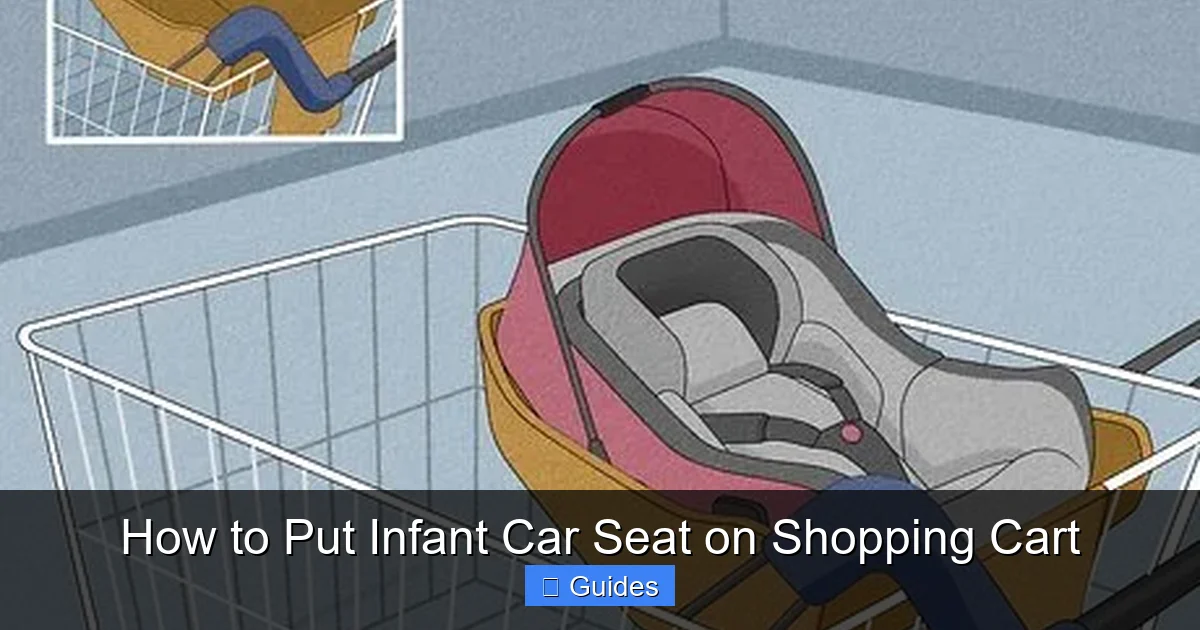
Putting an infant car seat on a shopping cart may seem convenient, but it’s not always safe or recommended. This guide explains when and how to do it properly, highlights risks, and offers safer alternatives to keep your baby secure while shopping.
In This Article
- 1 Key Takeaways
- 2 Why Parents Consider Putting Infant Car Seats on Shopping Carts
- 3 The Risks of Placing an Infant Car Seat on a Shopping Cart
- 4 When Is It Safe to Put an Infant Car Seat on a Shopping Cart?
- 5 Step-by-Step Guide: How to Safely Put an Infant Car Seat on a Shopping Cart
- 6 Safer Alternatives to Putting an Infant Car Seat on a Shopping Cart
- 7 Tips for Safe Shopping with an Infant
- 8 Conclusion
- 9 FAQs
- 9.1 Is it ever safe to put an infant car seat on a shopping cart?
- 9.2 Can I use any car seat with a shopping cart adapter?
- 9.3 What should I do if my baby falls asleep in the car seat at the store?
- 9.4 Are there shopping carts designed for infant car seats?
- 9.5 What are the signs that a car seat is not secure on a cart?
- 9.6 Can I use a shopping cart cover instead of placing the car seat on the cart?
- 10 Key Takeaways
- 11 Frequently Asked Questions
Key Takeaways
- Safety first: Never place an infant car seat on a shopping cart unless it’s specifically designed for that purpose or used with a secure adapter.
- Check compatibility: Only use car seats and carts that are compatible—many modern carts have built-in infant seat holders.
- Always supervise: Never leave your baby unattended, even for a second, when the car seat is on the cart.
- Use a cart with a seat base: Look for shopping carts with a designated infant seat slot or base for added stability.
- Consider alternatives: A baby carrier, stroller, or shopping cart cover may be safer and more practical than placing the car seat directly on the cart.
- Follow manufacturer guidelines: Always read both the car seat and shopping cart manuals before attempting to attach or place the seat.
- Stay balanced: Keep the cart’s center of gravity low and avoid overloading one side to prevent tipping.
Why Parents Consider Putting Infant Car Seats on Shopping Carts
Let’s be honest—being a new parent is exhausting. Between sleepless nights, feeding schedules, and constant diaper changes, the idea of running a quick errand with your newborn can feel overwhelming. You’ve just buckled your baby into their infant car seat, and now you’re at the store. You don’t want to wake them up by transferring them to a stroller, and you don’t have a hands-free carrier. So, what do you do?
Many parents instinctively think, “I’ll just put the car seat on the shopping cart.” It seems logical—after all, the seat fits snugly in the front of most carts, and your baby stays asleep. But while this might seem like a time-saving hack, it’s a decision that comes with serious risks.
The convenience is undeniable. You can keep your baby close, maintain eye contact, and still have your hands free to grab items off the shelves. Plus, if your little one is in a deep sleep, moving them could disrupt their much-needed rest. But convenience shouldn’t come at the cost of safety.
In this guide, we’ll walk you through everything you need to know about placing an infant car seat on a shopping cart—when it’s safe, how to do it correctly, and when it’s better to choose another option. Whether you’re a first-time parent or a seasoned caregiver, understanding the dos and don’ts can help you make smarter, safer choices for your baby.
The Risks of Placing an Infant Car Seat on a Shopping Cart
Before we dive into how to do it safely, it’s important to understand why this practice is controversial. The American Academy of Pediatrics (AAP) and other child safety organizations strongly advise against placing infant car seats on shopping carts unless specific safety measures are in place. Here’s why.
Risk of Tipping
Shopping carts are not designed to support the weight and balance of an infant car seat. When you place a car seat—especially one with a baby inside—on the front of a cart, you dramatically shift the center of gravity. The cart becomes top-heavy and unstable. Even a slight bump, turn, or uneven floor surface can cause the entire cart to tip over.
Imagine reaching for a can on a high shelf or turning a corner too quickly. The added weight in the front can cause the cart to flip forward, sending both the car seat and your baby tumbling to the ground. The impact could result in head injuries, fractures, or worse.
Lack of Secure Attachment
Most standard shopping carts don’t have built-in harnesses or locking mechanisms to hold a car seat in place. Even if the seat “fits” in the front basket, it’s not secured. A sudden stop, a child kicking the seat, or even a strong gust of wind (yes, really—especially near store entrances) can dislodge the seat.
Without a proper attachment system, the car seat can slide, tilt, or fall off entirely. And remember: the car seat’s own harness is designed to protect your baby in a vehicle crash, not to keep them safe on a moving shopping cart.
Distraction and Supervision Challenges
When your baby is in a car seat on the cart, it’s easy to become distracted. You’re focused on shopping, comparing prices, or reaching for items, and in that moment, you might not notice that the seat is shifting or that the cart is becoming unbalanced. Even a few seconds of inattention can lead to an accident.
Additionally, many parents assume that because the baby is “buckled in,” they’re safe. But the car seat harness doesn’t protect against falls from height or collisions with store fixtures. Your baby could still be injured even if they remain in the seat.
Manufacturer Warnings
Most infant car seat manufacturers explicitly warn against using their products on shopping carts. For example, brands like Chicco, Graco, and Britax include statements in their manuals advising against placing the seat on unstable surfaces like carts, tables, or countertops. Doing so can void the warranty and, more importantly, compromise your baby’s safety.
When Is It Safe to Put an Infant Car Seat on a Shopping Cart?
Now that we’ve covered the risks, let’s talk about when it might be acceptable—under very specific conditions.
Use a Cart with a Built-In Infant Seat Holder
Some modern shopping carts are designed with infant safety in mind. These carts feature a dedicated slot or base in the front where an infant car seat can be securely attached. These systems often include locking mechanisms, padded supports, and weight limits that match the car seat’s specifications.
For example, certain grocery chains like Target and Walmart have introduced “smart carts” with integrated infant seat holders. These are engineered to safely accommodate car seats and reduce the risk of tipping. If your local store uses these carts, and your car seat is compatible, it may be safe to use them—provided you follow all instructions.
Use a Compatible Adapter or Clip System
There are aftermarket products designed to safely attach infant car seats to shopping carts. These adapters typically clip onto the cart’s frame and provide a secure base for the car seat. Some popular options include the Cart Safe Infant Seat Adapter and the Baby Safe Cart Clip.
These devices are not universal, so you’ll need to check compatibility with both your car seat model and the type of shopping cart. Always read the instructions carefully and test the setup before placing your baby in the seat.
Supervise Constantly and Stay Close
Even with a compatible cart or adapter, you must never leave your baby unattended. Stay within arm’s reach at all times. Avoid leaning the cart against shelves, reaching too high, or navigating rough terrain like parking lot speed bumps.
Your presence is the most important safety factor. If you need to step away—even for a moment—remove the car seat and take your baby with you.
Ensure the Cart Is on Level Ground
Only use the cart on flat, stable surfaces. Avoid escalators, elevators with gaps, or uneven flooring. If the cart begins to tilt or wobble, stop immediately and reposition it.
Step-by-Step Guide: How to Safely Put an Infant Car Seat on a Shopping Cart
If you’ve determined that your cart and car seat are compatible and you’re using a secure system, follow these steps to minimize risk.
Step 1: Check Compatibility
Before heading to the store, research whether your local grocery or retail chain uses carts with infant seat holders. You can often find this information on the store’s website or by calling customer service. Alternatively, look for carts with a molded seat base or attachment points in the front.
Also, check your car seat manual. Some models are designed to work with specific cart systems. If your seat isn’t compatible, do not attempt to force it into place.
Step 2: Inspect the Cart and Seat
Before placing your baby in the seat, inspect both the cart and the car seat for damage. Look for loose wheels, broken clips, or cracks in the seat shell. A damaged cart or seat increases the risk of failure.
Ensure the car seat’s base is clean and free of debris. Dirt or food particles can prevent a secure fit.
Step 3: Secure the Car Seat Properly
If using a cart with a built-in holder:
– Align the car seat with the designated slot.
– Lower the seat gently until it clicks or locks into place.
– Give it a firm tug to confirm it’s secure.
If using an adapter:
– Attach the adapter to the cart according to the manufacturer’s instructions.
– Place the car seat onto the adapter and lock it in.
– Double-check all connections.
Never assume the seat is secure just because it “looks” like it fits. Always test the attachment.
Step 4: Buckle Your Baby In
Once the seat is securely attached, place your baby in the car seat and fasten the harness snugly. The straps should lie flat, with no twists, and the chest clip should be at armpit level.
Avoid bulky clothing under the harness—this can create slack and reduce protection.
Step 5: Maintain Control of the Cart
Keep one hand on the cart at all times. Push slowly and avoid sudden movements. Stay centered behind the handle to maintain balance.
If you need to reach for an item, stop the cart, secure it (if possible), and then reach. Never lean the cart forward or sideways while your baby is in the seat.
Step 6: Monitor Your Baby
Watch your baby closely. Look for signs of discomfort, overheating, or distress. If your baby starts to cry or seems uneasy, consider transferring them to a stroller or carrier.
Also, be mindful of the time. Prolonged use of a car seat—even in a safe setup—can lead to positional asphyxia, especially in young infants. Limit cart use to short trips.
Safer Alternatives to Putting an Infant Car Seat on a Shopping Cart
Given the risks, many parents find that alternatives are not only safer but also more convenient in the long run.
Use a Baby Carrier or Wrap
A soft-structured carrier, sling, or wrap allows you to keep your baby close while leaving your hands free. Modern carriers are ergonomically designed to support your baby’s hips and spine, and they distribute weight evenly across your body.
Brands like Ergobaby, BabyBjörn, and Tula offer carriers suitable for newborns (with infant inserts if needed). Wearing your baby also promotes bonding and can help soothe a fussy infant.
Bring a Lightweight Stroller
Even if your baby is asleep in the car seat, many infant car seats are compatible with stroller frames. These “travel systems” allow you to snap the car seat directly onto the stroller base, creating a seamless transition from car to store.
Look for strollers with large wheels and sturdy frames for easy maneuvering in stores. Some models even have built-in storage baskets and cup holders for added convenience.
Use a Shopping Cart Cover with a Baby Seat
Cart covers like the Cozy Cover or Shopping Cart Hammock provide a padded, enclosed space for your baby. These covers fit over the front of the cart and create a safe, comfortable seat with side supports and a safety strap.
While not as secure as a stroller, these covers are designed specifically for infants and reduce the risk of falling. They also protect your baby from germs on the cart’s surface.
Ask for Assistance
Many stores offer services for parents with young children. Some have “parent carts” with built-in infant seats, while others provide strollers or carriers for customer use. Don’t hesitate to ask a store employee for help.
You can also consider shopping during off-peak hours when the store is less crowded, making it easier to navigate with a stroller or carrier.
Tips for Safe Shopping with an Infant
No matter which method you choose, these general tips can help keep your baby safe and make your shopping experience smoother.
Plan Ahead
Make a shopping list and stick to it. The quicker you can get in and out, the less time your baby spends in any potentially unsafe setup.
Consider online grocery pickup or delivery for essentials, especially during the first few months when your baby is most vulnerable.
Dress Your Baby Appropriately
Avoid overdressing your baby in the car seat, as this can lead to overheating. Use a lightweight blanket over the harness (not under it) if needed for warmth.
In warmer weather, choose breathable fabrics and keep the cart in shaded areas.
Stay Hydrated and Take Breaks
Carrying a baby—whether in a carrier or car seat—can be physically demanding. Bring water, take breaks, and don’t push yourself too hard.
If your baby becomes fussy or you feel overwhelmed, it’s okay to leave the store and try again later.
Trust Your Instincts
If something feels unsafe—whether it’s the cart, the setup, or the environment—trust your gut. Your instincts as a parent are powerful. It’s always better to be cautious.
Conclusion
Putting an infant car seat on a shopping cart might seem like a practical solution, but it comes with significant risks that every parent should understand. While some modern carts and adapters make it possible to do so safely, the majority of standard shopping carts are not designed to support the weight and balance of a car seat and baby.
The safest approach is to use alternatives like baby carriers, strollers, or cart covers that are specifically designed for infant safety. These options not only reduce the risk of injury but also provide greater comfort and convenience for both you and your baby.
Always prioritize safety over convenience. Read your car seat and cart manuals, follow manufacturer guidelines, and never leave your baby unattended. When in doubt, choose the option that gives you peace of mind.
Remember: your baby’s safety is worth the extra effort. A few extra minutes to set up a stroller or carrier can make all the difference in ensuring a safe, stress-free shopping trip.
FAQs
Is it ever safe to put an infant car seat on a shopping cart?
It can be safe only if the shopping cart has a built-in infant seat holder or you’re using a compatible, certified adapter. Even then, constant supervision and proper setup are essential.
Can I use any car seat with a shopping cart adapter?
No. Adapters are not universal. You must check compatibility with both your car seat model and the type of shopping cart. Always follow the manufacturer’s instructions.
What should I do if my baby falls asleep in the car seat at the store?
If possible, transfer them to a stroller or carrier. If you must keep them in the car seat, ensure it’s securely attached (if using a safe system) and limit the time spent in the seat to avoid positional asphyxia.
Are there shopping carts designed for infant car seats?
Yes. Some stores use carts with molded infant seat bases or locking mechanisms. These are safer than standard carts, but you should still supervise your baby closely.
What are the signs that a car seat is not secure on a cart?
If the seat wobbles, shifts, or doesn’t lock into place, it’s not secure. Also, if the cart feels unbalanced or tips easily, remove the seat immediately.
Can I use a shopping cart cover instead of placing the car seat on the cart?
Yes, cart covers with built-in baby seats are a safer alternative. They provide padding, support, and a safety strap, reducing the risk of falls and exposure to germs.
This is a comprehensive guide about How To Put Infant Car Seat On Shopping Cart.
Key Takeaways
- Understanding How To Put Infant Car Seat On Shopping Cart: Provides essential knowledge
Frequently Asked Questions
What is How To Put Infant Car Seat On Shopping Cart?
How To Put Infant Car Seat On Shopping Cart is an important topic with many practical applications.

At CarLegit, we believe information should be clear, factual, and genuinely helpful. That’s why every guide, review, and update on our website is created with care, research, and a strong focus on user experience.