
Saving your car from heavy snow involves proactive preparation and careful post-storm clearing. By safeguarding vulnerable components before a storm and employing gentle, effective removal techniques afterward, you can prevent damage and ensure your vehicle remains safe and operational throughout the winter season. It’s all about thoughtful action and a bit of foresight.
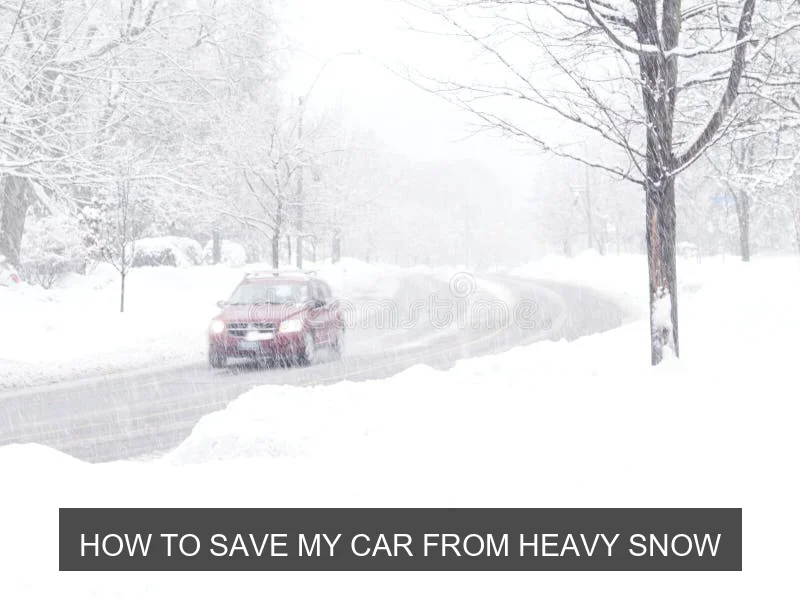
Image source: Dreamstime
In This Article
- 1 How to Save My Car from Heavy Snow
- 2 Introduction: Battling the Snow for Your Car
- 3 What Does “Saving Your Car from Heavy Snow” Really Mean?
- 4 Why Protecting Your Car from Heavy Snow Matters
- 5 How to Prepare Your Car BEFORE a Snowstorm Hits
- 6 Steps to Take DURING and AFTER a Heavy Snowfall
- 7 Common Mistakes to Avoid When Dealing with Snow
- 8 Essential Tips for Snow Protection and Recovery
- 9 Real-Life Scenarios: Putting It All Into Practice
- 10 Frequently Asked Questions (FAQ)
- 11 Conclusion: Drive Safely, Winter Ready
📋 Table of Contents
- 🔹 How to Save My Car from Heavy Snow
- 🔹 Introduction: Battling the Snow for Your Car
- 🔹 What Does “Saving Your Car from Heavy Snow” Really Mean?
- 🔹 Why Protecting Your Car from Heavy Snow Matters
- 🔹 How to Prepare Your Car BEFORE a Snowstorm Hits
- 🔹 Steps to Take DURING and AFTER a Heavy Snowfall
- 🔹 Common Mistakes to Avoid When Dealing with Snow
- 🔹 Essential Tips for Snow Protection and Recovery
- 🔹 Real-Life Scenarios: Putting It All Into Practice
- 🔹 Frequently Asked Questions (FAQ)
- 🔹 Conclusion: Drive Safely, Winter Ready
How to Save My Car from Heavy Snow
To save your car from heavy snow, begin by parking it under cover or facing away from the prevailing wind. Before a storm, lift wiper blades, cover the windshield, and ensure fluid levels are correct. After the snow, clear all windows, lights, and the exhaust pipe thoroughly, using soft tools and avoiding scraping painted surfaces, before attempting to start or move the vehicle.
Introduction: Battling the Snow for Your Car
Winter can be beautiful, but heavy snow often brings unique challenges, especially for your car. Imagine waking up to find your vehicle buried under a thick blanket of white. It’s not just about getting to work; it’s about protecting a significant investment from potential damage. Learning how to save my car from heavy snow isn’t just helpful; it’s essential for peace of mind and your car’s longevity.
This guide will walk you through everything you need to know, from preparing your car before the first flake falls to carefully clearing it afterward. We’ll cover practical tips, common mistakes, and real-life scenarios to help you keep your vehicle safe, functional, and ready for whatever winter throws its way.
What Does “Saving Your Car from Heavy Snow” Really Mean?
When we talk about “saving” your car from heavy snow, we’re really focusing on two main aspects: preventing damage and ensuring operational safety. It’s about proactive steps to protect your vehicle’s exterior, engine components, and electrical systems from the harsh effects of extreme cold, moisture, and the sheer weight of snow.
This includes guarding against frozen locks, cracked hoses, battery drain, paint scratches, and even potential exhaust blockage. Ultimately, it means taking measured actions to avoid costly repairs and inconvenient breakdowns, making sure your car is ready when you need it.
Why Protecting Your Car from Heavy Snow Matters
You might wonder why taking extra steps for snow protection is such a big deal. Well, heavy snow isn’t just a pretty sight; it can be quite destructive. Here’s why safeguarding your vehicle is so important:
- Prevents Physical Damage: The weight of heavy, wet snow can damage wipers, antennas, mirrors, and even collapse carports or cause structural stress to vehicle roofs if not cleared. Ice formation can also expand and crack components.
- Avoids Costly Repairs: Frozen fluids, corroded electrical connections, or damage from improper snow removal can lead to expensive trips to the mechanic. A little preparation goes a long way in saving money.
- Ensures Safety: Clear visibility is paramount. Snow and ice on windows, mirrors, and lights drastically reduce your ability to see and be seen. Blocked exhaust pipes can lead to dangerous carbon monoxide buildup if the engine is running.
- Maintains Vehicle Value: Regular exposure to harsh winter conditions without proper care can accelerate wear and tear, impacting your car’s overall condition and resale value.
- Boosts Reliability: A well-protected car is a reliable car. You want to be confident that your vehicle will start and run smoothly when temperatures drop and the snow piles up.
How to Prepare Your Car BEFORE a Snowstorm Hits
The best defense against heavy snow is a good offense. Taking these steps before the storm arrives can make a huge difference in how to save my car from heavy snow:
Find the Right Parking Spot
- Under Cover is Best: If you have a garage or carport, use it! This is your car’s best protection from direct snowfall and ice.
- Consider Wind Direction: If parking outside, try to position your car so the prevailing wind blows snow away from the windshield, or at least against the rear, minimizing accumulation on crucial viewing areas.
- Avoid Trees: While they offer some shelter, heavy snow can break branches, which could fall and damage your car.
Protect Key Exterior Parts
- Lift Wiper Blades: Lift your wiper blades away from the windshield. This prevents them from freezing to the glass and saves the rubber from tearing when you try to free them.
- Cover the Windshield: A simple cardboard sheet, old blanket, or a dedicated windshield cover can prevent ice and snow from bonding directly to the glass. Place it under the wipers to hold it down.
- Cover Side Mirrors: Plastic bags or even old socks can protect your side mirrors from freezing solid, making them easier to adjust and clear.
- Seal Door Gaps: A thin layer of petroleum jelly on door seals can prevent them from freezing shut.
Check Under the Hood and Tires
- Antifreeze Levels: Ensure your coolant/antifreeze mixture is appropriate for freezing temperatures.
- Windshield Washer Fluid: Fill your reservoir with winter-specific fluid that won’t freeze.
- Battery Check: Cold weather drains batteries faster. If yours is old, consider having it tested.
- Tire Pressure: Cold temperatures cause tire pressure to drop. Check and inflate your tires to the recommended PSI.
Steps to Take DURING and AFTER a Heavy Snowfall
Once the snow has fallen, careful removal is key. This is where many common mistakes happen. Follow these steps for safe snow clearing:
Initial Snow Clearing
- Start from the Top: Always clear snow from the roof first. This prevents it from sliding onto your windshield after you’ve cleared it, or worse, flying off onto other cars while driving.
- Windows and Lights: Clear all windows (windshield, rear, and sides), headlights, taillights, and turn signals completely. Visibility is non-negotiable.
- Exhaust Pipe: Critically, clear any snow blocking your exhaust pipe. A blocked exhaust can cause carbon monoxide to enter the car’s cabin, which is extremely dangerous.
- Don’t Forget the Hood and Trunk: While not immediately critical for vision, heavy snow on these surfaces can obscure vents or add unnecessary weight.
Tools and Techniques
- Soft Snow Brush: Use a brush with soft bristles to avoid scratching paint. Brush snow off gently.
- Plastic Ice Scraper: For ice, use a plastic scraper. Never use metal objects.
- Avoid Hot Water: Pouring hot water on a frozen windshield can cause it to crack due to thermal shock.
- Gentle Removal: Don’t try to chip away at ice that’s stubbornly stuck. Turn on your defrosters and let the car’s warmth do most of the work.
Before Driving
- Clear All Snow: Make sure *all* snow and ice are removed from the vehicle – including the roof and hood. “Snow missiles” flying off your car are dangerous and illegal in many places.
- Check Underneath: Briefly check around your tires and under the car for any large chunks of ice or snow that might impede movement.
- Test Brakes Gently: Before heading out, gently pump your brakes to dry them and confirm they’re working properly.
Common Mistakes to Avoid When Dealing with Snow
Knowing what not to do is just as important as knowing what to do when figuring out how to save my car from heavy snow.
- Using a Shovel on Your Car: Never use a metal shovel directly on your car’s paint or windows. It will cause scratches and damage.
- Forcing Frozen Wipers: Trying to pry frozen wiper blades off the windshield can tear the rubber or even damage the wiper motor. Let them thaw.
- Running the Engine in an Enclosed Space: Never start your car in a garage with the door closed, especially if the exhaust pipe is blocked by snow. Carbon monoxide poisoning is a silent killer.
- Driving with Limited Visibility: Driving with only a small portion of your windshield cleared is incredibly dangerous and illegal. Take the time to clear all windows and lights.
- Neglecting Underbody Snow: Large chunks of snow and ice can accumulate in wheel wells and under the chassis, affecting steering, braking, and suspension. Clear these out.
- Aggressive Ice Scraping: Hitting your windshield hard with an ice scraper can damage the glass. Be patient and let your defroster help.
Essential Tips for Snow Protection and Recovery
Here are some extra tips to help you manage heavy snow and keep your car in top shape:
- Keep a Snow Kit Handy: Store an ice scraper, a soft snow brush, a small folding shovel, an emergency blanket, and jumper cables in your trunk during winter months.
- Consider Winter Tires: If you live in an area with consistently heavy snow and ice, dedicated winter tires offer significantly better grip and stopping power than all-season tires.
- Know Your Vehicle: Understand where your exhaust pipe is, how to open your hood, and how your specific defrosters work.
- Don’t Be Afraid to Wait: If the snow is truly extreme and you don’t have an urgent need to drive, sometimes the best tip is to simply wait until conditions improve or professionals have cleared roads.
Real-Life Scenarios: Putting It All Into Practice
Let’s look at how these tips apply in common situations:
Scenario 1: Unexpected Overnight Snowfall
You wake up to 10 inches of fresh snow. Your car is parked outside, not under cover. You remembered to lift your wipers last night.
Action: First, gently brush snow off the roof, then the hood, trunk, and windows. Use your scraper on any ice. Start your car, turn on the defrosters, and let it warm up while you finish clearing the remaining snow from around the tires and the exhaust pipe. Don’t rush.
Scenario 2: Heavy Snow for Several Days
A multi-day blizzard has trapped your car. It’s completely buried, and you haven’t been able to clear it for two days.
Action: Don’t try to dig it out all at once. Start by clearing the snow around the exhaust pipe if you plan to start the car. Then, systematically clear the roof, hood, and windows, taking breaks if needed. Dig a path around the tires. Check your battery if the car hasn’t been started in a while.
Frequently Asked Questions (FAQ)
What are the benefits of preparing my car for snow?
Preparing your car for snow helps prevent damage to the paint, wipers, and other components from ice and heavy snow. It also ensures your car starts reliably and maintains clear visibility for safe driving, saving you from potential repairs and safety hazards.
Can heavy snow damage my car’s engine?
Directly, heavy snow itself typically won’t damage the engine, as it’s sealed. However, extreme cold accompanying snow can strain engine components, deplete your battery, and freeze vital fluids if they’re not properly maintained (e.g., low-temperature coolant). A blocked exhaust pipe can also create a dangerous situation for occupants.
Is it safe to leave my car running to melt snow?
While running your car with the defrosters on will help melt snow and ice, it’s crucial to ensure your exhaust pipe is completely clear of snow. Never leave a running car unattended for extended periods, especially in an enclosed space like a garage, due to the risk of carbon monoxide buildup.
How long can a car sit in heavy snow?
A car can technically sit in heavy snow for days or even weeks without permanent damage, provided the snow isn’t excessively heavy causing structural issues, and temperatures don’t fluctuate wildly to create severe freeze-thaw cycles. The main concern is a drained battery, frozen fluids, or rust if road salt is present.
What’s the most important thing to do after a heavy snowfall?
The single most important thing to do after a heavy snowfall is to clear all snow and ice from your car, especially the windows, lights, and critically, the exhaust pipe. Ensuring full visibility and preventing carbon monoxide poisoning are paramount for safety.
Conclusion: Drive Safely, Winter Ready
Heavy snow doesn’t have to be a source of stress for car owners. By understanding the potential challenges and taking the right preventative and reactive steps, you can confidently navigate winter weather. Learning how to save my car from heavy snow is all about being prepared, gentle, and thorough.
Remember, a little effort before and after a storm can save you a lot of hassle, money, and most importantly, keep you and your vehicle safe on the roads. Stay ahead of the weather, and your car will thank you with reliable performance all season long.

At CarLegit, we believe information should be clear, factual, and genuinely helpful. That’s why every guide, review, and update on our website is created with care, research, and a strong focus on user experience.